

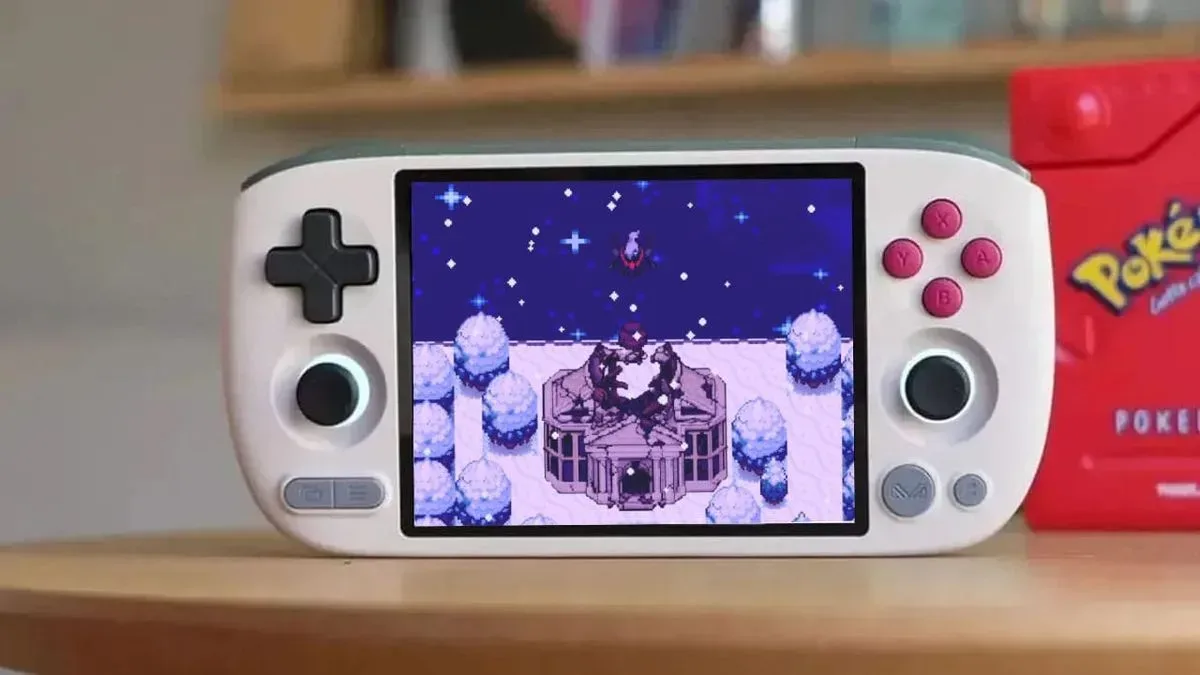
Pokémon Hearth and Thorn is positioning itself as a much more reactive kind of monster-catching adventure. Rather than treating defeat in a major battle as a simple reset point on the road to the next badge, the fan-made project is built around the idea that success and failure can send the story down different paths.
Created in RPG Maker XP with Pokémon Essentials V21.1, Hearth and Thorn is not a ROM hack based on Pokémon Emerald, FireRed, or another official cartridge release. It is a standalone fan project using the RPGXP framework, with an original setting called Erstellen, a large creature roster, party companions, optional quests, and a campaign said to offer approximately 30 hours of content before accounting for additional side-story material.
The game is planned for PC and Android. Its central premise is immediately intriguing for players who have wished Pokémon-style campaigns could acknowledge a loss without simply ending the attempt: a crucial battle can have narrative consequences, and the route forward may not look the same after a setback.
Gym battles are meant to change more than badge progress
In most Pokémon games, losing a Gym battle generally means returning to a recent Pokémon Center, training further, revising a team, and trying the same challenge again. That familiar loop is effective, but it also means the wider story rarely recognizes the failure. Hearth and Thorn aims to make pivotal contests matter in a more direct way.
For useful background on this topic, read GitHub Deletes Post Celebrating AnyPS5 emulator Growth Tied to GTA 6 Launch.
Major wins and losses can branch the narrative, potentially altering where the player goes and what circumstances they encounter. The concept recalls games that vary their routes based on mission performance, but applies that structure to the rhythm of a Pokémon-inspired role-playing game. A battle is therefore not framed only as a mechanical obstacle; it is also a story decision point, even if the player did not intend it to be one.
That approach could give each playthrough a different texture. Players who overcome difficult battles immediately may see one sequence of events, while those who lose may find themselves following another. It also changes the emotional stakes around a loss. Instead of being erased entirely by a reload, defeat can become part of the character's journey through Erstellen.
There is still an important unknown in how extensively every path diverges, how often the game applies these consequences, and whether all outcomes eventually reconnect. Those details will determine just how replayable the branching system proves to be. Even so, using Gym-style challenges as narrative forks is a distinctive hook for a fan-made Pokémon RPG.
An original region inspired in part by 1870s Germany
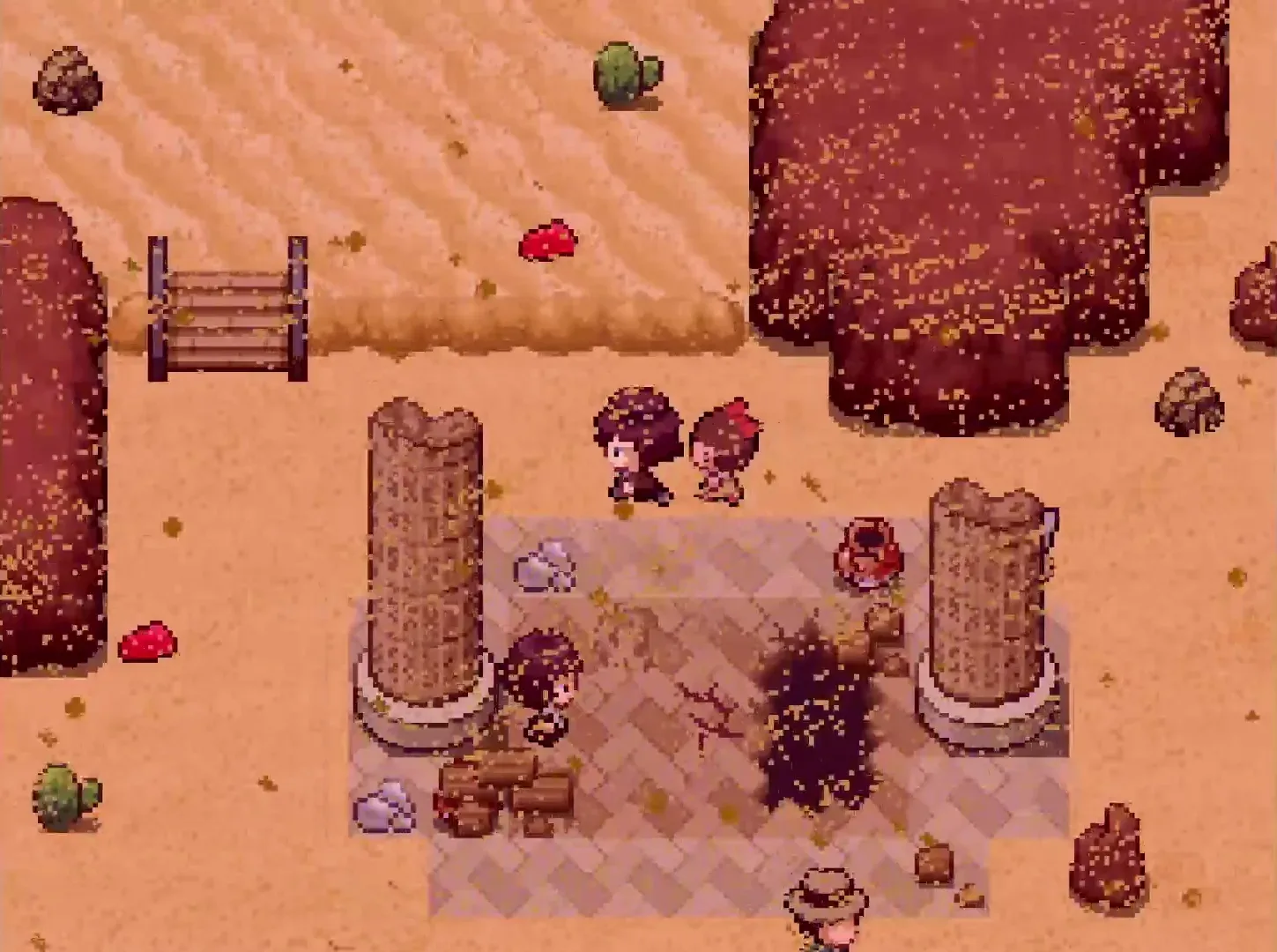
Hearth and Thorn takes place in Erstellen, a new region created for the game rather than a reinterpretation of an established Pokémon setting. Its creator, KF2, has described the setting as taking minor inspiration from Germany in the 1870s.
The reference point is not simply historical costuming. The stated inspiration includes a mixture of older European character and the technologies of the era: villages, castles, knights and kings sit alongside railroads, early electrical development, and steam power. That combination could give Erstellen a notably different identity from regions modeled predominantly around modern tourism, urban culture, or contemporary infrastructure.
For a Pokémon-inspired adventure, the setting opens the door to a world where travel routes and settlements can feel connected by rail, while fortifications and royal imagery establish a more old-world atmosphere. The title itself suggests a contrast between warmth and danger, and the region's blend of homeliness with industrial change may support that tension.
Erstellen is also the stage for a conflict with high stakes. Players will be able to pursue a role in saving the region or destroying what surrounds them. The exact moral structure and degree of player agency have not been fully detailed, but the premise indicates that the campaign is not limited to collecting badges and reaching a conventional league endpoint.
Companions, side quests and world-changing choices
Alongside the main narrative branches, Hearth and Thorn includes recruitable companions. These characters can assist in battle, adding another layer to party-building beyond selecting six Pokémon. Companion systems can make a traditional turn-based formula feel more personal, particularly when allies are connected to the main story or optional missions.
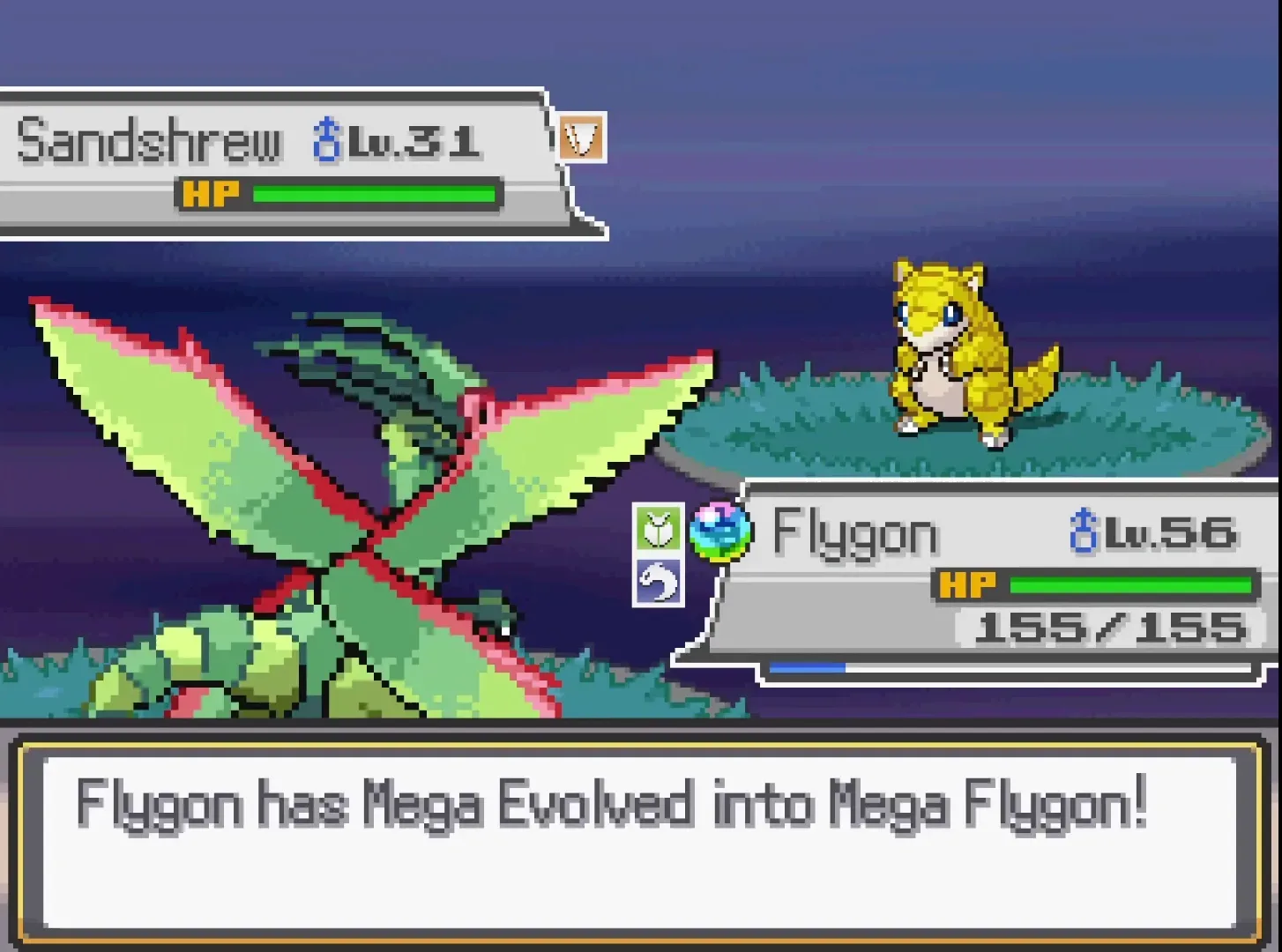
The game also promises both single and double battles. That matters because double battles demand more planning around move targeting, speed order, defensive coverage, abilities, and combinations between team members. If companions participate in these encounters, the format could become an important part of how the game communicates its relationships and tactical ideas.
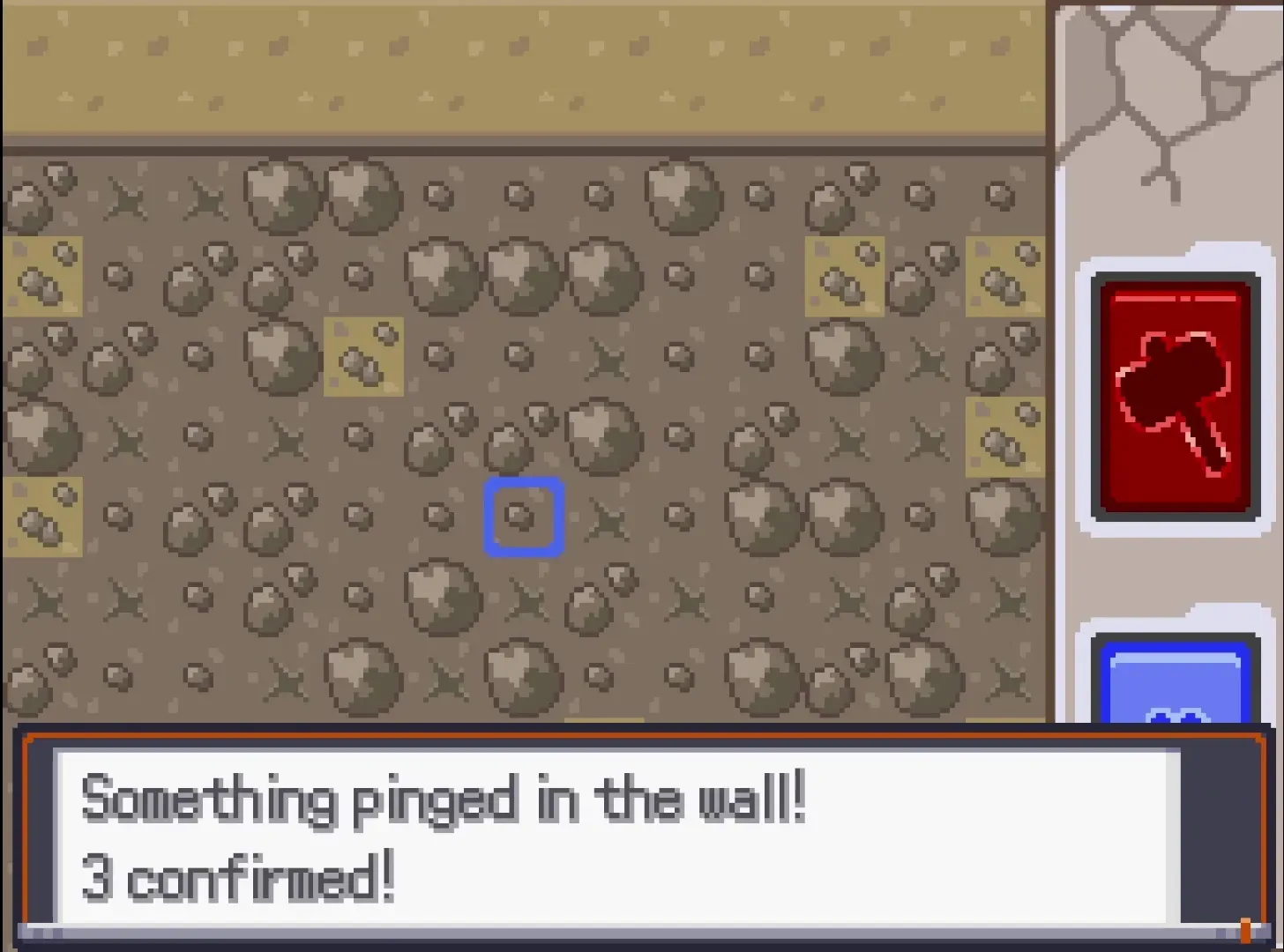
Side quests are intended to do more than provide incidental rewards or extra experience. They can alter the world itself. That is an ambitious goal, because it suggests optional content may have visible consequences for locations, people, or the broader state of Erstellen. As with the branching battle system, the exact scale of these changes remains to be seen, but the design philosophy is clear: actions outside the main route should still carry weight.
This emphasis on consequences is one of the project's strongest thematic threads. Major battles can affect the narrative, side content can influence the world, and the player is presented with a possible choice between preservation and destruction. Hearth and Thorn appears to be seeking a more reactive adventure without abandoning the collecting, exploration, and turn-based battling that define the broader Pokémon-inspired genre.
A 600-Pokémon roster and customizable stats
Hearth and Thorn is set to include 600 Pokémon to catch. That is a substantial selection for an independently made project, offering room for players to construct teams around favorites from many different eras as well as the needs of specific battles.
A roster of that size can support varied playstyles, but it also raises the importance of encounter design and balance. Players will want meaningful reasons to experiment with different species rather than relying on a small group of obvious standouts. The presence of both single and double battles may help, since Pokémon that excel in one format can have a different role in the other.
Players will additionally be able to customize the stats of their Pokémon. The available information does not spell out the precise limits or systems behind that customization, so it is unclear whether it resembles effort-value training, a separate upgrade mechanic, or another approach entirely. Still, it points toward greater control over how a team develops.
That flexibility may be particularly useful in a game where important battles can influence the story. A player preparing to avoid one route might invest heavily in a favored core team, while another may accept a different result and build around the challenges that follow. Ideally, the stat options will offer expression and strategy without making every Pokémon feel interchangeable.
A sizable campaign for an RPGXP fan project
KF2 has indicated that Hearth and Thorn contains around 30 hours of gameplay, with side-story content on top of that estimate. For a project developed through Pokémon Essentials, that is a considerable scope. A campaign of that length needs enough areas, opponents, story scenes, creature encounters, and mechanical variety to maintain momentum across dozens of hours.
The branching premise could make that time investment more appealing for repeat players. If alternate outcomes genuinely change the journey, a second run would not merely be a matter of choosing a different starter or building a new team. It could reveal different sequences and consequences tied to pivotal battles and decisions.
At the same time, players should keep sensible expectations around any large fan-made production. Projects of this scale can evolve as they are developed, and the eventual experience will depend on how smoothly its many systems fit together: its branching story, companions, quests, stat customization, enormous catchable roster, and regional world-building all have significant potential, but also considerable design demands.
Where Pokémon Hearth and Thorn fits in the fan-game scene
By using RPG Maker XP and Pokémon Essentials rather than modifying an existing Game Boy Advance title, Hearth and Thorn belongs to a branch of the fan-game community that can create its own maps, story structures, interface ideas, and regional identity. That distinction is important. ROM hacks often work within the technical and visual framework of a particular official game, while RPGXP projects can approach their worlds with a different set of tools and constraints.
For players, the practical result is an original adventure centered on Erstellen rather than a revised trip through Kanto, Hoenn, or another familiar region. The project's emphasis on railways, castles, industrial-era influences, companions, and branching outcomes gives it a separate identity from more traditional badge-quest remixes.
Pokémon Hearth and Thorn is available to check out on PC and Android through Eevee Expo. The game's blend of a 600-Pokémon collection goal, an estimated 30-hour campaign, side content with environmental consequences, and story paths tied to battle results makes it one to watch for fans looking for a more choice-driven take on the Pokémon RPG formula.
Community
Discussion
Start the conversation.
No comments have been posted yet.