

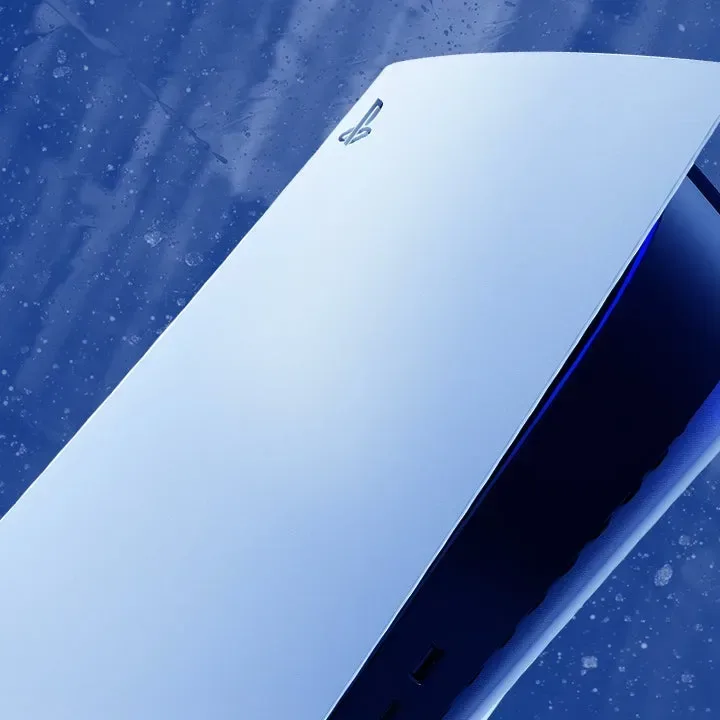
Sony has unveiled a new set of PlayStation Plus membership offers branded as "perks," extending beyond games and console features into video, audio, wellness, and direct PlayStation shopping. The lineup includes a three-month trial of YouTube Premium, offers connected to DAZN, Audible, and Sony Pictures Core, a Calm Premium trial, and discounts on selected PlayStation and Sony Electronics purchases.
The announcement is intended to position PlayStation Plus as a broader membership program rather than solely a subscription centered on online multiplayer, game catalogs, monthly titles, and cloud-related benefits. But the initial reaction from a vocal segment of the PlayStation community has been far from enthusiastic. Much of the criticism centers on the difference between a limited trial that can lead into another paid subscription and a benefit players consider genuinely valuable for an existing PS Plus member.
What the new PlayStation Plus perks include
The newly promoted offers cover several services owned by Sony or operated by its partners. The most prominent is a three-month YouTube Premium trial. YouTube Premium removes ads from the service and includes features such as background playback, while also tying into YouTube Music. For PlayStation users who spend considerable time using their console as a media device, it is an immediately understandable addition, even if it is temporary.
PS Plus members can also access offers involving DAZN, Audible, and Sony Pictures Core. DAZN is a sports streaming service, Audible is focused on audiobooks and spoken-word entertainment, and Sony Pictures Core is Sony's film service. Sony has described the package generally as a mix of special offers, trials, and discounts, rather than presenting every partner promotion as the same kind of entitlement.
For useful background on this topic, read Ratchet & Clank: Ranger Rumble to Shut Down Before Its Global Launch.
Elsewhere, the membership benefits include a two-month Calm Premium trial. Calm is a wellness and meditation app, making it one of the more unexpected additions to a PlayStation subscription package. Sony is also offering a 5% discount for purchases made directly through PlayStation and a 10% saving on gaming and audio products from Sony Electronics.
- YouTube Premium: Three-month trial.
- DAZN, Audible, and Sony Pictures Core: Included among the partner offers, trials, and discounts.
- Calm Premium: Two-month trial.
- Direct PlayStation purchases: 5% discount.
- Sony Electronics gaming and audio products: 10% discount.
There is a clear business logic behind the selection. The perks keep PlayStation connected to the larger Sony ecosystem while exposing subscribers to services that may continue as paid memberships after a trial expires. They also potentially direct PlayStation customers toward Sony's own shopping channels and hardware categories.
Why some subscribers are unconvinced
For critics, the objection is not necessarily that an included trial has no value. Instead, they argue that a trial is fundamentally different from an ongoing membership feature. A player who already pays for PS Plus may see a short promotional window as advertising for another recurring expense rather than a substantial reward for their loyalty.
Social media responses to the announcement repeatedly questioned whether free trials should be described as perks at all. Some commenters characterized the initiative as an attempt to funnel PS Plus users into additional subscriptions. Others said the offers do little to improve the core value proposition of PlayStation Plus, particularly for members who primarily judge the service on its games, price, online functionality, and long-term content library.
One commonly raised suggestion was that Sony should offer a more complete media benefit instead of temporary promotional access. Calls for a full Crunchyroll Premium membership to be included with PS Plus appeared among the reactions, reflecting a wider view that permanent or recurring access to a desirable service would feel more meaningful than an introductory trial.
That response underlines a challenge facing subscription bundles across the entertainment business. Trials can be useful to users who were already curious about a service but had not yet subscribed. However, they can feel less compelling to customers who have seen similar introductory promotions elsewhere, already subscribe independently, or have no interest in the particular partner category. A sports-focused offer, audiobook trial, film promotion, or wellness app will not carry equal value for every player.
A benefits package aimed beyond games
Sony's approach reflects how modern console platforms increasingly function as entertainment hubs. A PlayStation can serve as a games machine, a streaming device, a social platform, and a storefront for digital purchases and hardware. Bringing YouTube, films, audiobooks, sports, and product discounts under the PS Plus banner is a way to make the subscription more visible across those different uses.
It may also appeal to a specific kind of customer: someone who owns Sony headphones, is considering a gaming audio upgrade, watches a large amount of video through their console, or wants to try a streaming service without immediate payment. The direct-store discount and Sony Electronics saving are especially tangible for subscribers who were already planning a purchase.
Still, these benefits are supplementary rather than replacements for the reasons most people traditionally subscribe to PS Plus. The service's central identity remains tied to PlayStation gaming. That means the success of the perk program will likely be judged less by the number of logos attached to it and more by whether members feel it adds enough practical value alongside the gaming features they already expect.
Physical-disc concerns resurface in the discussion
The perks announcement also became a fresh venue for criticism of Sony's previously stated plan to end PlayStation discs from 2028. Some users brought up physical media directly while responding to the new offers, questioning whether promotions and trials can offset concerns around game ownership and the future of boxed releases.
The connection may not be direct, but it illustrates how major platform decisions can influence the reception of smaller announcements. For players unhappy about the move away from physical discs, a package of partner discounts may look like a distraction from a much larger issue. Some responses framed the new initiative as an attempt to make the PS Plus proposition more attractive at a time when trust among physical-media supporters has been strained.
Digital ownership and physical preservation have become increasingly important subjects for console players as storefronts, subscriptions, patches, delistings, and hardware revisions change how games are bought and accessed. A future without new PlayStation discs is therefore not just a retail question for those critics. It is also tied to concerns about collecting, resale, lending, long-term access, and consumer choice.
PlayStation engagement remains high
Despite the criticism, recent financial results indicate that PlayStation engagement has continued to rise. Monthly active users across the PlayStation platform reached 127 million accounts in September, a 7% increase compared with the same month in the prior fiscal year. Sony described that September total as a record high and said it showed that the platform's engagement baseline was improving steadily.
Those figures do not settle the debate around PS Plus value or physical media, but they provide important context. Online criticism can be intense and still coexist with strong overall platform activity. The PlayStation audience is enormous and varied, encompassing players who buy major releases, use free-to-play games, subscribe to services, watch media on their consoles, and engage across several generations of hardware.
Sony's results also showed that 78% of game sales during the period were digital. That is a substantial majority and helps explain why digital distribution remains central to Sony's business strategy. Digital sales of first-party games are especially valuable to Sony because the company receives the full share of the revenue rather than splitting proceeds through physical retail channels.
At the same time, the digital-sales figure does not erase the concerns of people who prefer discs. A market can be overwhelmingly digital while a committed physical audience still sees boxed releases as important. The reaction to the perks announcement demonstrates that both realities can exist at once: PlayStation's digital ecosystem can be expanding successfully, while certain customers remain unhappy about where that expansion could lead.
The real test is whether PS Plus feels better to members
The new perks give PlayStation Plus a wider range of benefits on paper, and the YouTube Premium trial may be attractive to eligible members who have not already used the service. The hardware discounts could also matter to buyers at the right moment. But the skeptical response shows that presentation matters as much as the offers themselves.
Subscribers generally want to feel that their membership is delivering value without requiring another purchase, another sign-up, or another renewal decision. Trials can introduce useful services, but they also come with an obvious endpoint. That makes them harder to sell as a major PS Plus advantage to players already managing several entertainment subscriptions.
For now, Sony's expanded partner program adds another layer to the PlayStation Plus package rather than redefining it. Its long-term reception may depend on eligibility details, the strength of future offers, and whether Sony can pair these media and retail promotions with gaming-focused improvements that resonate more broadly with its subscriber base.
Community
Discussion
Start the conversation.
No comments have been posted yet.