

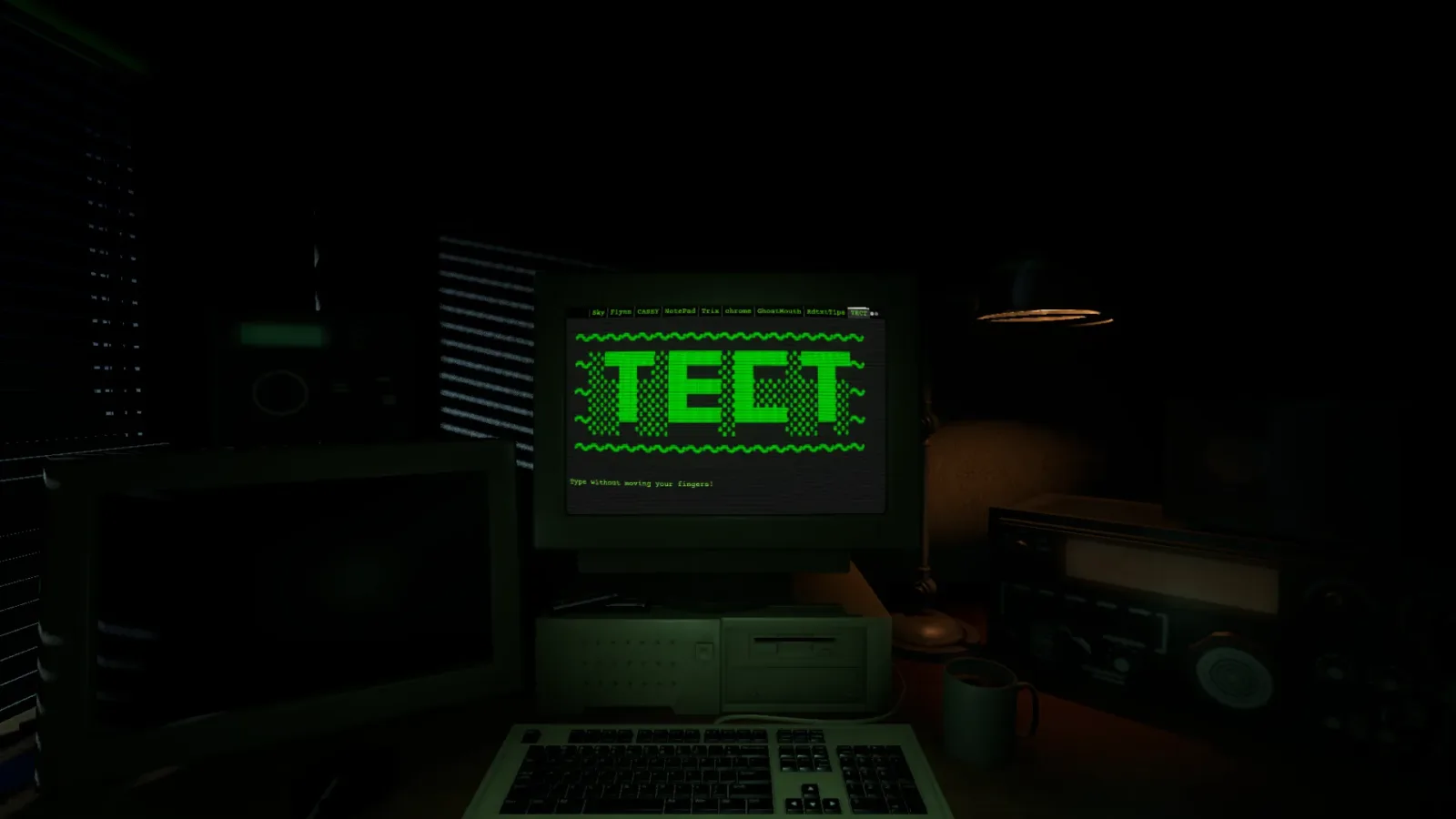
Radiotext, a cyberpunk hacking RPG built around an abandoned-looking radio communication network, is now available for PC through Steam. The game launches at £9.99, $11.99, or EUR11.99, and its first two weeks on sale include a 30% launch discount.
Designed as a focused, narrative-led experience, Radiotext places players behind a retro-styled terminal and asks them to make sense of a network that has survived long after its original era. The game is expected to take roughly three to four hours to complete, but its branching routes, concealed decisions, multiple endings, and continuing online-style network aim to make its world feel larger than that initial playtime suggests.
Its core premise starts with an unusual delivery: a USB stick received in a quiet alley. The drive contains Radiotext, old software from the 1990s that allows people to talk using radio waves. Once the program is opened, the player becomes a new presence in a digital community that has developed across forgotten channels and aging infrastructure.
A forgotten network with an active culture
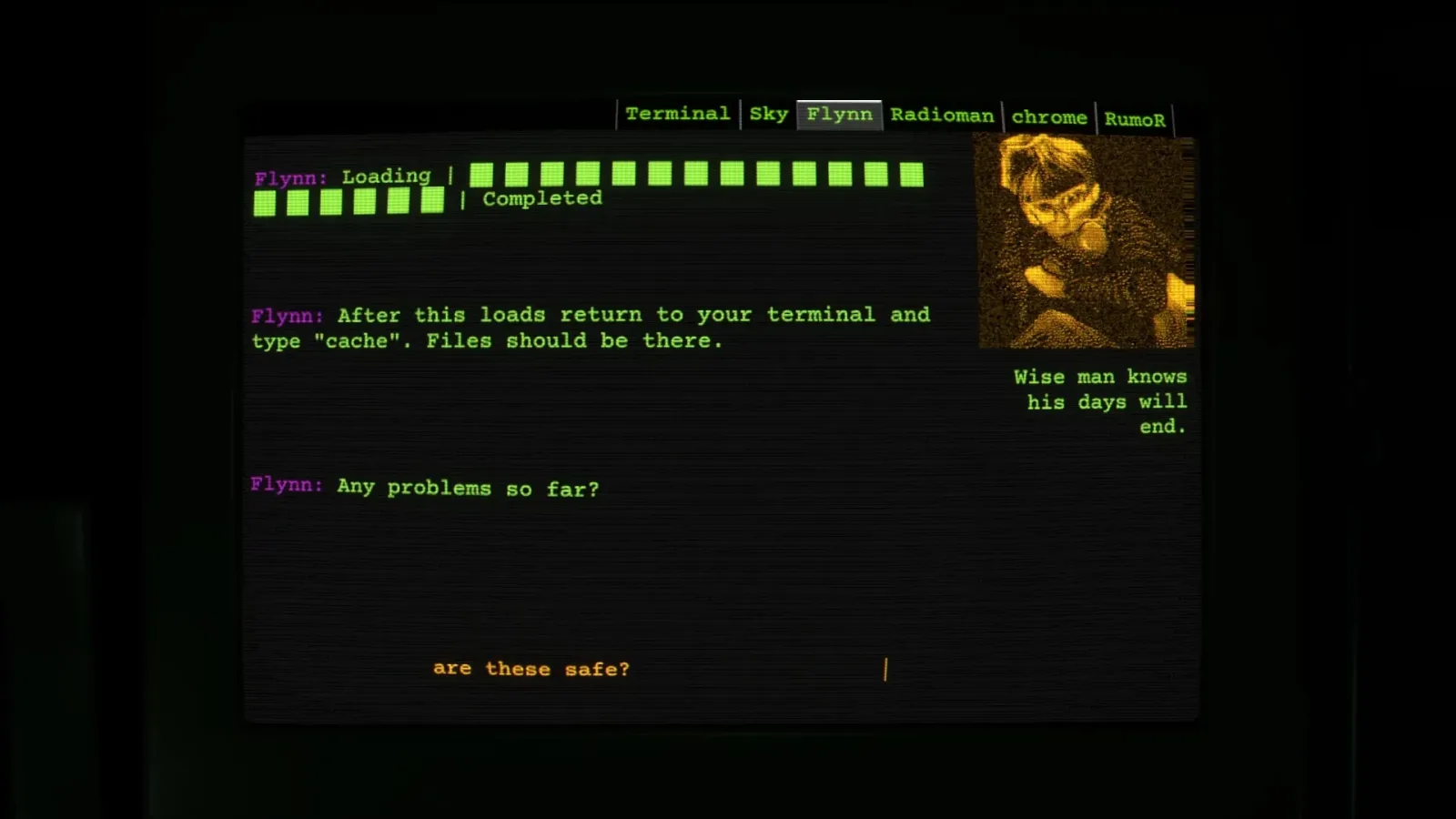
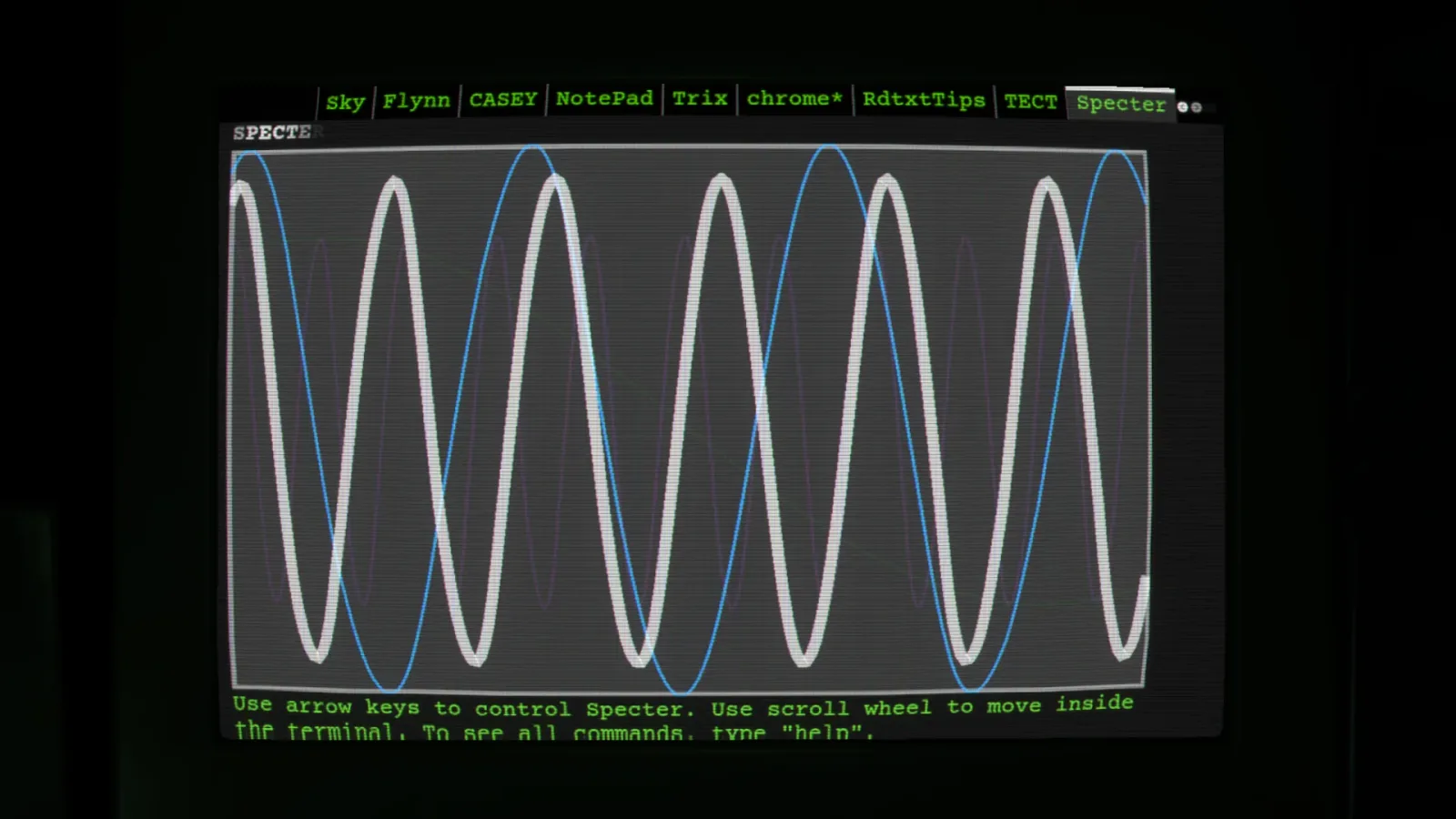
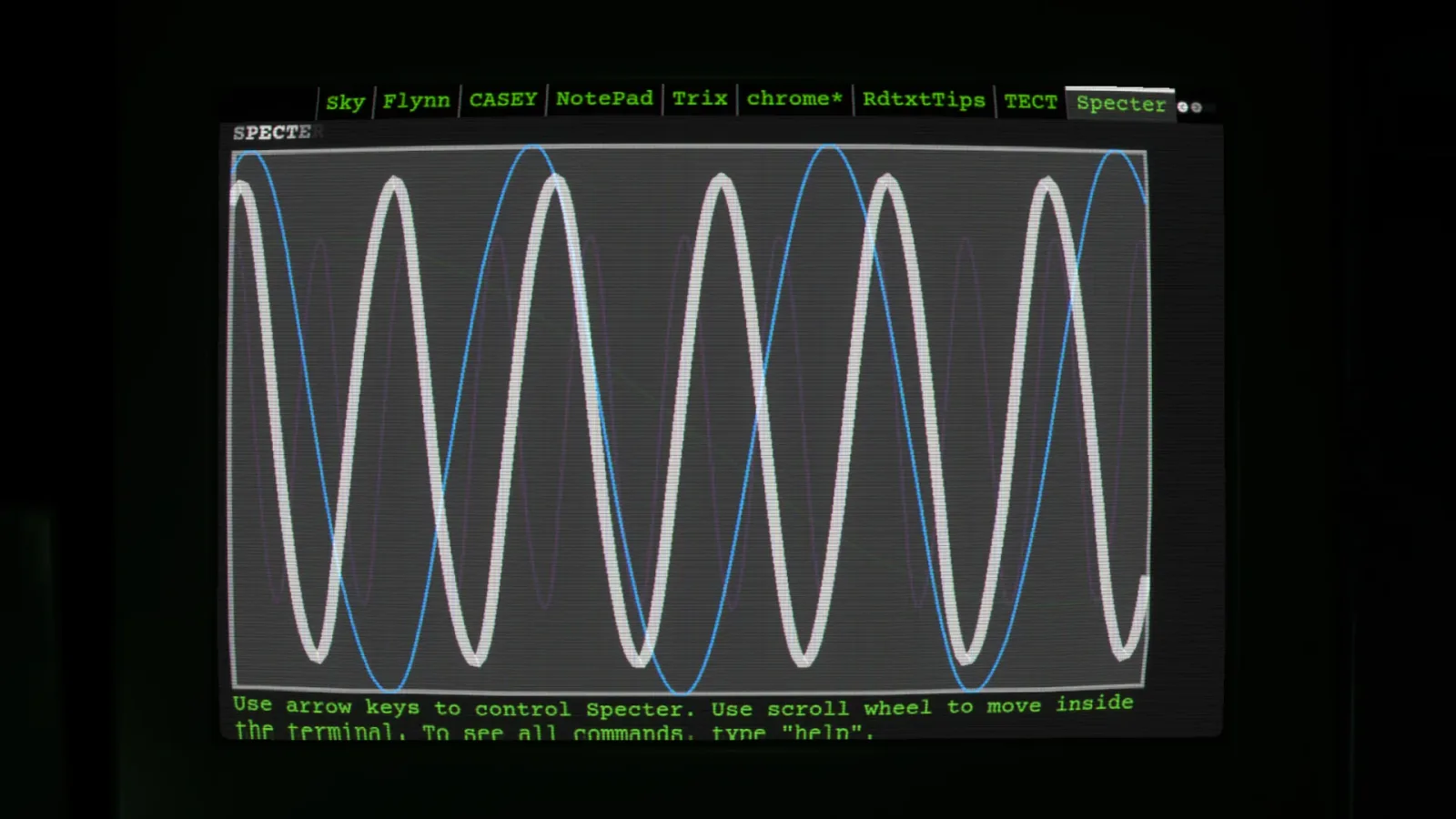
Radiotext is not presented as a traditional cyberpunk adventure full of action sequences or open-city exploration. Instead, its world is accessed through connected terminals, channels, messages, and conversations. Players explore the system, communicate with its users, establish links between disparate parts of the network, and gradually assemble an understanding of events that happened before they arrived.
For useful background on this topic, read RuneScape's Havenhythe Part II Brings Its Biggest-Ever Regional Expansion to a Close.
At the heart of that mystery is a cyber activist uprising directed against corporate powers. The game frames the player as an outsider entering a long-running conflict with incomplete information. That structure means the story is not simply about discovering a hidden archive; it is also about earning a place within a subculture that has its own history, attitudes, and tensions.
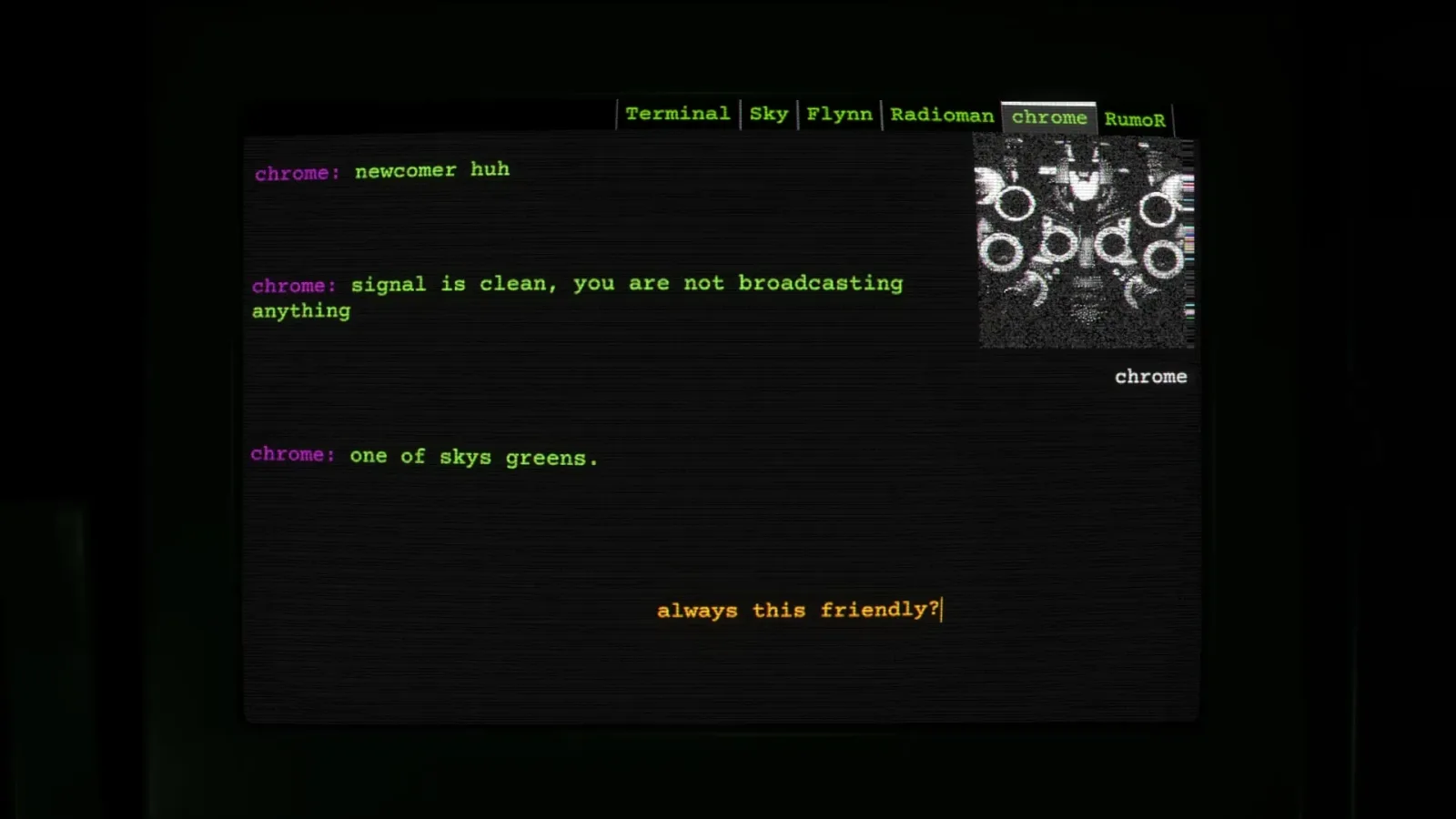
The users encountered throughout Radiotext do not all respond in the same way. Some are welcoming, some seem damaged or distant, and others are described as eerily non-living. This uncertainty appears central to the game's atmosphere. A terminal interface can make every message feel ambiguous: it is not always obvious who is replying, what they know, or whether a response is trustworthy.
Rather than treating dialogue as a straightforward route to the next mission, Radiotext ties player decisions to the state of the wider network. Choices can ripple outward across the system, affecting conversations and the player's developing relationship with the people who inhabit it. The result is intended to be a hacking-themed RPG where participation matters as much as investigation.
For another perspective on this story, read Radiotext Brings a Lost Radio Network to Steam.
Terminal-driven cyberpunk for players who enjoy digital archaeology
The game's approach will likely be familiar to players drawn to works such as Duskers, Hypnospace Outlaw, and S.P.L.I.T. Like those games, Radiotext uses the language of older computing and network culture to turn interface navigation into an important part of the experience. Players are not merely given a menu between scenes; the terminal itself is the place where the fiction unfolds.
Radiotext leans especially hard into the sensation of entering a lost system. The software is framed as a relic from the 1990s, while its radio-based communication concept gives the network an identity separate from a conventional modern internet. Forgotten channels, fragmented connections, and unexplained users make the process of navigation feel like an archaeological exercise carried out through commands and messages.
That retro framework is supported by an interface with authentic-sounding terminal audio. The game also includes UI customization options, allowing players to adjust the presentation of the system to their preferences. Those details may be particularly welcome in a game where reading, browsing, and returning to individual interfaces are major parts of the play experience.
The story's structure also leaves room for repeat play. Branching paths and multiple endings mean that players will not necessarily see every development during a first run. Hidden choices further reinforce the idea that Radiotext is about looking closely at the network rather than simply following the most obvious sequence of prompts. For a relatively concise game, that design could provide an incentive to return and test how different actions reshape its community.
An asynchronous social feed that continues beyond the story
One of Radiotext's more distinctive ideas is its in-game social feed. Player messages are combined with posts written by non-player characters, creating an asynchronous and persistent network. In practical terms, that means the system is meant to feel active rather than frozen around a single player's campaign.
The feature fits the game's broader interest in community. The player is not just solving puzzles in isolation, but taking part in a shared digital space populated by fictional users and other people playing the game. That overlap has the potential to make the network feel unpredictable, especially when the player is trying to separate narrative clues from ambient conversation and wider discussion.
It also supports the premise of joining an established culture. A social network has its own habits, personalities, disagreements, jokes, and unanswered questions. By preserving the network after the main narrative concludes, Radiotext suggests that its world does not entirely shut down once the credits roll. The central mystery may reach an ending, but the channels themselves are intended to remain a place to revisit.
For players who enjoy games that use fictional operating systems, browsers, chat clients, or message boards as storytelling spaces, this persistent element may be one of the most compelling parts of the package. It is a design that makes the game's interface more than an aesthetic wrapper: the network is both the setting and an ongoing component of play.
Built to run lightly while presenting a 3D world
Although Radiotext presents its world with a 3D appearance, it runs in 2D. The technical decision is intended to keep its installation and hardware demands modest, with the game using around 200MB of RAM and VRAM even when operating at 4K resolution.
That approach is well suited to a terminal-focused title. Rather than requiring high-end rendering hardware to sell the illusion of a densely detailed future city, Radiotext concentrates its resources on interface design, atmosphere, and the feeling of moving through a connected space. The low-memory target could also make it an appealing option for players using older PCs or systems where they prefer smaller, less demanding games.
The combination of 3D presentation and 2D operation reflects the game's larger design philosophy. Radiotext wants to evoke a rich digital place, but it does so through suggestion, sound, stylized interfaces, and player imagination instead of hardware-intensive spectacle. For a story about old software and long-neglected radio channels, that restraint is thematically fitting.
Mod support is included from the start
Radiotext has also been designed with modding in mind. Both the Steam demo and the full game include a modding guide, with tools and instructions intended to help players create their own stories, NPCs, and puzzles.
Mod support is especially relevant for a game centered on a network of channels and user-created culture. New narrative threads, additional characters, and fresh puzzle concepts could all naturally fit inside the Radiotext framework. Instead of requiring a mod to radically transform the game's systems, creators can potentially treat the existing network as a foundation for new broadcasts and new corners of its fictional world.
For players curious about the premise but not ready to commit immediately, a playable Steam demo remains available. It offers a chance to sample the game's terminal-based flow, retro audiovisual style, and overall tone before exploring the full narrative.
The developer previously worked on Historica Arcanum: Serenade for the Damned, a tabletop RPG sourcebook. With Radiotext, the focus moves from tabletop worldbuilding to a compact digital role-playing experience, but the interest in setting, character, and player-directed narrative choices remains apparent.
A small-scale RPG with a larger digital mystery
Radiotext arrives as a deliberately contained cyberpunk RPG rather than a sprawling open-world release. Its three-to-four-hour main experience, low system footprint, and terminal-first structure make it suited to players looking for a concentrated mystery with room for different outcomes.
Its appeal will likely depend on whether players enjoy reading through messages, following obscure leads, and inhabiting a deliberately dated computer interface. Those who do may find a distinctive take on hacking fiction: not a power fantasy about breaking into secure systems, but an invitation to enter a strange surviving community, learn its language, and decide what role to play in a conflict still echoing through the airwaves.
Community
Discussion
Start the conversation.
No comments have been posted yet.