

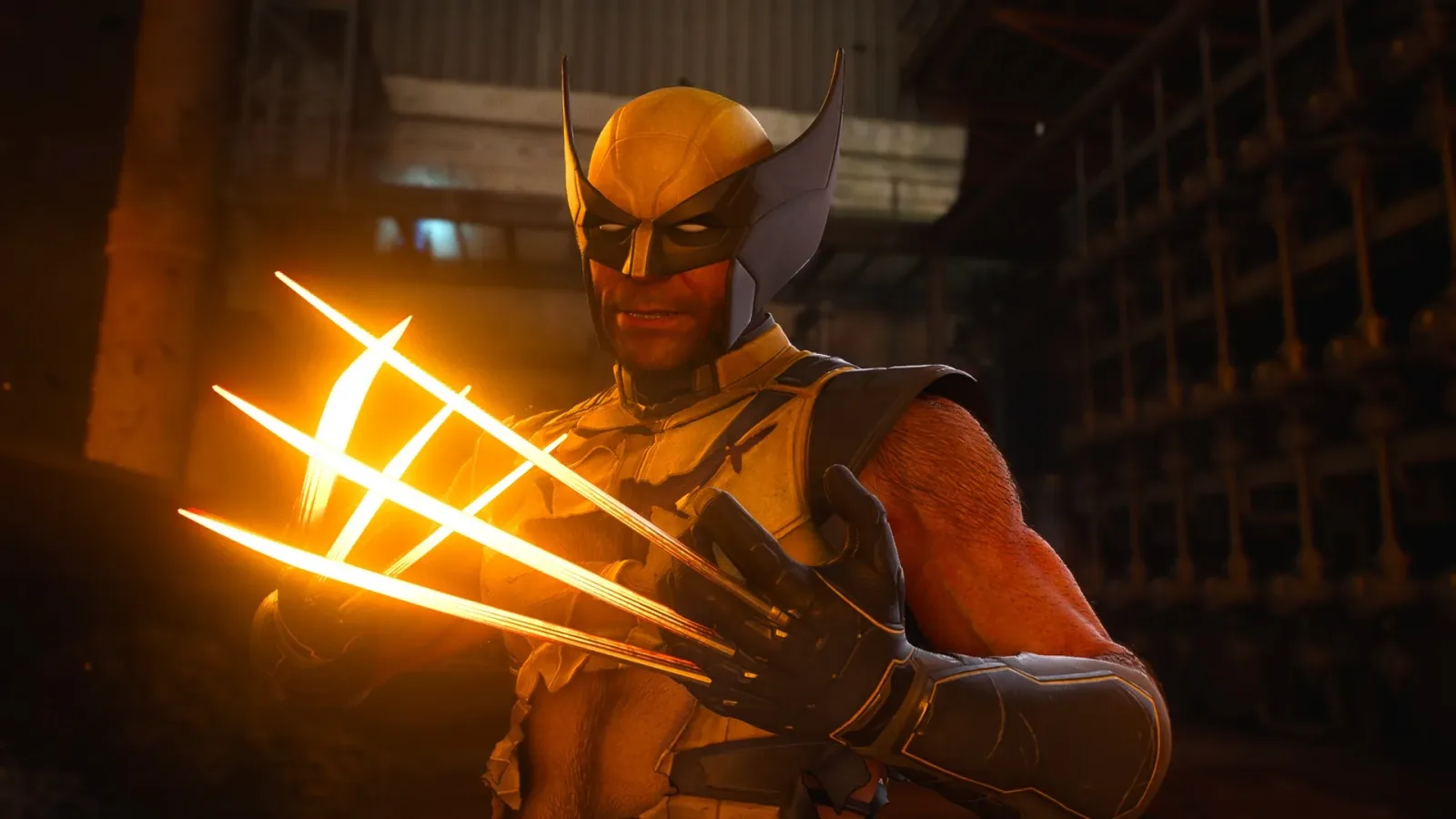
September brought the first major wave of the autumn release calendar to the U.S. video game market, and the results paint a mixed picture. New games performed well enough to fill most of the monthly charts, led by Marvel's Wolverine, but the broader market still slipped slightly compared with the same month a year earlier. Hardware was the clearest dividing line: PlayStation 5 sales climbed, while Nintendo Switch 2 and Xbox Series hardware both declined.
Circana's September 2026 estimates, shared by senior director and gaming industry analyst Mat Piscatella, put total U.S. spending across video game content, hardware, and accessories at $4.8 billion. That represents a year-over-year decrease of 1 percent. Through the first nine months of 2026, spending reached $41.0 billion, running 3 percent behind the pace set during the same period in 2025.
A 1 percent monthly decline is not a collapse, especially during a period that saw so many prominent new games arrive at once. Still, it underlines the challenge facing the business heading into the crucial holiday stretch. Consumers are buying new software, but higher console prices, supply concerns, and a fragmented platform landscape continue to complicate the hardware side of the market.
Marvel's Wolverine takes September's top spot
Insomniac Games' Marvel's Wolverine was September's top-selling game in the United States, based on physical and full-game digital dollar sales. It beat major annual sports releases including NBA 2K27 and EA Sports FC 27, an impressive result in a month when established sports franchises typically command substantial attention.
For useful background on this topic, read New York Game Awards Sets January 2027 Return With Lara Lunardi and Arda Ocal Hosting.
The game has also already climbed to 11th place on the year-to-date best-sellers list. Its opening results are tracking ahead of those achieved by Ghost of Yotei during that game's fall launch window the previous year.
Piscatella said Marvel's Wolverine delivered Sony's largest launch-month full-game dollar sales for a Sony-published title since Helldivers II debuted in February 2024. That is a notable achievement for a game that launched as a full PlayStation exclusive, with no PC version planned. Sony's recent history has included broader PC support for some first-party titles, making the performance of an exclusive release particularly meaningful for the company's console strategy.
The strong commercial debut also arrives despite a middling aggregate critical reception. That contrast is a reminder that brand recognition, marketing reach, the popularity of Marvel characters, and timing within the release calendar can all have a major impact on launch sales. Wolverine is one of the most recognizable characters in superhero fiction, and Insomniac already has a proven track record with licensed Marvel games.
A chart driven by fresh releases
September's best-seller list was unusually focused on newly released games. Monthly U.S. sales rankings often retain a familiar group of long-running sellers: annual sports games, blockbuster shooters, evergreen open-world releases, and titles that benefit from discounts or ongoing live-service activity. This time, a large portion of the chart was instead occupied by recent arrivals.
That group included releases spanning sequels, new franchises, action games, and other genres. The Blood of Dawnwalker and Ace Combat 8: Wings of Theve were among the names appearing in the month's competitive lineup. Alongside Marvel's Wolverine, NBA 2K27, and EA Sports FC 27, their presence suggests that players had a wide range of high-profile releases competing for attention and spending.
That is encouraging for the software market. A release schedule dominated by familiar franchises can still produce enormous revenue, but a chart with room for both established brands and newer properties is healthier for publishers, developers, and players. It indicates that consumers are willing to try different types of games when the release slate is sufficiently active.
It is important to keep the measurement in mind, however. Circana's monthly ranking is based on physical and full-game digital dollar sales. It does not include mobile spending or digital add-on content. The ranking therefore offers a useful view of premium game purchases, but it does not capture every form of spending across the wider games business.
PS5 hardware rises while rivals fall
The most striking platform-level results came from hardware. PlayStation 5 unit sales increased 22 percent year over year in September. In contrast, Switch 2 unit sales fell 14 percent, while Xbox Series sales dropped 27 percent.
PlayStation's September increase continues a favorable run for Sony in a difficult hardware environment. A major boost in attention following the Netflix reveal for Grand Theft Auto 6 the month before may have helped drive interest in the PS5 ecosystem, even though the full relationship between that announcement and sales activity cannot be isolated from the monthly figures alone. The release of Marvel's Wolverine as a PlayStation exclusive also gave the platform a major software focal point during September.
The PS5 result is especially notable because console pricing has become a more consequential factor for consumers. An all-digital PS5 currently sells for $600, a price that would have seemed extraordinary for a digital-only mainstream console not long ago. Yet Sony's hardware still posted growth for the month, suggesting its brand strength, software lineup, and installed ecosystem are continuing to offset at least some of that pressure.
Switch 2 faces a potential holiday test
Nintendo Switch 2's 14 percent year-over-year decline comes amid a recent price increase. Price changes can reduce near-term demand, particularly once the early adopter audience has already purchased a new system. September's result does not necessarily determine the platform's holiday outlook, though.
Nintendo is approaching a major software moment with The Legend of Zelda: Ocarina of Time due in November. A release tied to one of the company's most important and beloved names could provide a substantial lift in interest, depending on how consumers respond and how broadly the title encourages hardware purchases. The final months of the year will offer a better indication of whether September was a temporary slowdown or the start of a more sustained reaction to higher pricing.
As always, Nintendo's sales trajectory is likely to be shaped by a combination of first-party releases, retail availability, bundle plans, and the appeal of the Switch 2's library relative to the still-relevant original Switch audience.
Xbox hardware pressures continue
Xbox Series hardware had the weakest year-over-year result among the three major console families, falling 27 percent. The decline adds to continuing concerns around Microsoft's position in traditional console hardware.
Higher prices have made the comparison increasingly difficult for Xbox. The all-digital Xbox Series X starts at $750, significantly above the $600 price of an all-digital PS5. Microsoft has also faced supply-chain difficulties, while reports of limited console availability have further complicated the situation. A high price means little if potential buyers cannot reliably find the product they want at retail.
One especially unusual sign of the current environment is a message reportedly sent to some inactive Xbox owners encouraging them to resell their consoles to Best Buy, where another customer could purchase the system at a discount. Regardless of how broadly that message was distributed, it reflects the unusual challenges around keeping hardware circulating and attracting active users to the platform.
Microsoft's gaming business is far broader than Xbox console sales alone, encompassing subscriptions, cloud initiatives, PC releases, and multiplatform publishing. But hardware figures still matter. Consoles remain a visible entry point into the ecosystem, and declining unit sales can affect retail presence, audience growth, and perceptions of platform momentum.
What September means for the holiday season
September 2026 did not deliver a uniformly positive story for U.S. games spending. Total spending was down modestly, and year-to-date results remain below 2025. But the month also demonstrated that a packed software calendar can still create major successes. Marvel's Wolverine emerged as a clear launch winner, sports games remained powerful, and numerous newer releases found space in the sales conversation.
The coming months will reveal whether that software energy can carry the market forward. PlayStation enters the period with growing PS5 unit sales and a major exclusive already performing strongly. Nintendo has a key Zelda release approaching. Xbox, meanwhile, faces the steepest hardware challenge, with pricing and availability likely to remain central concerns.
For now, September's numbers show a market where players are still responding to big new games, even as the cost and availability of the machines used to play them become more difficult questions.
Community
Discussion
Start the conversation.
No comments have been posted yet.