

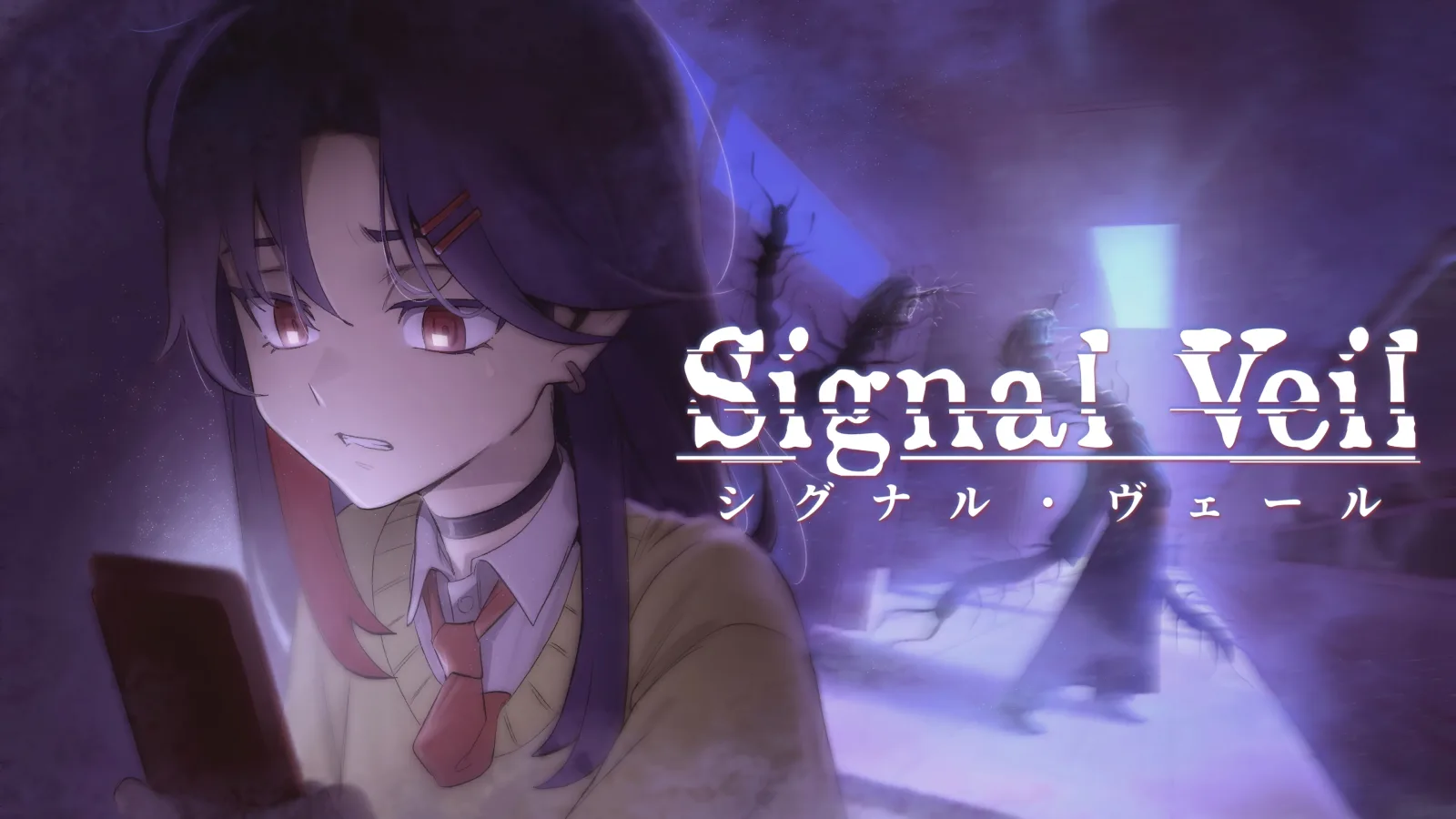
Signal Veil is a newly announced third-person survival horror game that combines a 90s anime-inspired visual identity with a haunted-school setting, fixed camera angles, limited resources, and a paranormal cellphone at the center of its mysteries. The game is being developed by Chilean independent studio Time Hunters and published by Tokyo-based Serafini Productions.
Its first trailer introduces a premise built around isolation and uncertainty. Players control Aki Mizuno, a teenage schoolgirl whose mother has gone missing. Aki inherits her mother's old cellphone, only to discover that it reacts to spirits invisible to everyone else. Rather than serving as a simple narrative keepsake, the device is designed as her essential survival tool while investigating the disturbing events at Nishikawa High School.
Signal Veil is in development for PlayStation 5, Xbox Series X|S, Nintendo Switch 2, and PC. On PC, it is planned for Steam and the Epic Games Store. No release date has been announced.
A Cellphone That Sees What Aki Cannot
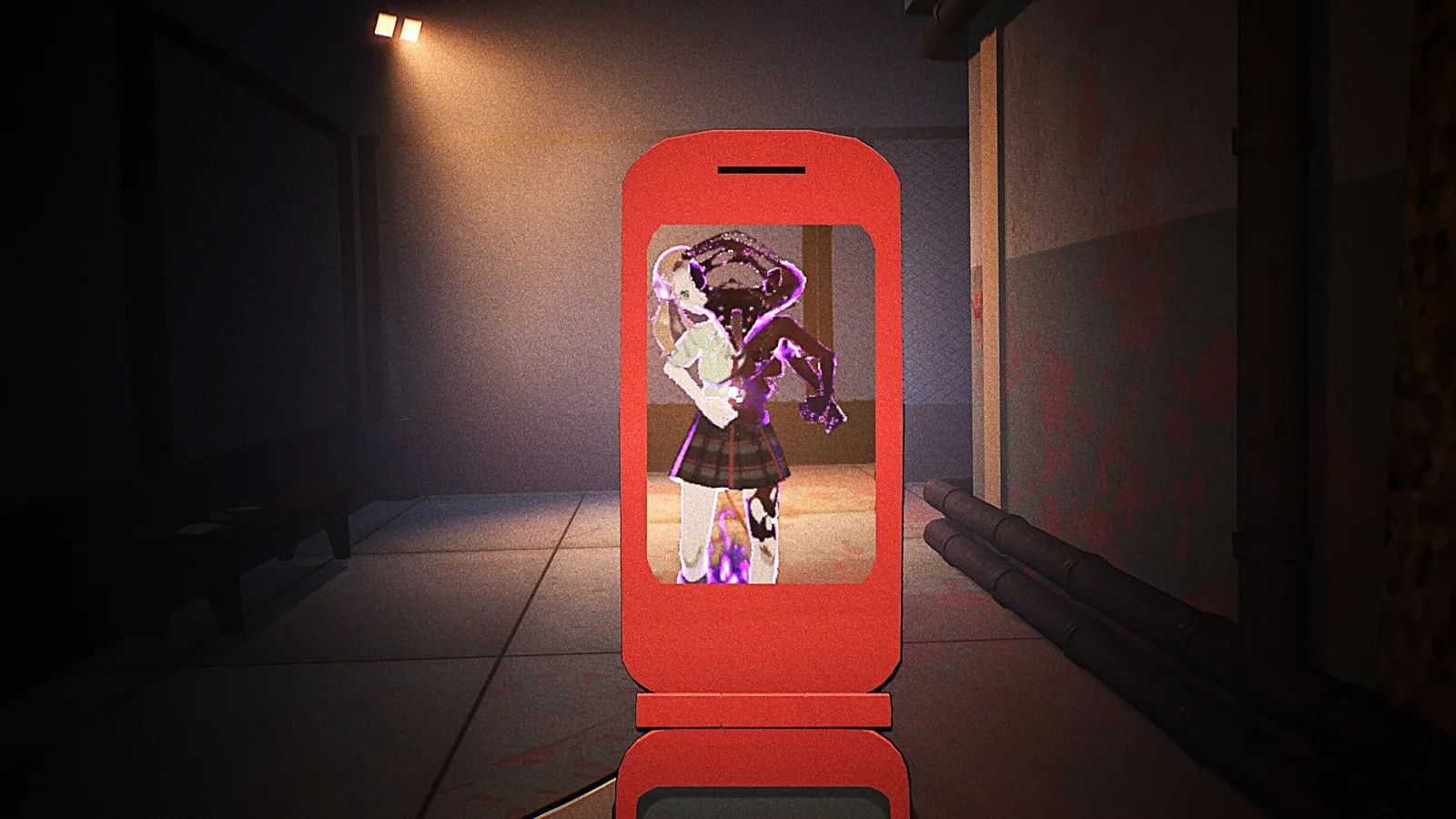
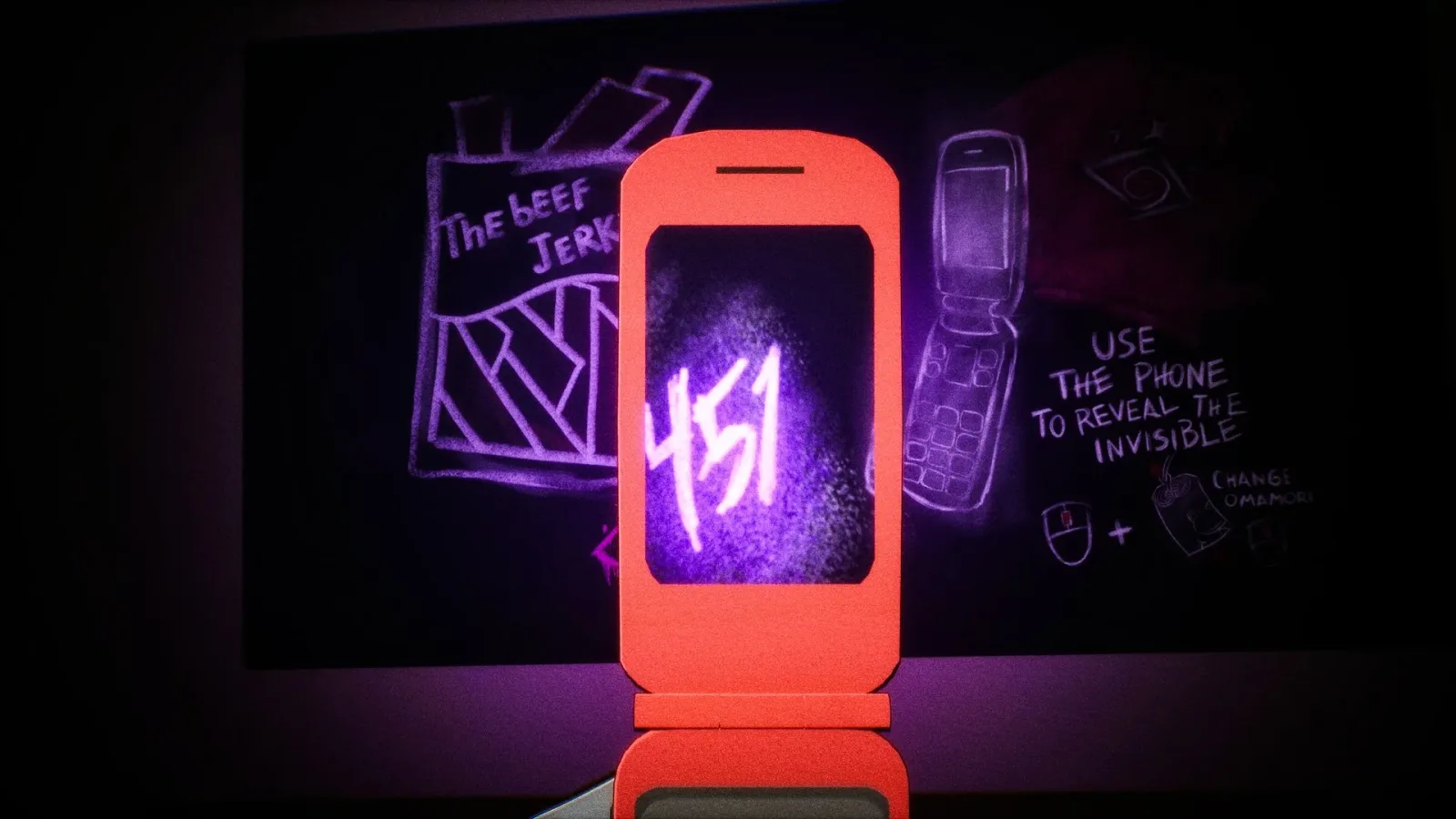
The old phone gives Signal Veil its most distinctive mechanic. It can alert Aki to supernatural activity through vibrations and bursts of static, offering warnings that something dangerous may be close even when the threat is outside the player's view. In a horror game built around restricted visibility and fixed camera perspectives, those clues may be as unnerving as they are helpful.
For useful background on this topic, read Human-Made Decomp and Recomp Directory Aims to Highlight Community Coding Work.
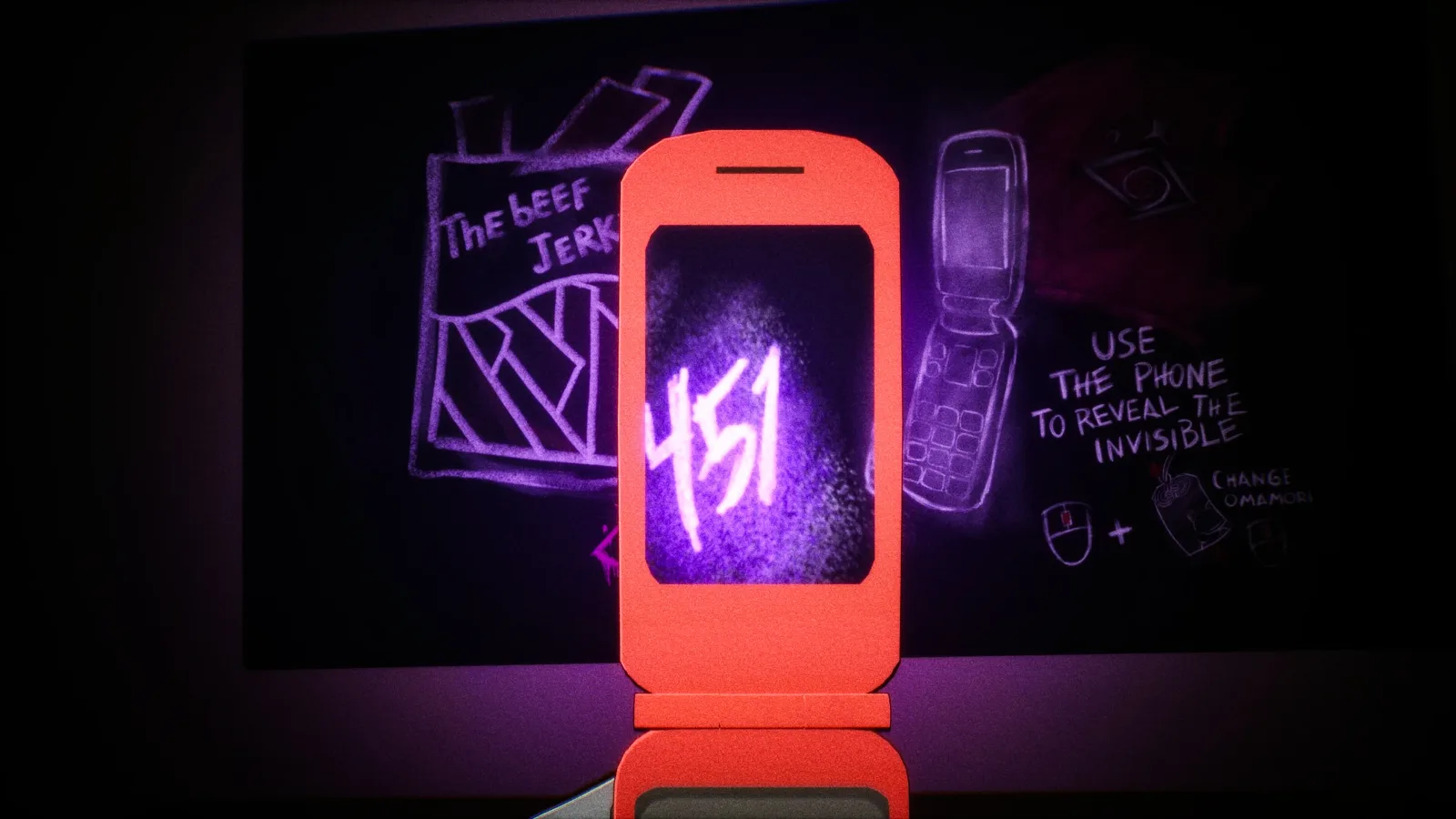
The handset also has several practical functions. Its flash can be used to stun spirits, giving Aki a chance to create distance or prepare for the next step of an encounter. The camera, meanwhile, can reveal concealed objects and lingering imprints that would otherwise remain hidden. That makes the phone part detector, part defensive equipment, and part investigative tool.
Using a familiar piece of everyday technology as the player's only guide fits the game's focus on vulnerability. Aki is not portrayed as a heavily equipped fighter entering a monster-filled facility with an arsenal at her disposal. She is a student moving through a school where the rules of reality are increasingly unreliable, relying on an inherited device that may offer incomplete warnings rather than guaranteed safety.
The cellphone's connection to Aki's missing mother also gives the central investigation a personal dimension. The game's announcement establishes the disappearance as the starting point for Aki's journey, while the phone appears to be one of the few remaining links to whatever happened before the haunting escalated.
Nishikawa High School Is Not Staying Still
Signal Veil takes place inside Nishikawa High School, but it is not expected to remain an ordinary academic building for long. As Aki's sanity deteriorates, the environment itself begins to warp. This psychological element means the school can become less predictable as the player pushes deeper into its secrets, with changes to the setting reflecting Aki's slipping mental state.
That instability extends to the enemies. Spirits become more erratic as Aki's sanity declines, increasing the pressure during exploration and confrontations. The concept suggests that managing fear may matter beyond atmosphere alone: the condition of Aki's mind is tied directly to how the world behaves around her.
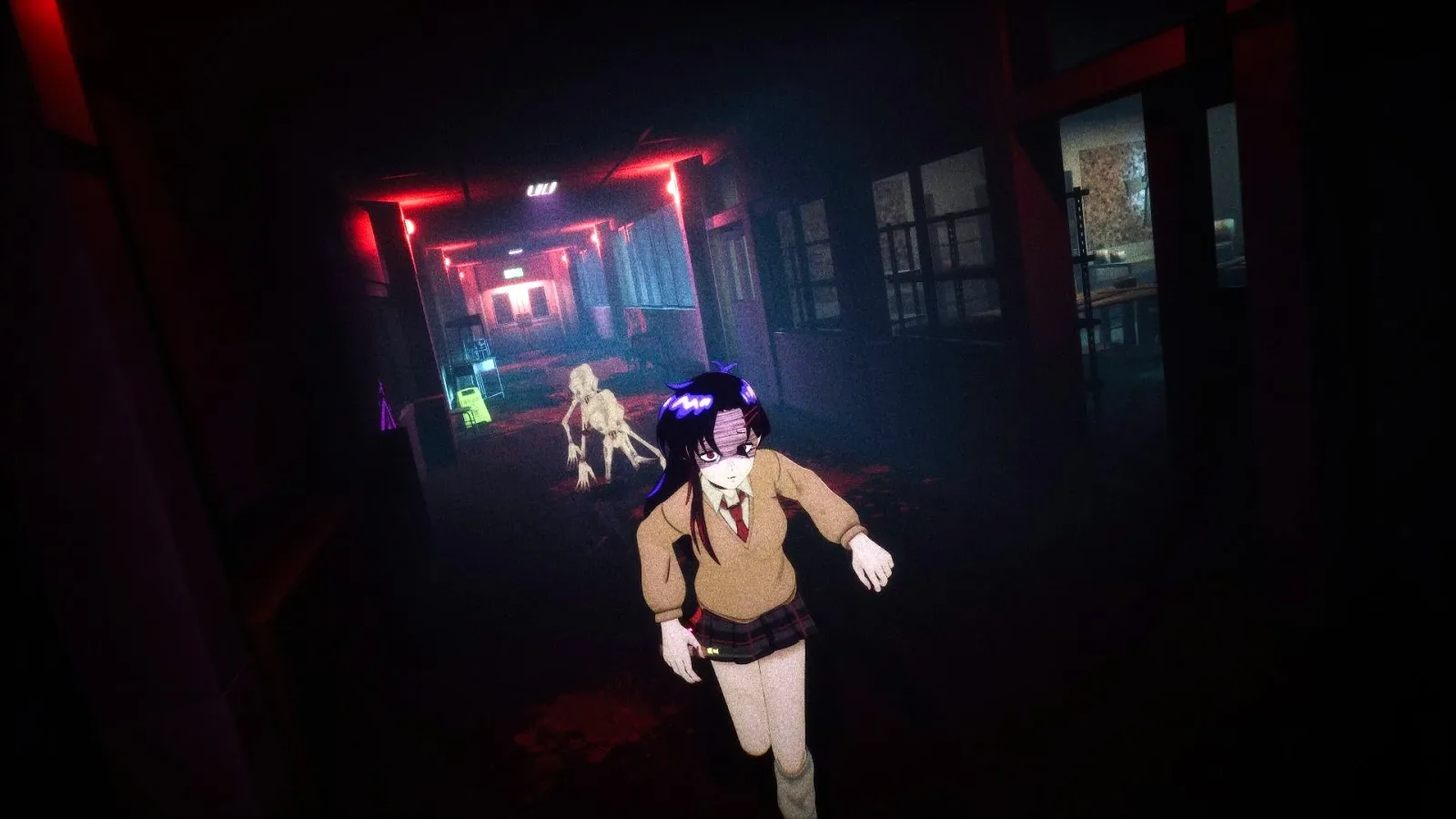
Classic fixed camera angles are another major part of the intended horror experience. Instead of always placing the camera freely behind the player, Signal Veil uses composed viewpoints that can withhold crucial information. A hallway may look empty until Aki steps forward. A threat could be just beyond the edge of the frame. The phone's static and vibration features may become especially important when the camera cannot provide a clear view of what is nearby.
Fixed angles have long been associated with survival horror because they make space, sound, and uncertainty work together. They can turn an ordinary doorway into a point of tension and leave players wondering whether they should conserve supplies, investigate a suspicious corner, or retreat before a spirit reveals itself. Signal Veil is openly leaning into that legacy while pairing it with a stylized anime presentation.
Survival Depends on Rituals Rather Than Firepower
Although Nishikawa High School contains hostile supernatural entities, Signal Veil is not structured around overpowering enemies through sheer combat ability. Medicines, ammunition, and mystical weapons are all described as scarce. Each confrontation is therefore intended to require judgment, timing, and a careful use of the tools available.
Spirits are defeated through a ritual-like process with multiple stages. Players must first detect the enemy, then provoke it, stun it, expose its essence, and finally purge it permanently. The sequence makes each enemy encounter more than a matter of aiming and attacking. Aki has to understand when a threat is present, draw out a reaction, create an opening, and follow through on the cleansing process.
This structure could give battles a deliberate rhythm. Detection is likely to depend heavily on the phone's signals, while stunning an apparition with the flash may provide a narrow opportunity to reveal its essence. The final purge turns the interaction into something closer to an exorcism than a conventional defeat. With ammunition and other resources limited, wasting an attempt could prove costly.
The emphasis on strategy also supports the setting. A haunted school can be a maze of classrooms, corridors, storage rooms, stairwells, and locked areas, but it becomes considerably more threatening when every item has value. A healing supply used too early may be unavailable later. A mystical weapon may need to be saved for a stronger presence. Even choosing whether to engage, evade, or investigate could have consequences when the school is changing around Aki.
A 90s Anime Lens for Psychological Horror
Signal Veil's stated 90s anime inspiration is central to its identity. The era remains a rich point of reference for horror stories that blended adolescent life with occult imagery, urban anxieties, mysterious technology, and sudden shifts from ordinary places to surreal nightmare spaces. A schoolgirl, an old cellphone, and a high school overtaken by spirits provide a foundation that is familiar in broad genre terms, while the game's ritual-driven survival systems aim to make that foundation interactive.
The aesthetic choice also complements the story's emotional angle. Aki is dealing with the disappearance of her mother while confronting entities that nobody else can perceive. The divide between what she knows and what everyone around her can see gives the setup an inherently lonely quality. As sanity affects the environment and enemy behavior, that loneliness may become increasingly difficult to separate from the supernatural danger itself.
Rather than presenting its school as merely a backdrop for scares, Signal Veil frames Nishikawa High School as a place where memory, reality, and fear can distort. Hidden objects and imprints revealed through the phone's camera point to an investigation that may involve piecing together traces left behind by people or spirits. The game has not yet detailed its cast, specific enemy types, or the larger explanation for the haunting, leaving those questions open for future reveals.
What Has Been Confirmed So Far
The announcement trailer offers the first look at Signal Veil's tone and style, while the revealed feature set outlines a survival horror experience focused on constrained information and limited supplies. The core details currently confirmed are:
- A third-person survival horror game starring teenage schoolgirl Aki Mizuno.
- A mystery involving Aki's missing mother and the cellphone she leaves behind.
- Nishikawa High School as the main setting.
- A phone that detects spirits through vibration and static.
- A flash function that can stun entities.
- A camera function for uncovering hidden objects and imprints.
- Sanity-driven changes to the environment and enemy behavior.
- Scarce medicine, ammunition, and mystical weapons.
- Ritual-based encounters involving detection, provocation, stunning, essence exposure, and purging.
- Classic fixed camera angles intended to heighten suspense.
For fans of deliberate survival horror, Signal Veil's combination of old-school camera design, resource pressure, paranormal investigation, and anime-influenced presentation gives it a clear identity from its first reveal. Much remains to be seen about the scope of Nishikawa High School, the consequences of Aki's deteriorating sanity, and the mystery surrounding her mother. But the idea of a haunted cellphone serving as both warning system and lifeline is a compelling hook for a game built on the fear of not being able to see what is already close by.


Community
Discussion
Start the conversation.
No comments have been posted yet.