

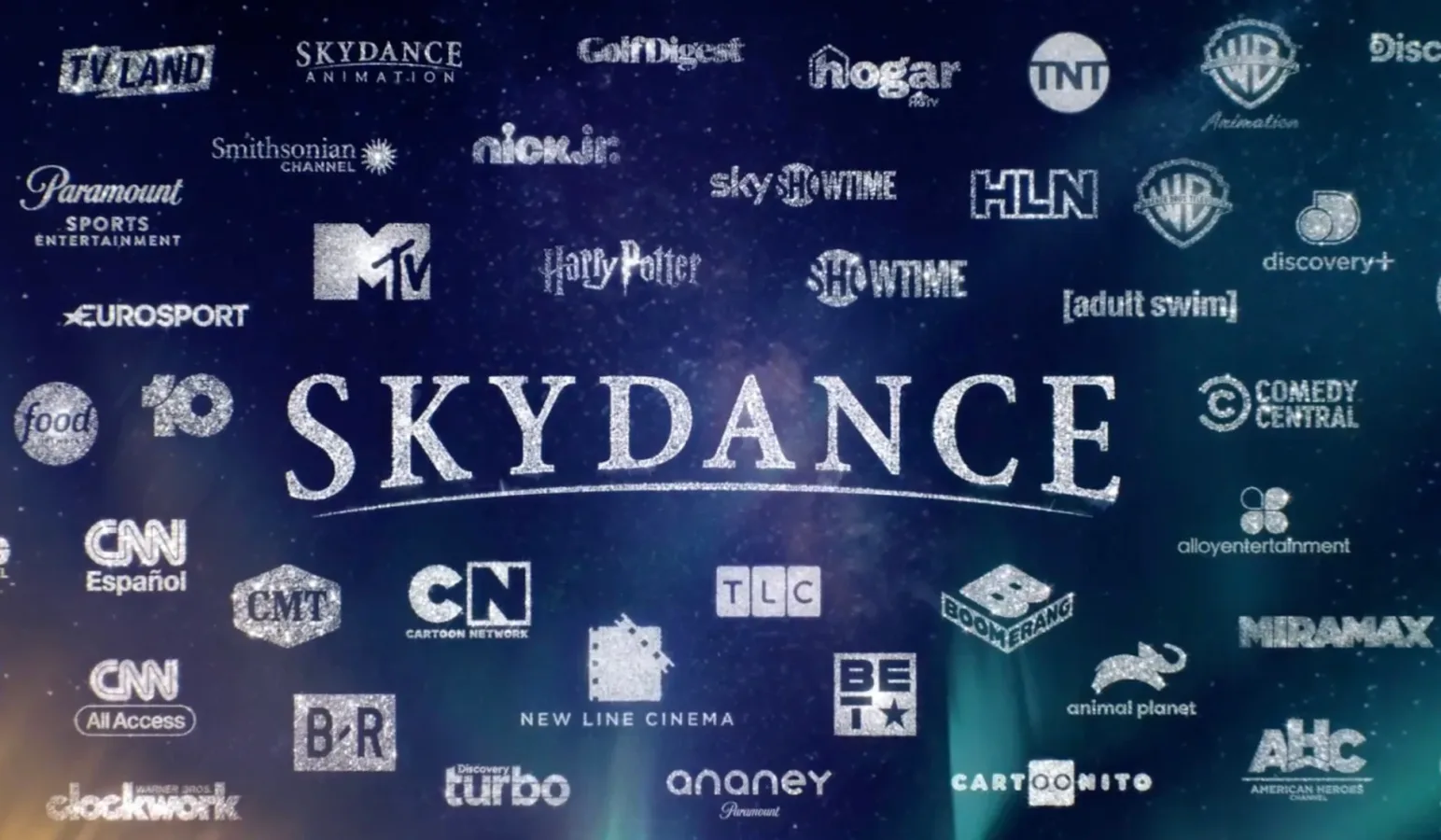
Skydance has reportedly introduced a mandatory five-day-per-week return-to-office policy across its newly expanded entertainment operation, affecting employees in its games business as well as DC Comics and other media divisions. The reported mandate arrives soon after Paramount and Warner Bros. completed their merger earlier this month, creating the company now operating under the Skydance name in a deal valued at $110 billion.
Employees are also being offered a voluntary buyout program intended to reduce the company's headcount. Taken together, the moves place a renewed spotlight on the uncertain position of game-development teams within a giant media consolidation--especially workers connected to the former Warner Bros. Games organization, which has already endured substantial restructuring and studio closures.
A Broad Return-to-Office Requirement
The five-day office requirement is described as business-wide rather than a policy limited to one department. That means the directive reportedly reaches Skydance Games, comic-book operations including DC Comics, and the company's wider collection of film, television, and entertainment holdings.
A full-time office schedule represents a major change for employees who had been working remotely or on hybrid arrangements. Return-to-office policies have remained contentious throughout the technology, entertainment, and games industries, where many teams shifted to distributed production during the pandemic and subsequently continued using hybrid work structures. For game developers, the issue can be particularly complicated: productions rely on close collaboration, but also include specialized staff who may have built their lives and careers around remote employment.
For useful background on this topic, read Jono-turns-a-simple-platformer-into-a-global-one-minute-relay/">Jono Turns a Simple Platformer Into a Global One-Minute Relay.
Skydance has not publicly detailed whether individual groups will receive exceptions, how relocation concerns will be handled, or what timeline employees must follow. Those unanswered questions matter because an office mandate can create practical pressure on workers who do not live close to a designated workplace, have caregiving responsibilities, or were hired under expectations of flexible work.
Buyouts Add Another Layer of Uncertainty
Alongside the office requirement, Skydance is setting up a voluntary buyout program. Such programs generally offer eligible employees an incentive to leave, allowing a company to lower staffing levels without immediately announcing a conventional round of involuntary layoffs.
The existence of a buyout plan does not establish how many jobs may ultimately be eliminated, nor does it reveal which departments could be most affected. No figures for participation targets, severance terms, or specific teams were provided. Still, voluntary exits often become part of the cost-cutting process that follows a major corporate merger, where overlapping business units and changing strategic priorities can put roles under review.
For another perspective on this story, read Skydance Reportedly Orders Five-Day Office Return Across Media Businesses.
For workers in games, the concern is understandable. The industry has gone through years of layoffs, canceled projects, studio shutdowns, and acquisitions that have altered or ended development teams. A merger on the scale of the Paramount-Warner Bros. transaction naturally raises questions about how a new parent company will assess every part of its portfolio, including development studios and publishing operations.
Warner Bros. Games Had Already Been Restructured
The former WB Games organization was not entering this merger from a position of complete stability. It had already been reduced through a number of high-profile closures and project changes.
Last year, Warner Bros. shut down Monolith Productions, the studio working on a Wonder Woman game. The closure was especially notable because Monolith had a long history in the games business, including its work on Middle-earth: Shadow of Mordor and Middle-earth: Shadow of War. The planned Wonder Woman title had drawn interest partly because it was expected to build on the studio's established open-world action experience, but the project did not survive the restructuring.
Player First Games, the team behind the platform fighter MultiVersus, was also shut down. Warner Bros. San Diego, a mobile-focused developer, closed as well. Those decisions reduced the number of internal studios attached to Warner Bros. properties and signaled a narrower approach to game production.
At the time, Warner Bros. said it was concentrating more heavily on core franchises, specifically including Harry Potter and Mortal Kombat. Those series remain among the most recognizable names connected to the company's interactive portfolio. However, a focus on fewer major brands can leave less room for teams pursuing new concepts, games based on secondary properties, or projects that require a long development runway before their commercial potential is proven.
What This Could Mean for Skydance Games
It is too early to say exactly how the return-to-office mandate and buyout program will affect individual projects. The available information does not identify specific game teams, titles, or development schedules that could be changed. It also does not confirm whether further staffing reductions are planned after the voluntary program.
Even so, the situation reinforces how closely game studios are tied to broader corporate decisions when they sit inside a large media conglomerate. Leadership may evaluate a game division not only on its own releases and expertise, but also on how it fits with movie, television, publishing, licensing, subscription, and franchise strategies. That can open opportunities for major cross-media projects, while simultaneously exposing game teams to cuts driven by priorities outside game development.
The inclusion of DC Comics in the reported office policy is also notable. DC's characters have historically been central to Warner Bros.' gaming ambitions, from the Batman: Arkham series to Injustice, Suicide Squad, and other licensed projects. A more centralized Skydance structure could influence how those properties are handled across games and other formats, although there is currently no confirmed announcement about changes to DC game development plans.
Consolidation Continues to Shape the Games Business
The merger's $110 billion scale underlines the broader reality facing game workers: decisions about studios can be made inside companies whose interests stretch far beyond games. The former Warner Bros. operation includes valuable entertainment brands and an extensive archive of film, television, comics, and interactive properties. But corporate value does not necessarily translate into security for every creative team.
Acquisitions and mergers are often presented as chances to combine expertise, broaden audiences, and build more powerful franchise ecosystems. In practice, they can also trigger reviews of duplicate functions, shifts in investment, and pressure to demonstrate near-term returns. A buyout program and a company-wide return-to-office order may be separate policies, but their timing shortly after a merger makes them difficult for employees to view in isolation.
For now, the clearest confirmed impact is organizational rather than project-specific: workers across Skydance's businesses are reportedly being asked to return to the office five days a week, while eligible staff are being given a voluntary route to exit. Whether this becomes the start of a deeper restructuring in games remains unknown.
Employees, players, and industry observers will be watching for more concrete information on staffing, studio leadership, and the future of the franchises that survived the previous Warner Bros. Games cuts. Until then, the new policy serves as an early indication that Skydance's post-merger era will involve major operational changes--and that its game-development workforce may once again be navigating a period of uncertainty.
Community
Discussion
Start the conversation.
No comments have been posted yet.