

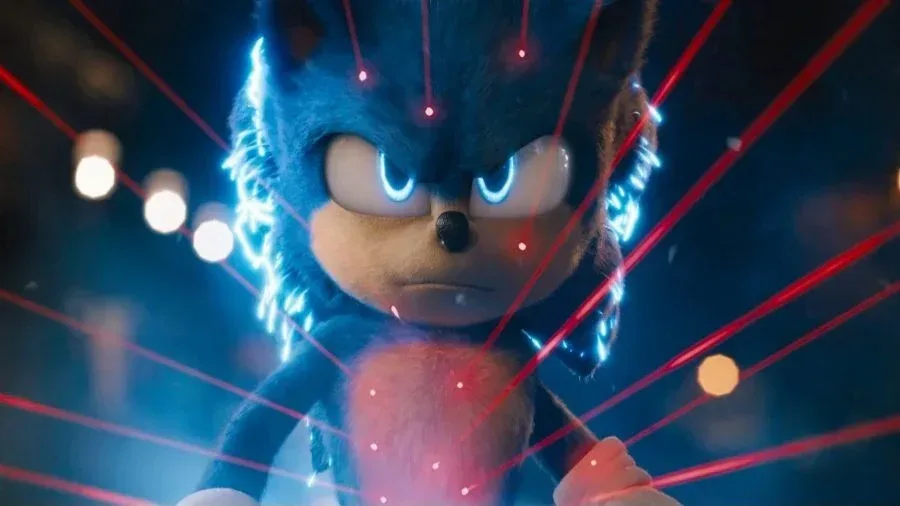
Sonic the Hedgehog's modern revival may have depended on far more than a successful game launch. Takashi Iizuka, the longtime Sonic creative leader, has said Sega was at one point prepared to abandon the franchise entirely during one of its most difficult periods. In his view, the success of the first live-action Sonic the Hedgehog movie in 2020 became a major turning point, restoring confidence in a character whose games had been struggling to find a consistently celebrated direction.
It is an especially striking admission given Sonic's current reach. The blue hedgehog remains a global gaming mascot, a theatrical draw, a merchandising fixture, and the center of continuing plans across animation and games. A fourth movie is planned for 2027, while a new animated series is also headed to Netflix. Yet Iizuka's comments offer a reminder that Sonic's place at Sega was not always secure, even after decades as one of the industry's most recognizable characters.
"The biggest milestone for me was the first movie," Iizuka said in a recent interview, describing the film as a hit that "definitely changed the course" of the franchise. He also recalled being told during the series' worst periods that Sega should cancel Sonic altogether, saying he had to argue internally to preserve it for as long as possible.
A rough stretch for Sonic games
The years leading up to the first film were complicated for the franchise. Sonic still had a devoted audience and enormous name recognition, but the critical and fan conversation around the games could be harsh. Sega had found a notable success in 2017 with Sonic Mania, a 2D project that embraced the speed, level design, and visual identity of the 16-bit era. It was widely welcomed as a convincing return to the style that made Sonic a phenomenon in the 1990s.
For useful background on this topic, read Acemagic K1 Mini PC Drops to $350 for Prime Members.
That positive result did not immediately settle the question of what a modern mainline Sonic game should be. Sonic Forces, also released in 2017, received a far more mixed response. The game's combination of boost-driven stages, classic-style segments, and a player-created avatar gave it plenty of ideas, but it did not persuade everyone that the series had regained a stable creative foundation.
This unevenness had become a familiar pattern. Sonic has often been at his most exciting when Sega experiments with new mechanics, tones, supporting casts, and perspectives. At the same time, that willingness to experiment has produced sharp divisions over what the character's games ought to be. For some players, Sonic works best in tightly designed, replayable stages built around momentum and precision. Others want ambitious 3D adventures, character-driven stories, exploration, or high-speed spectacle. The gap between those expectations has made it difficult for every release to satisfy the same audience.
Iizuka's recollection suggests that the stakes were higher than debates over a single game's review scores. When a major legacy property goes through several uncertain years, internal questions inevitably arise: whether to scale back, pause, reinvent, or move on. Sonic's continued presence was not simply guaranteed by nostalgia.
The movie's unlikely turnaround
The 2020 film arrived after a highly publicized early setback. Its original trailer sparked widespread criticism of Sonic's initial CGI appearance, with many viewers objecting to the character's more human-like proportions and unfamiliar design. The reaction was strong enough that the film's team reworked Sonic's look before release.
That redesign has since become one of the most important moments in Sonic's transmedia history. It demonstrated that the people behind the movie were willing to respond to a passionate fan base, and it helped the final version more closely resemble the expressive, cartoon-styled mascot audiences knew from games, animation, and decades of promotional art.
More importantly, the finished film connected beyond the existing Sonic community. It became a success with fans and broader moviegoing audiences, introducing the character to viewers who may not have followed every twist in the gaming series. Its result was not merely a profitable adaptation; it became evidence that Sonic still had substantial mainstream appeal.
That distinction matters. A successful game can reinforce confidence among players already invested in a franchise. A successful film can expand the conversation much further, putting the character in front of families, casual audiences, and people whose last memory of Sonic may have been a Genesis or Mega Drive cartridge. In that environment, Sonic was no longer being evaluated only through the lens of his most recent game.
The film's reception created momentum that has continued through follow-up projects. With another theatrical entry planned for 2027 and an animated Netflix series on the way, Sega now has a much broader set of ways to keep Sonic's cast visible. Characters such as Tails, Knuckles, Shadow, and Amy are no longer confined to game announcements as the primary route to reach new audiences.
Games remain the foundation
Even with film and television growing around the brand, Iizuka emphasized that video games remain Sonic's core. "The franchise itself is rooted in video games," he said. "We're just going to base everything upon the video games. That's our core principle."
That is a significant position for a series now operating across several forms of entertainment. Sonic's movies can introduce characters and ideas to a vast audience, but the games establish the rules, worlds, and identities that those adaptations draw from. The character's speed, attitude, colorful rivals, elaborate science-fiction threats, and unusual mixture of animal heroes and giant machines all began as game material.
Keeping games at the center also means Sega cannot rely exclusively on movie momentum. Long-term confidence in Sonic still depends on whether the next major releases can provide a clear answer to the question that has followed the series for years: what should a contemporary Sonic game be?
The company has pursued several answers at once. Retro-minded projects and remasters can preserve the series' history for players who want classic pacing and design. Recent releases such as Shadow Generations have shown the appeal of looking back at beloved material while giving it a modern presentation. Meanwhile, smaller projects have explored different formats and audiences. Sonic Dream Team, for example, has brought a lighter spin-off experience to mobile devices, though its Apple Arcade exclusivity has also become a point of frustration for fans who want access on other platforms.
Those disagreements are part of Sonic's current reality. The franchise has a bigger profile than it did during its low point, but that larger audience also brings more expectations. Players want classic Sonic, modern Sonic, experimental Sonic, familiar characters, expansive adventures, polished performance, and broad availability. Not every project can deliver every one of those things.
Why a Frontiers follow-up could be pivotal
The biggest remaining question may concern the direction established by Sonic Frontiers. The game moved Sonic toward a more open-zone structure, placing high-speed traversal, platforming challenges, combat, and exploration across large island environments. Critics were divided on aspects of its design and presentation, but the game was important because it offered a new template rather than another small variation on older formulas.
For a series that has repeatedly struggled to translate its speed into satisfying 3D spaces, that was a meaningful step. Sonic Frontiers did not end the debate over how Sonic should work in three dimensions, but it gave Sega a foundation that could be refined. A future sequel could improve the world design, deepen movement options, make combat more expressive, strengthen stage variety, and better connect the open environments with the focused momentum of traditional Sonic levels.
Four years after Sonic Frontiers, however, Sega has not officially confirmed a sequel. That leaves fans to speculate about whether the company will return directly to the open-zone concept or take another turn. Iizuka's comments make the uncertainty more interesting: Sonic's survival may have been strengthened by the movies, but the next major game still has the opportunity to define how durable the gaming revival will be.
From survival to a broader future
Sonic's current position is a lesson in how quickly the outlook for a legacy character can change. At one stage, internal doubts reportedly threatened the franchise itself. Then a movie that initially faced ridicule over its design became a hit and helped demonstrate the scale of Sonic's lasting cultural appeal.
That does not erase the difficult years or guarantee that every upcoming game will land perfectly. Sonic remains a franchise with an unusually broad history, an audience divided by generations and preferred styles, and a habit of taking creative risks. But it also has something it lacked during its more uncertain period: renewed visibility, a larger entertainment ecosystem, and a clear public reminder that the hedgehog still matters to millions of people.
For Sega, the challenge now is turning that renewed confidence into games that feel as reliable as Sonic's big-screen momentum. The movies may have helped keep the character's future bright, but the next phase of the franchise will still be judged by the controller in players' hands.
Community
Discussion
Start the conversation.
No comments have been posted yet.