

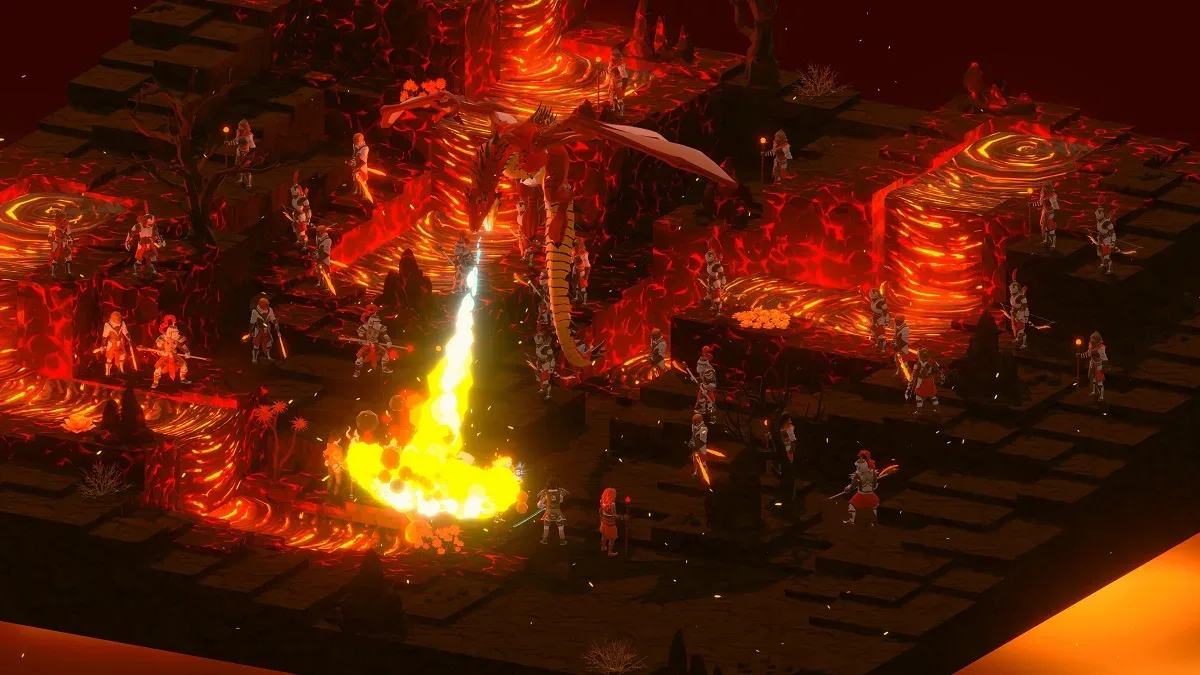
Burst2Flame Games has revealed Stolen Realm 2, a new turn-based RPG and sequel to Stolen Realm. The project is being developed by a team of three, and its announcement outlines an ambitious follow-up built around tactical battles, flexible character creation, online co-op for as many as six players, and a setting that deliberately collides several very different genres.
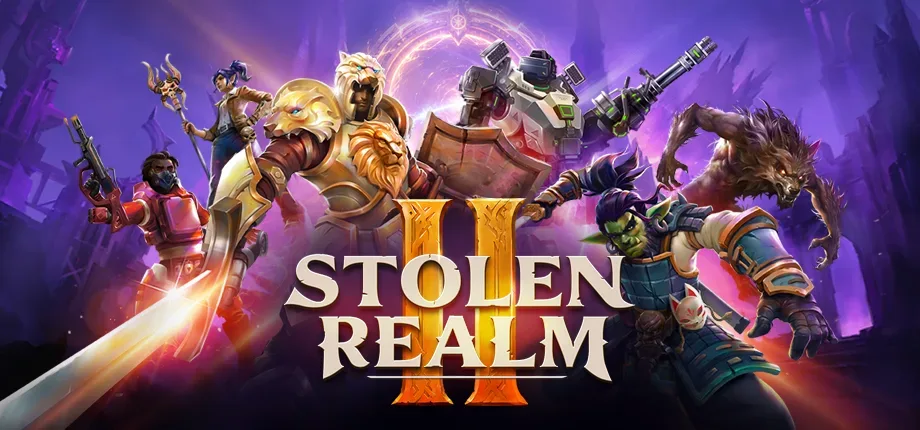
At the center of the sequel's premise are mysterious portals opening throughout the Realm. These rifts are not simply gateways between different regions of a familiar fantasy map. They connect traditional fantasy territory with science-fiction, post-apocalyptic, and stranger worlds beyond the Realm itself. That framing gives the game room to place dragons and werewolves alongside zombies, aliens, and other creatures that would normally belong to entirely separate settings.
The result is a sequel that appears to retain the tabletop-inspired, turn-based RPG focus of its predecessor while greatly widening the kinds of places, enemies, events, and visual ideas it can explore. Rather than treating fantasy as a closed-off world, Stolen Realm 2 is positioned around a multiversal disruption that can send players from familiar medieval-style dangers into radically different environments.
A sequel built around tactical combat and player freedom
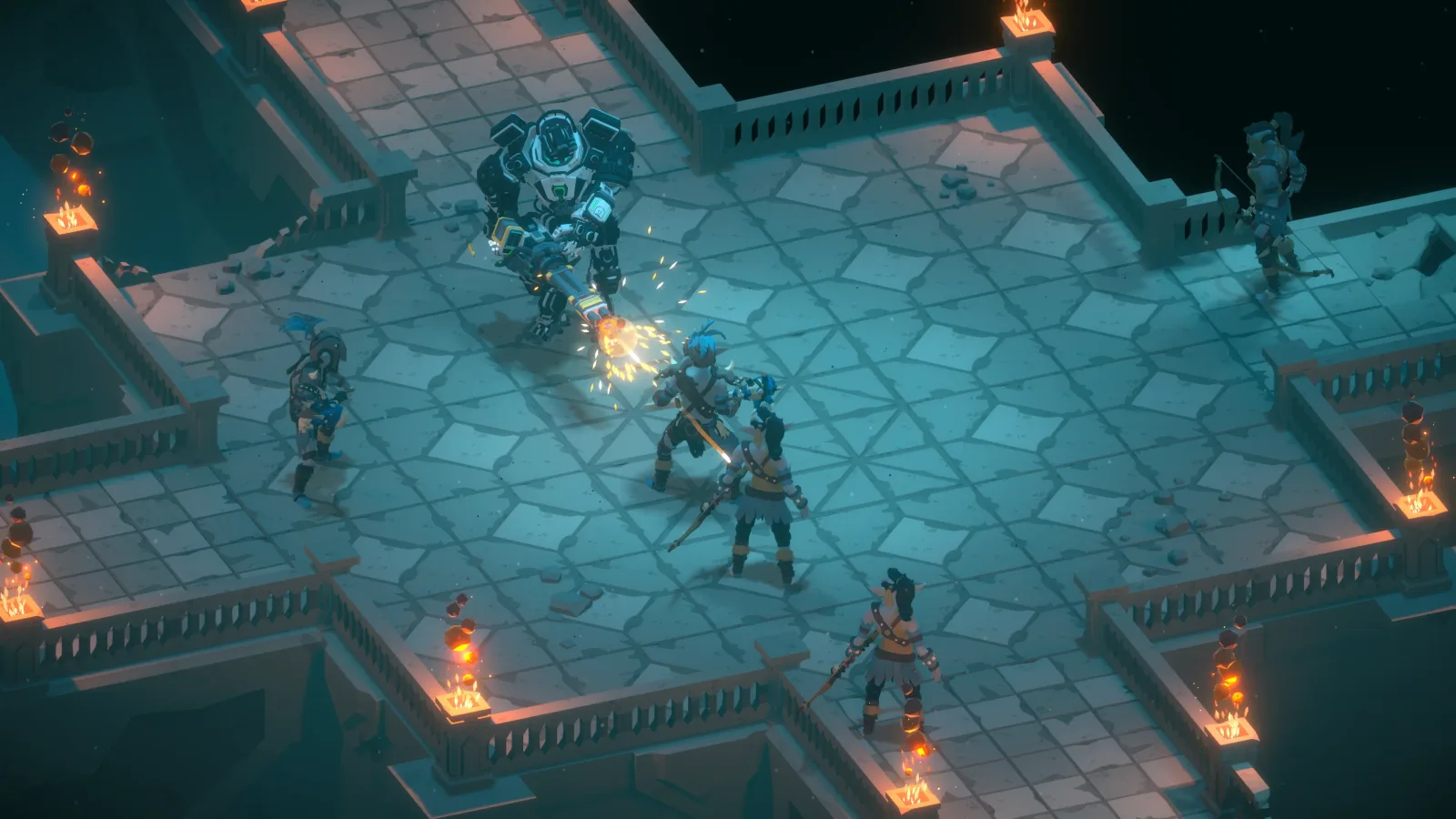
Turn-based combat remains one of the defining pillars of Stolen Realm 2. While specific mechanical changes have not yet been detailed, Burst2Flame Games describes the combat as epic and places it alongside character building as a major part of the game's identity. That means encounters are expected to be driven by deliberate decisions rather than real-time reflexes, with party composition, abilities, equipment, positioning, and tactics likely to matter from one battle to the next.
For useful background on this topic, read Mike Tomlin's 12-Year Minecraft City Is Winning Fans With Its Meticulous Everyday Details.
One of the clearest promises is the return of a classless character-building system. Instead of requiring every hero to remain within a conventional role such as warrior, mage, ranger, or healer, players will be able to pursue combinations that fit the style of character they want to make. The developer is presenting this as a system for near-limitless builds, allowing a group to create specialized adventurers, broad hybrid characters, or more experimental setups.
Classless progression can be especially meaningful in a cooperative RPG. A six-player party has far more room for overlapping roles and unusual combinations than a smaller group, and an unrestricted system gives players opportunities to coordinate around their own ideas instead of filling a predetermined checklist of roles. One player might focus on durability, another on ranged damage, another on support, while others can build around hybrid strategies that do not easily fit classic RPG archetypes.
That freedom also suits the game's cross-genre premise. A world featuring both ancient monsters and alien threats invites a wider range of character concepts than a strictly traditional fantasy adventure. Burst2Flame Games has not listed individual skills, weapon types, or character paths yet, but the stated design goal suggests that build experimentation will remain central to the sequel's long-term appeal.
For another perspective on this story, read Stolen Realm 2 Revealed With Portal-Hopping Fantasy, Sci-Fi and Six-Player Co-Op.
Portals bring fantasy, sci-fi, and apocalypse together
The portal crisis is the narrative device tying Stolen Realm 2 together. Fantasy landscapes remain part of the Realm, but the opening rifts introduce locations and threats from elsewhere. This gives the game a setup in which an adventure could move from a classic wilderness, dungeon, or kingdom into an area shaped by science-fiction imagery or a devastated post-apocalyptic setting.
That mix is more than a backdrop for unusual monster encounters. It has the potential to influence the game's quests, events, tactical situations, and choices. The announcement specifically highlights meaningful quests and decisions, indicating that players will do more than simply clear combat arenas as they travel through the Realm and the worlds connected to it.
Details on how individual choices will affect the story, party, or future missions have not been provided. Still, the emphasis on decisions is important because it suggests that the campaign will aim for more than a linear sequence of battles. The portal concept naturally creates opportunities for players to decide which problems to address, how to respond to factions or survivors, and what consequences may follow when foreign worlds begin bleeding into the Realm.
Stolen Realm 2 is built around a Realm under pressure from portals that connect fantasy lands to science-fiction, post-apocalyptic, and other unusual worlds.
The enemy roster reflects this collision of genres. Dragons and werewolves represent the fantasy side of the adventure, while zombies and aliens bring in the more unexpected elements. The developer also mentions creatures from beyond the Realm, leaving room for threats that may not fit neatly into any one genre. A varied roster could help the game make each portal destination feel distinct, especially if enemy behavior and battlefield challenges change along with the setting.
Campaign structure and a separate roguelike option
Stolen Realm 2 will include both a handcrafted Campaign and an endlessly replayable Roguelike mode. These two approaches should give the game different ways to serve players who want a directed adventure and those who prefer repeated runs driven by experimentation.
The Campaign is described as handcrafted, which points toward authored quests, events, and story decisions rather than a purely randomized framework. It is the mode most closely connected to the portals, the Realm's unfolding crisis, and the game's promise of meaningful choices. For players looking to see the narrative and explore the game's varied worlds in a more structured manner, this is likely to be the primary route.
The Roguelike mode, by contrast, is being framed around replayability. Burst2Flame Games has not explained its exact structure, including what resets between runs or how progression works, so players should not assume specifics beyond the stated goal of repeatable play. Even so, a classless build system and turn-based encounters are a natural fit for a mode where each attempt can encourage new ability combinations, party arrangements, and risk-reward decisions.
Offering both modes is a notable part of the sequel's pitch. Campaign-focused players can pursue a curated RPG experience with quests and consequences, while players who enjoy optimizing tactics may have a space for repeated challenges after or alongside that story-driven content. It also means the game is not being positioned solely as either a narrative RPG or an endlessly procedural dungeon run.
Six-player online co-op is a major part of the plan
Online co-op for up to six players is another defining feature confirmed for Stolen Realm 2. Supporting a party that large could make encounters feel considerably different from the small-team tactics common in many turn-based RPGs. More players can mean more potential combinations, but also more need for cooperation when deciding turns, targeting enemies, managing resources, and responding to unexpected events.
The co-op feature is especially relevant to the game's flexible character building. A group of friends will not be locked into a fixed set of roles, and that could encourage them to create themed teams, overlapping damage-focused parties, support-heavy groups, or unusual hybrids designed around specific tactics. It may also allow individual players to adapt their characters as a group's needs change over the course of a campaign or roguelike run.
There are still practical details to be announced. The reveal does not specify supported platforms, cross-platform functionality, local multiplayer options, matchmaking, drop-in support, or how story choices will be handled in a co-op party. Those are significant questions for a game emphasizing online play, but they remain unanswered for now.
What has and has not been confirmed
The announcement establishes the broad shape of Stolen Realm 2: it is a turn-based RPG with unrestricted character builds, a crafted campaign, a roguelike mode, quests and choices, six-player online co-op, and a portal-connected setting spanning fantasy, science-fiction, and post-apocalyptic ideas.
However, Burst2Flame Games has not announced a release date, price, or platforms in the information currently available. There is also no detailed breakdown of combat systems, character progression, the campaign's length, roguelike rules, or the extent to which decisions alter the game. Players interested in the sequel will need to wait for additional updates before those aspects become clear.
A Kickstarter page is associated with the project, signaling a way for interested players to follow its development. Beyond the initial reveal, the developer has also prepared a press kit containing screenshots, artwork, and overview materials, indicating that further looks at the game's portal-spanning world and party-based combat are likely to follow.
For now, Stolen Realm 2 stands out for the scale of its genre mix and its commitment to player-created builds. Combining dragons, werewolves, zombies, aliens, and worlds beyond the Realm could be a simple novelty in another game. Here, it is the foundation for the entire sequel: a tactical RPG where the borders between settings have broken down, and where players can build a party to face whatever comes through next.
Community
Discussion
Start the conversation.
No comments have been posted yet.