

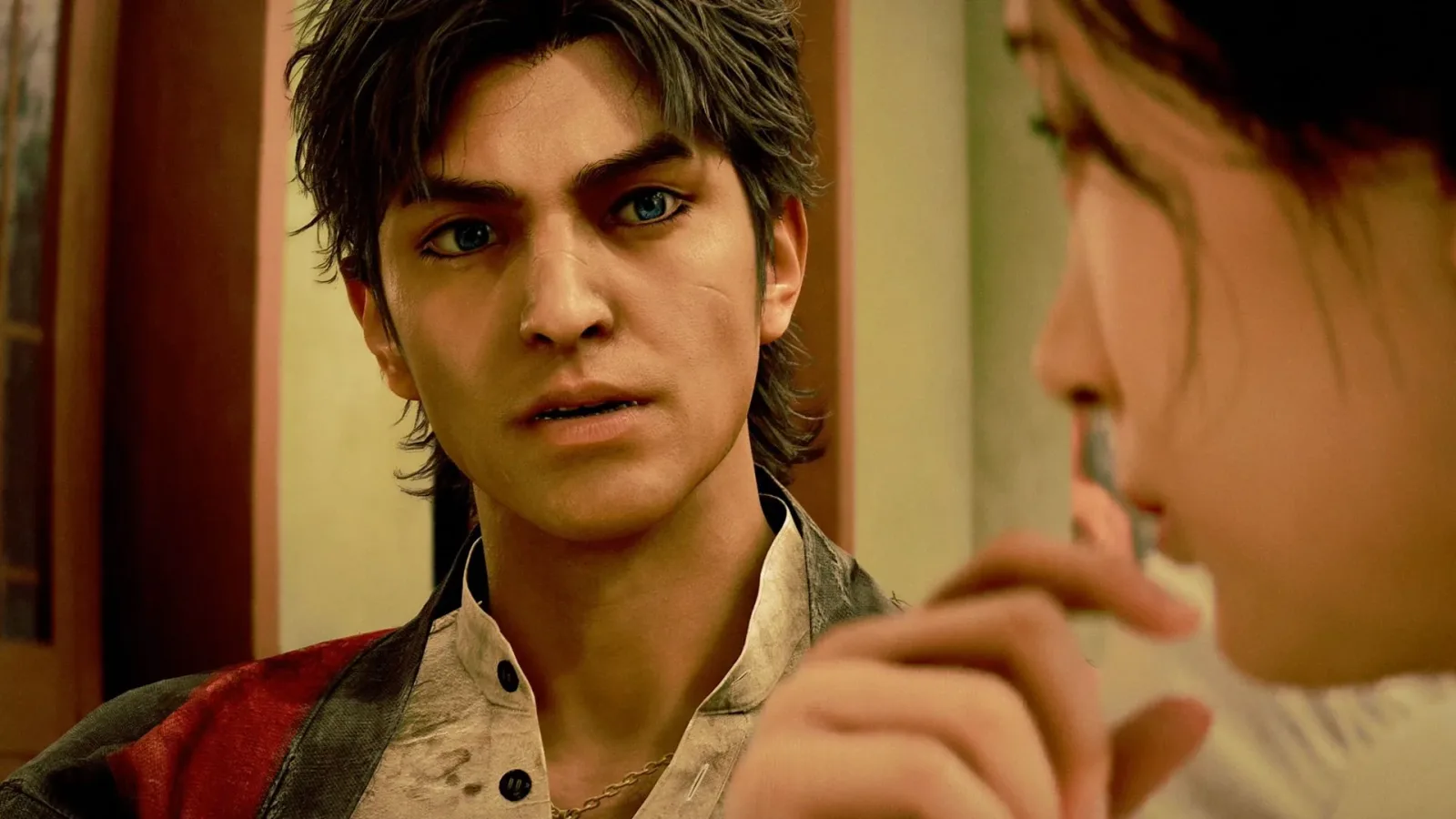
Stranger Than Heaven has a familiar pulse for anyone who has spent time with Ryu Ga Gotoku Studio's games: dense streets filled with distractions, dramatic crime stories, oddball detours, bruising fights, and characters searching for somewhere they belong. Yet the studio's next project is not simply repeating that formula with a different face. A recent hands-on demonstration presents something much broader in scope, tracing protagonist Makoto Daito across multiple periods of his life while using combat, exploration, music, and personal relationships to examine identity in a changing Japan.
Published by Sega and developed by RGG Studio, Stranger Than Heaven is scheduled to launch on January 15, 2027, for PC, PlayStation 5, and Xbox Series X. The game's premise is ambitious even by the developer's standards. Rather than settling into one city and one chapter of a man's life, it moves Daito through decades, showing how age, experience, the places around him, and the people he meets reshape him.
That structure gives the game a different emotional foundation from a conventional crime adventure. Makoto is of mixed American and Japanese heritage, and his struggle to feel accepted by either side is central to his story. The question is not merely whether he can survive dangerous people or win a fight. It is whether he can locate a home, an identity, and connections that feel real.
A fugitive's escape begins an expansive life story
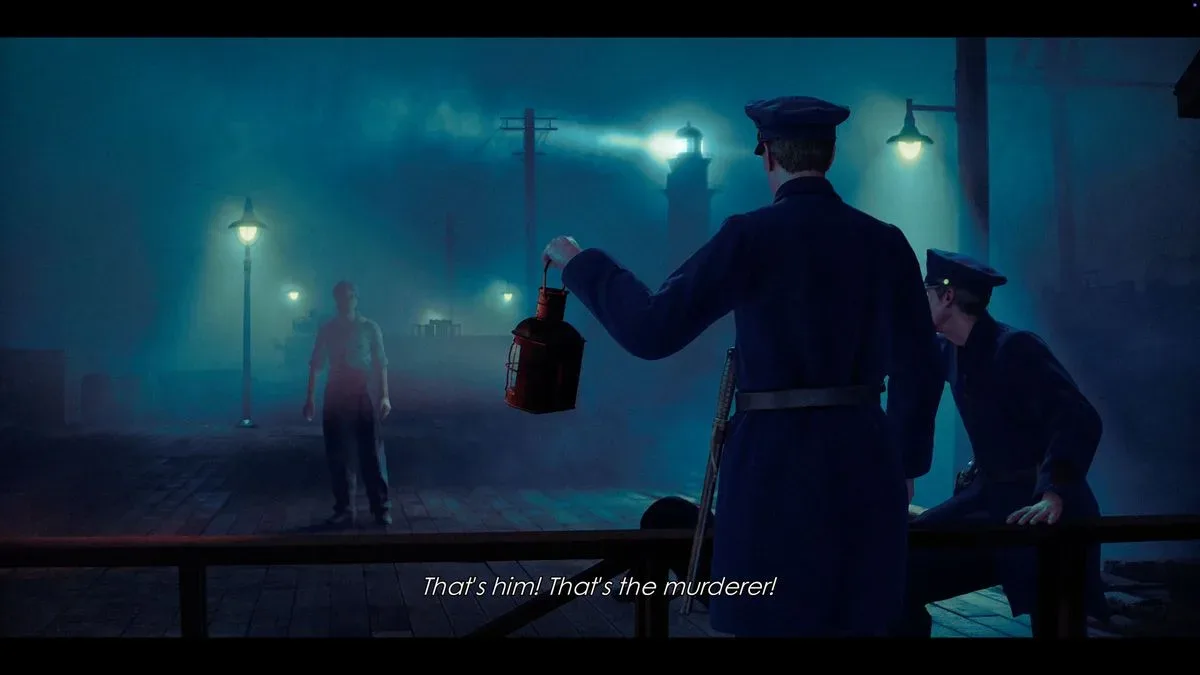
The hands-on opens with Makoto in a desperate position. Dirty, hiding in a blond wig topped with a large pink bow, he emerges from an alley as police officers search nearby. Their pursuit is explicitly tied to a murder accusation, while a ship's foghorn offers the possibility of escape. Makoto makes for the docks, only to find more officers blocking the route to the boat.
For useful background on this topic, read The Main Menu demo Turns a Familiar UI Into a Psychological Horror Escape Room.
That leads into an early brawl with the sea at his back and no clear route forward. Makoto eventually spots an opportunity, breaks free, and dives into the water to chase the departing vessel. It is a stylishly theatrical opening: police silhouettes appear in the reflections of upscale shop windows, a jazz score builds through cramped brick alleys, and a man apparently at the end of his rope makes a reckless bid to leave America behind.
From there, Stranger Than Heaven's story turns toward the larger question of belonging. One early scene has Makoto share a drink with a companion who welcomes him home. The small phrase lands hard for him, since it is presented as the first time he has genuinely felt that he belongs anywhere. RGG Studio has often explored identity through criminal organizations, communities, and chosen families. Here, the focus seems more personal, following one individual's changing relationship with himself as much as his place within any group.
Three eras, three very different versions of Makoto
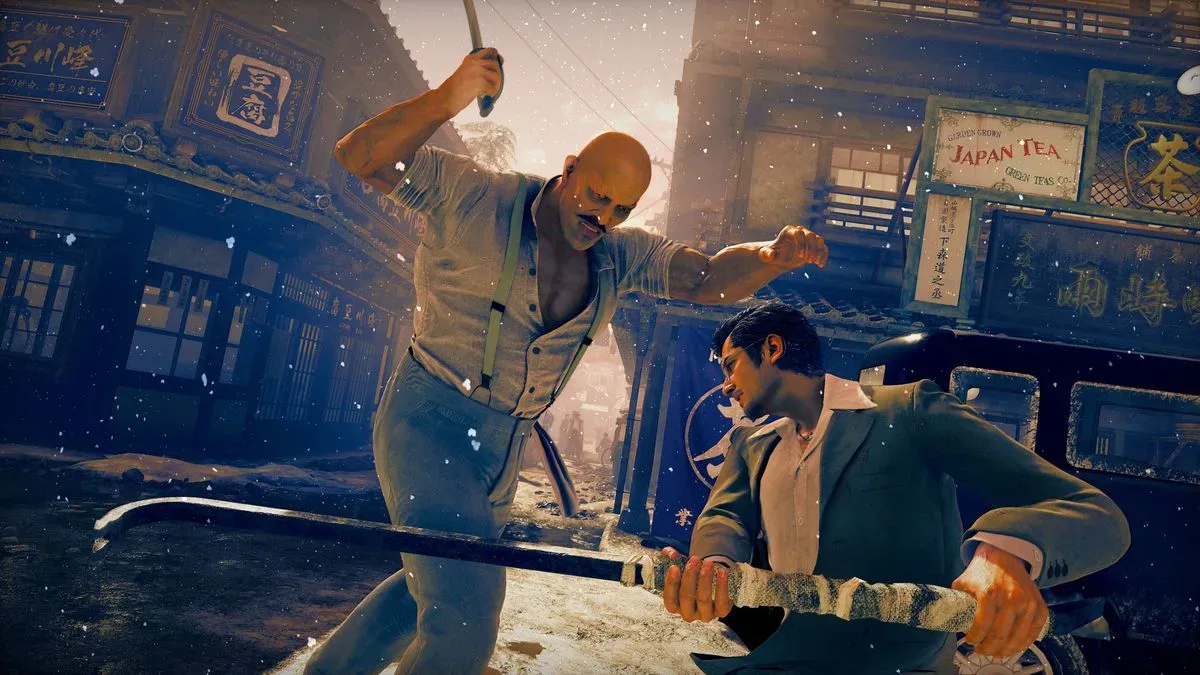
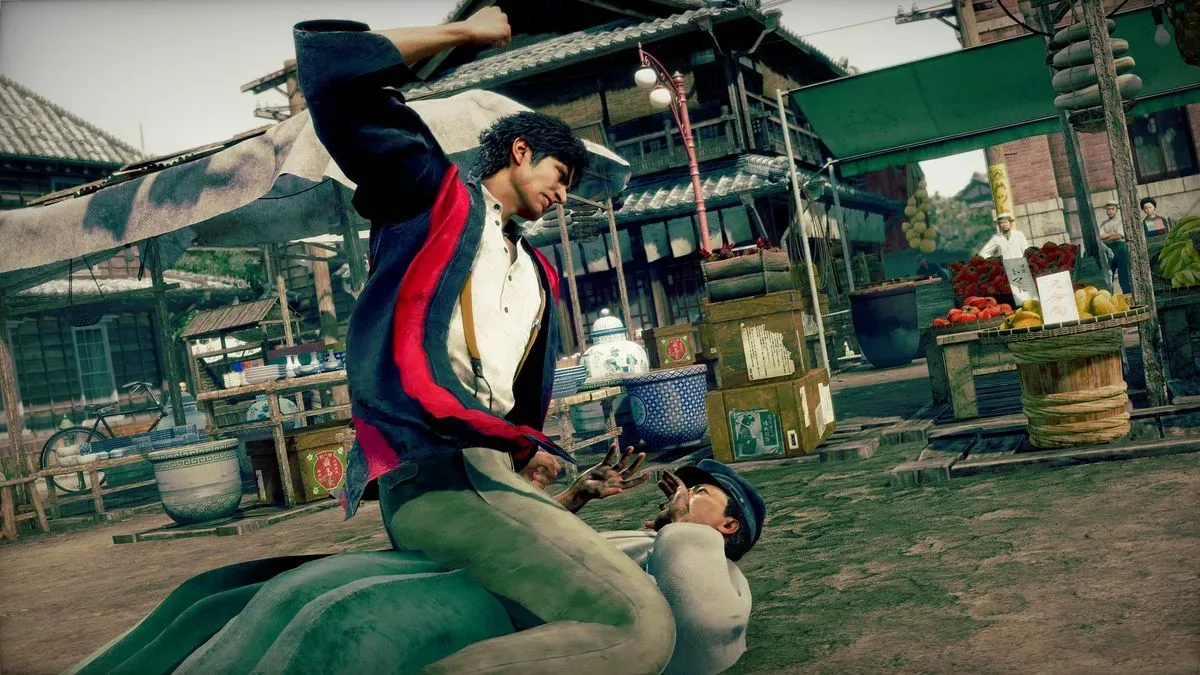
The preview moved through three locations and time periods, each showing a new stage of Daito's life. The first was Kokura on Kyushu in 1915, a castle town that blends larger-scale drama with the close-knit feeling of a village. Dirt roads are lined with shops, including an apothecary where Makoto can buy medicine. Everyday interactions appear to matter as much as dramatic missions: he can drink from a public water faucet to sober up after too much alcohol, browse around town, and of course find reasons to start fights.
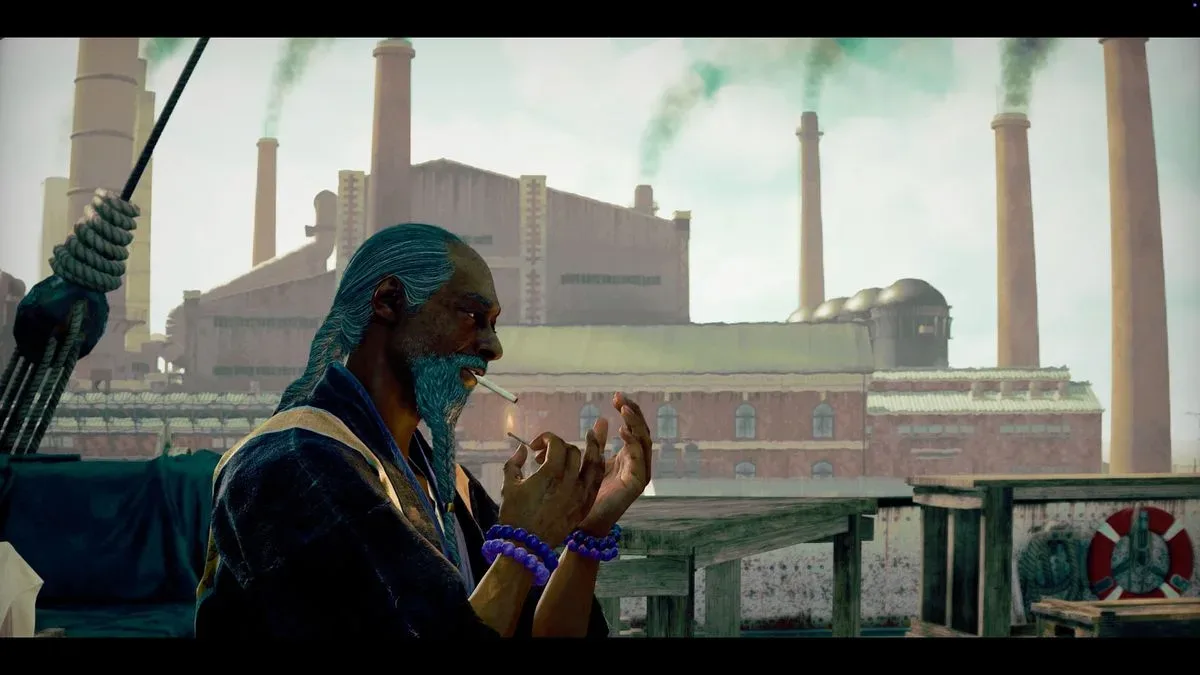
The main action in this portion involves a warehouse raid to rescue a kidnapped love interest. But RGG Studio's signature willingness to puncture seriousness with comedy remains intact. Makoto's mentor, the international smuggler Orpheus, is played by Snoop Dogg and offers an unexpected cigarette-rolling lesson. The activity is not just a gag; it teaches the player to create an item that raises both attack and defense.
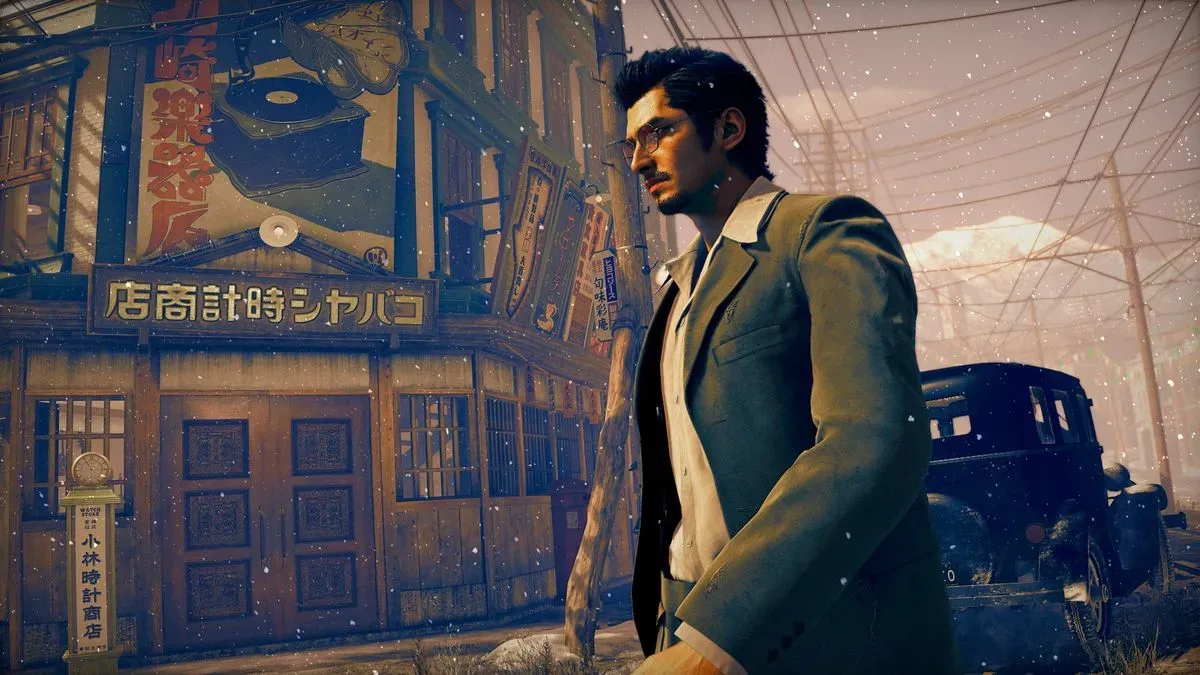
By 1929, the story has reached Kure, Hiroshima. Makoto is older, more secure in his routine, and noticeably more confident. One playful traversal moment lets him grab onto the side of a trolleycar and ride it along the street. The city is busy in daylight, with people eating outdoors, older residents playing Menko near the river, and local toughs ready to throw punches.
Underground fighting is a major attraction in Kure. These bouts pit Makoto against a rotating selection of demanding opponents and include special restrictions, such as winning without weapons. The rewards may be pocket change and bragging rights, but these fights also seem designed to push players toward a deeper understanding of the combat system.
The next featured leap is to Minami, Osaka in 1943. Neon lights color the streets, and Makoto's connection to live entertainment and show business becomes much more significant. This is where Stranger Than Heaven begins to reveal an unexpectedly robust system built around sound, songwriting, performance, and commercial success.
Combat is built around individual limbs and growing mastery
Stranger Than Heaven is not using the standard button layout expected from a typical brawler. Punches are assigned across the shoulder buttons, allowing the left and right bumpers to control their corresponding fists. The triggers operate Makoto's kicks. Grabs, parries, and other advanced moves are layered into that arrangement.
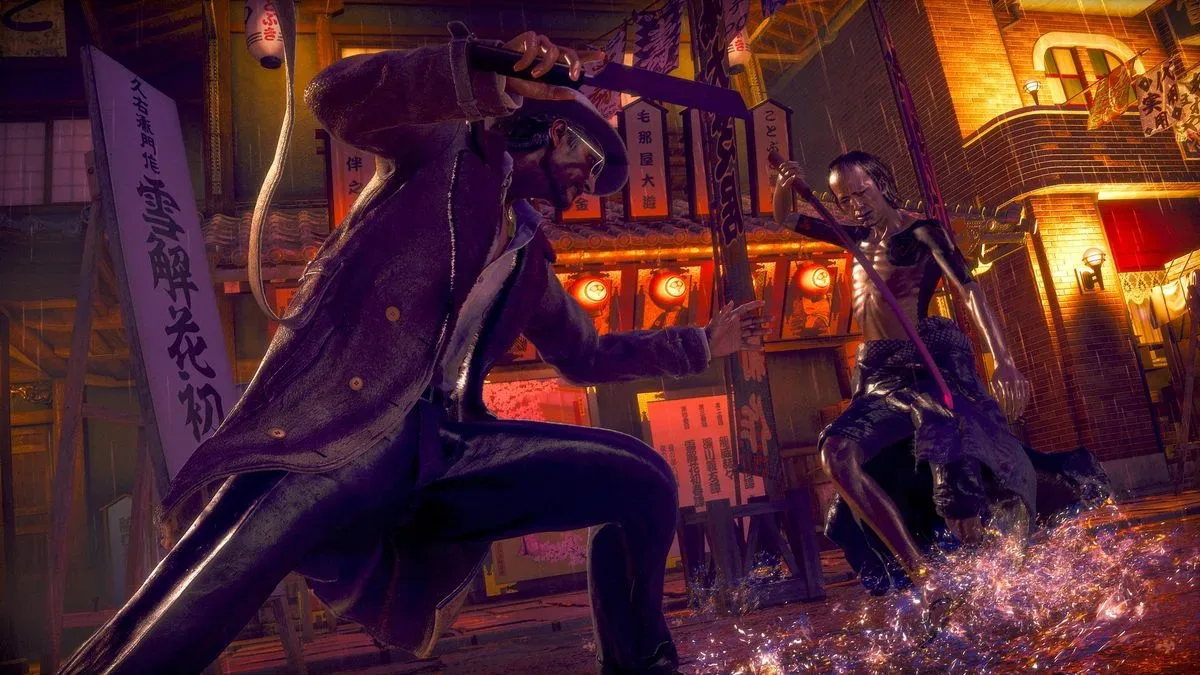
The result is said to feel closer to a fighting game than a traditional beat 'em up. Instead of treating a crowd encounter as a simple chain of light and heavy attacks, players must adapt to the direction and rhythm of an opponent's offense. This is especially clear in a duel against a dangerous katana-wielding samurai encountered by a river.
Players are warned that the swordsman is not somebody to challenge too early, but the confrontation demonstrates the system's potential. Makoto has to parry lengthy attack strings, change his guard to handle strikes from different directions, wait for a stagger, then capitalize with grabs and forceful throws. When he is knocked down, a last-second roll avoids a descending slash. The encounter is framed less like mindless crowd clearing and more like a fluid, improvised action sequence.
Director Mikinobu Abe has explained that weapon use is tied to Makoto's long-term growth. Continually using a particular tool causes Daito to learn abilities linked to that weapon, unlocking new moves and combos over time. A player who chooses to favor a knife through the decades of Makoto's life can expect him to become notably more skilled with it. That makes character progression feel thematically appropriate: Daito is not only acquiring abstract upgrades, but developing habits and expertise based on the life players guide him through.
Music is both a business and a bridge between people
The 1943 Osaka segment introduces perhaps the game's most distinctive system. As Makoto explores, colorful prompts appear when he encounters sounds worth remembering. A tune on a shop radio, the rattle of dice in a cup, and even moments during combat can provide inspiration. By focusing on those prompts, Makoto collects material for later musical creation.
Back at his base, he can work with pianist Takashi at an upright piano to compose songs. Music is adjustable by mood, and altering a backing from calm to more intense changes its character and the response it receives in performance. The process does not end with composition. Makoto can also set ticket prices, recruit musicians and singers, choose stage lighting, and customize attire in pursuit of a profitable show.
There are echoes of the management minigames RGG Studio fans may recognize, but this undertaking appears much more involved than a quick side diversion. Music affects Makoto's progress and gives him another way to understand the world. Abe has emphasized that Makoto comes to recognize music as something capable of crossing racial and language barriers. For a protagonist caught between identities, that discovery has obvious weight. Music is a source of income, certainly, but it is also a form of communication when ordinary labels and expectations fail him.
A new direction that still carries RGG Studio's strengths
Even from a relatively limited look, Stranger Than Heaven appears to retain the studio's talent for packing a city with memorable details. The player can stock up at an apothecary, drink away intoxication, cling to public transport, take on street challengers, enter fight clubs, and spend time refining a theatrical production. These diversions sit alongside a dramatic story of murder accusations, romance, cultural uncertainty, mentors, and reinvention.
The key difference is the span of time. Seeing Makoto in 1915, 1929, and 1943 gives each familiar RGG-style activity a larger purpose. A move learned in one era, a weapon favored for years, or an artistic interest pursued in adulthood can contribute to the sense of a life being built piece by piece. The cities change, Makoto changes with them, and the player's choices in combat and music help define what kind of man he becomes.
There is still much to learn about Stranger Than Heaven's full narrative, its later eras, and the limits of its progression systems. But its early showing suggests an action RPG with a striking balance of historical atmosphere, technical combat, eccentric humor, and deeply human stakes. Makoto Daito's search for home may begin with a leap into the ocean, but it looks set to carry him through an unusually expansive and personal journey.
Community
Discussion
Start the conversation.
No comments have been posted yet.