

Takaya Imamura, the longtime Nintendo artist and designer whose work helped define characters and worlds across Star Fox, The Legend of Zelda, and F-Zero, has prompted a sharp reaction from fans after revealing that he is experimenting with artificial intelligence in a game-development prototype.
Imamura discussed the test publicly, describing AI as a tool he has been using while exploring how to build a game despite not being a programmer. His comments presented the technology as something he finds strikingly capable: a way to exchange ideas, develop concepts, and potentially bridge the technical gap between an individual creator's plans and a functional game.
That enthusiasm has also drawn criticism, particularly because Imamura is celebrated as an artist. Fans have raised the ethical problems surrounding generative AI, including the concern that many models have been trained on creative work without permission and can undermine artists whose labor is used to produce the material those systems imitate.
The conversation is bigger than one prototype or one veteran developer. It reflects an increasingly visible divide in games: some creators see AI tools as an inevitable part of production, while many players and developers remain skeptical of how those tools are built, where they are deployed, and whether their apparent convenience is worth the cost.
For useful background on this topic, read Level-5 CEO Apologizes for Generative AI Use in Professor Layton and Yo-kai Watch Showcase.
An artist testing a technical shortcut
In his post, Imamura said he was trying out game development with AI. Through machine translation, he compared brainstorming with the system to earlier periods of collaborating with programmers to create game titles. The comparison points to the central appeal he sees in these tools: they can respond to a creator's direction and help convert an idea into something more concrete.
When challenged over the ethical issues tied to generative AI, Imamura did not dismiss the criticism. He said that he understood the point being made. At the same time, he argued that AI is difficult to ignore in his line of work and said his current use was experimental.
Imamura also emphasized his lack of programming experience. For him, the most remarkable part of the test appears to be AI's ability to help cover that missing skill set and assist with making an idea playable. That is a compelling promise for independent creators and artists who have long had to either learn highly technical disciplines themselves or find collaborators with those abilities.
Game creation is demanding even before questions of art, design, and polish enter the picture. A small prototype can require code, interface work, asset implementation, bug fixing, testing, and iteration. Tools that reduce some of those barriers naturally attract attention. For a designer with decades of creative experience but no stated programming background, the prospect of rapidly testing an idea can be especially appealing.
But critics argue that the convenience of such a workflow does not settle the ethical question. A tool can be useful to an individual while still being controversial because of the data used to build it, its impact on creative jobs, or the way it could normalize replacing commissioned work with generated approximations.
Why the response has been so intense
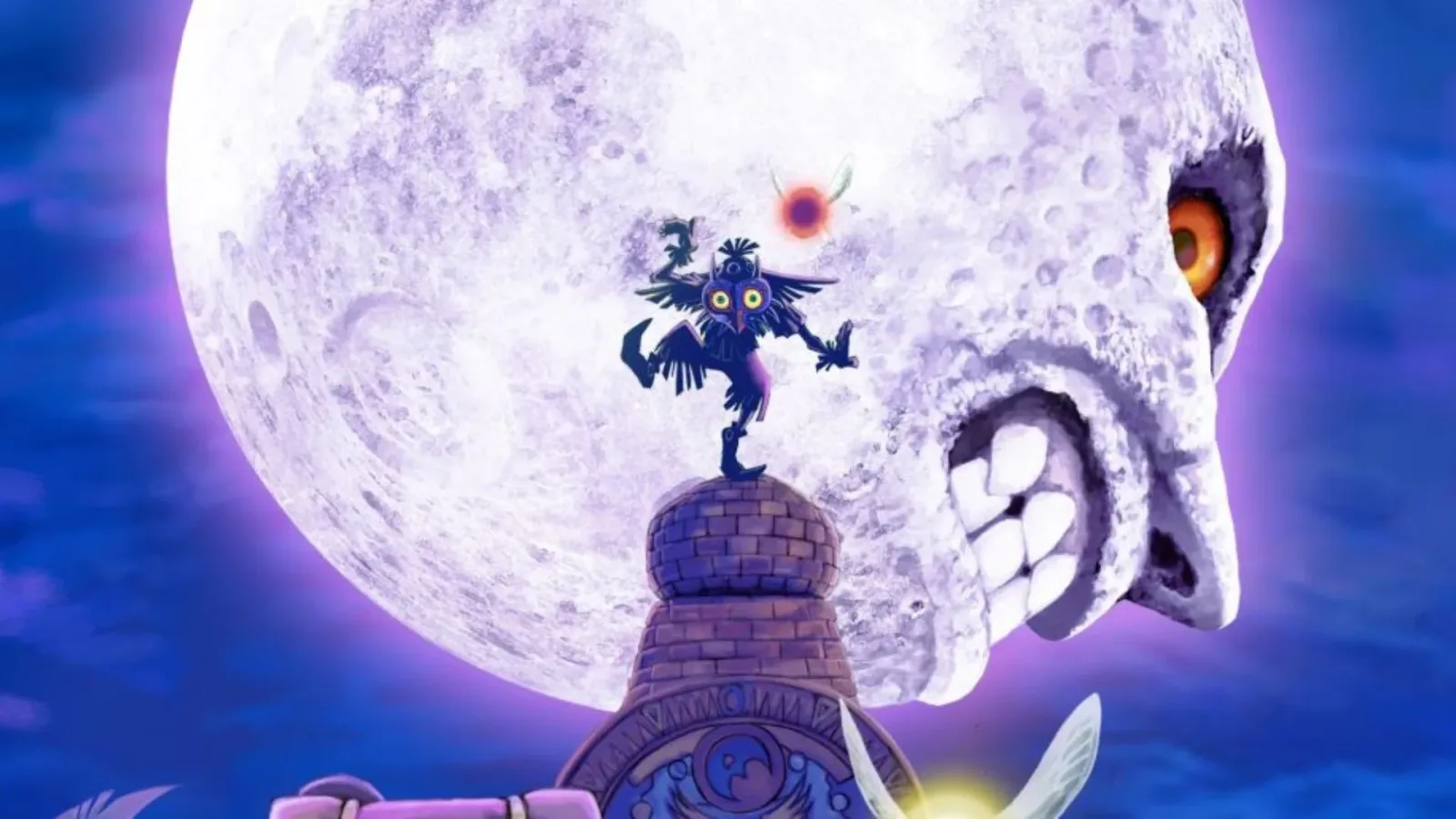
The backlash is inseparable from Imamura's history. He is not simply another developer talking about a new production tool. His career includes some of Nintendo's most distinctive visual creations, with character designs such as Tingle, Fox McCloud, and Captain Falcon among the work associated with him. He also served as art director on The Legend of Zelda: Majora's Mask.
Those credits carry enormous weight for Nintendo fans because the games and characters are remembered for their deliberate visual identities. Majora's Mask, in particular, remains renowned for its unsettling imagery, expressive character work, and unusual atmosphere. The designs behind its masks, inhabitants, and world communicate ideas that are difficult to reduce to simple technical output.
That history explains why some fans view Imamura's AI experiment as especially disappointing. Their objection is not merely that a prominent figure is trying a new technology. It is that an artist whose work demonstrates the value of individual perspective, collaboration, and handmade creative choices appears interested in tools that critics believe are built by extracting from other artists' work.
For those critics, this is also a question of where AI is being used. A creator might describe a system as a coding assistant, a brainstorming partner, or a prototype-building aid, but broad labels can conceal major differences in practice. Generative text, image, audio, and code tools raise overlapping but not identical concerns. Without details on what systems were used in Imamura's test and how they were used, there are limits to what can be concluded about the prototype itself.
Still, the underlying concern remains clear: artists want creative technology to support people rather than train on their work without consent or make their roles seem disposable. That concern is amplified when discussions focus on art, concepts, visual assets, or other areas where creators expect human authorship and intentionality to matter.
Players have pushed back on generative AI
Recent reactions across the games industry suggest that audiences are paying close attention to generative AI, even when it appears in relatively limited ways. Players have responded negatively to suspected or identified AI-generated materials in games, and developers have sometimes moved quickly after such material was spotted.
Over the summer, generative AI became a flashpoint around games including Crazy Taxi: World Tour and Tomb Raider: Legacy of Atlantis. Elsewhere, Clair Obscur: Expedition 33 and Crimson Desert removed AI-related assets after players identified them. These incidents demonstrate that a game does not need to be marketed primarily around AI for the subject to become a major part of its public reception.
For players, a small generated image, placeholder, poster, or piece of flavor text can still change how they view a project. Some see it as evidence of corner-cutting. Others question whether the presence of AI-generated content is isolated or a sign of wider use behind the scenes. Developers may regard certain assets as temporary or minor, but audiences can reasonably argue that these supposedly minor areas are opportunities for artists to bring personality and world-building to a game.
Mewgenics co-developer Tyler Glaiel made that point while discussing the use of AI for smaller artistic elements such as poster art seen in Clair Obscur: Expedition 33. The argument is straightforward: the places treated as low-priority are often precisely where a team can make a world feel specific, human, and memorable.
That perspective matters because video games are assembled from countless details. A poster on a wall, an odd sign, a background illustration, or a menu graphic may not be the centerpiece of a trailer, yet these elements give players a sense that someone considered the world beyond its essential mechanics. Replacing them with generated material can leave audiences feeling that a game has lost part of its authorship.
The industry's unresolved AI divide
AI use is becoming more widespread across technology and creative industries, but that does not mean there is a consensus within game development. Pocketpair publishing manager John Buckley has argued that gamers do not want generative AI in games, a blunt assessment that aligns with the backlash seen whenever players believe a finished release is relying on it.
The disagreement is not necessarily over whether machine-assisted tools will exist. Developers already work with sophisticated software for animation, audio cleanup, asset pipelines, testing, and other tasks. The more difficult question is what should count as acceptable assistance, who has consented to the training data, whether the work is transparent, and whether a tool helps workers or replaces them.
For a solo designer or small team, the appeal of faster prototyping is obvious. A person with a strong design concept could potentially test interactions and game loops without first mastering every programming discipline. Used responsibly, some will argue that this could widen access to game creation. Yet critics stress that accessibility for one creator should not require taking value from countless uncredited creators whose work may have been absorbed into a model's training set.
There is also a distinction between a private experiment and a commercial release. Imamura characterized his current work as a test, not an announced product with a release plan. No details have been provided about the prototype's eventual future, its target platforms, or whether it will ever be made public. Nonetheless, public experimentation by prominent creators can influence how the technology is perceived, which is why fans are responding so strongly now rather than waiting for a finished game.
Imamura's experiment remains a conversation, not a launch
At present, the most concrete takeaway is that Imamura is exploring AI-assisted development because he is intrigued by its ability to help realize ideas without conventional programming expertise. He has also said he understands the ethical objections raised by critics. Those two positions do not resolve the conflict; they define it.
His supporters may see an experienced designer investigating a potentially useful prototyping tool. His detractors see a celebrated artist lending legitimacy to technology that they believe threatens the conditions artists need to work and be paid fairly. Both reactions stem from the same reality: AI has moved from an abstract industry talking point into practical creative workflows.
For Nintendo fans, the discussion carries added emotional force because Imamura's legacy is connected to characters and settings with unmistakable identity. The debate around his prototype is therefore unlikely to fade into a routine argument about software. It is a debate about authorship, artistic labor, and whether the next generation of game-making tools can deliver genuine assistance without compromising the people whose creativity makes games worth remembering.
Community
Discussion
Start the conversation.
No comments have been posted yet.