

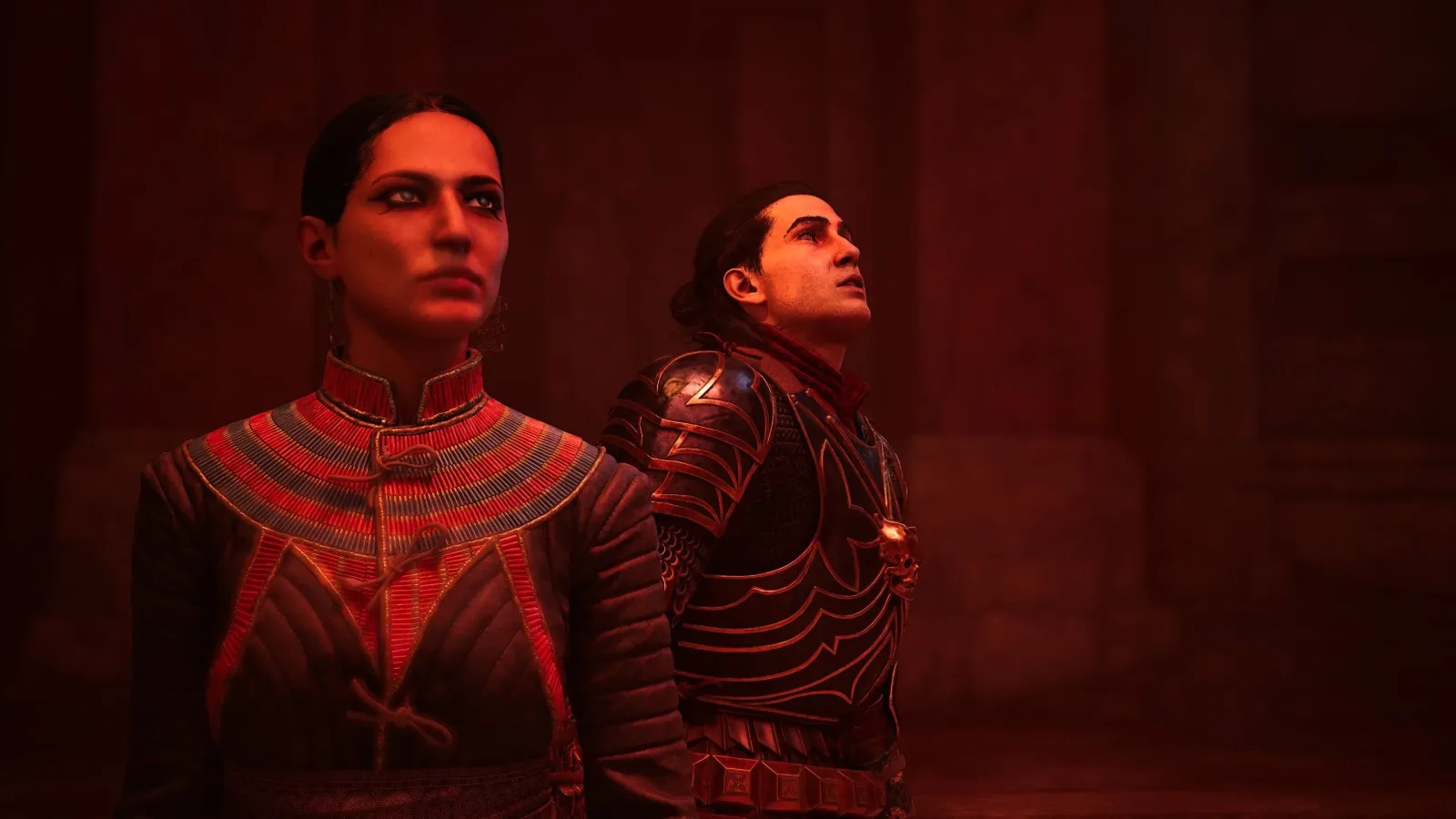
The Blood of Dawnwalker appears designed to leave players wanting more. Its central story gives Coen a complete enough first adventure to reach the credits, but the ending also opens up a wider world of Dawnwalkers, vrakhiri, ancient history, and deeply personal consequences. That is exactly the kind of finale that can make a potential sequel exciting--and frustrating--because so many of its most interesting ideas are left deliberately unresolved.
Rebel Wolves has described Dawnwalker as a possible saga, and the game's conclusion certainly leaves room for one. Coen's battle against Brencis may be over, but his family's problems have not disappeared. Meanwhile, decisions made during the finale can leave a collection of powerful vampires living inside his mind, and an enigmatic new faction arrives with information that changes the apparent stakes of Lunka's fate.
There is also the matter of the series' modern-day flash-forward, which suggests that Coen's story may eventually stretch far beyond the immediate aftermath of Greifberg Castle. If another game follows, it has a rich set of threads to pick up. These are the six biggest questions that deserve answers.
1. What are the Arbiters, and why is Lacra connected to them?
The final stretch of The Blood of Dawnwalker delivers several painful revelations for Coen. His family survives the immediate crisis, but Lunka is left as a feral half-vampire, a cruel final act attributed to Brencis. Even after the player has defeated or forgiven him, the damage he caused continues to define the family's future.
For useful background on this topic, read Directive 8020 Online Co-Op Set to Arrive in October.
Anca provides a potion that may offer help, though its effectiveness is uncertain. Before that question can settle, however, another complication arrives. One of Coen's possible romantic interests appears while being pursued by a hooded figure. The stranger identifies himself as an Arbiter: another Dawnwalker acting for the Council of Augurs.
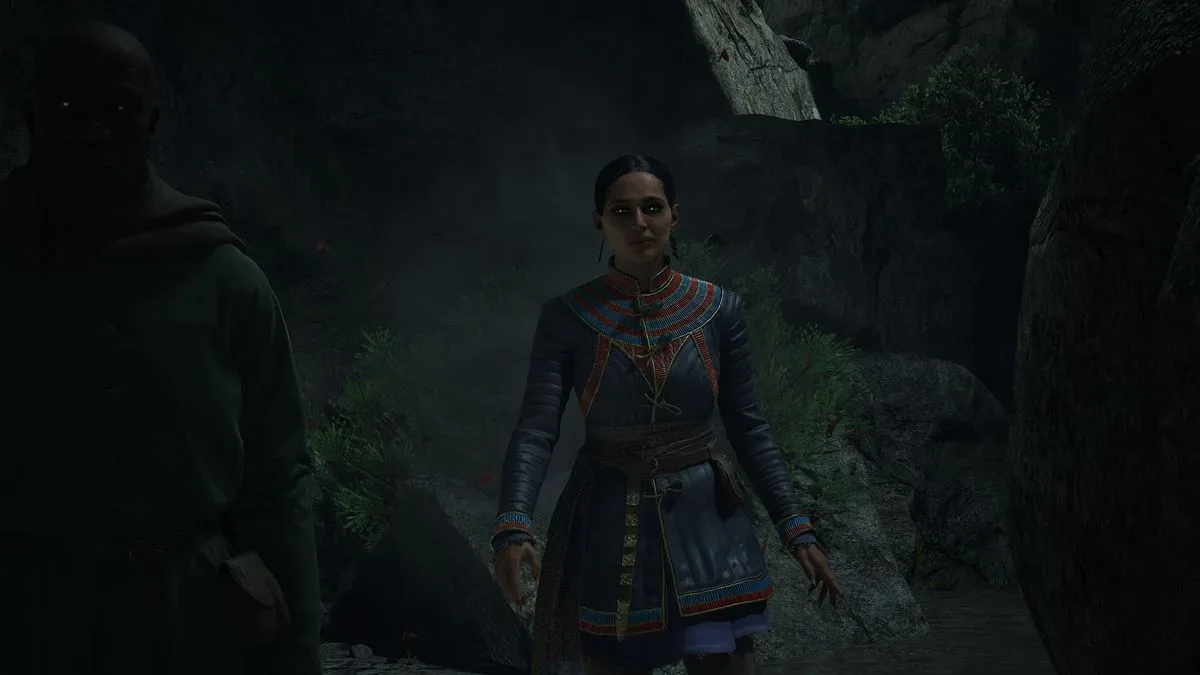
His message is dramatic. Lunka's only true cure, he claims, is to turn her into a full vrakhir. He also wants Coen to accompany him, though the destination and purpose remain unclear. The scene additionally implies that Lacra has ties to the Council of Augurs, raising obvious questions about how much she knows and where her loyalties truly lie.
It is not entirely clear whether every playthrough reaches this specific sequence, as the ending may be influenced by whether Coen assaults the castle with Lacra, with Crake, or alone. But that uncertainty only makes the branching aftermath more intriguing. A follow-up would need to establish the nature of the Arbiters, the Council's goals, and why a group with access to crucial knowledge about Dawnwalkers has taken an interest in Coen and Lunka.
2. What really happened to Esme?
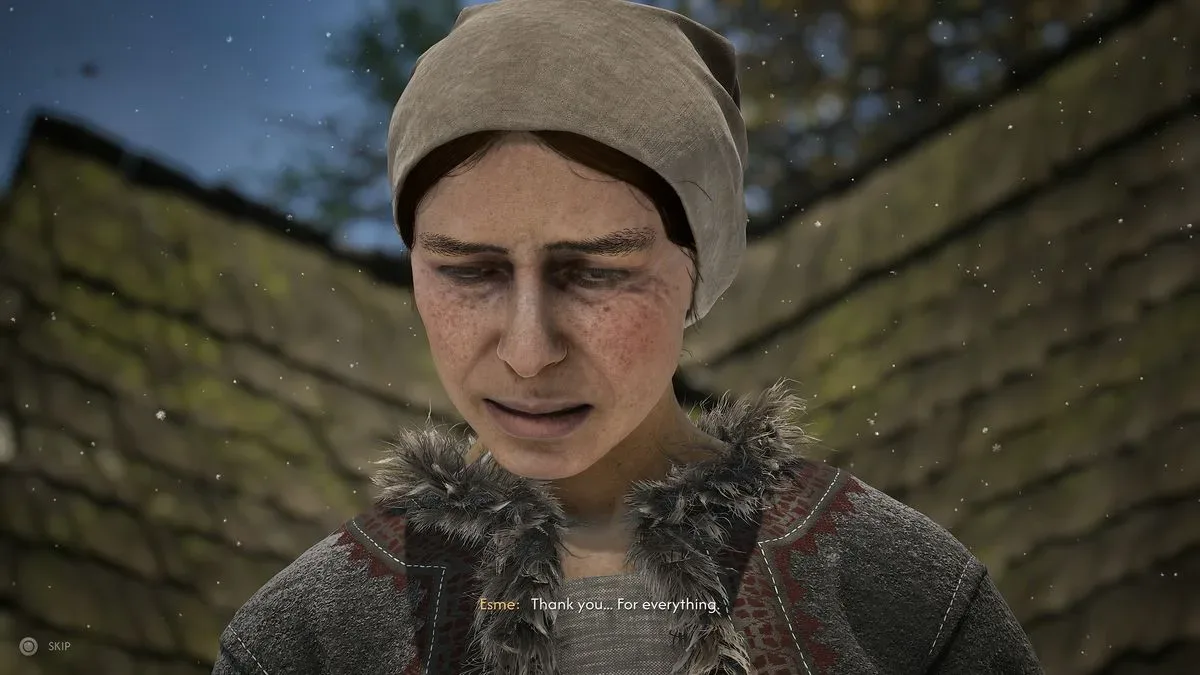
Coen's mother, Esme, is one of the game's most emotionally significant absences. Players know she endured a traumatic event before the main story and subsequently experienced a break from reality. The outline of her suffering is visible, but the full picture is not.
The death of Coen's younger brother Alin clearly casts a shadow over the family. Pieter's history as a travelling mercenary also appears relevant. Yet neither detail feels sufficient to explain everything surrounding Esme, leaving the impression that the Laslea family has deeper buried history still waiting to be uncovered.
A sequel does not necessarily need to bring Esme and Pieter back as major active characters. Coen's story can move forward while allowing some figures to remain distant. Still, the family's past matters because it has consistently helped explain Coen himself: his fears, loyalties, anger, and determination to protect Lunka.
The strongest family-focused quests in the first game demonstrate how much narrative weight can be drawn from that history. Even an especially unpleasant mission can become memorable when it reveals something meaningful about Coen's upbringing and losses. With Lunka now facing an extraordinary transformation, learning more about the family she comes from could become even more important. Her condition is not simply a plot device; it is a reason for Coen to seek answers that may have been hidden long before Brencis entered their lives.
3. Whose blood is the title talking about?
The name The Blood of Dawnwalker has prompted an understandable question: why is it not called The Blood of the Dawnwalker? Coen is a Dawnwalker, after all, and his unusual state is the foundation of the game's abilities and identity. The wording implies that there may be a larger concept, lineage, or individual behind the title.
One quest offers a potential clue. During The Monk and the Saint, Coen ventures beneath Svartrau Cathedral in search of the Sword of St. Mihai. The saint was himself a Dawnwalker, and after Coen battles his decayed remains, St. Mihai offers pointed words that expand the sense of history around the condition.
The encounter confirms that Coen is not the first Dawnwalker. These beings have existed before, even if they are rare. That immediately makes the title more interesting. Perhaps there was once an original figure known as the Dawnwalker, someone whose blood or legacy shaped those who followed. Or perhaps the phrasing refers to something more symbolic: a shared inheritance, a ritual, or a force within the world that has not yet been explained.
There are complications. Dawnwalkers are not immortal in the way full vrakhiri are, although they age more slowly than ordinary mortals. If an ancient first Dawnwalker existed, surviving into Coen's era would seem unlikely. Unless, of course, the figure in question found another way to endure. St. Mihai could theoretically be connected to that mystery, though defeating him may have closed off one route to finding out.
A continuation should dig into the origins of Dawnwalkers, the limits of their powers, and their place in vampire society. Coen's transformation is too important to remain a largely isolated phenomenon.
4. Can a sequel replace the pressure of the 30-day timer?
The 30-day timer is among the most distinctive features of The Blood of Dawnwalker. Time advances toward Brencis' coronation, giving Coen a hard deadline to save his family before they face a grim fate. That structure creates urgency and forces the player to think about choices, routes, and priorities in a way many open-ended RPGs do not.
It is also understandably divisive. Some players will enjoy the pressure and the sense that time has value; others may find it restrictive. Rebel Wolves has indicated that a 30-day system would not automatically have to return in a future entry. That makes sense. A sequel would need a story reason for putting Coen under such a strict clock, and forcing the same device into an unrelated crisis could make it feel artificial.
Still, abandoning the timer entirely would mean losing a defining source of tension. The first game turns time into a resource and makes the countdown part of its personality. If a second game moves away from that approach, it should find an equally compelling mechanism to create friction. That could mean consequences tied to competing commitments, an unstable condition affecting Coen or Lunka, political shifts that respond to player actions, or another system that makes exploration feel consequential rather than limitless.
The key is not necessarily repeating 30 days. It is preserving the feeling that Coen cannot solve every problem without sacrifice.
5. How long can Brencis and the other vrakhiri remain in Coen's mind?
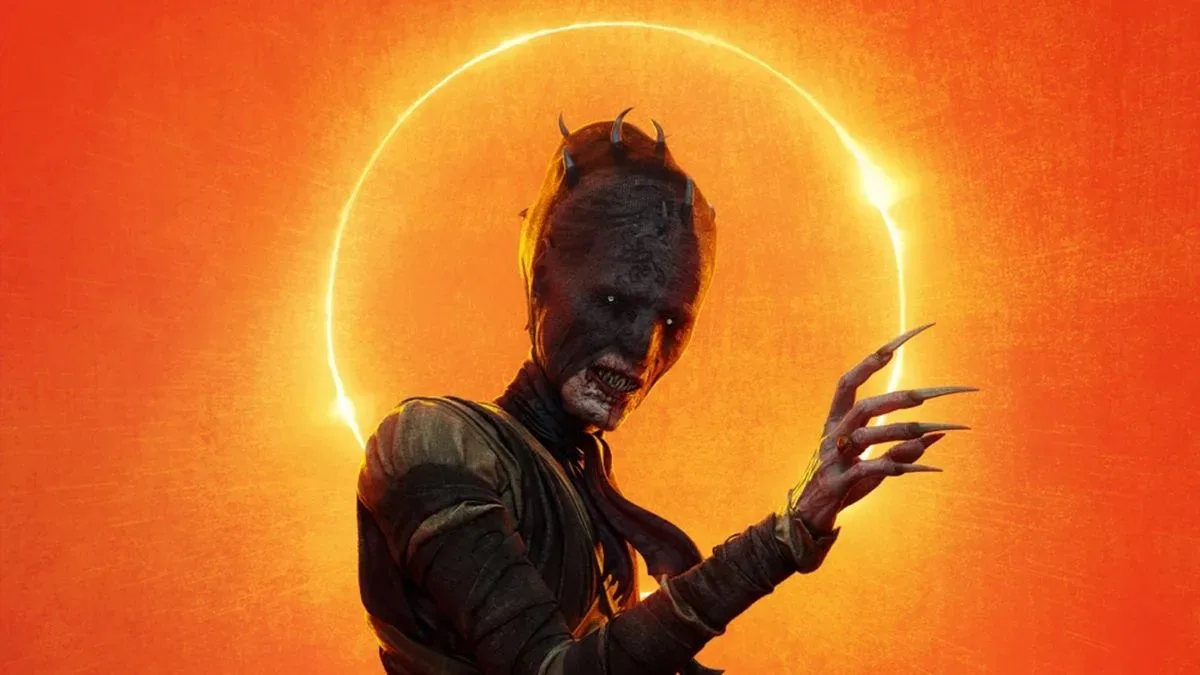
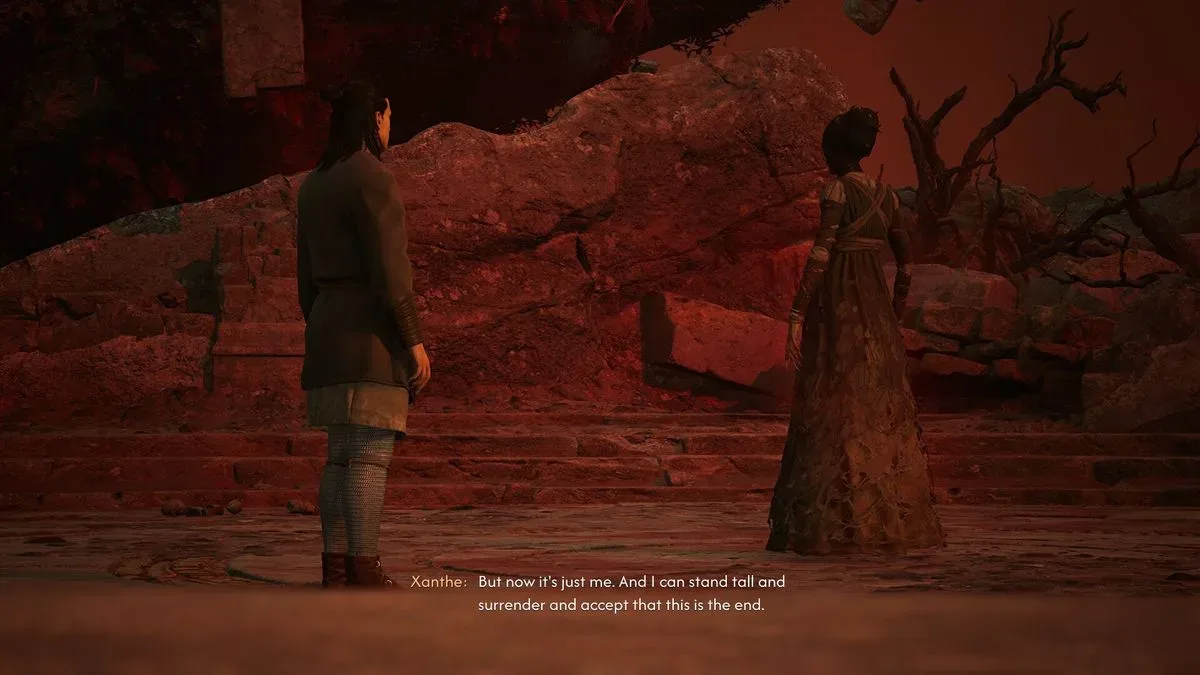
One of the most consequential choices in the endgame involves the defeated members of Brencis' court. Coen can invite the vrakhiri into his mind, saving them from Anachora, a terrifying void-like fate, or leave them to be consumed by it.
Choosing mercy--or curiosity--can result in a crowded internal existence. Brencis and Isbrand can both become unwelcome mental guests, alongside other vampires who may have been spared. The immediate aftermath can be darkly funny, particularly when Brencis comments on Coen's hesitation to visit Anca at her hut. Yet the humour does not erase the enormous implications of the decision.
Are these voices permanent? Can Coen communicate with them at will? Do they have access to his memories, his senses, or influence over his decisions? And can they ever be removed safely? Isbrand's presence is especially likely to test anyone's patience, but the more important issue is whether this chorus will become a lasting mechanical and narrative part of the saga.
A sequel could make those choices matter in fascinating ways. The vampires in Coen's mind may provide knowledge, arguments, temptation, and conflicting advice. They could also complicate relationships with allies who would have no reason to trust a man carrying the remnants of their enemies. If the game tracks which vrakhiri were saved, it has the opportunity to turn an ending decision into a genuinely evolving part of Coen's next chapter.
6. Will Coen's companions and romance paths return?
The epilogue offers updates on many people Coen meets during his journey, with details varying based on how players resolved their personal stories. Lacra, Vicho, Crake, and others can receive outcomes that feel like conclusions, or at least pauses, for their roles in the immediate conflict.
That creates uncertainty for the future. Is the epilogue closing the book on those characters, or simply showing what happens in the period between games? The modern-day framing device makes a major jump in time possible, and a saga could easily move Coen into a different era. But the emotional connections made in the first game should not be discarded too quickly.
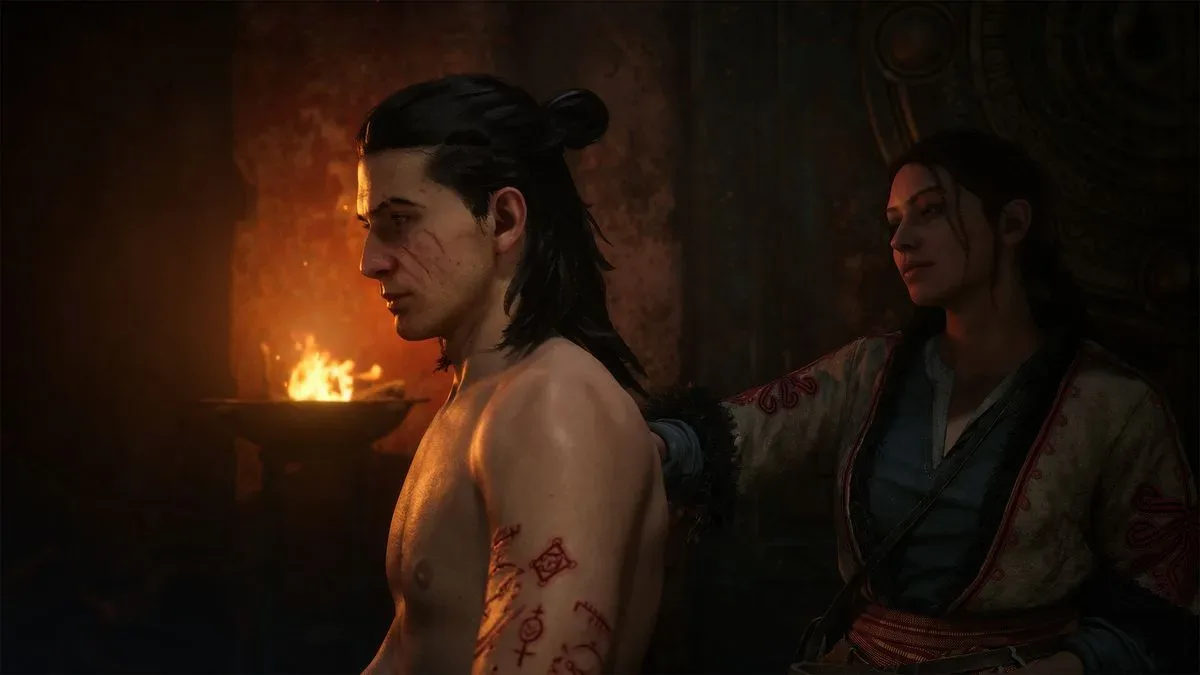
Romance is especially important here. Multiple potential relationships give players a personal stake in Coen's choices, and Vicho in particular feels like a character with room for further development: unstable, self-loathing, vulnerable, but also capable of genuine sweetness. A slow-building relationship between him and Coen would have a strong foundation if the series continues.
Whether the next story takes place shortly after Greifberg Castle or far into the future, it should find ways to honor those bonds. Returning companions need not all become permanent party members, but their outcomes should have weight. The first game has created a cast worth revisiting, and a larger Dawnwalker saga would be stronger for remembering the people who helped shape Coen's first transformation.
The Blood of Dawnwalker ends with enough uncertainty to make a sequel feel necessary rather than merely desirable. Coen has survived his first ordeal, but the mysteries surrounding his blood, his family, Lunka's future, and the forces watching from the shadows have only grown larger.
Community
Discussion
Start the conversation.
No comments have been posted yet.