

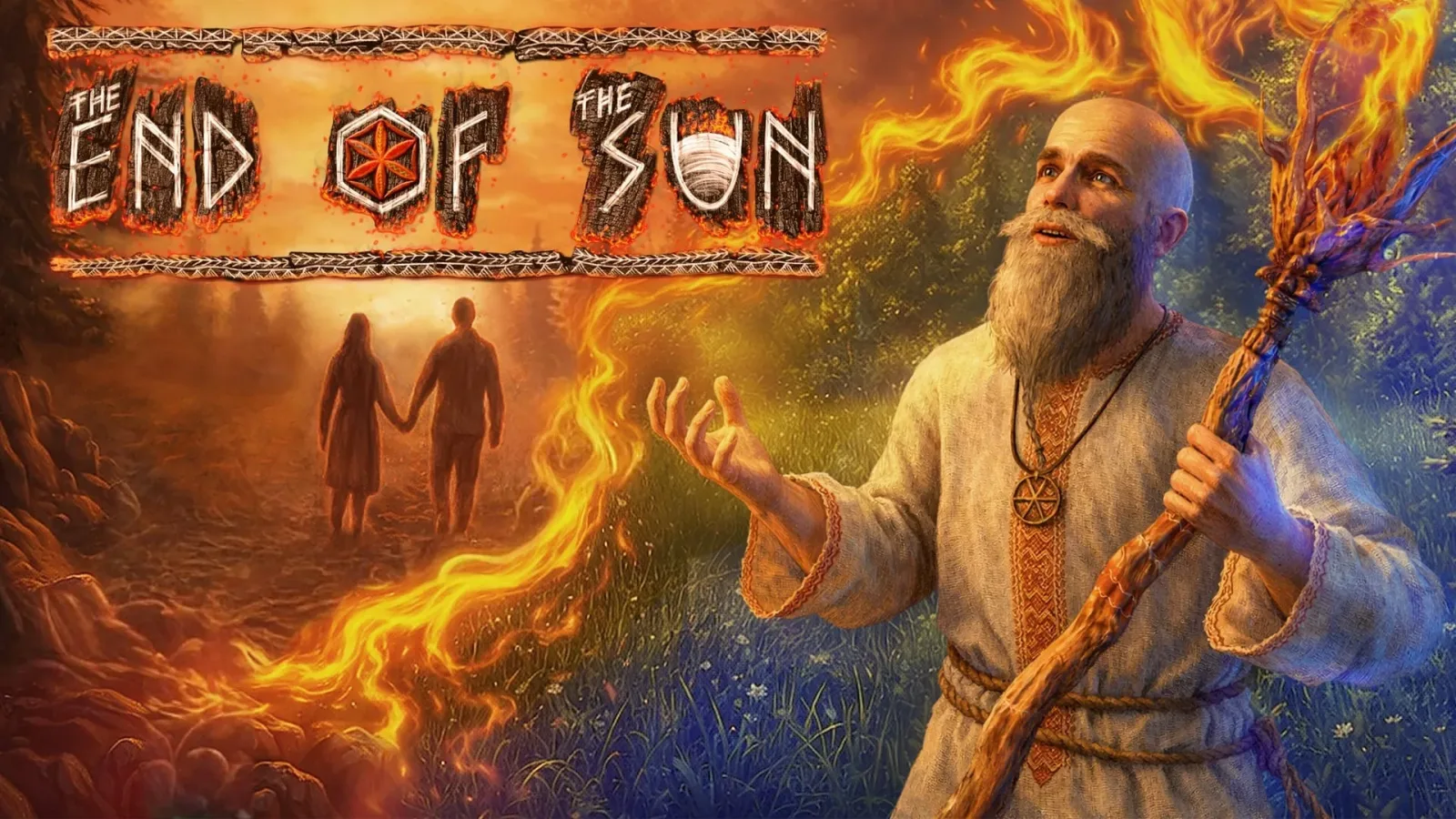
The End of the Sun is now available on Xbox Series X|S. Published by IMGN.PRO and developed by the independent Polish team at The End of the Sun Forge, the first-person adventure arrives on Microsoft's current-generation console on November 4, 2026, following an unusually long development journey: eight years of work from a studio made up of two developers.
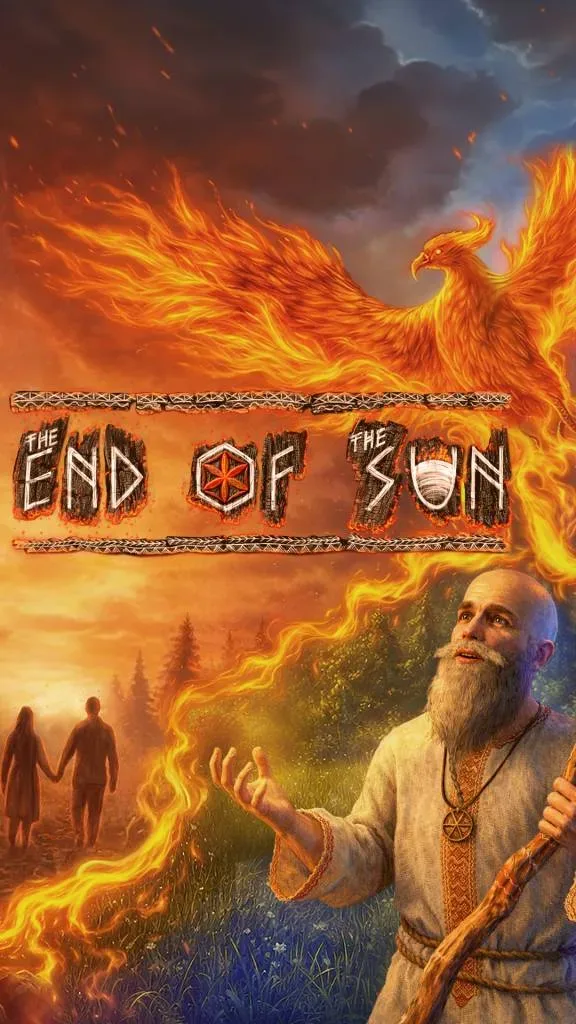
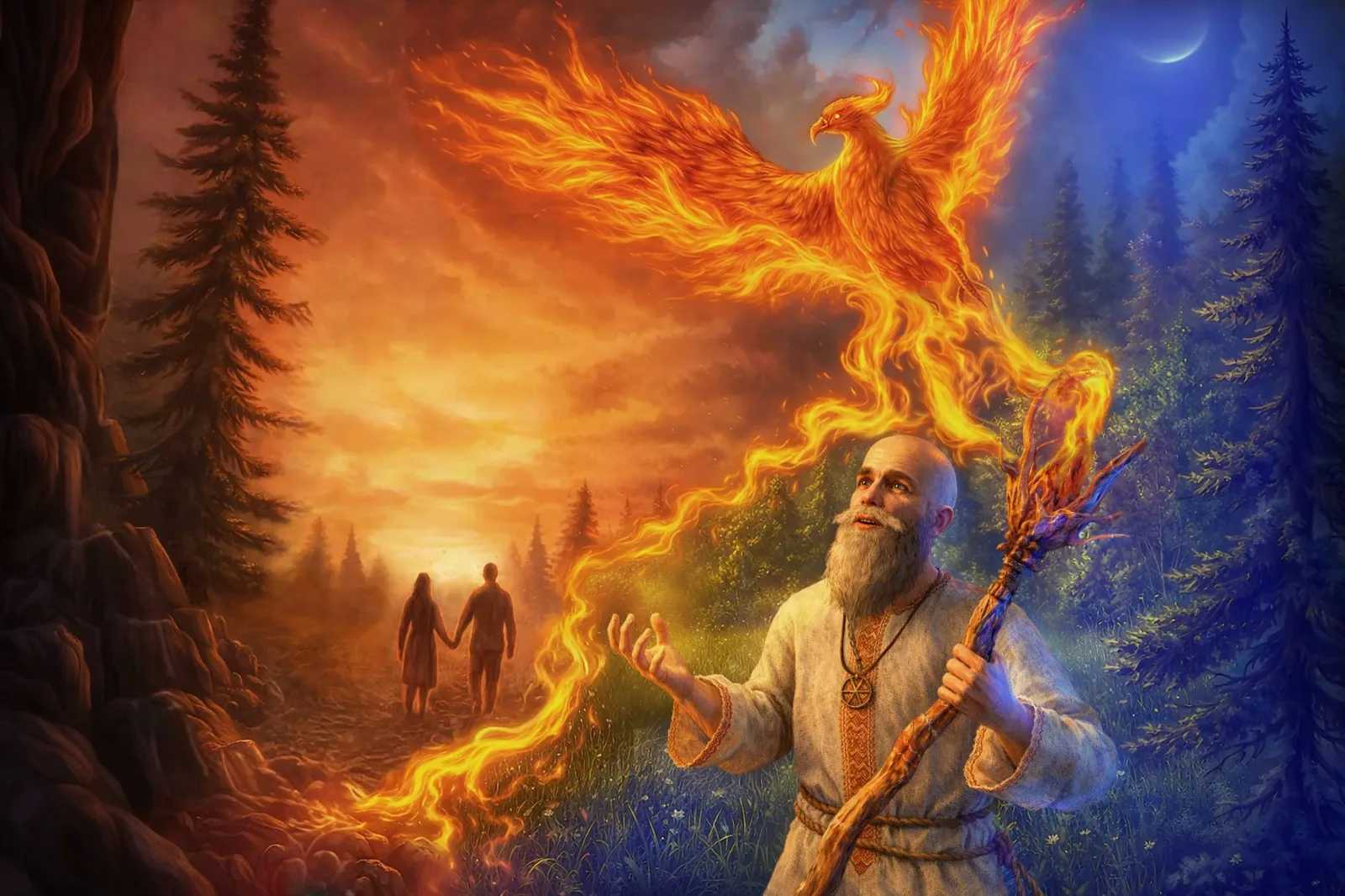
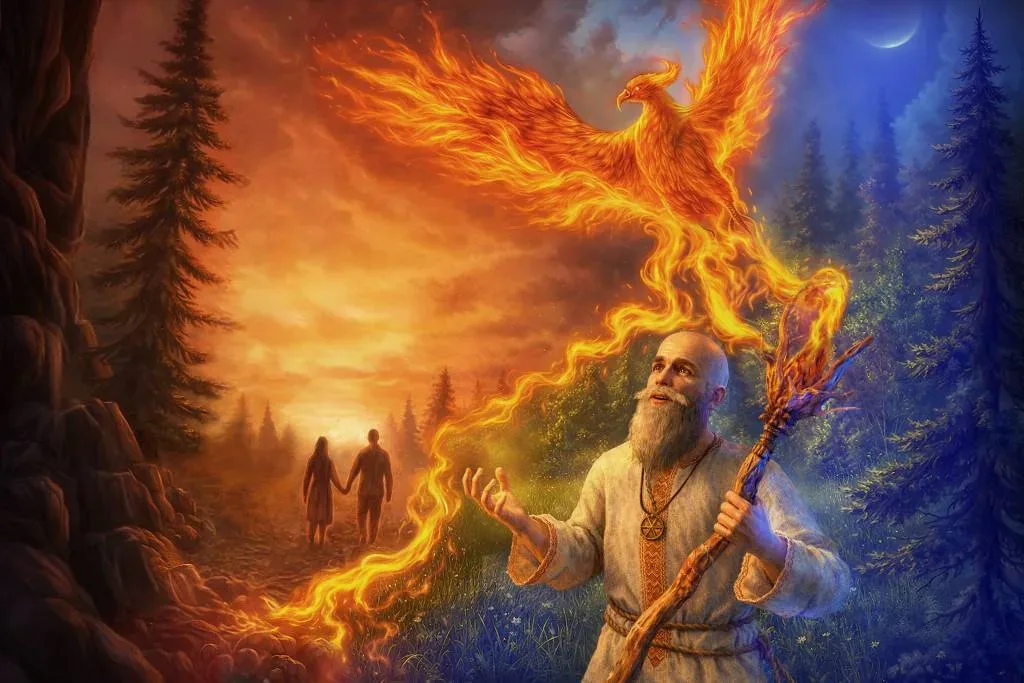
Rather than presenting folklore merely as a backdrop for combat or spectacle, The End of the Sun centers its mystery on a rural village where Slavic beliefs, myths, traditional customs, and everyday life exist side by side. Players step into the role of Ashter, a fire mage with the ability to move through time. A fire leads him to a village overtaken by uncertainty, and the task is not simply to find a culprit or chase an objective marker. It is to understand the people who live there, the choices they have made, and the hidden connections that emerge when the same events are viewed from different points in their lives.
The Xbox Series X|S edition is priced at $24.99, EUR23.99, or £18.74. A 20% launch discount is being offered for one week, reducing the entry price for players who pick it up during the game's opening promotional period.
A mystery told across changing moments
The central premise of The End of the Sun is built around perspective. Ashter's command over time lets players investigate the village during different periods rather than being restricted to one fixed version of it. Actions, conversations, locations, and traces of past events can carry a different meaning once another moment in time has been uncovered. That structure positions observation and interpretation as essential parts of the experience.
For useful background on this topic, read Thronefall Leads a Packed November Wave for Xbox Game Pass.
Players follow evidence connected to the fire while learning about the lives of the settlement's inhabitants. A scene encountered early may initially appear straightforward, only for later discoveries to recast the people involved or reveal why a particular place matters. The game's mystery therefore depends on assembling a broader picture from details spread between time periods, rather than treating each location as a self-contained puzzle room.
The village itself changes through four seasons, giving the setting a shifting visual identity as well as reinforcing the passage of time. The changing conditions are more than a decorative flourish in a game focused on memory, cause, and consequence. Seeing a familiar area at a different stage of the year can alter its atmosphere, expose a new detail, or encourage players to reconsider what they thought they knew about it.
That approach makes The End of the Sun a notably story-led adventure. Its appeal is aimed at players interested in slow-burn discovery, environmental storytelling, and a setting drawn from a cultural tradition that remains less frequently explored in major game releases. Ashter is a supernatural figure, but the game's mystery is rooted in human stories: the relationships between villagers, their personal histories, and the secrets left in the places they inhabit.
For another perspective on this story, read The End of the Sun Brings Its Time-Bending Slavic Mystery to Xbox Series X|S.
Slavic folklore meets village life
Slavic mythology provides the game's larger frame, yet The End of the Sun also emphasizes the material reality of historical rural life. Its world is intended to feel lived in rather than simply fantastical. Folklore, spiritual belief, household objects, manual crafts, and village routines are intertwined, reflecting a setting where the extraordinary is not necessarily separate from the everyday.
This distinction is important to the game's atmosphere. The adventure does not appear to treat myth as something that only arrives in grand, isolated set pieces. Instead, the boundary between reality and the supernatural gradually becomes unstable in a village where both ways of seeing the world can coexist. As Ashter investigates the fire's trail, players are asked to navigate that uncertain border and determine how the village's myths and lived experiences relate to the central mystery.
The developer has used photogrammetry to bring historical architecture and ordinary objects into the game. This technique captures real-world surfaces and forms for digital use, helping the team reproduce the character of buildings, tools, furnishings, and other details tied to traditional crafts and rural heritage. For a project so interested in place, that grounding gives the village more than a generic period look. It aims to make the environments feel connected to tangible cultural history.
Photogrammetry has often been used to pursue broad visual realism, but here it serves a more specific purpose: preserving texture and specificity. Wooden construction, domestic spaces, practical equipment, and weathered details can all contribute to the sense that this is a community with routines and history. That is especially useful for an adventure where players are expected to search spaces closely and draw conclusions from what they find.
A small team's eight-year project
The End of the Sun Forge is a family-run Polish studio, and the game's arrival on Xbox Series X|S marks the result of eight years of development by a two-person team. That scale puts the project in a different context from large publisher-backed productions. An extended development period can reflect the challenge of building a detailed first-person world, implementing a story that moves through multiple times and seasons, and giving a distinct cultural setting the attention it needs.
The result is a game with a clear identity. The End of the Sun combines an investigative adventure structure with time travel and a folklore-centered world, while keeping the focus on a single village instead of expanding into a vast open-world map. A contained setting can be particularly effective for this kind of narrative design: as players return to recognizable locations in new circumstances, changes become meaningful because they can compare them with their previous impressions.
The two-person development story also underlines the importance of the game's chosen techniques. Capturing real buildings and objects through photogrammetry offers a practical route to visual authenticity, while concentrating the narrative on one community allows the developers to devote attention to individual spaces and characters. Those choices support a more intimate type of adventure, one built around revisiting, noticing, and connecting details.
What Xbox players can expect
On Xbox Series X|S, The End of the Sun offers a first-person story adventure for players who want a mystery to unravel at their own pace. The key features outlined for the game include:
- A world informed by Slavic folklore, beliefs, and local traditions.
- A time-based investigation in which players travel between different moments.
- Four seasonal versions of the same village.
- A setting recreated with historical references and photogrammetry.
- Polish and English voice acting.
Voice options in both Polish and English should be especially welcome for players who want to approach the setting in different ways. Polish voice acting can complement the game's origin and regional atmosphere, while English provides an accessible alternative for those who prefer it. The availability of both reflects the project's effort to retain its cultural character while reaching a broader audience.
The announced Xbox release does not frame The End of the Sun as a conventional action game. Its identity rests on exploration, atmosphere, and narrative reconstruction. Players who enjoy investigating environments, following clues across nonlinear timelines, and sitting with ambiguity before a larger pattern becomes clear may find its premise especially compelling.
Its setting may also stand out for players seeking fantasy that does not lean on the most familiar medieval-European genre imagery. The village, its customs, and its folklore are intended to provide the game with a distinct foundation, while Ashter's fire magic and time-traveling abilities create an avenue into the secrets beneath its daily rhythms.
Available now on Xbox Series X|S
The End of the Sun is available now digitally for Xbox Series X|S. Its $24.99, EUR23.99, and £18.74 list prices are accompanied by a 20% discount for the first week after launch. For an adventure shaped by small-team development, historical texture, seasonal transformation, and a mystery that unfolds across several points in time, the Xbox release gives console players a new opportunity to step into Ashter's fire-lit investigation.
At its heart, The End of the Sun asks players to return to the same people and places with new knowledge. In a village where past and present cannot be cleanly separated, every revisit has the potential to change the story. That is the promise at the center of this Slavic adventure: not just discovering what happened, but learning why it mattered.
Community
Discussion
Start the conversation.
No comments have been posted yet.