


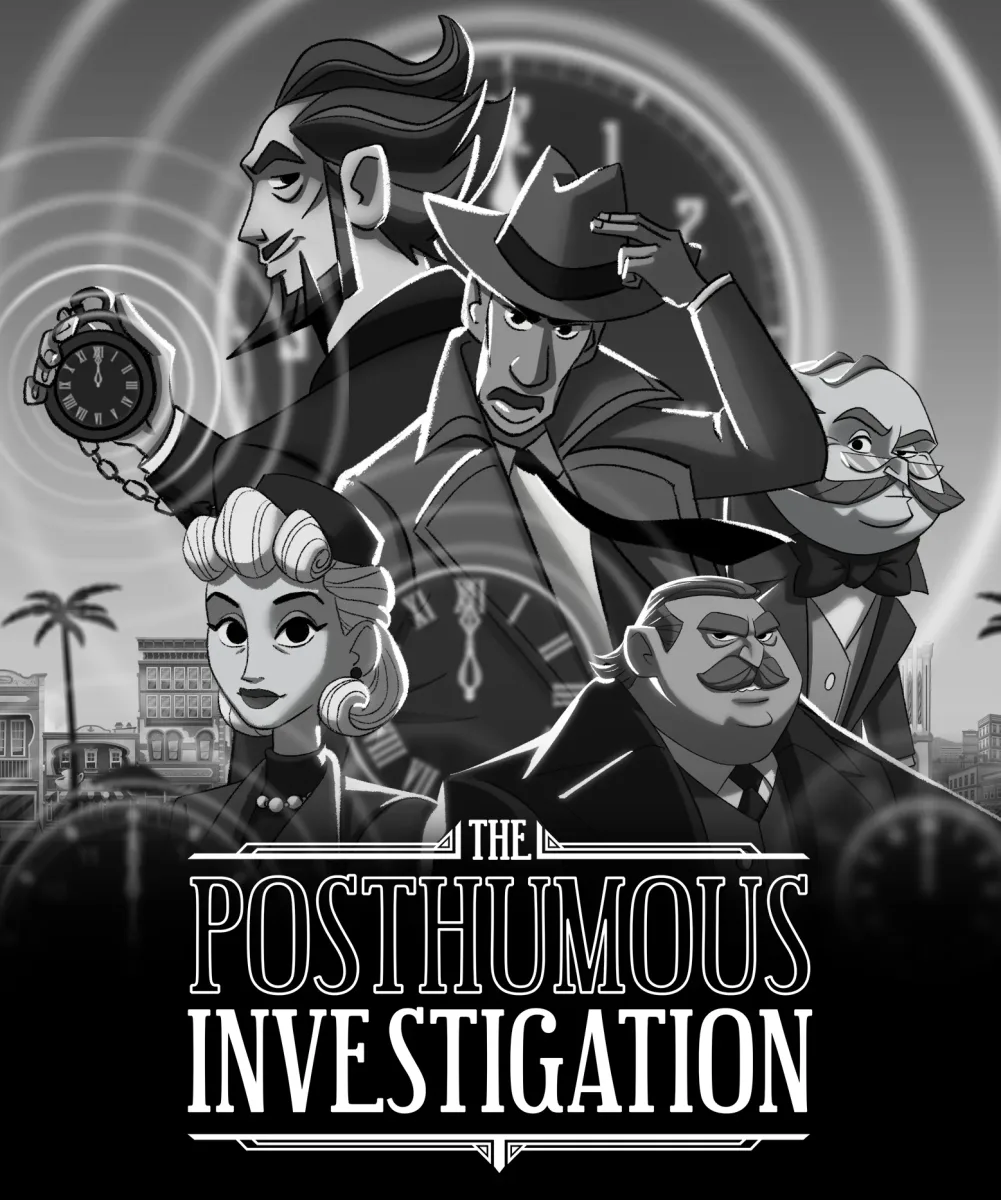
The Posthumous Investigation, the time-loop murder mystery from developer Mother Gaia Studio and publisher Critical Leap, is now available on Nintendo Switch and Android. The game previously arrived on Steam, while an iOS version is still planned for a later date.
Set in a stylized noir vision of Rio de Janeiro in 1937, The Posthumous Investigation casts players as a private investigator working an unusually difficult assignment: the client who hired them is already dead. An entrepreneur has been murdered, and the detective has only one day to determine what happened before time resets. Rather than treating failure as the end of the case, the game turns every repeated day into another chance to observe, question, test suspicions, and carry hard-won knowledge into the next attempt.
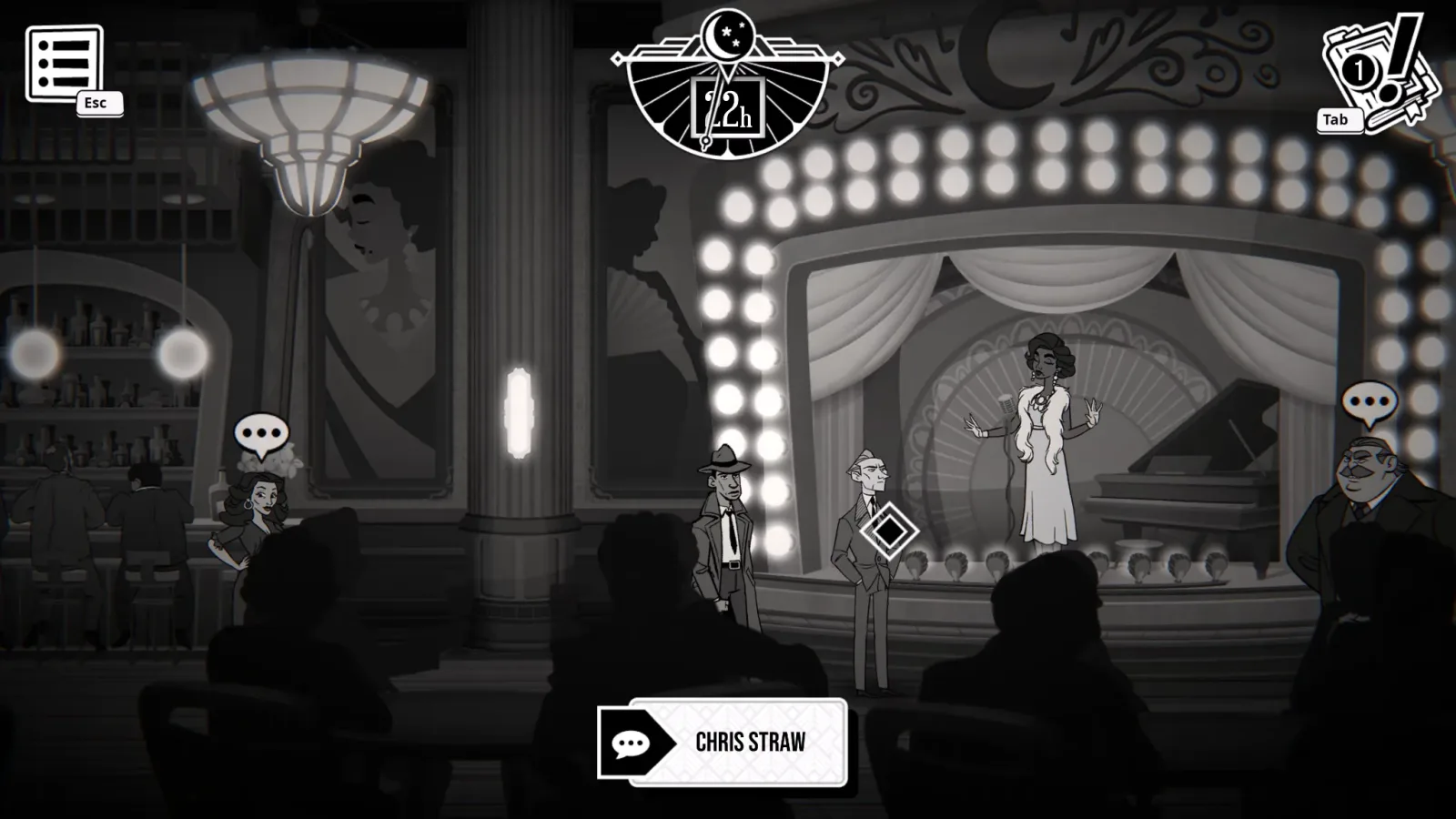
That premise puts the game squarely in the growing field of narrative mysteries built around repetition, but its focus appears to be less on reflexes or survival than on building an understanding of a tightly controlled social web. Fourteen suspects populate the investigation, each with their own schedules, motivations, hidden information, and possible reasons to be connected to the murder. Learning where somebody goes, who they meet, and what changes their behavior can be just as important as finding a conventional clue.
A murder case built around one repeating day
The core of The Posthumous Investigation is the loop itself. Players receive a single day to pursue the truth, but can revisit that same period as often as needed. Information acquired in a previous attempt remains useful even when the clock returns to the beginning, allowing the detective to approach old conversations and familiar locations with fresh context.
For useful background on this topic, read Spaceborn: Awakening Trailer Reveals a Story-Driven Path From Crew Member to Cosmic Power.
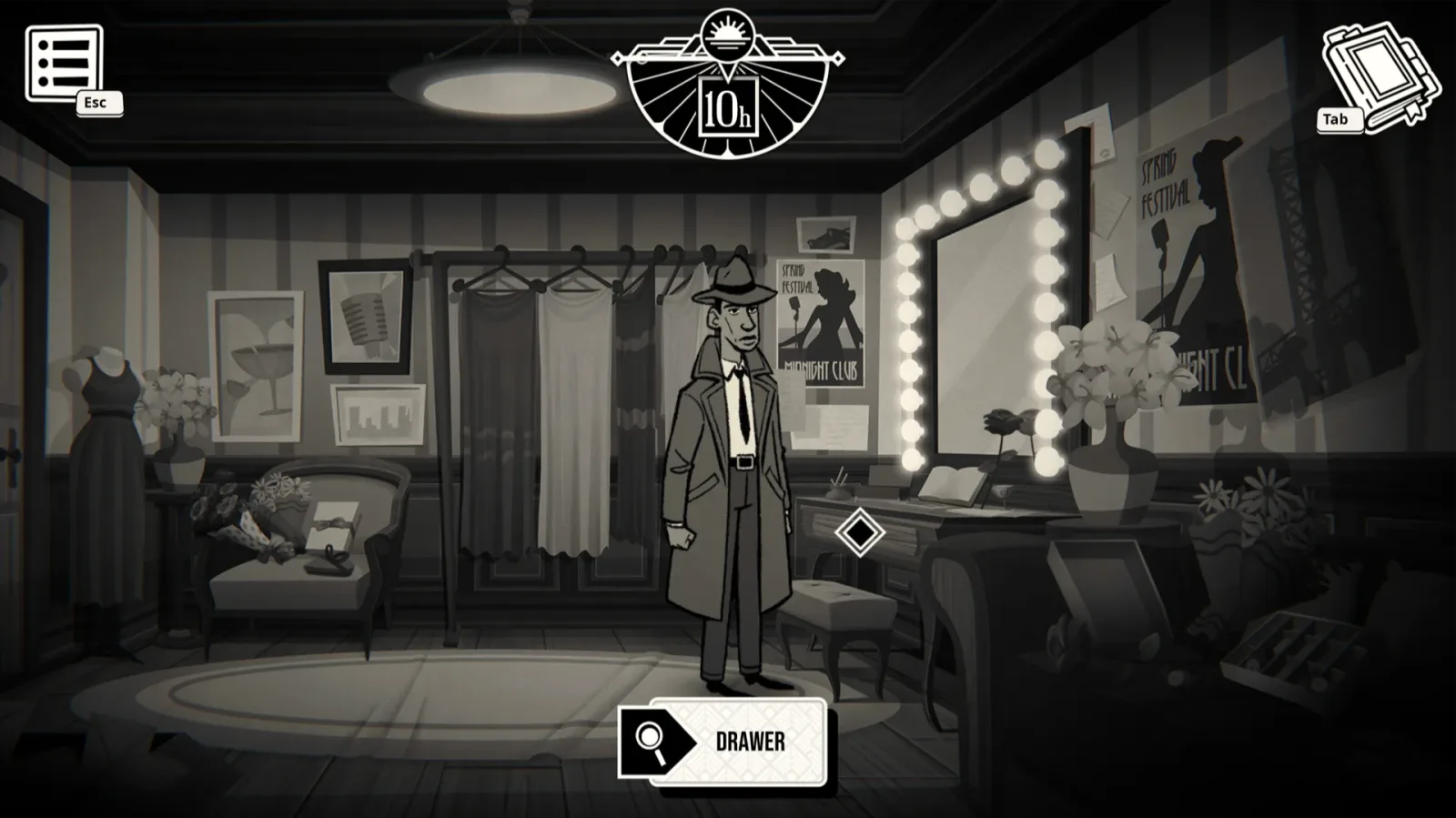
In practical terms, that means an early loop may be spent simply watching people. A suspect's route through the city, an unusual stop during their routine, or an encounter between two characters could become an important thread to follow later. Another attempt could then be used to speak to the right person at the right moment, challenge a contradiction, or seek out evidence that was impossible to recognize before.
The structure is intended to make progress feel cumulative. The day resets, but the player's understanding does not. Every observation can shape the next plan, whether that means checking a different alibi, arriving earlier at a key location, or testing whether a suspect's schedule can be altered. The repeated-day format also gives the murder mystery room to reveal its answer gradually instead of asking players to solve every part of the case in a single uninterrupted run.
Unlimited attempts are part of the design. The game does not frame a failed theory or missed opportunity as a permanent punishment; it provides another loop and another way to refine the investigation. For players who enjoy mysteries centered on deduction and experimentation, that approach can create an appealing rhythm: observe the city, form a theory, use a new loop to investigate it, and then revise the theory when new facts emerge.
For another perspective on this story, read The Posthumous Investigation Brings Its Time-Loop Noir Mystery to Nintendo Switch and Android.
Fourteen suspects, routines, and motives
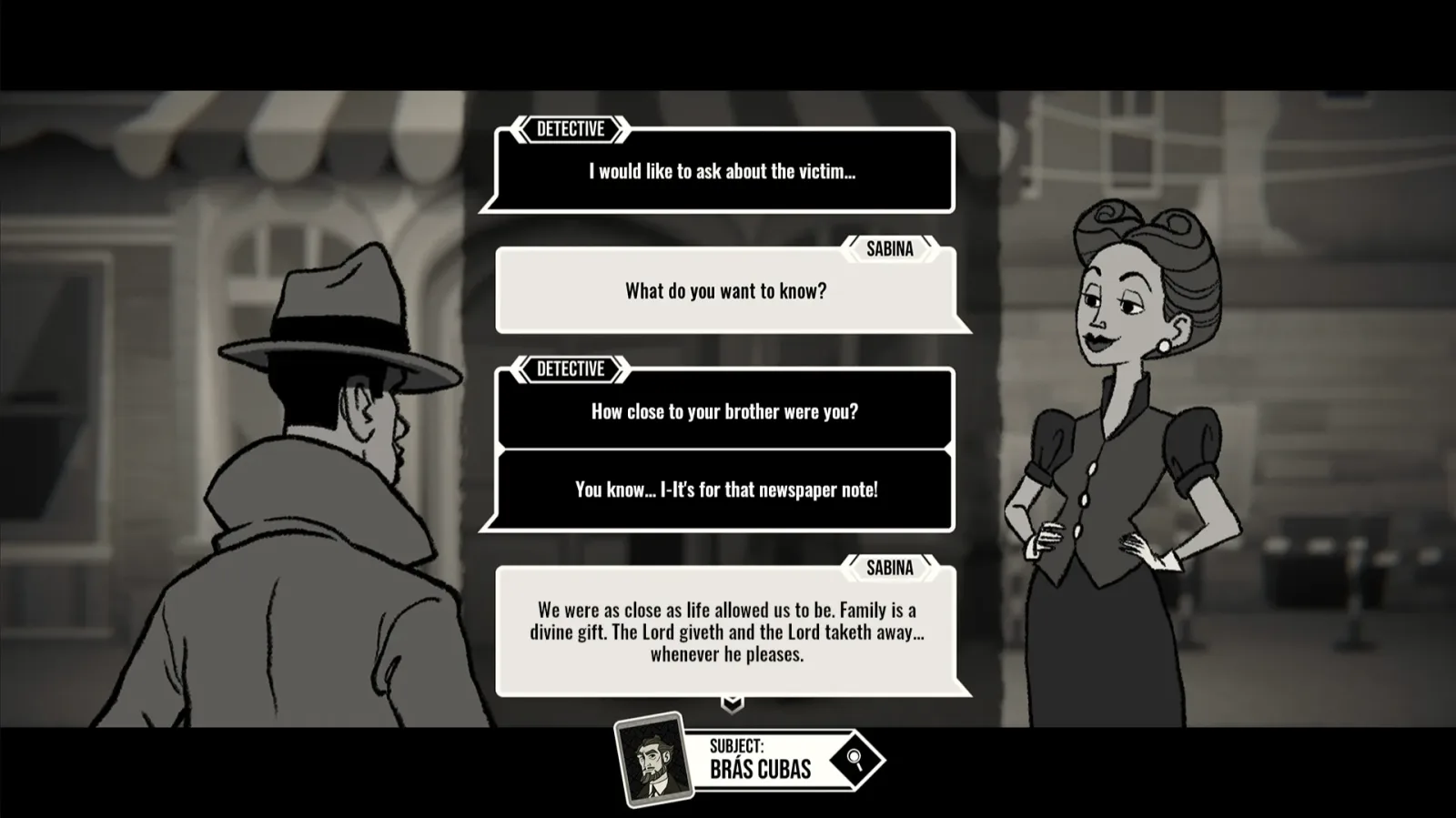
The investigation revolves around fourteen characters. Each suspect has an individual routine and their own incentives, secrets, and relationships. This emphasis on daily behavior makes the case about more than selecting dialogue options or collecting items. Players are expected to pay attention to timing, movement, and the possibility that a person may act differently when circumstances change.
Schedules are therefore an investigative tool. The detective can manipulate suspects' routines to make new opportunities possible, potentially separating people who would otherwise remain together, prompting encounters, or creating openings for further questioning. The announcement does not spell out every way this system operates, but the stated focus on schedule manipulation suggests that the player's actions can affect the shape of each loop rather than merely replaying an entirely fixed sequence.
That system can also make repeated conversations more meaningful. A witness who has nothing useful to say early in the investigation may become more forthcoming after the detective has learned a relevant fact. New knowledge can open dialogue paths and confrontations, letting players revisit earlier leads with evidence that changes the stakes. It is a structure that supports the classic detective-fiction pleasure of returning to a small detail and realizing it was significant all along.
Because the game is built around a defined group of suspects, the mystery is likely to reward keeping track of connections rather than only pursuing isolated clues. Who benefits from the entrepreneur's death? Who had access? Who is lying about their movements? And which stories only appear consistent until the player observes a crucial moment in another loop? Those are the kinds of questions the game's systems are designed to support.
Using the Thinking Board to connect the case
To help players manage an investigation spread across repeated timelines, The Posthumous Investigation includes a feature called the Thinking Board. The board is used to organize clues and theories, giving players a dedicated place to connect information gathered from observation, interrogation, and exploration.
A tool like this is particularly fitting for a time-loop mystery. Repetition can produce a great deal of information, and the challenge is not only discovering facts but deciding how they fit together. A clue overheard during one loop might relate to a confrontation unlocked in another. A supposed alibi could be undermined by a schedule change. Keeping those elements visible should help turn scattered discoveries into a coherent line of reasoning.
The Thinking Board also reinforces the game's investigative identity. The protagonist is not simply navigating a sequence of predetermined scenes; they are collecting material, making connections, and following theories through multiple versions of the same day. The final solution will presumably depend on how well players have interpreted the people and events around them, rather than on how quickly they can reach the end of a timeline.
A Brazilian noir setting
The Posthumous Investigation distinguishes itself through its setting: a noir reimagining of 1937 Rio de Janeiro. Rather than relying on the familiar streets and silhouettes of American or European detective stories, Mother Gaia Studio places its mystery in a Brazilian historical backdrop and describes the visual world as hand-drawn and inspired by Brazilian storytelling.
Noir and murder mysteries often thrive on atmosphere, and the setting gives the game a strong foundation for it. The period, the city, the dead entrepreneur, and the limited span of one day all support a case that can feel personal and enclosed even as it unfolds across a larger urban space. The hand-drawn presentation is meant to carry that mood while giving the game an identity separate from more photorealistic crime dramas.
The setting is not merely visual dressing for the time-loop concept. A mystery depends on the character of its suspects and the world that produced their pressures, ambitions, and conflicts. By locating the story in 1930s Rio and drawing from Brazilian creative influences, Mother Gaia Studio is positioning the game's case as a noir story with a distinct cultural frame.
Switch and Android releases expand the case
The September 17 release brings the mystery to Nintendo Switch and Android devices, making its compact, repeatable investigation available on console and mobile hardware. The Switch edition was scheduled for Nintendo eShop rollout at midnight, with availability across Europe and Australia expected between 2 p.m. and 3 p.m. local time.
Steam is also listed as a currently available platform. An iOS edition is planned to arrive soon, although no specific release date has been announced. The arrival on Switch and Android is a notable fit for a game structured around individual loops, since each day can offer a self-contained session while still contributing to the broader investigation.
"We have dreamed for a long time of bringing The Posthumous Investigation to other platforms," said Bruno Toledo, Game Director at Mother Gaia Studio. "We hope the game becomes part of players' daily moments and that the investigation feels closer to them."
For players drawn to narrative games that reward curiosity, note-taking, and the gradual dismantling of a well-constructed alibi, The Posthumous Investigation now offers its case on Nintendo Switch, Android, and Steam. The murder has already happened. The task is to make each return to 1937 Rio de Janeiro count.


Community
Discussion
Start the conversation.
No comments have been posted yet.