

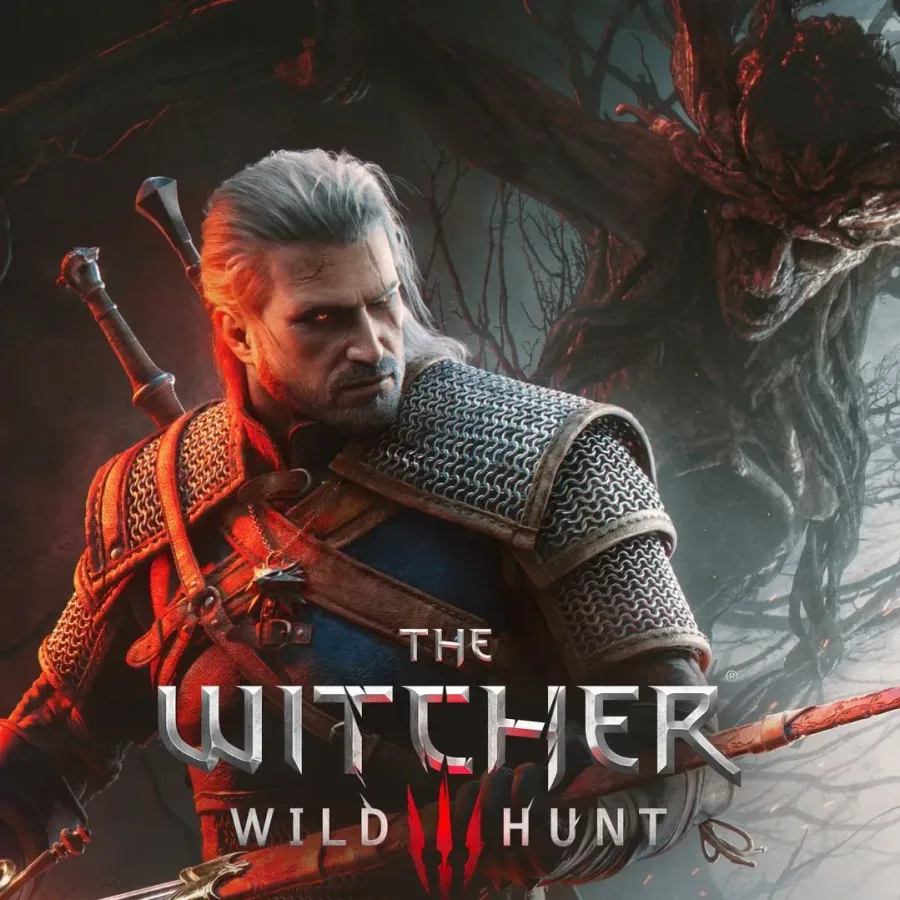
The Witcher 3: Wild Hunt is preparing to return to the Path with Songs of the Past, an upcoming expansion that represents a remarkably late new chapter for CD Projekt's enduring fantasy RPG. Before players get to experience Geralt of Rivia's next adventure, however, they can now hear part of its musical identity. Milan Records has released a five-track EP from the expansion's score, providing an early preview of the sound being created for Geralt's return.
The release is titled The Witcher 3: Wild Hunt - Songs of the Past (Original Soundtrack Gamescom 2026 EP). Its five pieces bring together work by composers Magda Urbanska, Marcin Przybylowicz, and Daniel Elms. While a short EP naturally cannot explain the full scope of a major expansion's soundtrack, it offers a meaningful initial snapshot: a mix of orchestral writing, folk-rooted character, prominent vocal presence, and instrumentation intended to evoke cultures across the game's world.
A First Look at Songs of the Past Through Music
Music has always been one of the defining elements of The Witcher 3's atmosphere. From quiet travels across dangerous countryside to tavern gatherings, monster contracts, courtly intrigue, and battles with enormous stakes, the original game and its expansions used sound to make regions feel distinct. The best-known selections did not merely accompany the action; they gave players a sense of place, history, and mood before a line of dialogue was spoken.
That history puts extra attention on the music chosen for the Songs of the Past EP. The collection is designed to accompany Geralt's return to his life on the road, with the score expanding on the franchise's established musical character rather than abandoning it. The stated approach combines evocative orchestral arrangements with traditional folk influences, forceful vocal performances, and regional instrumental colors. It is a combination that fits the series' familiar balance of intimacy and grandeur.
For useful background on this topic, read Astro Invasion Brings Arcade-Style Alien Blasting to Amstrad CPC, Dragon and Tandy Machines.
Geralt's world has never been fantasy in a purely polished, heroic sense. It is a setting of ancient ruins, difficult choices, local customs, political tensions, and communities trying to survive near dangers that are both supernatural and painfully human. Folk music is especially suited to communicating that texture. It can suggest ritual, memory, celebration, grief, and oral history in a way that a conventional blockbuster score alone may not. At the same time, orchestral writing can carry the scale required for a new chapter centered on one of gaming's most recognizable monster hunters.
The Five Songs on the Gamescom 2026 EP
The EP contains five tracks, split between its three credited composers:
- Return to the Path -- Magda Urbanska
- Awoken -- Magda Urbanska
- Into Darkness -- Daniel Elms
- What's Done -- Marcin Przybylowicz
- Belleteyn Night -- Magda Urbanska
Even the titles suggest a useful cross-section of the expansion's possible tonal range. Return to the Path directly recalls Geralt's wandering profession and the open-road identity at the center of the series. Into Darkness hints at the ominous, investigative side of a Witcher story, where danger often waits beneath the surface of a seemingly ordinary job. What's Done carries the weight of consequence, an appropriate theme for a protagonist whose adventures frequently turn on decisions that cannot be cleanly undone.
Belleteyn Night, meanwhile, invokes a seasonal celebration with deep importance in Witcher lore. Belleteyn is associated with spring, fire, gatherings, and a moment of warmth in a harsh world. The title alone raises the prospect of music that is more communal or ceremonial than the darker selections on the EP, though the track's specific role in the expansion remains undisclosed. Awoken is similarly open to interpretation, leaving room for players to connect it to the new story once Songs of the Past arrives.
Magda Urbanska on Folk Tradition and Witcher Identity
Urbanska's involvement is especially prominent on the EP, with three of its five tracks credited to her. She described moving between classical music and folk material as a distinct creative challenge. In her view, folk music demands its own understanding of tone and form, while also leaving substantial room for artistic freedom.
"I've worked with classical music for most of my life," Urbanska said. "But folk requires a completely different sensibility -- it has its own tone and form, while also offering enormous creative freedom."
She also emphasized the importance of roots and Slavic heritage to the creative process, framing those influences as something deeper than a decorative genre choice. Her goal, she said, was to preserve the essential "Witcher DNA" within these new pieces.
That is an important distinction for a project like Songs of the Past. The music of The Witcher has long drawn energy from folk traditions and regional sounds without reducing them to background flavor. Those elements help shape the emotional language of the setting. A village celebration, an unsettling forest, a sacred place, or a moment of personal loss can feel grounded in the world because the music carries a sense of lived-in tradition.
The new EP's combination of folk and classical sensibilities also makes sense for Geralt specifically. He is a professional who approaches monsters with discipline and practical knowledge, but his path repeatedly leads him into stories shaped by old songs, local beliefs, curses, family history, and legends that survive because people continue to tell them. A soundtrack that can move between structured orchestral drama and more organic folk expression has the flexibility to reflect that world.
An Unusually Late Expansion for a Landmark RPG
Songs of the Past is notable not only because it adds more Witcher music to players' libraries, but because the expansion itself is an unusually rare kind of announcement. The Witcher 3: Wild Hunt will be 12 years old by the time the expansion launches next year. It will also be the game's first expansion in more than a decade.
That timeframe is extraordinary for a single-player RPG. Games often receive their biggest additions within a year or two of release, when their main development cycle is still recent and the player community is at its most active. The Witcher 3 has remained visible for far longer than that typical window, thanks to its reputation, continued sales, later platform releases, updates, and a fan base that has repeatedly returned to Geralt's story.
The original game released in 2015 and became one of the defining role-playing games of its era. Its existing expansions, Hearts of Stone and Blood and Wine, set a high standard for post-launch content by delivering substantial stories with their own themes, locations, characters, and emotional identities. Any new expansion arriving after such a long gap will inevitably face major expectations, especially because it is returning to a game many players already consider complete and beloved.
The early soundtrack release does not answer the larger questions surrounding Songs of the Past--its precise plot, setting, gameplay additions, and full narrative context have not been detailed here--but it does demonstrate that the expansion is seeking continuity with what made The Witcher 3 memorable. Rather than treating Geralt's return as a simple nostalgia exercise, the musical direction points toward a fresh score built from foundations audiences associate with the series.
Why This EP Matters Before Launch
Soundtrack previews have a special value for role-playing games. Screenshots and trailers can show scenery, armor, monsters, or combat, but music can establish feeling without revealing story details. That is particularly useful for an expansion whose surprises are likely to matter. A five-track selection can give fans an impression of the emotional palette without spelling out where Geralt goes, who he encounters, or what decisions await him.
It also gives listeners a chance to engage with Songs of the Past on its own terms before it is attached to a particular quest or cutscene. Over time, players may hear these tracks in a new light once they understand the locations and events behind them. For now, the EP functions as a standalone preview of the creative direction behind Geralt's next journey.
With Urbanska, Przybylowicz, and Elms each contributing to the release, the soundtrack appears positioned to offer multiple perspectives while retaining a unified Witcher atmosphere. The three Urbanska compositions give her a major presence in this opening selection, while Into Darkness and What's Done broaden the listening experience with pieces from Elms and Przybylowicz.
Players waiting for Songs of the Past still have many details to learn before Geralt returns to the Path next year. But the Gamescom 2026 EP provides one of the clearest early indicators of the expansion's ambitions: it aims to sound recognizably like The Witcher, while using a new collection of songs to carry the series into another chapter.
Community
Discussion
Start the conversation.
No comments have been posted yet.