

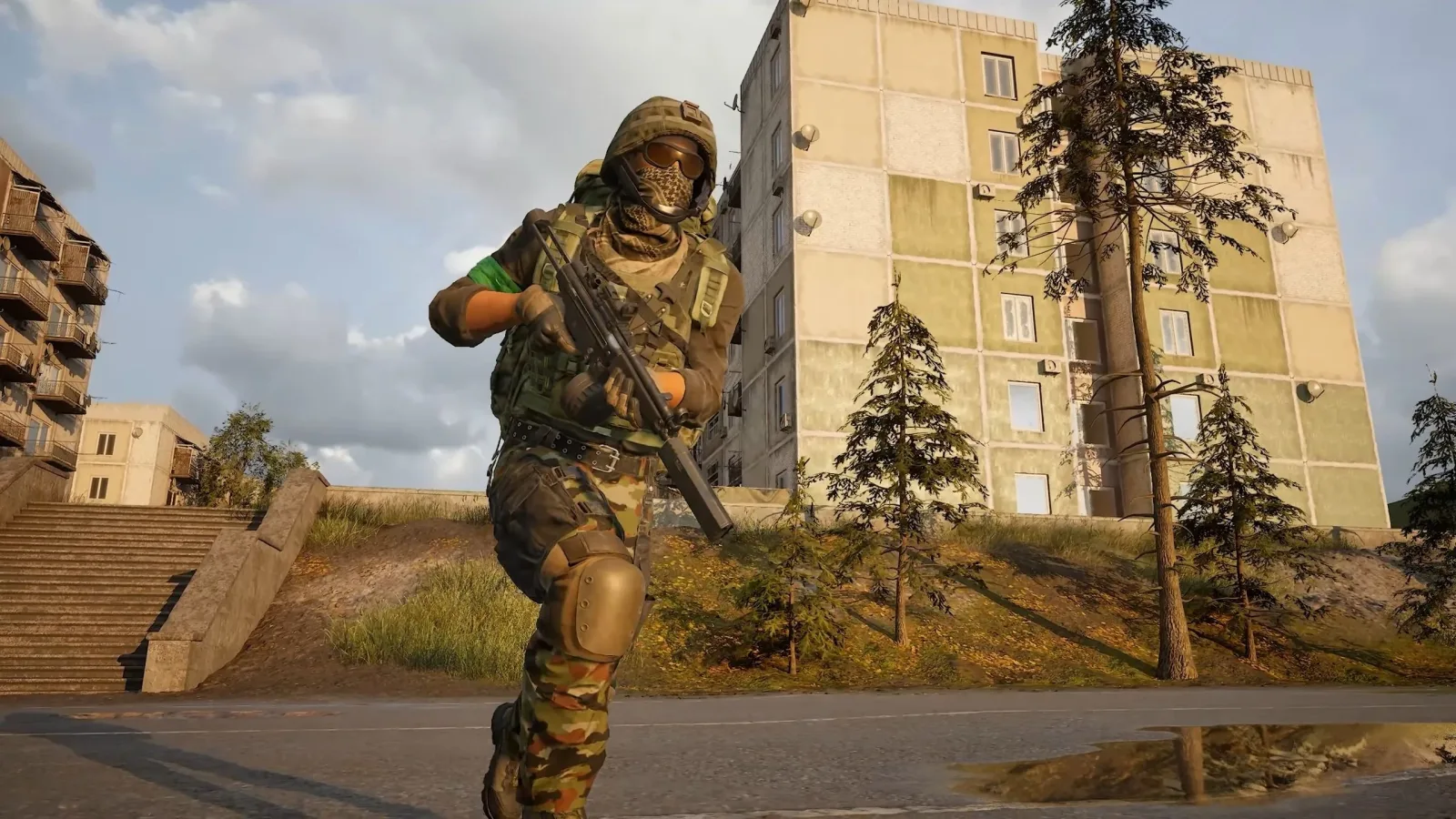
Bulkhead Studios is preparing to do something many live-game developers may find difficult to imagine: step away for an entire month after a major launch. Following the early access release of its FPS Wardogs, the full studio plans to take extended leave throughout December, giving its staff time to recover after the effort required to bring the project to players.
CEO Joe Brammer has been candid about why the break matters. Wardogs' route to early access called for a team-wide effort in which people moved beyond narrow role definitions, taking on extra responsibilities where needed to help the game reach its launch target. That kind of collective commitment can be vital for a smaller team shipping an ambitious multiplayer game, but it also carries a clear cost when it continues for too long.
For Bulkhead, the response is not to treat early access as a reason to immediately push even harder. Instead, it is making a deliberate choice to pause. December is being positioned as a recovery period for the people who delivered Wardogs, rather than another stretch of rapid-fire fixes, balance adjustments, and launch follow-up.
A launch milestone, not the finish line
Early access launches are rarely quiet moments for developers. Releasing a game to a wider audience can trigger an immediate wave of feedback, technical reports, requests for changes, and community discussion. For a competitive FPS especially, players are quick to identify issues that affect performance, weapons, maps, progression, matchmaking, or the broader feel of a match.
For useful background on this topic, read Stardew Valley 1.7 Could Be Its Biggest Update Yet, With a 2027 Release Target.
That creates a familiar pressure: ship the game, then move instantly into responding to everything players discover. There can be an expectation that a developer will remain continuously available after launch, monitoring conversations and acting on every complaint as soon as it appears. Bulkhead's planned holiday shutdown acknowledges that Wardogs may still generate those conversations, while setting a firm boundary around when the team will be ready to deal with them.
Brammer's message is deliberately blunt. He said the studio will make it clear that players can "fuck off in December," an intentionally provocative way of communicating that the team needs space. The phrasing is less about dismissing Wardogs players than it is about refusing to pretend the developers can be permanently on call after a demanding release.
It is also a notable contrast to the language that often surrounds games in early access. Studios usually emphasize constant updates, open feedback channels, and an always-active dialogue with their communities. Those things can be useful, but Bulkhead's approach highlights a practical truth: a healthy development team is needed to sustain that dialogue over the long term.
Everyone taking on more than one job
Brammer described the Wardogs team as a group in which everyone took on work beyond their standard job description. In his view, people wore multiple hats because they could see a path toward getting the product across the line. That sense of shared ownership can be a powerful advantage for an independent studio, allowing a team to adapt quickly and solve problems without waiting for rigid departmental processes.
At the same time, "multiple hats" can mean long days and an accumulation of tasks that would normally be divided between more people. Launches compress schedules. Priorities shift. Last-minute issues have to be solved. The result may be a successful release, but the people behind it still need time to reset.
Bulkhead's December plan frames rest as something the team has earned through that effort. Rather than suggesting the studio is abandoning Wardogs after early access, the break can be read as an investment in its ability to continue working on the game after the holiday period. A month away from the usual demands of development and community response may allow the staff to return in January with more energy and clearer priorities.
That distinction will matter for players watching Wardogs' future. Early access, by its nature, implies more work to come. Bugs will need attention, feedback will need to be assessed, and design decisions will likely be revisited as more people spend time with the game. Bulkhead has not suggested that those responsibilities have vanished. It has simply made clear that the studio will not be tackling them during December.
GTA 6 as an unusually convenient distraction
Bulkhead is also unusually realistic about the timing. Brammer pointed to Grand Theft Auto 6 as a game likely to command enormous attention, joking that Wardogs players should go play it while his own team detoxes. It is an acknowledgment of a broader industry reality: when Rockstar's next release arrives, many other games will be competing for attention in an exceptionally crowded moment.
For most studios, the prospect of a blockbuster release drawing players away can be a source of anxiety. Developers of ongoing games typically want to protect engagement, retain active users, and avoid giving their communities a reason to drift elsewhere. Bulkhead's response is striking because it does not try to fight that inevitability. The studio appears willing to accept that many players will be occupied by something else over the holidays.
That could prove a sensible calculation. A massive release does not necessarily erase interest in every other game forever; it can simply alter what people spend their time playing in the short term. Wardogs players who enjoy the game may return once they have had their fill of another major release, particularly if they know Bulkhead will be back after its break to evaluate the state of early access.
There is a degree of honesty in this position that may resonate with players. Rather than promising nonstop activity while staff are exhausted, the studio is communicating a clear expectation: Wardogs is still important, but the people making it are taking time off. In an industry where burnout and crunch remain persistent concerns, clarity of that kind is meaningful.
What the December pause could mean for players
The immediate implication is straightforward. Players should not expect Bulkhead to operate at normal capacity during December. Reports, criticism, balance concerns, and ideas from the community may still be shared, but the studio's main response cycle is likely to resume after the holiday break rather than in the middle of it.
That does not mean player feedback is irrelevant. Early access feedback often becomes more useful when developers can assess patterns instead of reacting to every individual comment in the moment. A pause may give the community time to play, compare experiences, and identify the issues that are genuinely recurring. When Bulkhead returns, it could face a clearer picture of what needs attention most urgently.
Players may understandably have questions about how any pressing issues will be handled while the team is away. No specific support arrangement, patch schedule, or January update plan has been detailed. As a result, it would be premature to assume what kind of fixes or changes will arrive after the break. The confirmed point is the studio-wide December leave, not a roadmap for the months that follow.
Still, setting expectations now may be preferable to creating an impression that immediate responses are guaranteed. Multiplayer communities can be passionate, and launch-period criticism can be intense. By being direct before the break begins, Bulkhead is attempting to prevent silence in December from being misunderstood as a lack of commitment to Wardogs.
A people-first choice in a demanding genre
Wardogs sits in a genre where player expectations can move quickly. FPS audiences often expect regular tuning, visible communication, and rapid reactions to problems. Those demands are understandable, particularly in a game that has entered early access and is seeking community participation in its development. But the people answering those demands are not an endlessly renewable resource.
Bulkhead's decision suggests that a sustainable development cycle is more valuable than trying to meet every immediate expectation during one of the busiest periods of the year. The studio's December break is bold precisely because it is so public. Rather than quietly reducing activity, it is explicitly telling its audience that the team will be away and encouraging them to enjoy other games in the meantime.
Whether the move becomes a model for other studios remains to be seen, and the ultimate test will be how Wardogs develops after the team returns. For now, though, Bulkhead has established a clear post-launch priority. The early access milestone has been reached. The next task is allowing the people who reached it to rest.
Community
Discussion
Start the conversation.
No comments have been posted yet.