

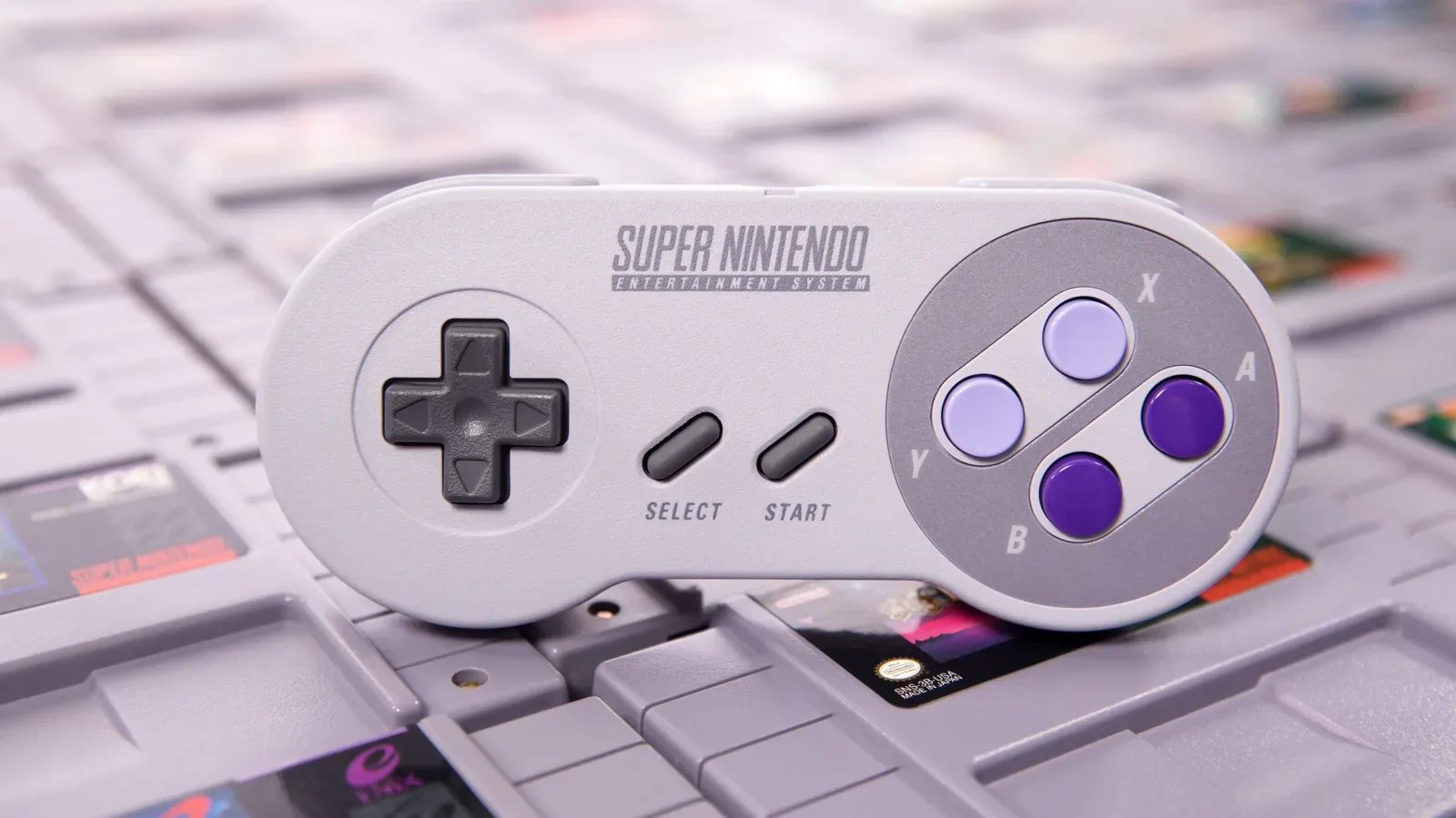
Anyone returning to the Super Nintendo Entertainment System market in 2026 may be surprised by the cost of a simple childhood revisit. The console's best-known games are still widely discussed, replayed and celebrated, but that does not mean their original cartridges are easy to obtain. In many cases, buying an authentic SNES copy now costs substantially more than it did a decade ago. For rarer releases, the difference can be dramatic.
The reason is not that every old game has suddenly become a luxury item. Plenty of common SNES cartridges remain within reach. But a finite physical supply, years of loss and wear, collector interest, nostalgia and the continued visibility of classic games have created a market where certain titles command remarkable prices. For people who want the original cartridge rather than a digital version, remake or emulated copy, the economics are especially unforgiving.
A finite supply of cartridges
The most fundamental explanation for high SNES game prices is supply. Nintendo stopped manufacturing Super Nintendo cartridges long ago, so the number of copies in circulation can only decline. Some games are stored carefully by collectors, but many more have been misplaced, damaged, thrown away, loaned out permanently or simply worn down after decades of use.
The Super Nintendo launched in Japan in late 1990 as the Super Famicom and reached the United States in 1991. Across its markets, the system sold a little more than 49 million units. That is an impressive total, yet it is lower than several other major Nintendo systems, including the original NES and Wii. Its software library moved more than 379 million units during the console's lifetime, but that total is less imposing when compared with the Wii's more than 921 million software sales.
For useful background on this topic, read Nintendo Declares November 1 Pikmin Day With a Surprise Direct.
Those historical figures do not reveal how many cartridges remain in playable, authentic condition today. A game's original print run may have been significant, but condition matters heavily in the current market. A loose cartridge is one thing; a copy with its manual, box, inserts and clean label is another. Factory-sealed examples are a still narrower category. As a result, collectors are not all competing for the same kind of copy, but every extra requirement reduces the available pool.
This pattern is familiar throughout retro collecting. GameCube software, for instance, has developed a reputation for high prices in part because some games had relatively limited production. The core principle is simple: when production has ended and interest rises, a shrinking supply has to serve a growing number of buyers.
Not every SNES game is equally expensive
It is important not to confuse the expensive end of the market with the entire SNES library. Common, heavily distributed games can still be relatively affordable when sold loose. Super Mario World, one of the defining games on the system and a frequent pack-in title, can still sell for roughly $17 on eBay without its original packaging.
For another perspective on this story, read Why Original SNES Games Still Command High Prices.
Rarity creates a very different result. EarthBound is the most frequently cited example. It sold about 140,000 copies in the United States, a modest number next to Nintendo's biggest hits. Over time, however, the game developed a devoted cult following. The combination of smaller sales, surviving-copy scarcity and elevated cultural status means an average loose cartridge can approach $400.
That gap illustrates why a game's current value is not merely a verdict on its quality. A beloved title can be cheap if enough copies were produced and preserved. Conversely, a lesser-known release can become costly if few copies were sold in the first place. The price reflects availability, demand and condition as much as it reflects historical reputation.
Nostalgia now comes with spending power
There is also a generational factor behind the market. Players who grew up during the SNES era are adults now, and many have more disposable income than they did when cartridges were stocked behind shop counters in the 1990s. For some, buying an original game is about recreating a personal collection. For others, it is a chance to own the cartridge they wanted but could not get as a child.
That kind of emotional connection can make a physical copy more desirable than a more convenient modern alternative. An emulator can run a game, and a digital catalog can make it readily accessible, but neither necessarily replaces the appeal of holding the cartridge, seeing the original label, placing it on a shelf and using the hardware it was made for.
The desire to acquire missed childhood technology extends beyond gaming. A 2025 survey of people in Britain found that 71 percent had a particular piece of retro technology they wished they had owned as children. Of that group, 45 percent were considering buying it. That does not measure the SNES market alone, but it reflects a broader consumer appetite for tangible pieces of the past.
Once buyers demonstrate they will pay premium prices, sellers have little reason to lower them. This is particularly true for titles with a history of strong sales on the secondary market. The value of a rare cartridge is reinforced every time a buyer decides that completing a collection or reclaiming a memory is worth the asking price.
Retro gaming has reached a wider audience
The demand is no longer driven solely by people who played the SNES when it was new. Retro games have become much easier to discover for younger players and for enthusiasts who missed the original era entirely. Video creators, streaming culture, speedrunning events and modern rereleases have repeatedly introduced classic games to new communities.
The growth of Let's Play videos on YouTube helped make older games visible well beyond the limits of local game stores and magazine coverage. The platform's 2012 algorithm shift toward total watch time rather than clicks also helped favor the longer-form video formats that can support playthroughs, challenge runs and deep dives into older titles. A game does not need a new cartridge release to remain part of the conversation when it is continually being watched and discussed online.
Speedrunning has been another important force. Classic games often have extensive documentation, well-understood mechanics and years of discovered strategies. They also frequently contain exploitable quirks that create compelling competitive categories. Events such as Awesome Games Done Quick have historically featured a substantial share of older titles, and SNES games remain regular attractions.
Super Metroid is among the most featured games in the history of that event, helping preserve its profile for longtime fans and newcomers alike. Its average price of a little more than $90 reflects the effect that lasting enthusiasm can have, even for a game with a far stronger legacy of recognition than obscurity.
Modern access does not erase collector demand
In theory, modern alternatives should relieve some of the pressure. Nintendo Switch Online has continued to expand its catalog of classic titles, while emulation offers another way to experience games. Remakes can also bring old favorites to a new generation with modern presentation and easier availability.
Yet access and ownership are different motivations. The 2023 Nintendo Switch remake of Super Mario RPG provides a clear example. The remake launched at $60, while the original SNES version averages around $65. The newer game is easier to buy and play on current hardware, but it has not made the original cartridge irrelevant. For some players, the original release remains the version they want to collect.
That does not mean every buyer is looking for a museum-quality artifact. Some simply prefer the original controller feel, sound hardware or visual output. Others like the ritual of inserting a cartridge and playing on a CRT television. Still others value the shelf presence of a physical collection. These preferences keep demand alive even when the same game can be experienced through other means.
What buyers should keep in mind
The SNES market can be frustrating, but it is not uniformly out of control. Buyers can often save money by deciding what matters most: playing the game, displaying it, completing a set or owning a pristine collectible. Loose copies are generally less expensive than complete-in-box editions, and common games may be easy to find at reasonable prices.
- Compare completed sales rather than relying only on active listing prices.
- Check cartridge labels, connectors and shell condition closely when buying older software.
- Decide whether an original cartridge is essential or whether a legitimate rerelease meets the goal.
- Be patient with rarer games, since condition and timing can cause major price swings.
- Remember that popularity, scarcity and collectibility do not always align with a game's personal value to you.
Ultimately, the cost of SNES collecting comes from the collision of limited physical inventory and enduring cultural relevance. The console may belong to the 16-bit era, but its games are still being played, remade, streamed, speedrun and sought after. As long as people want original cartridges and only a limited number remain, the most desirable corners of the library are likely to stay expensive.
Community
Discussion
Start the conversation.
No comments have been posted yet.