

Massively multiplayer games are often discussed in terms of their biggest features: raids, expansions, competitive seasons, class balance, major story developments, and the steady march toward the next destination on an enormous roadmap. Yet some of the most memorable parts of a long-running MMO are much smaller. They can be a strange sound effect, an odd patch of terrain, a vendor with a peculiar inventory, or a creature model so outdated and awkward that it becomes impossible to forget.
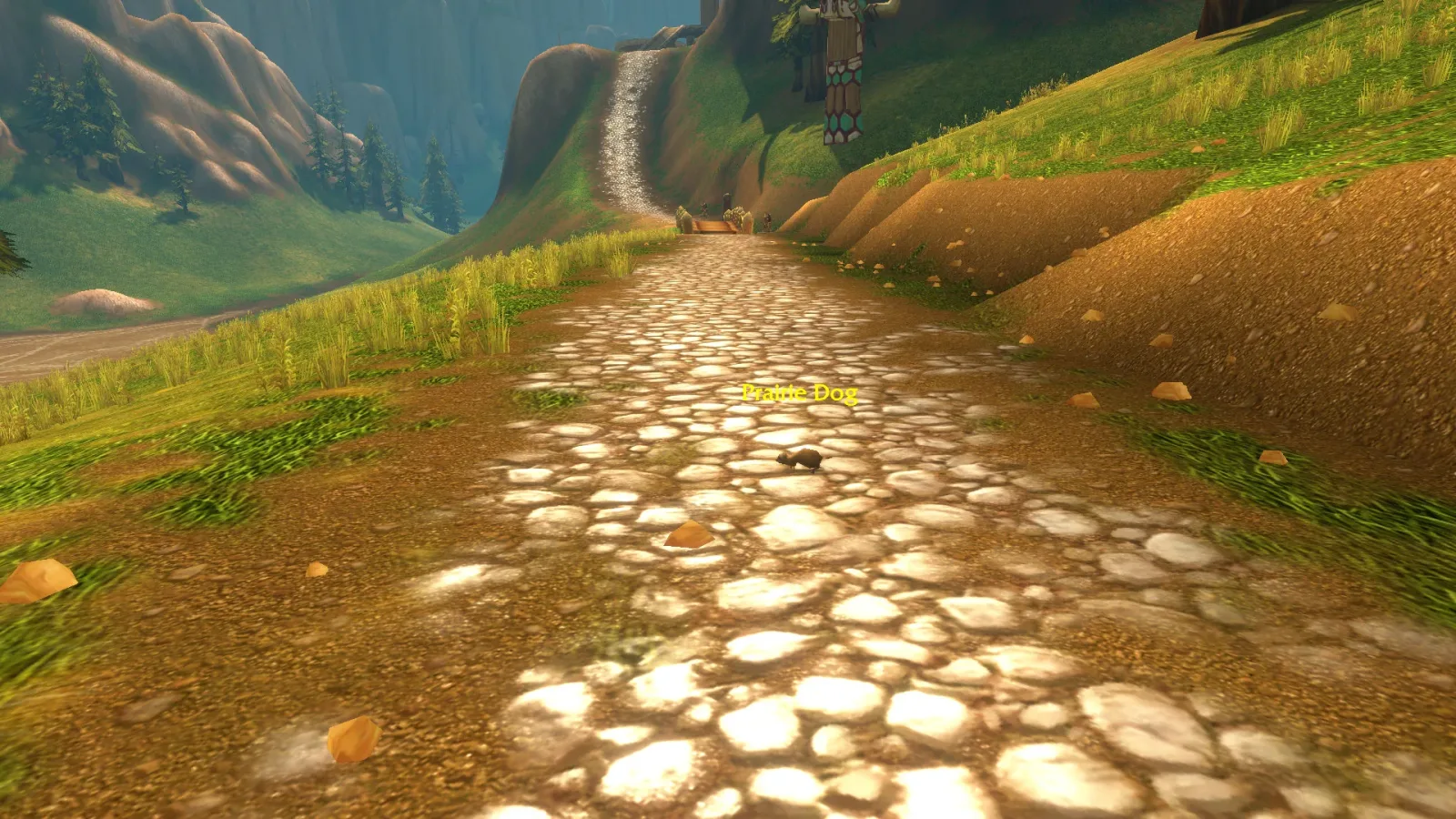
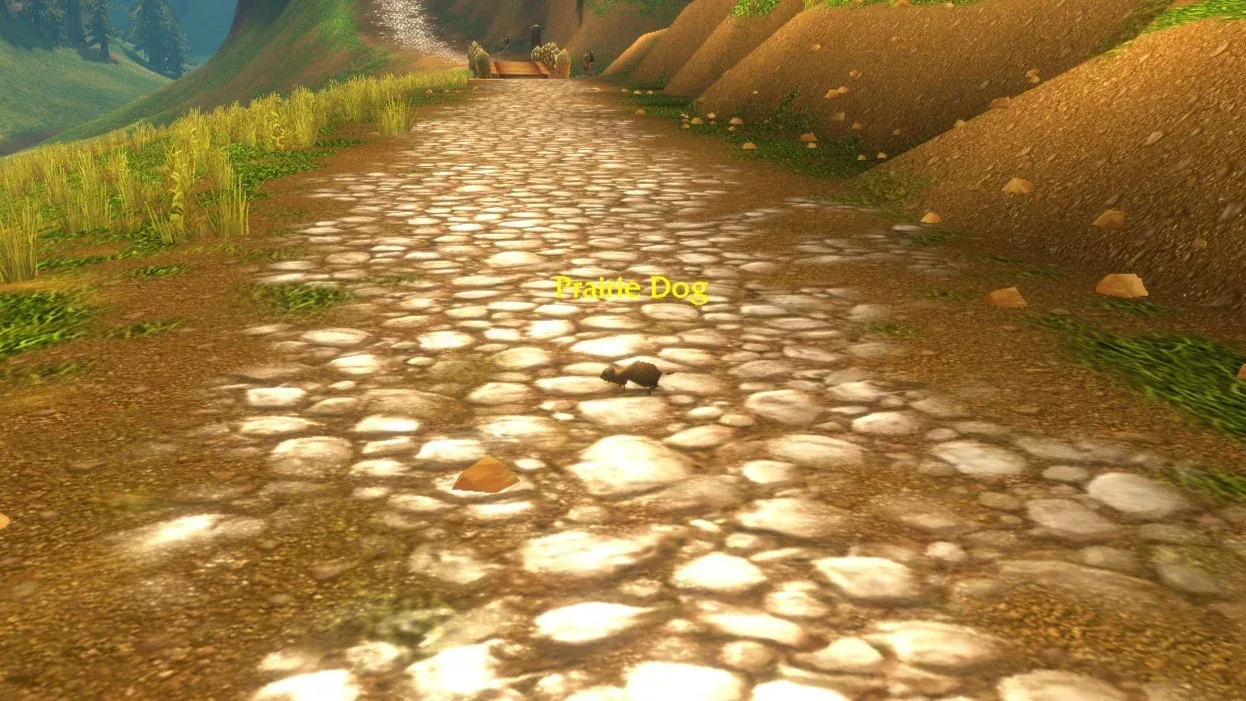
For World of Warcraft players spending time in Mulgore, that creature is the prairie dog. It is supposed to be one of the quiet background animals that helps make the Tauren starting region feel alive: a little rodent darting across broad grasslands beneath the shadow of Thunder Bluff. In practice, the original prairie dog is something else entirely. It is a sharp-edged, unsettlingly shaped, deeply peculiar animal with a face that seems to have been assembled from a handful of polygons and a vague memory of what a mammal looks like.
And in World of Warcraft: Forever, it is still there.
That detail may sound trivial, but it represents one of the pleasures of revisiting an older version of an online world. Modern games often refine, replace, and polish their roughest details. That is usually the sensible decision. Better animations and higher-fidelity models make a world more readable, more attractive, and more consistent. But revision can also erase the eccentricities that gave a place its particular personality. The old Mulgore prairie dog is not beautiful by conventional standards. It may be among the least convincing animals ever placed in Azeroth. Its continued existence is nevertheless a delight.
For useful background on this topic, read System Shock 2: 25th Anniversary Remaster Is Free on PC Until October 8.
A prairie dog only early Azeroth could make
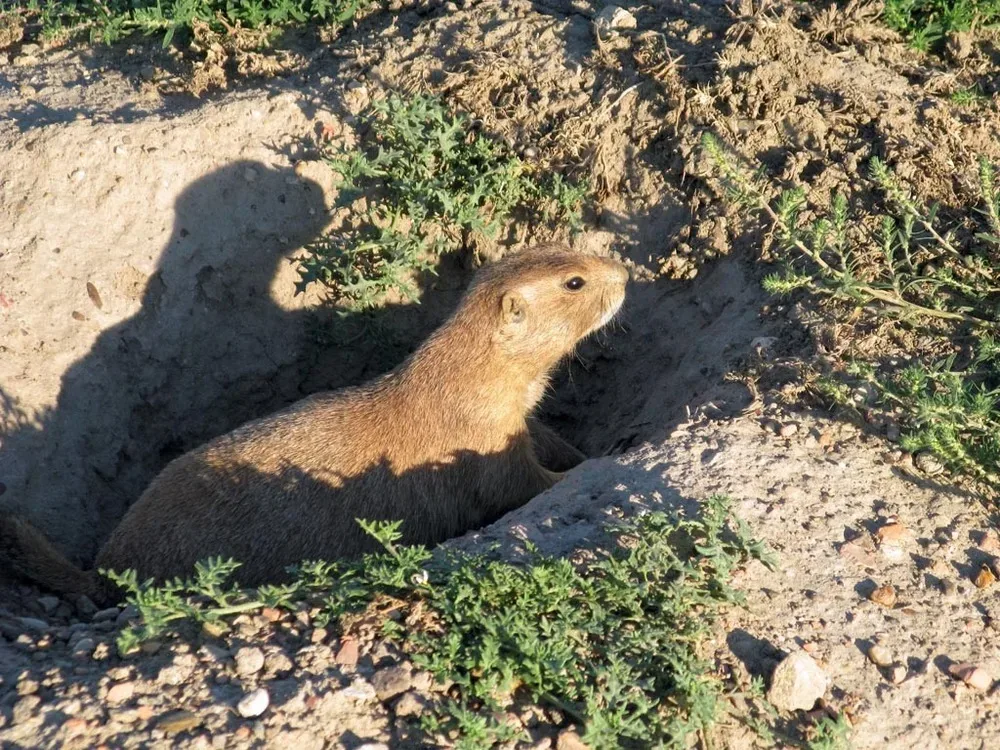
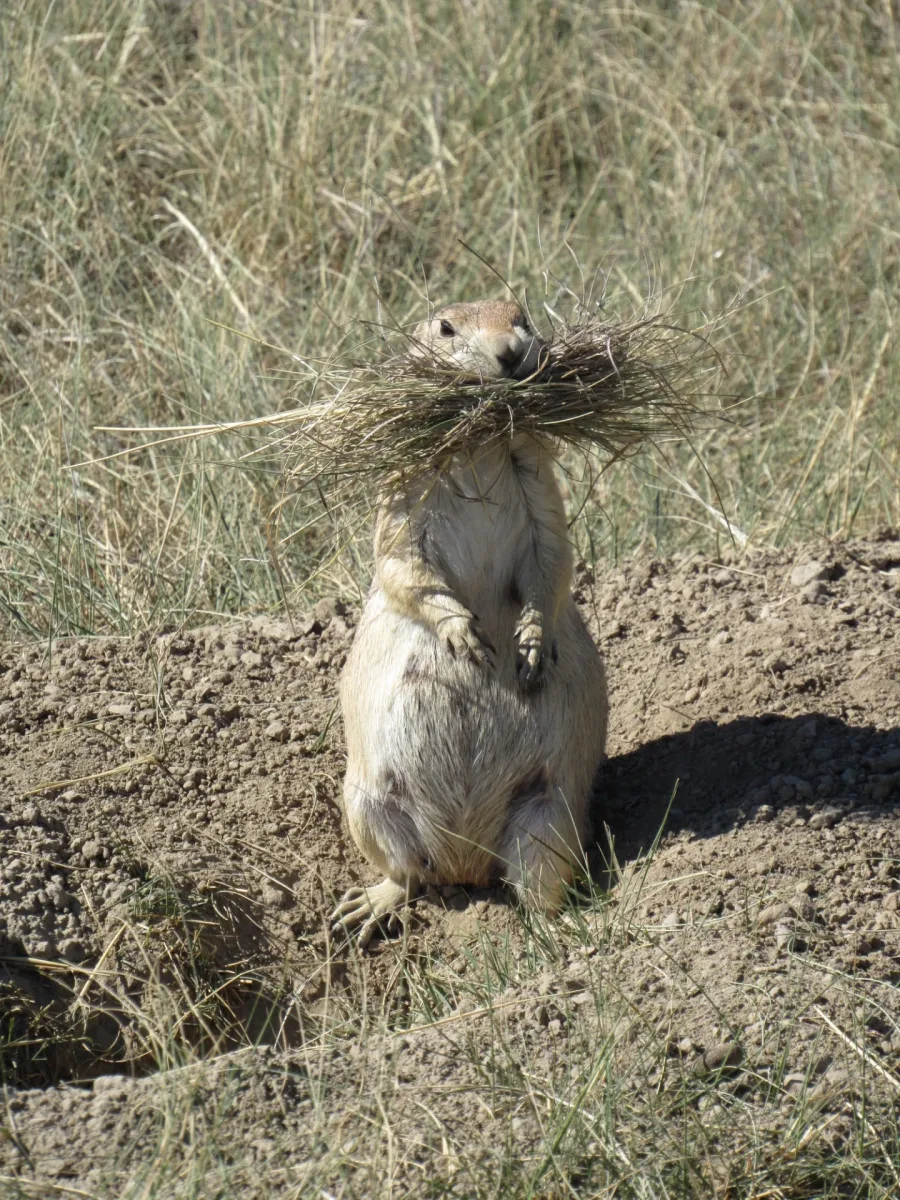
Real prairie dogs are compact, social rodents found across the grasslands of North America. They burrow, live in colonies, and play an important role in prairie ecosystems. To people who enjoy wildlife, they are charming little animals; to many farmers, their digging and presence can be less welcome. Either way, their recognizable silhouette is not especially difficult to grasp. They are small, low to the ground, and rounded.
The classic World of Warcraft interpretation takes an aggressively different route. The creature's head appears unusually pointed, its body posture is oddly hunched, and its eyes have an empty quality that turns a harmless environmental critter into an accidental piece of fantasy-horror scenery. Seeing one at a distance does not necessarily prepare a player for how strange it looks when targeted and viewed more closely.
It is not simply an old model in the ordinary sense. Plenty of early MMO assets have limited geometry, simple textures, and stiff animations. The original prairie dog stands out because its limitations combine in a way that produces a genuinely bizarre result. It feels less like a dated representation of a real animal and more like an obscure creature from another planet that happened to be assigned the prairie dog label.
For another perspective on this story, read World of Warcraft: Forever Keeps the Strange Old Prairie Dog Alive.
That disconnect is the whole appeal. There is a special kind of affection reserved for a game object that is plainly imperfect but unforgettable. A fully updated animal model may be technically superior in every measurable way, but it may also become just another pleasant creature wandering through the scenery. The old prairie dog has character because it is impossible to mistake for anything else.
Mulgore makes the weirdness feel at home
Mulgore is an ideal place for such an oddity to persist. The zone has always been closely associated with Tauren characters, open plains, gentle slopes, and a slower, more pastoral beginning than several of the game's other starter experiences. Choosing a Tauren means eventually spending time among its wide fields and earth-toned landscapes, moving through quests that establish the region as a homeland shaped by nature, community, and spiritual tradition.
It is also a setting that can resonate with players familiar with the prairies of the real world. The visual connection is not exact, of course. Mulgore is a fantasy landscape, with towering mesas and the architectural spectacle of Thunder Bluff. Still, its broad horizons and grassland atmosphere make a prairie dog an intuitive bit of environmental dressing. A player can accept the animal's place in the zone instantly, even if the model itself seems to resist every attempt at biological accuracy.
That tension is amusing. Here is a peaceful stretch of Azeroth designed to evoke natural beauty, and running through it is a tiny polygonal creature that looks like it has seen things no prairie dog should ever see. It does not break the mood. If anything, it adds to the distinct texture of a game built during an era when MMO worlds were filled with technical compromises that could become accidental comedy.
Preservation is not always about prestige
When people talk about game preservation, the conversation often focuses on major historical artifacts: complete releases, discontinued platforms, server infrastructure, landmark mechanics, or famous expansions. Those issues matter enormously. But preservation also has a more intimate side. It includes the little visual accidents and rough edges that players remember because they were part of the experience.
Keeping the original prairie dog in World of Warcraft: Forever is a miniature example of that idea. The model reflects the visual language of early World of Warcraft, a time when the game needed to run across a wide range of PC hardware and every asset was made under practical technical constraints. Its ugliness is inseparable from its age. Modernizing it may create a better prairie dog, but it also removes a small artifact of how Azeroth once looked and felt.
There is no reason every old asset should remain untouched forever. Games change, and visual updates can be valuable. The retail version of World of Warcraft eventually replaced this odd model with a prairie dog that more closely resembles the animal players would expect to see. For anyone who wants Mulgore's fauna to be cute rather than uncanny, that is an understandable improvement.
But retaining the older creature in a version built around the original game's identity gives players a meaningful alternative. It acknowledges that authenticity is not only about quest text, systems, or geography. It can be found in a lopsided ambient animal scurrying through the grass.
A purchasable piece of weird history
The prairie dog's legacy extends beyond its wild appearances in Mulgore. Near Thunder Bluff, players can find Halpa around the Hunter's Rise entrance and purchase a pet prairie dog for 50 silver. That means the strange little model is not limited to a fleeting sighting during a low-level questing trip. It can become a companion that travels with a character beyond the plains where it originated.
There is something wonderfully excessive about that option. A player can carry one of Azeroth's most malformed-looking critters into cities, dungeons, and distant zones simply because they enjoy it. Pets in MMOs are often status symbols, souvenirs from difficult content, or reminders of a seasonal event. This prairie dog offers a different value: it is a portable celebration of an old game model that somehow became more lovable because it never looked quite right.
That is also part of the broader social language of games like World of Warcraft. Players bond over mechanics and stories, but they also create shared affection for bugs, awkward animations, obscure NPCs, and pieces of visual design that are funny for reasons nobody planned. A strange asset becomes a community landmark when enough people recognize it, laugh at it, and decide that it would be a shame to lose it.
Let ugly things remain lovable
The continued presence of the classic prairie dog is a reminder that polish is not the only measure of value. Games need improvement, accessibility, stability, and thoughtful updating. Yet a living game world can benefit from retaining a few scars and peculiarities from its past. They make that world feel less sanitized and more lived-in.
World of Warcraft has endured for so long that it contains multiple eras of visual identity, design philosophy, and player memory. Some elements have aged gracefully. Others have aged into comedy. The Mulgore prairie dog firmly belongs to the second category, but that does not make it disposable. Its pointed head, odd posture, and unsettling stare have become a tiny part of what makes the older version of Azeroth recognizable.
For players who love Tauren characters, return regularly to Mulgore, or simply appreciate a wonderfully wrong-looking animal model, the prairie dog is worth celebrating. It may not be the cutest critter in the game. It may not even be close. But in the polygonal plains of Mulgore, it remains exactly what it needs to be: weird, memorable, and oddly perfect.
Community
Discussion
Start the conversation.
No comments have been posted yet.