

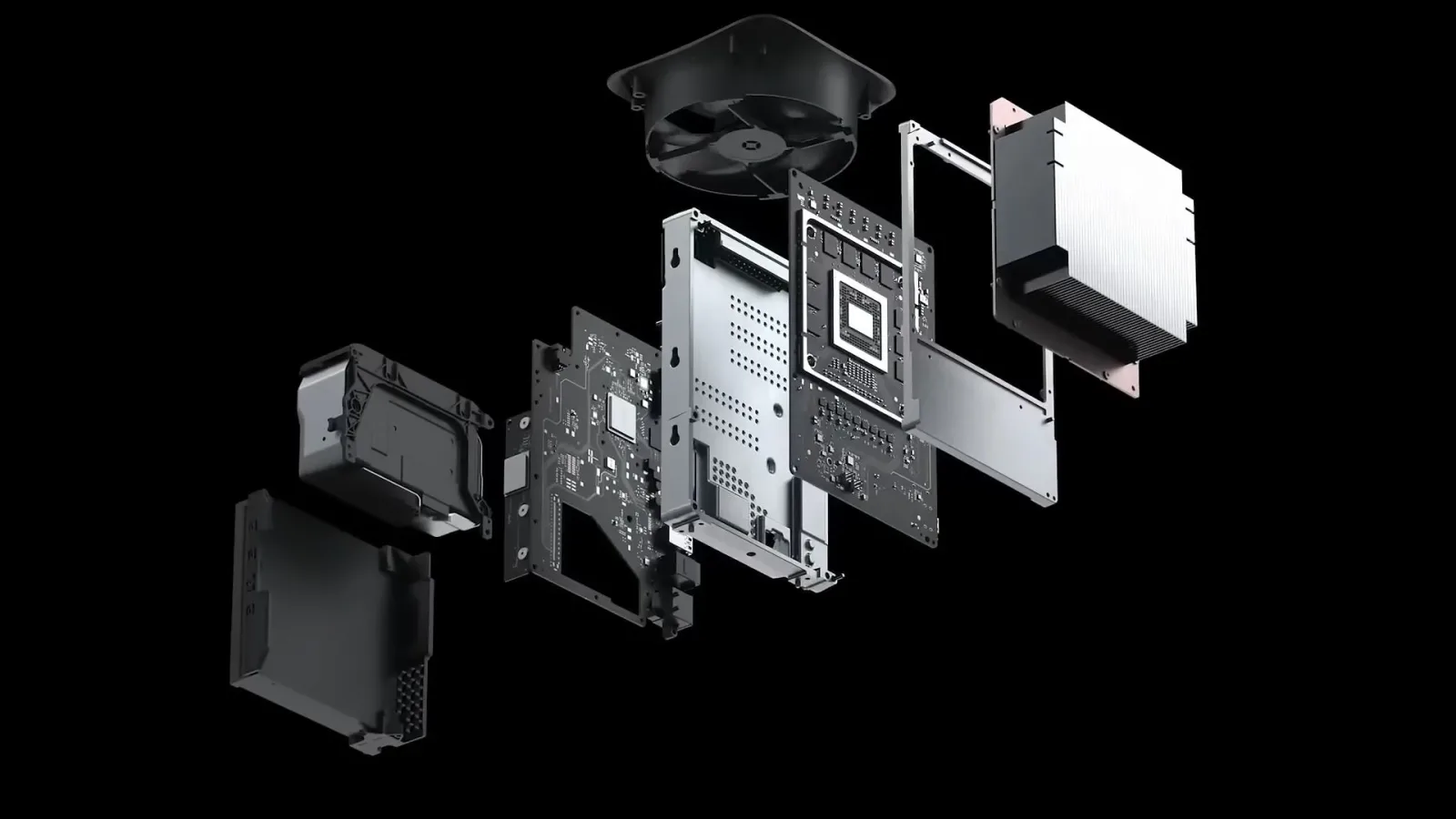
Microsoft's gaming strategy has become one of the industry's most closely watched balancing acts. The company owns some of the largest studios and series in games, operates Game Pass, publishes across console, PC and cloud services, and has steadily widened the reach of its games beyond Xbox hardware. Yet that expansion has sharpened a difficult question: what, precisely, is Xbox meant to be?
Jon Kimmich, a Microsoft veteran whose 16-year tenure included the formative period of the Xbox brand, believes the company must answer that question before its next hardware initiative, known as Project Helix, arrives. His core argument separates Microsoft Gaming, the broad business responsible for games and publishing, from Xbox, the platform that connects hardware, operating systems, storefronts, player identities, communities, development tools and third-party partners.
Those two entities can overlap, but they do not necessarily succeed or fail together. Microsoft Gaming can expand as a publisher, Kimmich argues, while the Xbox platform itself loses its distinct purpose. That distinction is increasingly important as Microsoft pursues multiplatform releases, PC growth, subscriptions and cloud access alongside plans for another Xbox device.
A platform needs more than games on more screens
For years, Xbox has promoted the idea that players should be able to access their games wherever they prefer. The broad "play anywhere" philosophy has clear advantages: lowering barriers can grow an audience, connect purchases across devices and make first-party games available to more people. But accessibility alone does not automatically create a compelling reason to choose Xbox over competing ecosystems.
For useful background on this topic, read Numbers Go Up Steam Demo Brings 2048 Roguelike Deckbuilding to Game Devs of Color Expo 2026.
Kimmich's criticism is that Xbox has attempted to be present everywhere without making any one part of its offering feel indispensable. The business expanded deeper into PC, cloud streaming, mobile-adjacent services and third-party publishing. However, the identity of the platform became harder to explain, especially for players deciding whether to buy a console, build a PC, subscribe to a service or simply buy individual games through another store.
The now-retired "This is an Xbox" campaign illustrates the problem in his view. The slogan aimed to make Xbox feel broader than a plastic box below a television, encompassing phones, PCs, smart TVs and other devices. But a campaign can only work when the experience behind it is clear. If almost any screen is an Xbox, consumers may reasonably ask why they need specifically branded Xbox hardware, software or commerce in the first place.
That is not merely a marketing concern. A platform is valuable because it can establish a durable relationship with customers and developers. It can set standards, support ownership and account systems, create a reliable purchasing path, give studios technical tools, and offer partners a meaningful audience. The more those functions are handled by other companies, the less control the platform holder has over its own future.
Why Project Helix could be a crucial test
Project Helix is expected to run PC games, a direction that potentially gives it unusual flexibility compared with a conventional closed console. But that flexibility also creates a strategic risk. If a living-room Xbox primarily serves as a convenient way to open Steam or access ordinary Windows software, then Microsoft may have built hardware that sends much of its customer spending into a rival ecosystem.
Kimmich frames the concern bluntly: an Xbox that is chiefly valuable as a Steam launcher would effectively help fund Valve's storefront rather than strengthen Microsoft's own gaming platform. Steam has a clear focus on PC customers, a powerful library, entrenched community features and a store players already understand. A PC-capable Xbox cannot simply assume that a television-friendly design will be enough to pull users away from those habits.
Project Helix therefore needs a clear answer to what it offers that a standard PC, a Steam Machine-style living-room setup, or a competing console does not. Price could matter, though no pricing has been announced. Ease of use will matter. So will performance, interface design, compatibility, game libraries and trust that the device will receive long-term support. Most importantly, Microsoft will need to explain why buying into the Xbox ecosystem offers benefits beyond the ability to launch the same games available elsewhere.
The wider console market makes that task more urgent. Hardware faces pressure from high component demand, including demand associated with AI infrastructure, while consumers have more ways than ever to play games without purchasing a new dedicated machine. Nintendo's Switch 2 provides the contrasting example raised in this debate: it is built around a sharply defined proposition. Its hardware, software and first-party identity reinforce one another. A more open Xbox system could succeed, but only if openness is paired with a recognizable value proposition.
XboxOS, Windows and the fight for a distinct identity
One possible route is to turn the current concept of Xbox Mode into something more coherent: an Xbox-focused operating environment that works across Windows machines and approved third-party devices. In this model, Xbox would not abandon PC compatibility. Instead, it would seek to make the Xbox layer the preferred way to access games, social features, ownership records, cross-device saves, developer tools and purchases.
That ambition requires more than a console-style dashboard placed on top of Windows. Players would need to see a meaningful reason to use XboxOS rather than the standard Windows desktop, Steam's interface or another launcher. Developers would need to see reach, simpler publishing processes, effective tools and commercial terms worth supporting. Hardware makers would need a reason to ship devices that highlight the Xbox experience.
Microsoft has unusually broad ingredients for such a strategy. Azure has extensive cloud infrastructure. PlayFab provides services that can help developers with back-end and live operations needs. Game Pass remains a recognizable subscription product. The Xbox store, cloud gaming and first-party catalog could all reinforce one another. But Kimmich's point is that these components cannot remain a loosely connected collection of services. They need to support a single, understandable promise to both players and creators.
Ownership could be central to that promise. Cross-buy programs such as Play Anywhere have long been positioned as consumer-friendly, allowing eligible purchases to work on both Xbox and PC. Yet Kimmich characterizes the initiative as comparatively niche. If Microsoft wants ownership and reach to define Xbox, it will need to make such benefits easier to recognize and more widely used.
First-party games remain the foundation
Even the best platform strategy requires games people want to play. Kimmich recalls that the original rationale for Xbox was not simply to sell consoles in a contest with Sony. Microsoft was concerned that another company could control the operating and commerce layer in the living room. First-party software gave Xbox the reason to exist and helped attract customers to that broader ecosystem.
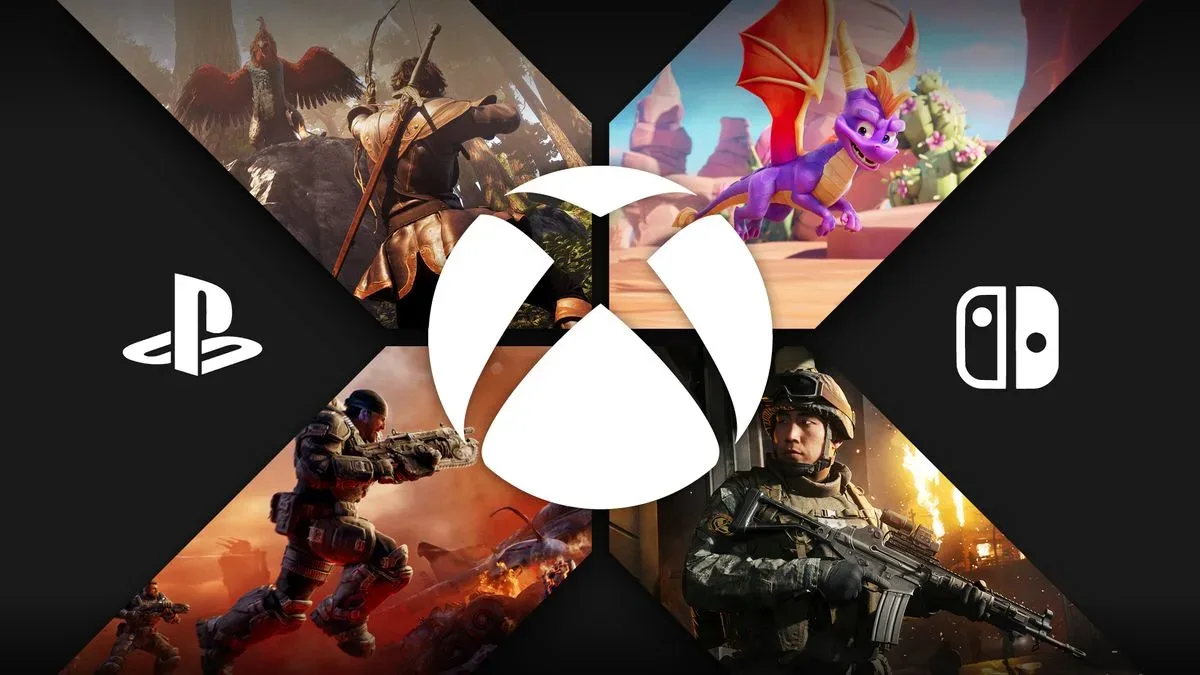
That history makes Microsoft's recent publishing decisions especially consequential. The company has increasingly put games on platforms beyond Xbox, including PlayStation 5 releases. Halo: Campaign Evolved launched across PC, Xbox and PS5, while the Halo brand was moved into Activision and Halo Studios was dismantled. Such moves may increase the commercial reach of individual games, but they also intensify the question of what Xbox hardware retains for itself.
There is no simple rule that every Microsoft game must remain exclusive forever. A platform can benefit from publishing income and broader cultural visibility. The issue is consistency. If fans, developers and retailers cannot tell which releases define Xbox, which will reach rivals, and why those choices are being made, it becomes difficult for Xbox to build confidence around future hardware.
That uncertainty arrives during a period of layoffs, studio consolidation, closures and restructuring. Employees and players can understandably interpret a focus on immediate profitability as a sign that the company is managing a portfolio for extraction rather than investing patiently in a platform. Kimmich warns that the worst outcome would be to promise a thriving Xbox ecosystem while effectively running a harvest business.
What progress would look like
Over the next 12 to 24 months, several developments could show whether Microsoft is committing to the platform path. Kimmich points to third-party hardware running an XboxOS-style experience, growth in Play Anywhere and the PC store, and meaningful integration of Disc to Digital with Helix. He also highlights the need for progress in Minecraft's creator economy, faster publishing systems for developers, clarity around the relationship between Battle.net and the Xbox Store, and an exclusivity policy that does not change with every financial reporting period.
These are not small operational details. They would indicate whether Microsoft can connect its many gaming businesses into an ecosystem with a center of gravity. A successful Helix would need to feel like the reference device for that ecosystem: accessible enough for PC players, straightforward enough for console households, and distinctive enough that users see Xbox as more than a bundle of apps and services.
The failure case is just as easy to picture. A premium-priced Helix with no obvious purpose, an Xbox interface used mainly to reach other storefronts, weakened investment in major franchises, and revenue redirected away from Xbox's own future would make the platform argument far harder to sustain.
Microsoft has the resources, technology and game portfolio to pursue either path. It can be a far-reaching multiplatform publisher, or it can make a renewed case for Xbox as a platform that customers and developers actively choose. It may be able to do some of both, but Project Helix will likely reveal whether those goals are being integrated into one strategy or merely placed alongside each other.
Community
Discussion
Start the conversation.
No comments have been posted yet.