

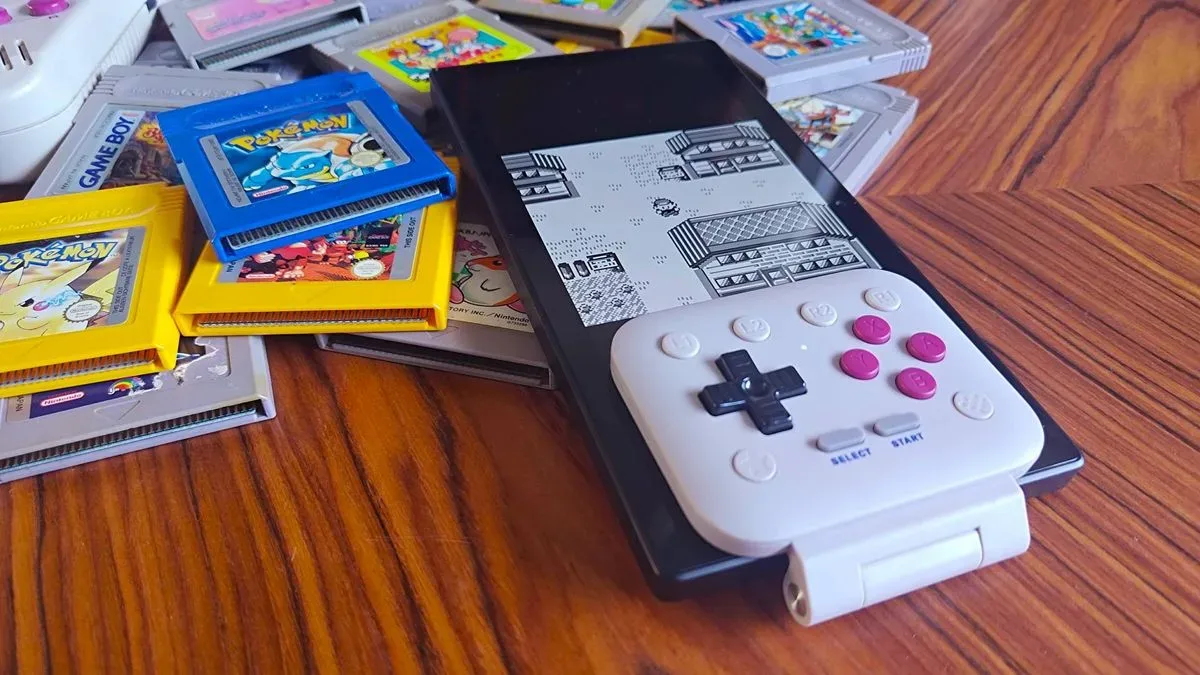
The 8Bitdo FlipPad is one of the most elegant answers yet to a simple retro-gaming problem: how do you give a modern phone satisfying physical controls without turning it into a bulky handheld? At $29.99, this compact USB-C controller attaches to the bottom of a compatible device and places a Game Boy-inspired control layout beneath the screen. It is wonderfully thin, exceptionally light, and equipped with tactile buttons that feel far better than their tiny footprint suggests.
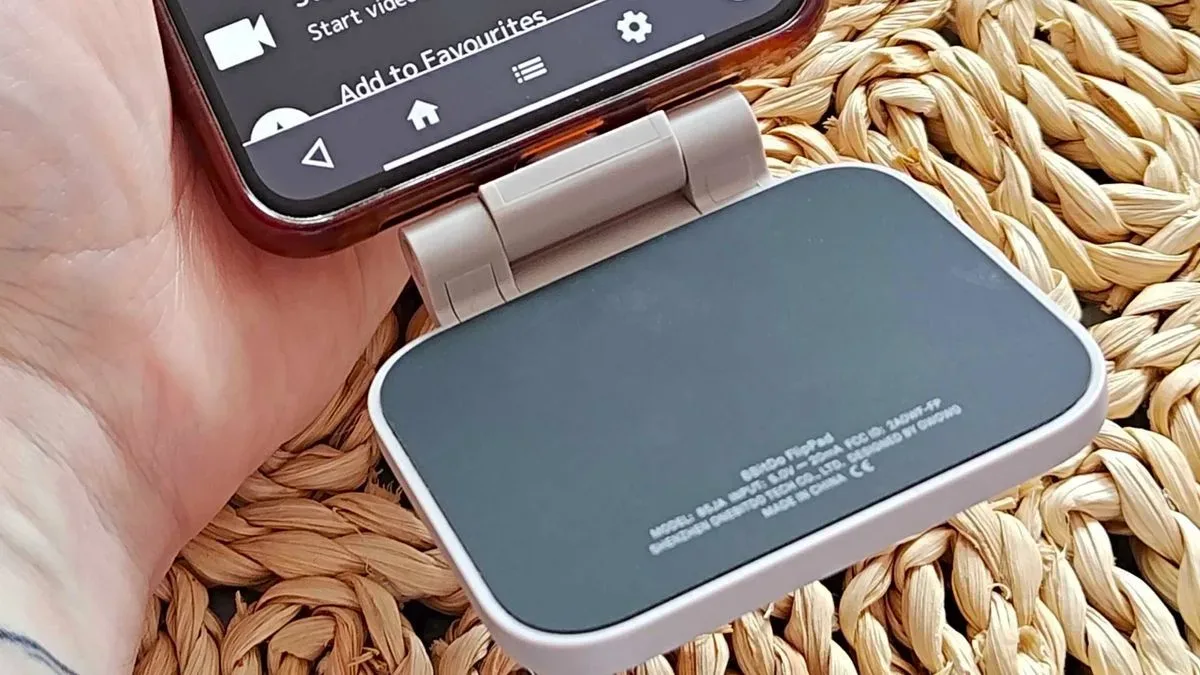
Its biggest trick is also its best one. Rather than forcing users to remove the controller whenever they need to tap an emulator menu, answer a message, or use the rest of their phone, the FlipPad folds away on a sturdy hinge. That makes it feel less like a conventional mobile controller clamped around a handset and more like a small set of physical controls that can disappear when they are not needed.
There are meaningful limitations beneath that polished design. The FlipPad depends entirely on a direct USB-C connection, has no wireless mode or internal battery, and can be fussy about phone cases. It is not the best fit for every retro platform or every game. But for players who want a discreet, enjoyable way to run Game Boy adventures, especially Pokémon-style RPGs, on a phone, it is an excellent specialist accessory.
A remarkably compact retro controller
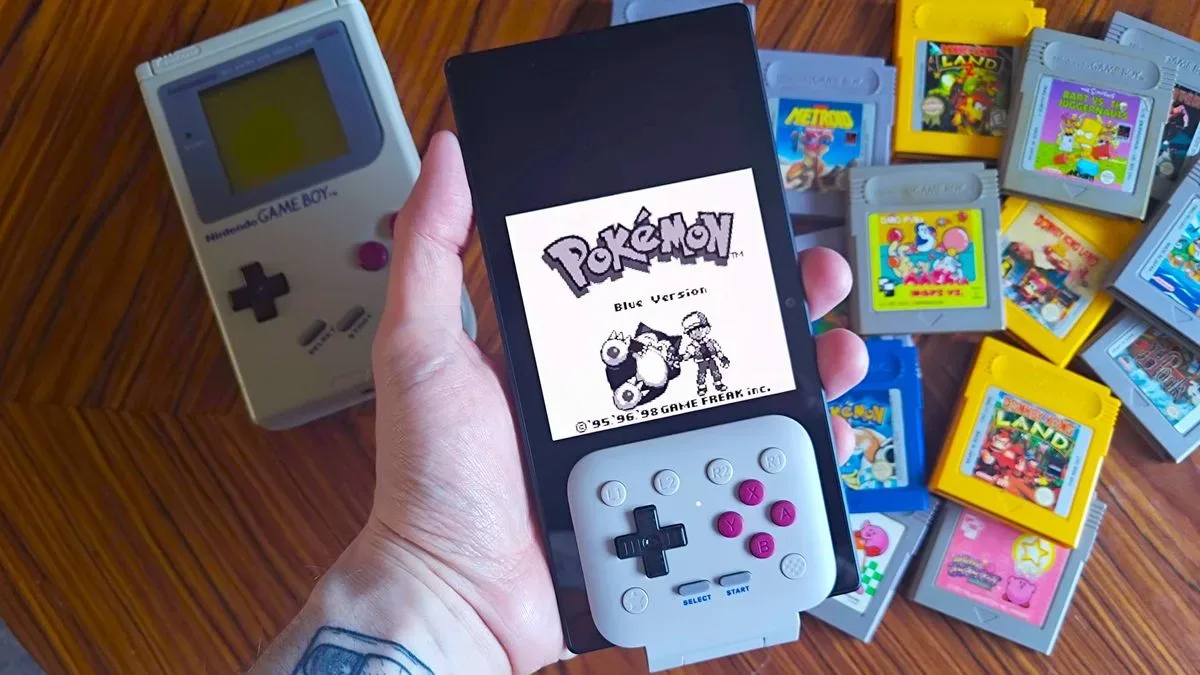
The FlipPad's most immediate advantage is its size. At roughly 19.7mm thick and just 31.5 grams, it is built around minimal bulk. That matters for a device meant to live in a pocket or bag alongside a phone. Plenty of mobile controllers deliver more inputs, grips, or flexibility, but many of them make a handset feel like it has been locked into a large piece of gaming hardware. The FlipPad takes the opposite approach.
For useful background on this topic, read DoorDash Tests iMessage AI Agent That Can Turn a Text Into a Food Order.
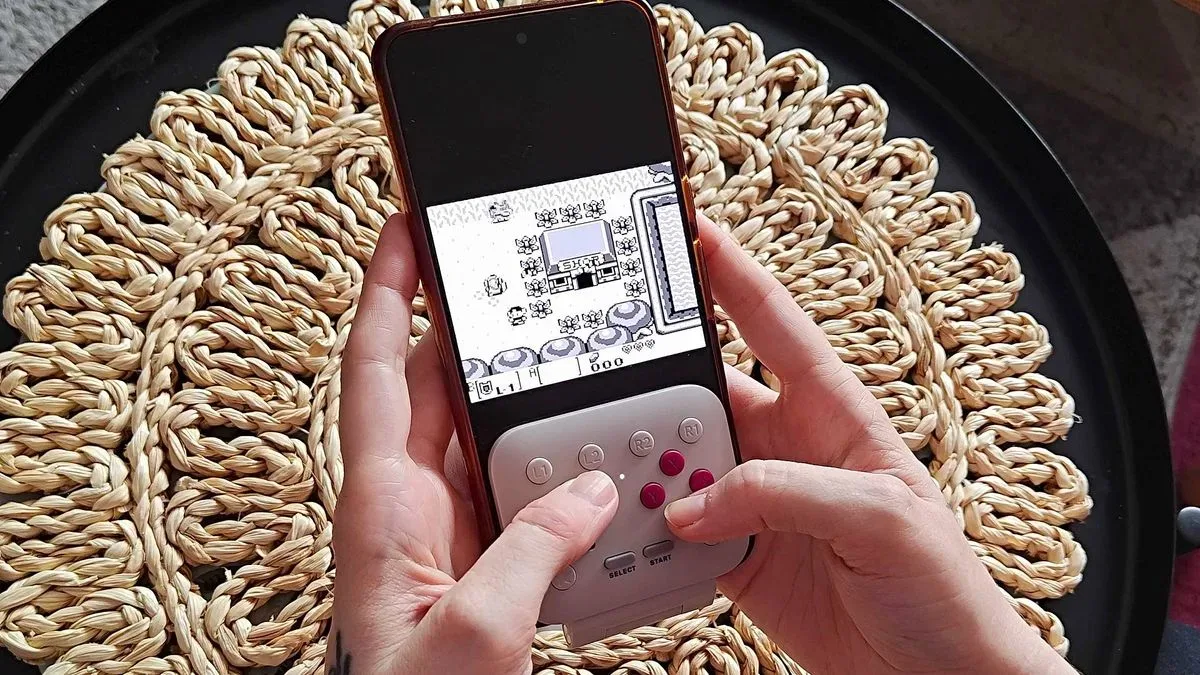
It keeps everything centralized below the display, aiming to make the phone feel as though it simply gained physical buttons. For slower-paced retro games, that approach works especially well. A brief session of a classic RPG, puzzle game, arcade title, or Game Boy platformer becomes much more comfortable than using touchscreen overlays, while the phone remains relatively sleek and easy to carry.
That narrow focus is important. This is not a universal controller intended to replace a full gamepad. It is a purpose-built tool for 8-bit and 16-bit games, and its appeal rises or falls depending on whether that is the experience being sought. Players looking for a pocketable way to jump into older games will find the design compelling. Those hoping for a controller that handles every console generation, streaming service, and modern action game may run into its boundaries quickly.
The hinge is more useful than a novelty
The name gives away the FlipPad's defining feature. Its mechanical pivot lets the controller swing out of the way of the phone screen with a firm, satisfying snap. That may sound like a small convenience, but it solves a common irritation of mobile emulation.
Retro apps and emulation suites still require regular touchscreen interaction. Settings menus, game libraries, display adjustments, remapping options, and general phone use all ask the player to touch the screen. With many mobile gamepads, that means taking a device out of a clamp, disconnecting an accessory, or awkwardly reaching around physical controls. The FlipPad allows the buttons to be moved aside instead.
The mechanism reportedly has a durability rating of more than 6,000 flips, and its action has a notably solid mechanical feel. There is an appealing resemblance to the old folding hardware era, including flip phones and the Game Boy Advance SP, but its purpose is inverted. Older clamshell designs folded shut to protect buttons and screens. Here, the controller folds away to restore the phone's normal function.
There is one practical caveat. Because the FlipPad is attached through the USB-C port, any excess movement caused by a poor fit can create concern about pressure on that connector. A properly matched phone and case should keep things stable in ordinary use, but a setup with noticeable wobble is less reassuring. The hinge itself is impressive; the physical relationship between controller, case, and port is where care is needed.
Click-dome controls give it premium feel
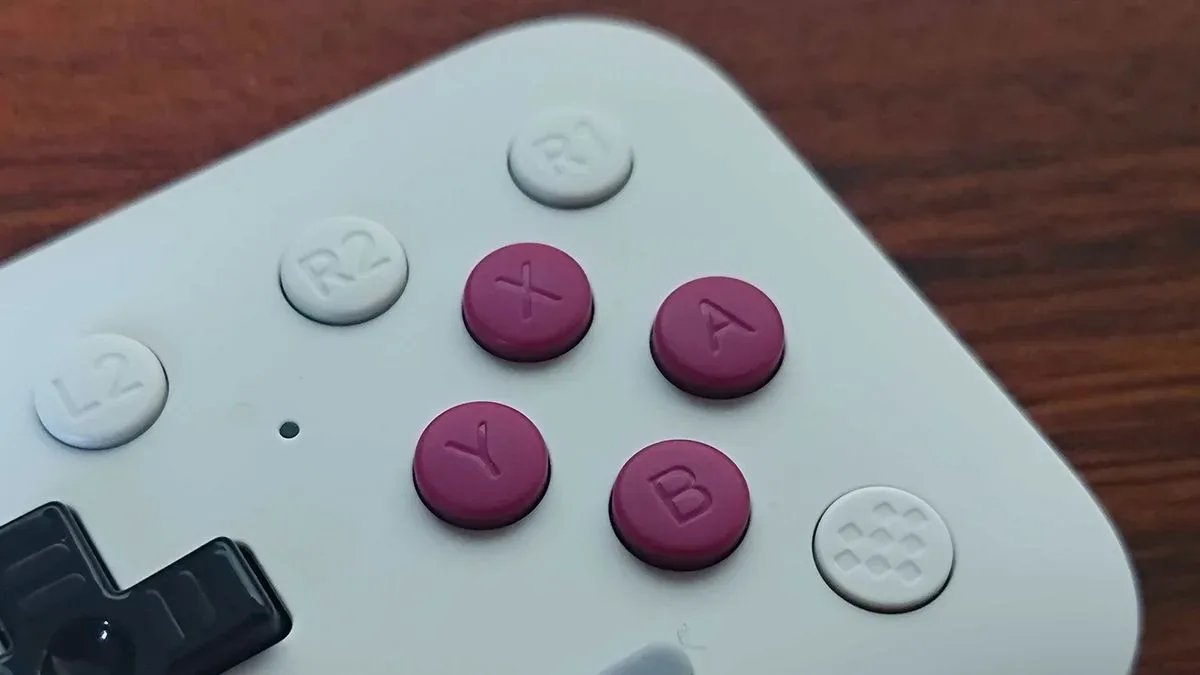
8Bitdo has made an effective choice with the FlipPad's buttons. Instead of chasing the softer membrane sensation associated with original Game Boy hardware, the controller uses click-dome contacts. The result is crisp, tactile feedback with short travel and a definitive response. Each press is accompanied by a pleasantly pronounced click, making inputs feel immediate and deliberate.
That response fits the rest of the device. A traditional membrane layout may have been more nostalgic on paper, but it could have made this ultra-slim controller feel mushier or less secure. The click-dome implementation supports quick, accurate presses while helping reduce the amount of force applied to the small unit. Even when the controller is not fitted perfectly, the shorter button travel helps prevent it from shifting as much as a deeper, softer design might.
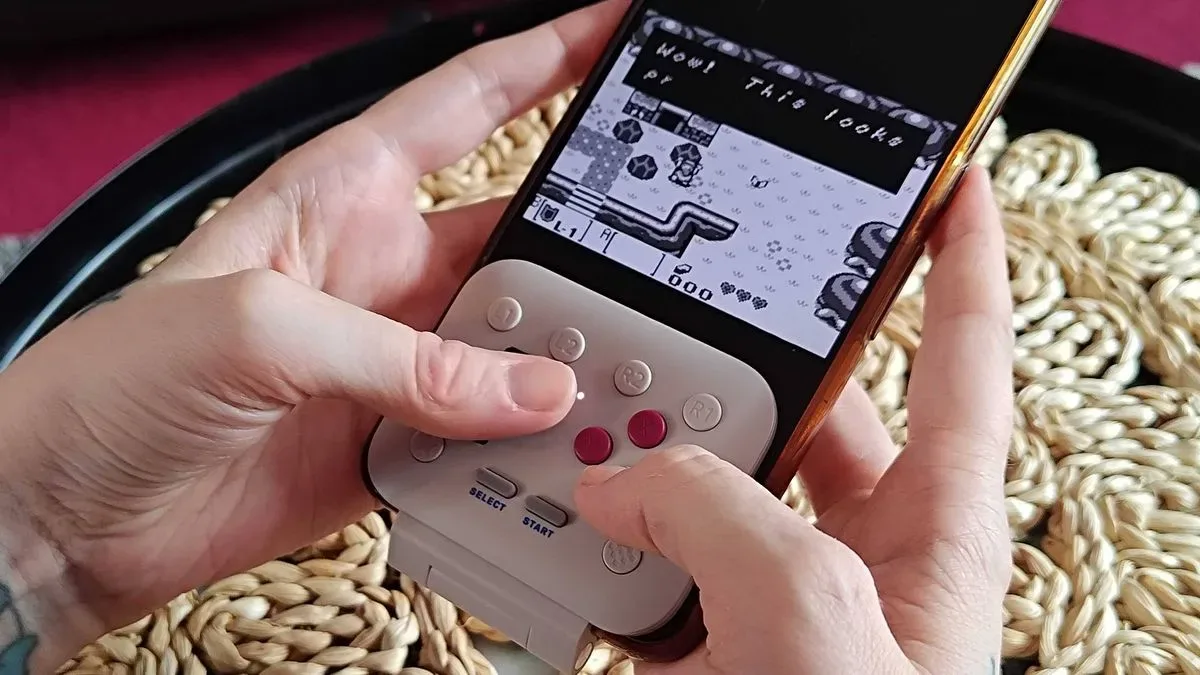
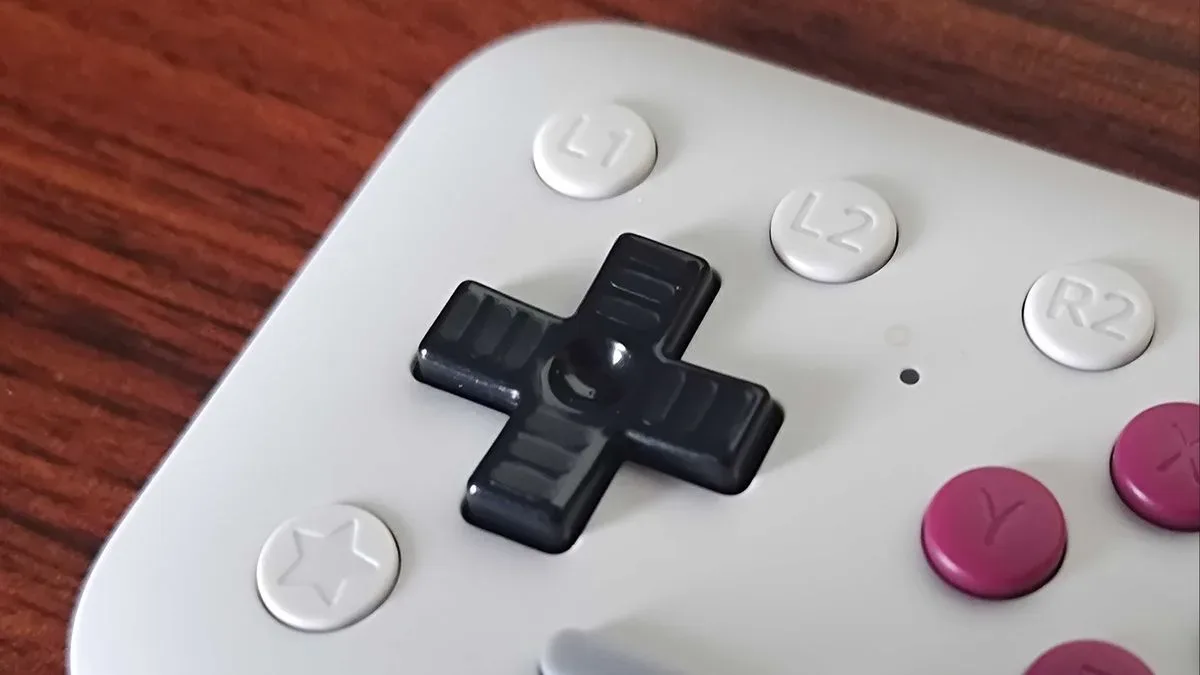
The face buttons have a soft-touch matte finish and embossed A, B, X, and Y markings. The D-pad leans more directly into Game Boy heritage, with familiar ridges and a shape that recalls Nintendo's classic portable design. Together, these elements deliver a level of tactility that makes the FlipPad especially enjoyable for old-school games. Direct USB-C connectivity also keeps latency low, helping with precise platformers and other games that punish delayed input.
However, the layout reveals why this is a specialist controller. The additional left and right inputs are placed on the face rather than on true shoulder triggers. That is manageable in games that barely need those commands, but it becomes awkward in titles that rely on simultaneous movement, shooting, and shoulder-button actions. A game such as a Game Boy Advance shooter can require uncomfortable finger repositioning, and the design is less suited to systems and genres that expect a fuller controller layout.
Case compatibility is the major practical concern
The most significant obstacle is fit. The FlipPad is designed around phones using a fairly standard protective case of around 2mm thickness. In the ideal scenario, the controller rests flush against the bottom of the device, with its rubber contact point holding firmly against the phone. In practice, phone dimensions, port placement, camera bumps, and the huge variety of cases on the market make that ideal far from guaranteed.
A thin case can still leave an air gap that allows the unit to pivot or wiggle from side to side. A thicker case may prevent the USB-C connector from reaching the port at all. Non-standard devices present further complications, particularly handsets with offset USB-C ports. The controller can also work with some larger USB-C devices, but compatibility remains dependent on physical dimensions rather than a broadly adaptable mounting system.
This is where a selection of adapters or adjustable spacers could have made a real difference. Such additions would have made the FlipPad more accommodating across phone cases and handset designs without abandoning its plug-and-play nature. As it stands, prospective buyers should check their phone's bottom-edge layout and consider the thickness of their usual case before treating compatibility as a certainty.
Minimalism brings both strengths and omissions
The FlipPad's streamlined build is admirable, but it does leave features on the table. It has no Bluetooth connection, so it cannot conveniently double as a wireless controller for a Nintendo Switch, tablet, computer, or other compatible device. It has no battery because it draws power through USB-C, and it offers no expanded grip or rear-mounted shoulder controls.
Those omissions are not flaws for every player. Removing batteries and wireless hardware helps preserve the controller's tiny profile, low weight, and relatively affordable price. The direct connection is also a strength for responsiveness. Still, a rival with Bluetooth and a more conventional shoulder-button layout will be a better choice for players who want one controller to serve several devices and several generations of games.
The FlipPad is consequently at its best when its constraints align with the player's habits. It excels when the objective is discreet phone-based retro gaming, not maximum versatility. Its controls feel more polished and its form factor feels less intrusive than many alternatives, but it cannot completely replace a larger controller with broader connectivity and more inputs.
Who should buy the 8Bitdo FlipPad?
This controller is an easy recommendation for someone who regularly plays Game Boy, Game Boy Color, NES, and similarly simple retro libraries through a compatible USB-C phone. It is particularly well suited to turn-based games, classic Pokémon adventures, puzzle titles, and platformers where a D-pad and responsive face buttons matter more than an elaborate control scheme.
It is also ideal for players who dislike the look and feel of a phone trapped inside a giant controller shell. The FlipPad's low-profile design and folding function make it unusually convenient for short sessions on public transport, during breaks, or whenever a full handheld is not available.
Players who use thick cases, own phones with unusual port placement, prioritize wireless support, or plan to play games built around shoulder buttons should consider a more feature-rich alternative. The FlipPad's narrow mission is not a weakness by itself, but it does demand realistic expectations.
Final takeaway
The 8Bitdo FlipPad does not fully transform every phone into the definitive Game Boy replacement, but it gets remarkably close for the right kind of retro player. Its tactile controls are excellent, its slim design is genuinely pocket-friendly, and its hinge is a thoughtful solution to the touchscreen-access problem that affects many mobile controllers.
Phone-case fit remains a frustrating variable, while the lack of Bluetooth and conventional shoulder controls limits its appeal beyond simpler retro games. Yet those compromises do not erase what makes the FlipPad special. For a compact, direct USB-C controller focused on classic portable-style gaming, it is one of the most satisfying options available--and a particularly charming companion for spontaneous Pokémon sessions.
Community
Discussion
Start the conversation.
No comments have been posted yet.