

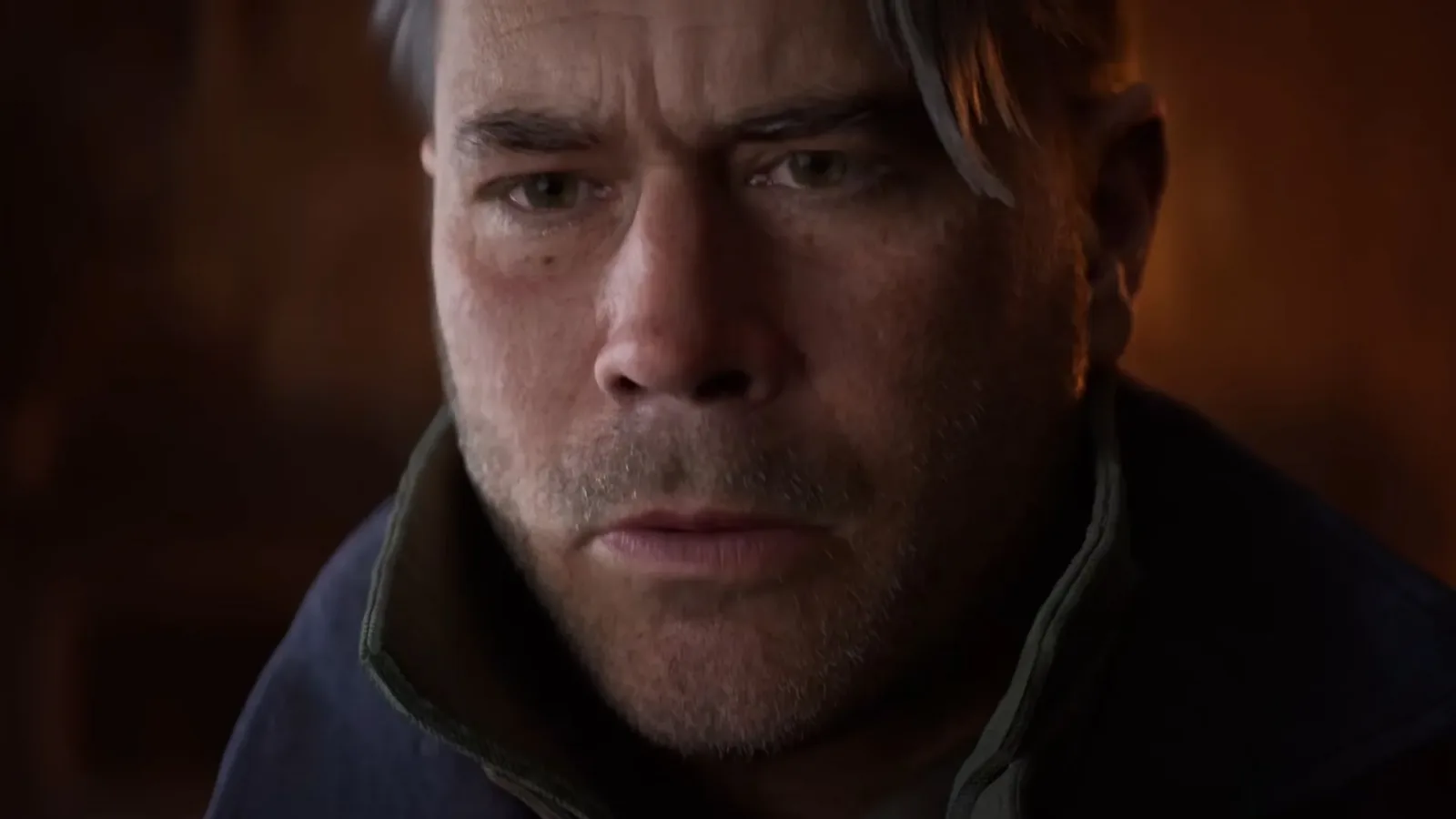
Arc Raiders has built much of its appeal around uncertainty. Its players enter a hostile retrofuturist Earth, search for scarce resources, encounter rival scavengers, and decide whether another survivor is a threat, a possible ally, or someone who may become both within minutes. That approach makes for a powerful multiplayer story generator, but it also leaves an intriguing question for the franchise's newly announced screen ambitions: what happens when a world designed to let players make their own stories needs to tell one deliberately?
That is the creative challenge facing potential Arc Raiders television and movie projects being developed with external partner Chernin Entertainment. Executive producer Aleksander Grøndal has indicated that the universe is broad enough to support stories that the game itself may not be constructed to deliver, particularly ones with a clearer focus on individual characters and more traditionally directed drama.
Rather than treating an adaptation as a simple retelling of a multiplayer match or a checklist of familiar locations and equipment, the comments point toward a potentially wider use of the setting. Arc Raiders has established a world with a looming machine menace, fragile human communities, contested supplies, and unanswered questions about the disaster that reshaped the surface of Earth. Those elements can support a survival thriller, an ensemble drama, a mystery, or a more intimate tale about people trying to maintain trust when survival rewards suspicion.
A world built for player stories
In the game, narrative information is intentionally restrained. The broader setting is conveyed through small quests, brief cinematics, trailers, environmental context, and fragments that encourage players to speculate. It is not a conventional single-player campaign built around a defined protagonist who moves from one chapter to the next. Instead, its strongest moments often emerge from player behavior.
For useful background on this topic, read CRKD Nitro Deck 2 review: A Premium Switch 2 Grip With One Big Price Problem.
A raid can produce a tense confrontation over loot, a sudden betrayal at an extraction point, or an unexpected truce between strangers. Players may form short-lived alliances because both sides need help surviving a dangerous encounter, only for that cooperation to collapse once the immediate danger has passed. Those unscripted events are central to what distinguishes Arc Raiders as a game.
They are also difficult to reproduce directly in a film or television format. An audience watching a scripted story does not have the same agency as someone deciding whether to share resources, flee, negotiate, or fire. A screen adaptation therefore has an opportunity to approach the setting from another angle: not by trying to imitate every unpredictable player encounter, but by exploring the emotional consequences of a society where every encounter carries that level of uncertainty.
Grøndal agreed with the idea that a show or movie may need to go further into character than the game does. He described the Arc Raiders setting as "fertile ground" for many types of stories and said it is interesting to explore what that possibility could mean. While he stressed that concepts still need to be developed and evaluated, he expressed enthusiasm about discovering how far the universe can be taken.
Character can become the bridge
The clearest route for an Arc Raiders adaptation may be to put a small group of people at the center of its enormous conflict. The game's premise already offers a natural pressure cooker: humanity is enduring beneath the shadow of a machine threat that has effectively taken over the planet's surface in the late 22nd century. People need equipment, knowledge, protection, and access to the dangerous world above. At the same time, they have reasons to conceal information and protect their own future.
That framework can make even simple decisions matter. Who gets brought on an expedition? Who gets left behind? Can a community afford to take in outsiders? What does somebody owe the group after being rescued? How much risk is justified to retrieve a lost person, a cache of supplies, or a clue about the enemy? These are questions that games can present through mechanics, but television and film can linger on them through performance, dialogue, relationships, and consequences.
There is also room to examine the motivations of people who would not necessarily be obvious heroes. A scavenger may be compassionate in one situation and ruthless in another. A leader may make harsh choices in order to keep a settlement alive. A person with vital knowledge about the Arc threat may be unwilling to share it for understandable reasons. By anchoring the larger sci-fi conflict in characters with conflicting needs, an adaptation could preserve the tension that players experience without needing to turn every moment into an action sequence.
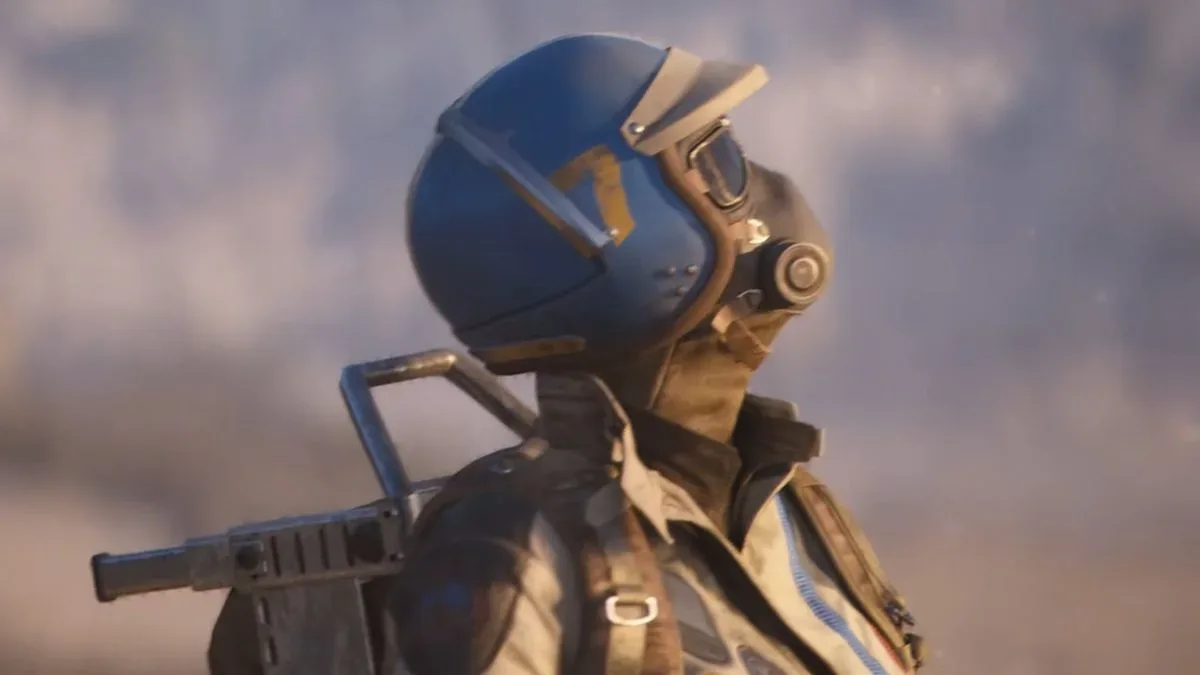
The setting's retrofuturist visual identity could help as well. Arc Raiders is not merely another ruined-Earth scenario; its technology and design language offer a distinct atmosphere around the remnants of human life. That tone can give a screen production a recognizable personality, provided it is used in service of the story rather than as surface-level decoration.
The Arc mystery offers a larger engine
Beyond survival and human conflict, the title's central machine threat provides a long-term narrative engine. The origins and nature of the Arc remain an important mystery within the world, and the game appears positioned to address some of those questions in the relatively near future. A television series, in particular, could use that mystery as a gradual source of momentum: each episode might reveal a little more about the enemy, the history of the surface, or the choices that left humanity in its present condition.
That does not mean a show would need to explain everything immediately. In fact, retaining some ambiguity could be essential to preserving the game's atmosphere. The most compelling adaptation would likely balance answers with unease, allowing viewers to understand enough to care about the stakes while maintaining the sense that the world is larger, stranger, and more dangerous than any one character realizes.
A movie could take a more focused path, perhaps centering on one mission with personal stakes and a concrete objective. A series could spend more time with a community and explore the different ways its members respond to the same crisis. The important point is that Arc Raiders does not need to be limited to one template. Its premise has enough space for stories of discovery, sacrifice, distrust, endurance, and unexpected solidarity.
Embark intends to protect the franchise perspective
Embark is a game studio rather than a film or television production company, so handing major production responsibilities to an experienced entertainment partner is a practical step. However, Grøndal made clear that the original creators still expect to be involved in some capacity.
He said it was important to work with a partner the team could trust, one that understands what Arc Raiders is trying to achieve and can capture the qualities that make the brand distinct. Embark believes it has found that partner in Chernin Entertainment. The arrangement is expected to allow the respective specialists to do their work: screen-production craftspeople can shape the adaptation, while Embark contributes input intended to maintain a coherent long-term brand perspective.
That kind of involvement matters because game adaptations can fail in two opposite ways. Some become so detached from their source material that the familiar name feels incidental. Others become overly concerned with reproducing references, equipment, terminology, and lore details without finding a satisfying dramatic core. Arc Raiders will need to avoid both extremes. Its adaptation should feel connected to the game's world and themes, but it should also justify its existence as a story that works for viewers who have never entered a raid.
Maintaining coherence does not necessarily mean telling only stories that fit the exact cadence of the game. On the contrary, the announced projects may be most valuable when they reveal parts of the world that multiplayer design naturally leaves in the background. They could show what daily life is like away from an expedition, what families and communities endure while others venture out, or how the surface threat has changed culture, politics, and personal ambition.
An adaptation should add something the game cannot
The strongest case for an Arc Raiders series or film is not that it can replace the game's tension. It cannot recreate the feeling of personally choosing whether to trust a stranger while valuable resources and an uncertain escape are on the line. What it can do is investigate the people behind that choice. It can show why someone becomes cautious, why another person risks generosity, and what each of them stands to lose.
Arc Raiders already has the foundations for that kind of expansion: a dangerous world, a distinctive aesthetic, a persistent mystery, and a human population forced to survive under extraordinary pressure. If the adaptation team can build memorable characters inside that framework, the result could offer a complementary perspective rather than a duplicate experience.
For now, the projects remain early enough that their specific concepts have not been detailed. There is no established plot, cast, release timing, or confirmation of whether the first screen project will be a television series or a film. But the stated ambition is encouraging: the goal is not simply to transport Arc Raiders onto another screen, but to use its setting as a place where different stories can grow.
That may be exactly what this universe needs. The game gives players room to create their own legends amid scavenging runs, alliances, and betrayals. A well-made adaptation could take the same harsh world and find the personal stories that only a more focused, character-driven format can tell.
Community
Discussion
Start the conversation.
No comments have been posted yet.