

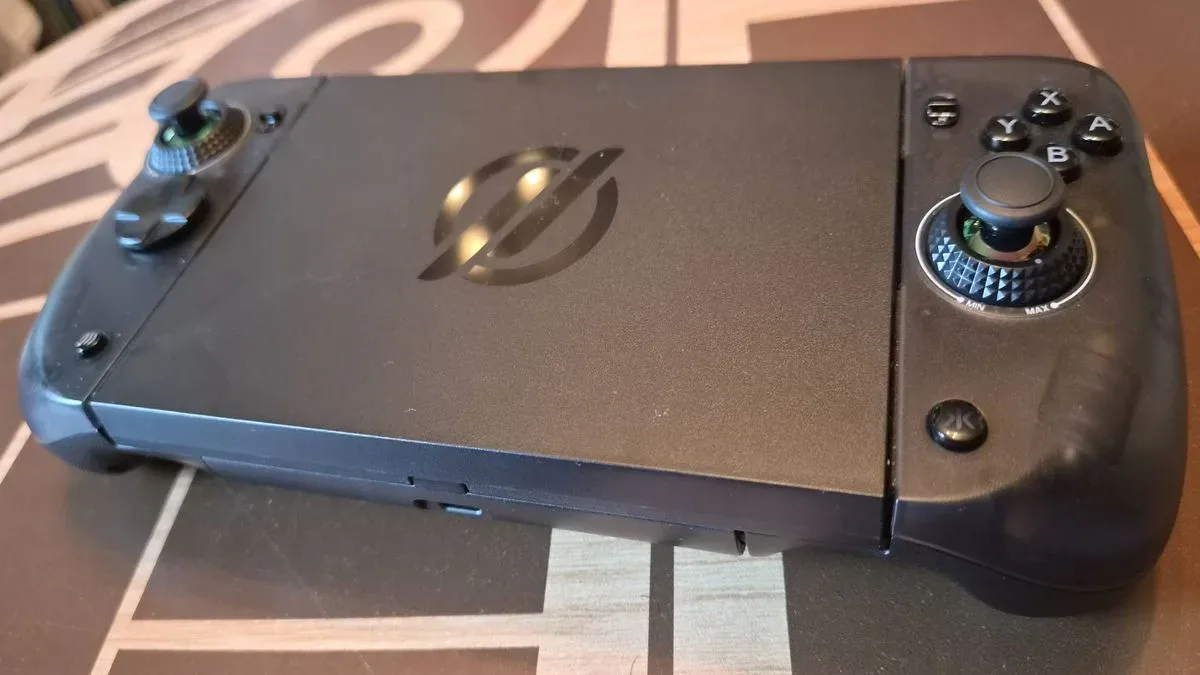
The CRKD Nitro Deck 2 is the kind of accessory that immediately makes the standard Switch 2 setup feel compromised. It wraps Nintendo's handheld in a larger, more deliberate controller shell, replacing the familiar flat-backed Joy-Con arrangement with proper grips, configurable controls, adjustable thumbsticks, and a wired connection. For people who regularly play portable games for hours at a time, the difference in comfort can be dramatic.
That transformation comes with caveats. CRKD's new model is bulky enough to disrupt an existing carrying-case routine, its rumble motors are distractingly loud at their out-of-box setting, and its $99.99 / £89.99 price is much harder to accept than the original Nitro Deck's $49.99 / £39.99 MSRP. The Nitro Deck 2 is a premium accessory in every sense: impressively featured, polished in its central purpose, and priced high enough that it needs to solve a real problem for the buyer.
For Switch 2 owners who dislike the Joy-Cons' shallow grips and want a more console-like handheld experience, it largely succeeds. For everyone else, it may be an extravagance rather than an essential purchase.
A larger, more confident handheld design
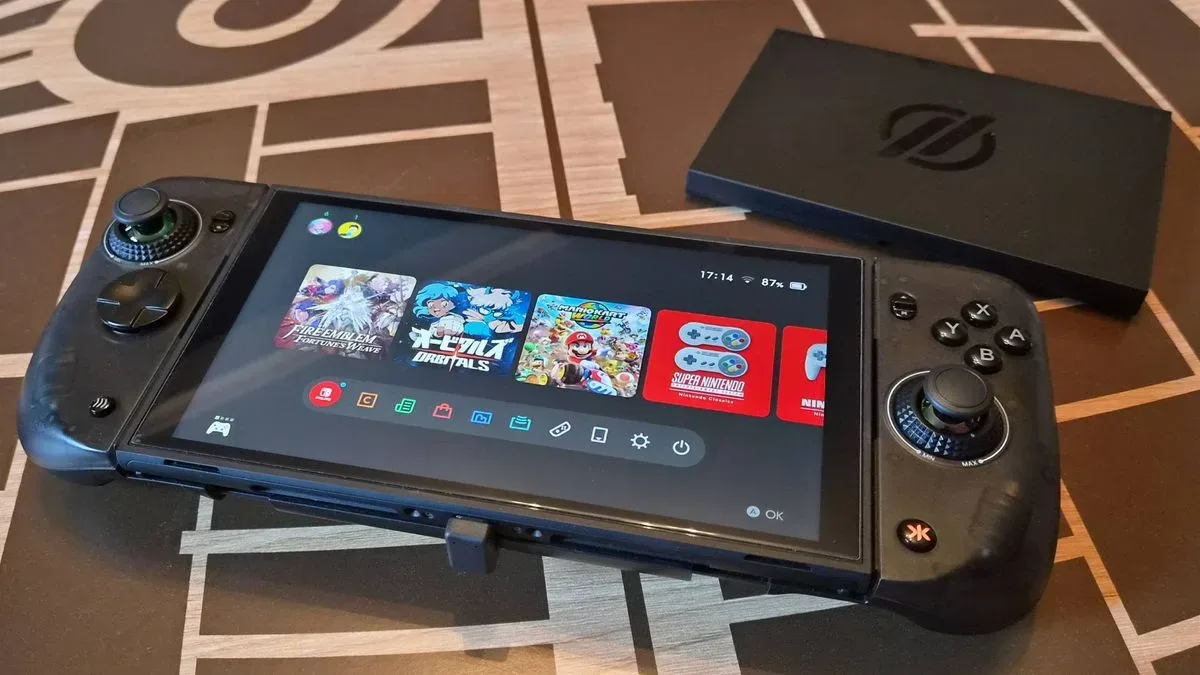
The Nitro Deck 2's silhouette will likely remind many players of a Steam Deck. Its elongated layout and generous handles make the Switch 2 look less like a slim tablet with controllers attached and more like a dedicated handheld gaming machine. That resemblance works in its favor. The Switch 2's 7.9-inch display needs a wider frame than the earlier model, and the resulting shape gives hands much more to hold onto than Nintendo's default controllers.
For useful background on this topic, read Street Fighter Fans Are Questioning the Movie's Radical Cammy Reinvention.
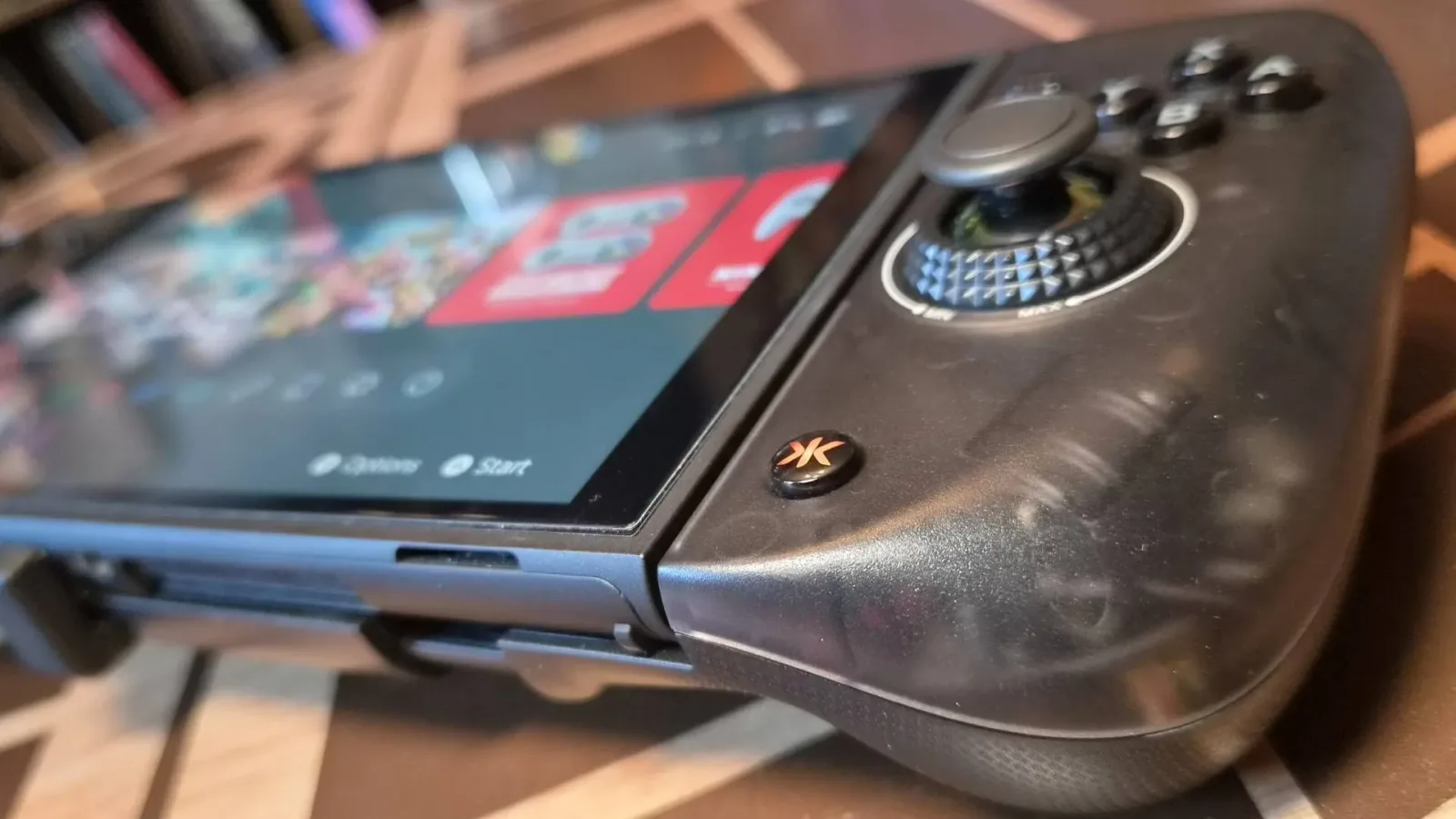
CRKD offers the accessory in a translucent Smoke Black Edition, as well as PAL Grey and White variations. The smoky transparent finish in particular gives it an appealing retro-tech character. It does not reproduce the previous Nitro Deck's GameCube-inspired aesthetic, but it still looks like a purpose-built gaming peripheral rather than a plain plastic grip.
More importantly, the shape changes how the system feels during actual play. The Joy-Cons' flat backs can lead to an awkward hand position over longer sessions, particularly in games that demand steady thumbstick movement or frequent shoulder-button use. The Nitro Deck 2 gives each hand a contoured grip instead. That added curvature makes the Switch 2 feel more secure and natural, whether navigating a strategy battle, drifting through a racer, or working through a demanding platforming section.
An improved fitting system and a thoughtful control layout
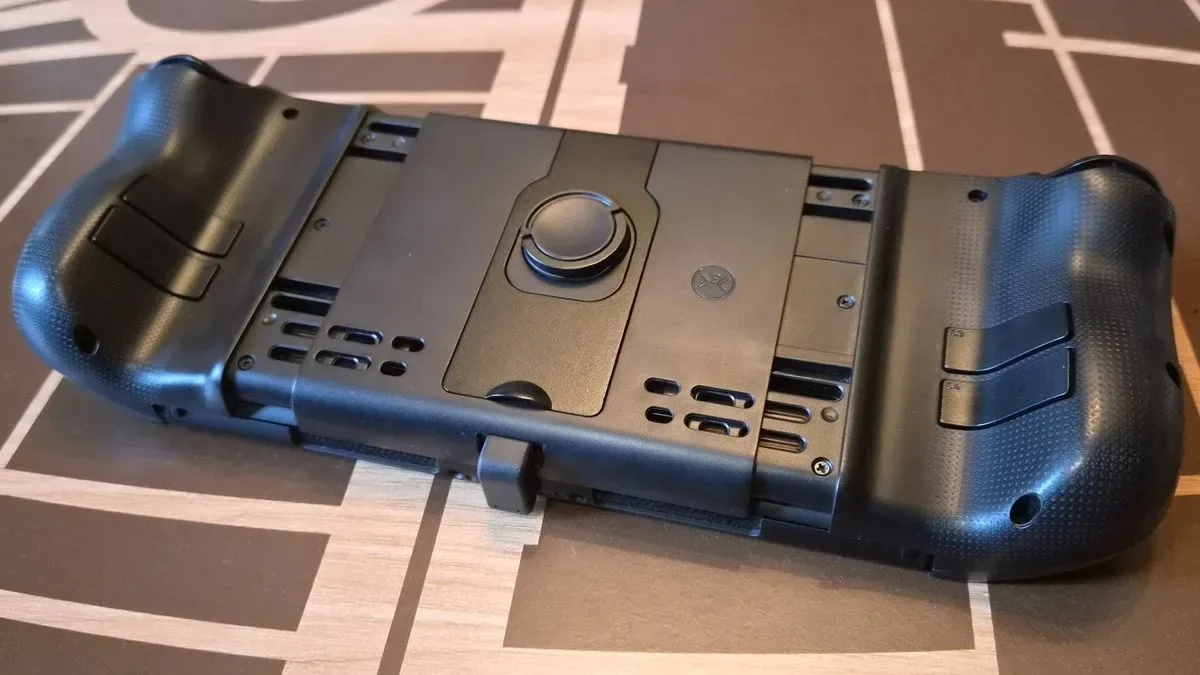
One of the most practical improvements is how the Switch 2 fits into the Nitro Deck 2. Rather than requiring a careful sliding procedure, the grips pull outward to create room for the console. Once the handheld is seated, a rear locking mechanism tightens the unit into place. It is a more approachable system than a rigid cradle design and makes the controller feel less fussy day to day.
There is still a slight drawback: the tightening mechanism can produce an uncomfortable sound while being turned, as if something inside is under too much strain. It does not necessarily indicate a fault, but it is not the reassuring mechanical feedback expected from a premium controller.
The control arrangement has been updated around Switch 2 functions. On the left, the thumbstick sits above a circular D-pad. The minus and capture functions share a split button, with the upper section handling minus and the lower section taking screenshots or clips. A sync button occupies the position where a capture button would traditionally be found on the left Joy-Con.
The right side mirrors Nintendo's familiar overall arrangement while making room for CRKD's additional features. The plus button is also divided: the upper half handles the usual plus input, while the lower programmable section is assigned to GameChat by default. That is a sensible substitute for a dedicated C button, and players who do not use GameChat can make better use of the programmable input.
Two pairs of rear paddles remain available for remapping, providing welcome flexibility for players who want to move frequently used actions away from the face buttons. The D-pad can also be swapped for separately sold CRKD alternatives. Meanwhile, the RFID-equipped CRKD logo simplifies connection to the companion app without requiring users to enter lengthy serial numbers.
Adjustable sticks are the standout feature
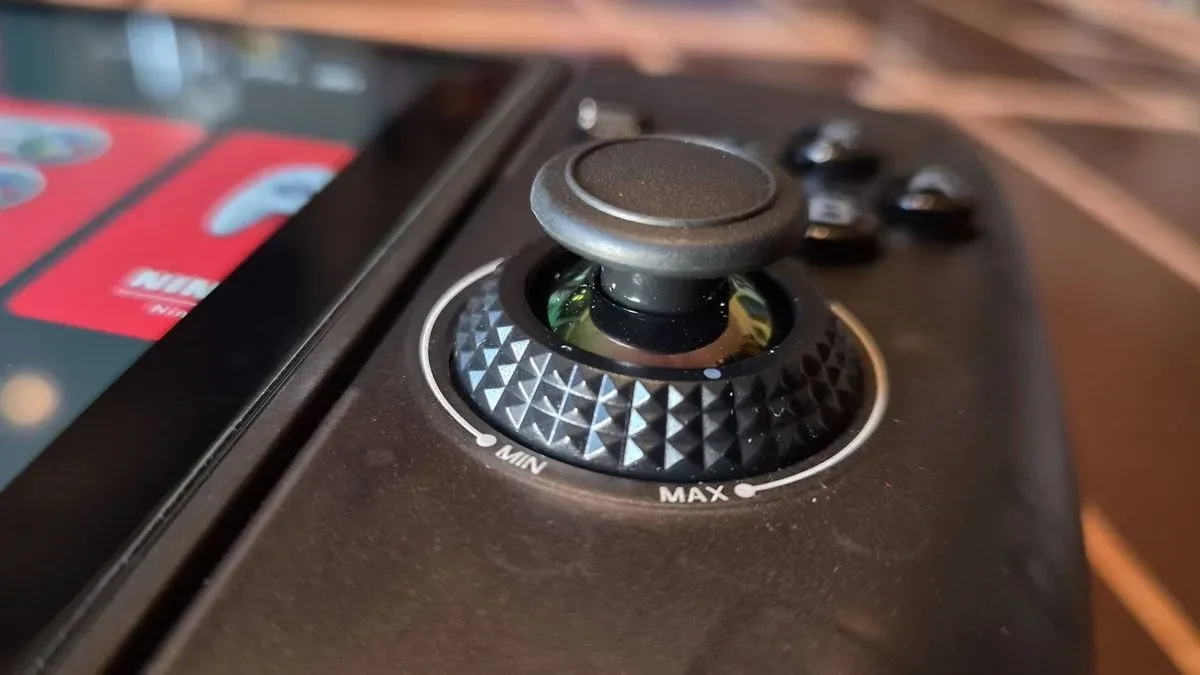
The Nitro Deck 2's CaptiStick thumbsticks are its most compelling hardware addition. They use capacitor sensors that CRKD says are designed for drift-free precision, but the more immediately valuable benefit is their adjustable resistance. Each stick is surrounded by a dial that can be turned at any time to loosen or tighten its tension.
That is not merely a novelty. Different genres benefit from different stick feels. A player may want a looser response for broad movement in an adventure game, then increase the tension for more careful aiming, fine platforming inputs, or precise steering in a kart racer. Being able to make that adjustment directly on the controller gives the Nitro Deck 2 a versatility that the stock Joy-Cons do not offer.
There are three trigger buttons on each side, further reinforcing the idea that this is intended to be more than a simple comfort grip. It is a controller designed for people who want to tailor their handheld setup, not just make it larger.
Wired reliability makes portable play simpler
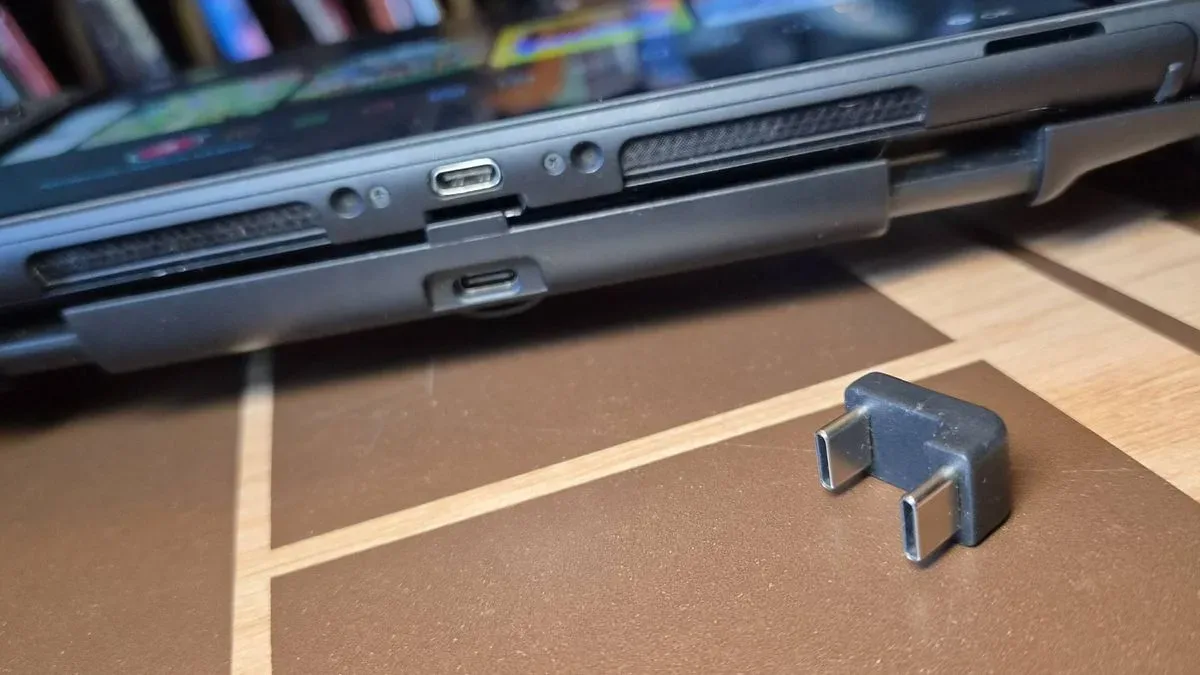
A U-shaped USB-C adapter creates a direct wired link between the Nitro Deck 2 and Switch 2. That connection has two advantages. First, it provides a more secure physical relationship between the console and controller once properly aligned. Second, it avoids the pairing and connectivity irritations that can come with Bluetooth gamepads.
For players who have spent time troubleshooting wireless accessories, that simplicity is valuable. There is no recurring concern about pairing behavior getting in the way of a quick portable session. The wired setup also helps establish that the Switch 2 is seated correctly, which can otherwise be less obvious than expected because there is no especially satisfying click when positioning the console in the expanded frame.
In handheld mode, the payoff is clear: the Nitro Deck 2 makes the Switch 2 feel closer to an all-in-one premium portable device. The grips, wired input, and adjustable sticks work together exceptionally well, and returning to the standard Joy-Con layout after extended use can make that default configuration feel like a substantial downgrade.
Rumble and portability are the notable compromises
The biggest functional issue is the rumble. At maximum strength, the Nitro Deck 2's vibration is extremely loud and lacks the subtlety expected from modern haptics. In games with frequent feedback, such as battles where enemies repeatedly enter range, the noise can become intrusive enough to disrupt a quiet room.
Thankfully, CRKD allows the left and right rumble motors to be adjusted separately through a button combination: hold L and the plus button for three seconds. Reducing vibration to its lowest setting makes the accessory much more pleasant to use. Still, needing to change the default setting so quickly is disappointing, especially for a device positioned at the high end of the Switch 2 accessory market.
Portability is the other major trade-off. The Nitro Deck 2 is too large for many standard Switch 2 cases. Buyers may need to purchase CRKD's own $39.99 / £34.99 hardshell carrying case or find another oversized solution. That additional expense makes the entry price even harder to overlook, and it reduces the appeal for anyone who frequently tosses a Switch 2 into an existing travel bag.
Docked mode is useful, not essential
CRKD includes a rectangular plastic insert that replaces the Switch 2 display, allowing the Nitro Deck 2 to function as a Pro-style controller while the console is docked. It is a welcome inclusion because it gives the hardware a second role and makes the premium price feel a little more defensible.
However, it should be considered a bonus rather than a purchase-driving feature. The controller remains roughly handheld-sized, which means it feels more like holding a Steam Deck-shaped object than a conventional pad. That can become uncomfortable during extended docked sessions in games such as Mario Kart World, Fire Emblem Fortune's Weave, or other titles that invite longer play. It works in a pinch, but it is not a replacement for a comfortable dedicated wireless controller.
Who should buy the CRKD Nitro Deck 2?
The Nitro Deck 2 is best for Switch 2 owners who primarily play handheld and already know that Nintendo's standard Joy-Con ergonomics do not work for them. It is also a strong option for those who value wired controller reliability, want remappable rear inputs, or appreciate being able to alter stick tension on the fly.
It is less convincing for casual users, buyers who mostly play docked, and anyone on a tight accessory budget. At $99.99 / £89.99, it costs enough that a sale closer to the original model's price would make it much easier to recommend without hesitation. The potential need for a new carrying case only sharpens that concern.
Final takeaway
CRKD has made the Switch 2 handheld experience feel more complete with the Nitro Deck 2. Its comfortable grips, adjustable CaptiStick controls, clever expanding design, and wired connection make a persuasive case for leaving the standard Joy-Cons aside. The docked-mode option adds value, even if it is not especially comfortable for marathon sessions.
The product is held back from a top score by its price, cumbersome size, and overly aggressive rumble motors. Yet for the right player--especially someone who plays handheld every day and cannot stand the Joy-Cons' flat backs--the Nitro Deck 2 is an excellent, feature-rich upgrade that makes Nintendo's current-generation console feel far more premium.
Community
Discussion
Start the conversation.
No comments have been posted yet.