

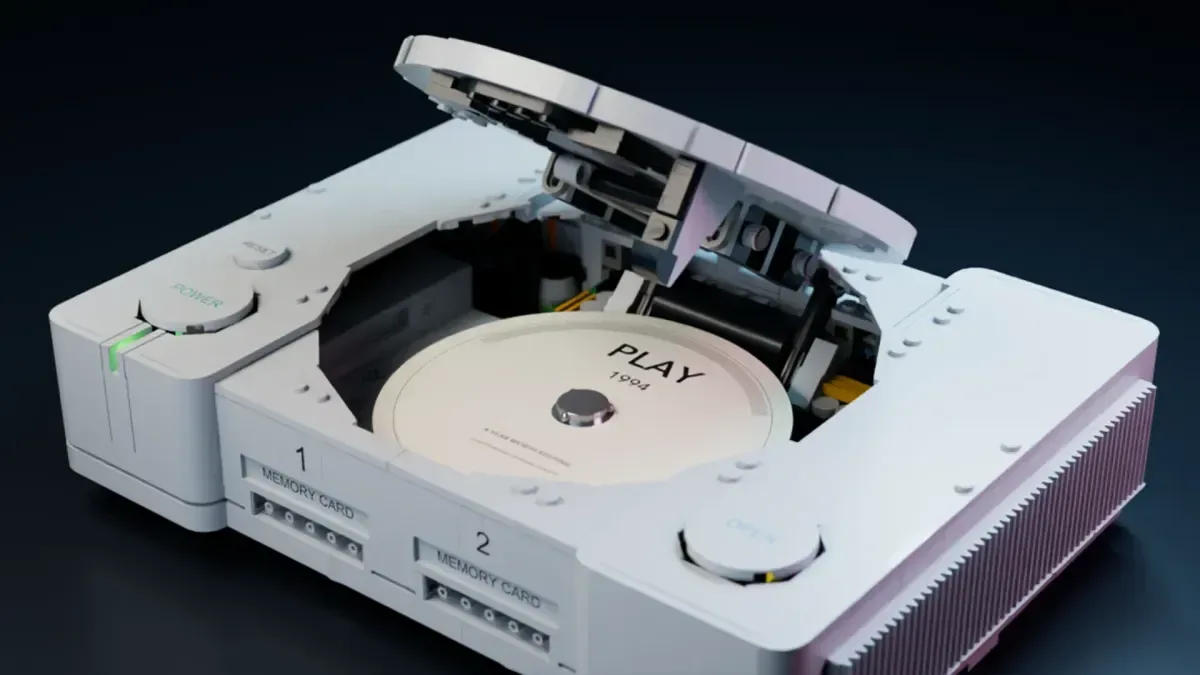
The upcoming LEGO PlayStation build is already designed to appeal to people who remember Sony's original console with enormous affection. It recreates the familiar grey hardware in brick form, with its compact shape, controller ports, disc-lid styling, and era-defining visual identity. But a project called BrickStation is aiming to give that display model an unexpected second life: as a small, playable emulation machine that can run original PlayStation games on a TV.
BrickStation comes from the same group responsible for BrickBoy, a previous project that converted a LEGO Game Boy-style creation into a functioning handheld emulation device. BrickBoy incorporated a Raspberry Pi and a display into a brick-built Game Boy design, creating a novelty device that was nevertheless capable of playing games. That earlier crowdfunding effort raised more than $100,000, establishing clear interest in projects that combine LEGO-style builds, compact computing hardware, and retro gaming.
The new device follows that basic philosophy, but its target is substantially different. Rather than putting a screen and controls into a handheld shell, BrickStation is intended to sit within the LEGO PlayStation model and output games to an external display over HDMI. The result is designed to look like a natural extension of the build rather than an unrelated mini-PC placed beside it.
A Raspberry Pi build hidden within the console
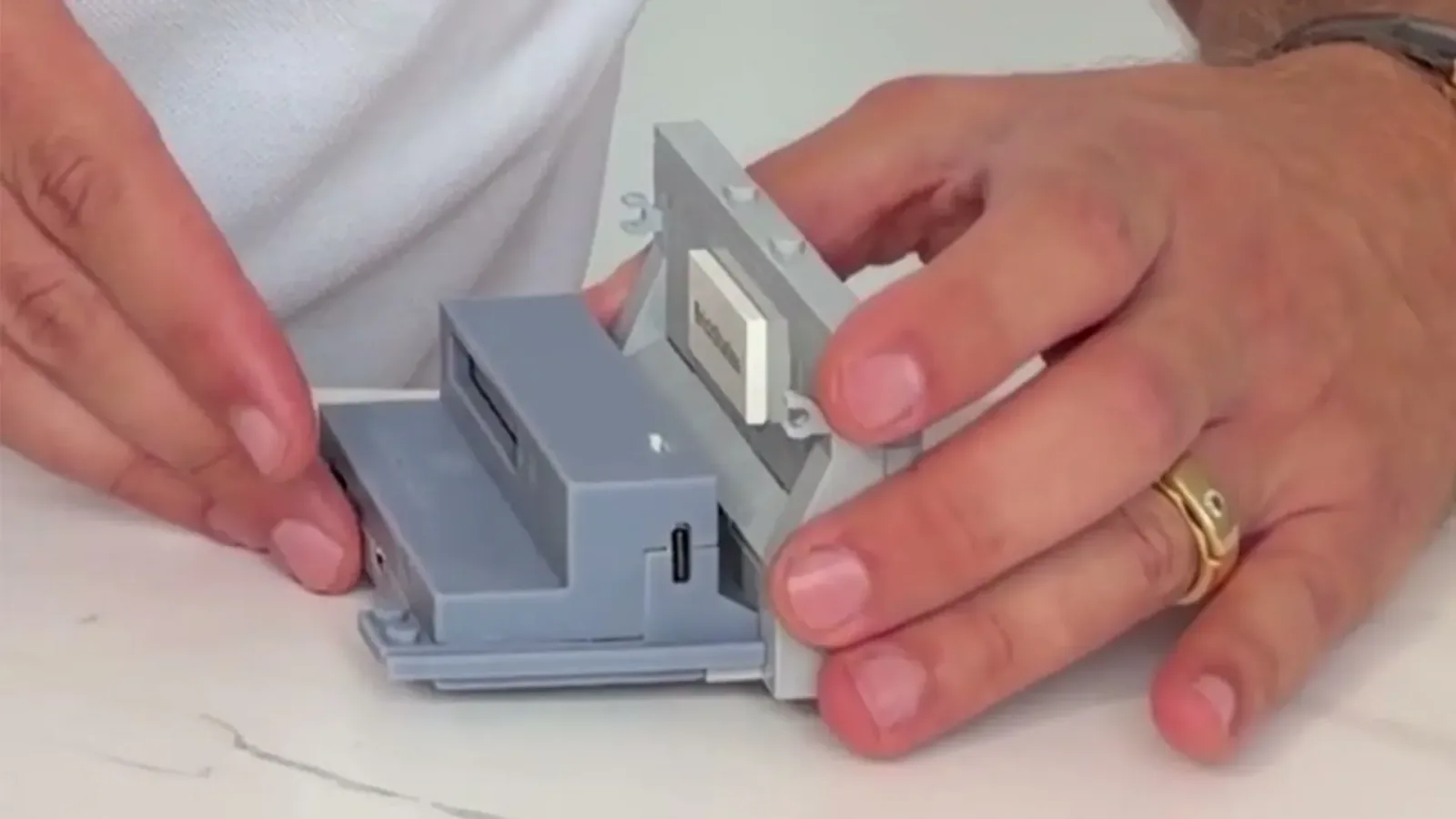
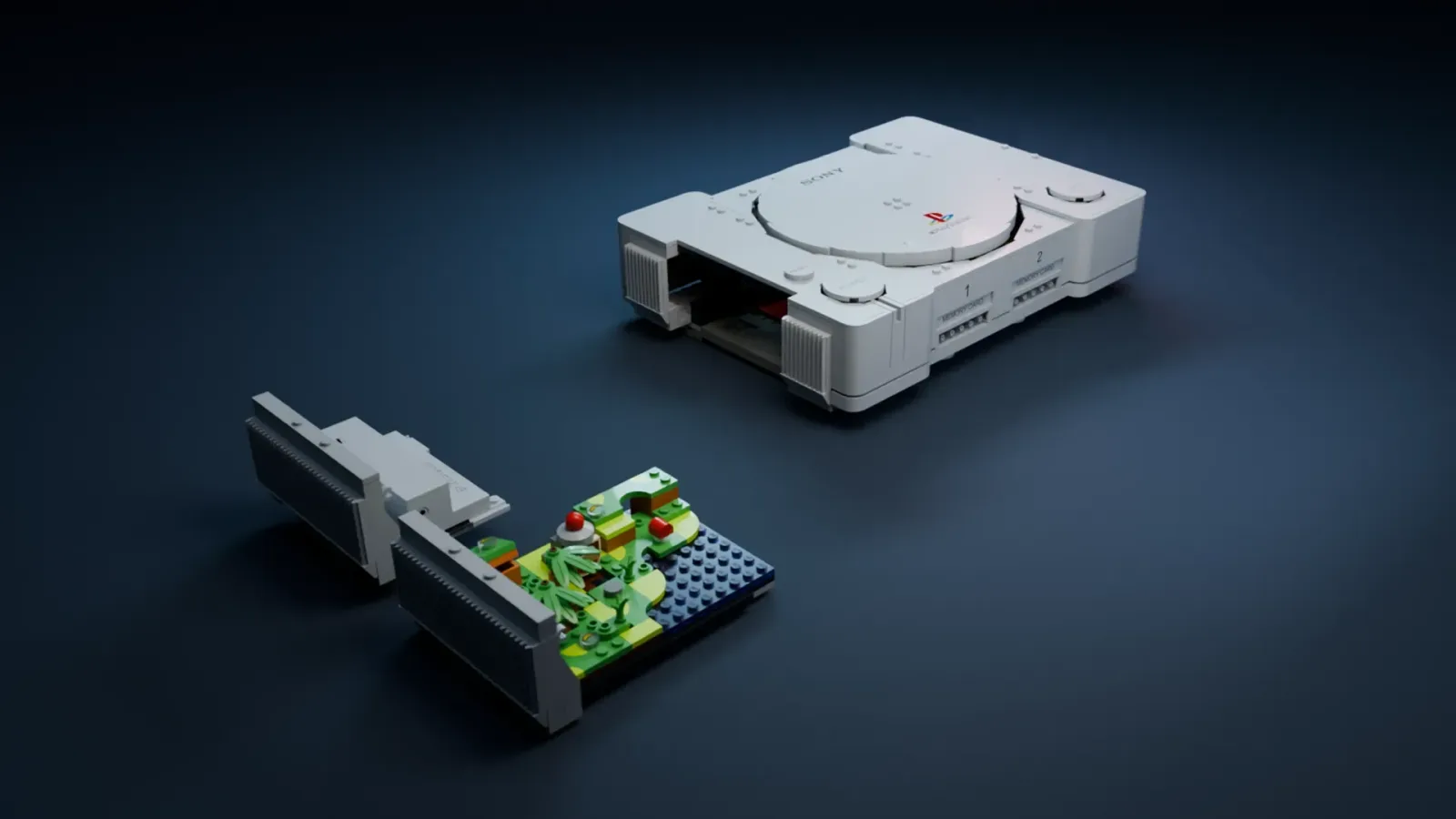
At the heart of BrickStation is a custom-built Raspberry Pi-based unit. It is made to fit into one of the removable trays located on the side of the LEGO PlayStation structure. Builders can take out a display section, such as the Ape Escape diorama tray, and slide the BrickStation unit into its place. The concept is that the operational hardware should appear integrated with the larger model, without requiring a permanent or awkward-looking modification.
For useful background on this topic, read Ubisoft Puts Massive Entertainment at the Center of Splinter Cell, The Division and Ghost Recon.
Once installed, the unit provides HDMI output for connecting the build to a television or monitor. It is intended to emulate PlayStation 1 games, turning the brick console into a compact retro-gaming setup while preserving the display appeal that makes the LEGO version notable in the first place.
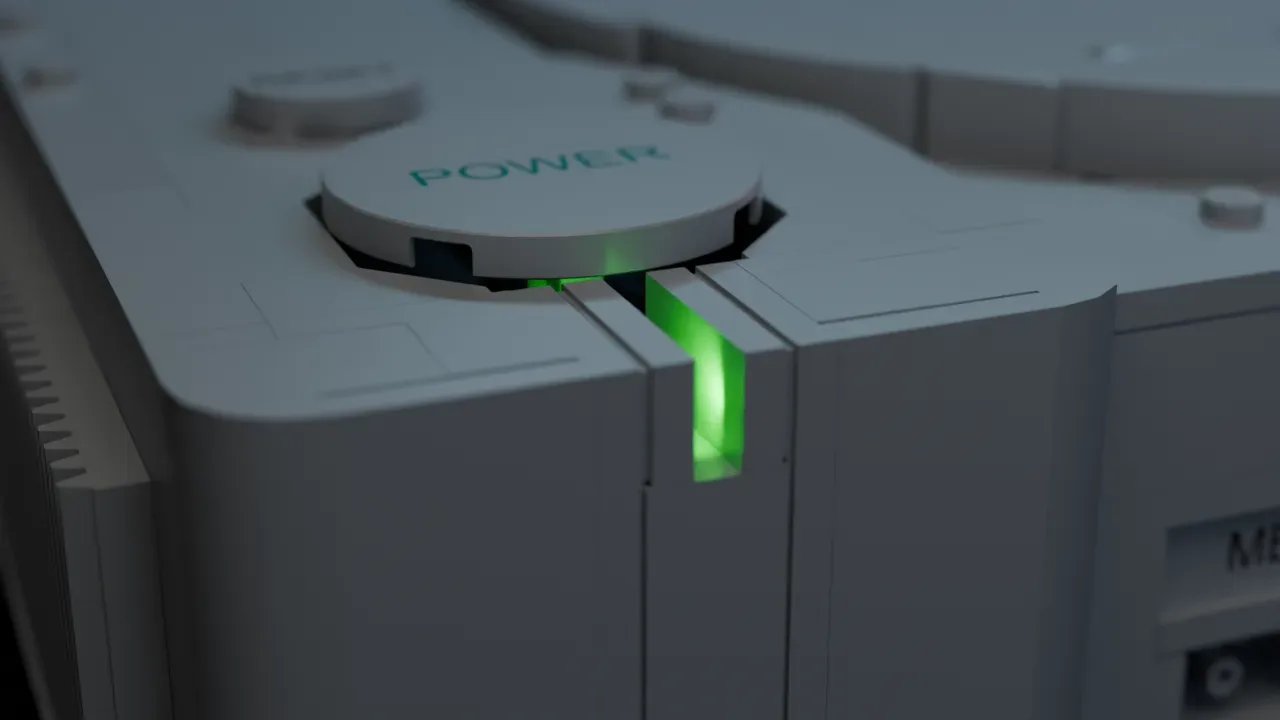
The project also pays attention to the small mechanical rituals associated with the original PlayStation. Its creators have arranged for the console's existing POWER button to function as the way to turn BrickStation on. Pressing the button is expected to illuminate a green LED, echoing the familiar power indicator on Sony's 1990s hardware.
That is only part of the illusion. BrickStation is also planned to include a speaker and a vibration motor. These components are intended to make the LEGO console produce sound and gently wobble, approximating the sensory impression of a disc drive spinning up. It is an intentionally playful effect, but one that recognizes how much of retro hardware nostalgia comes from physical details as much as the games themselves.
Designed for the display-minded collector
The project does not turn the model's decorative disc feature into an optical drive. Users can place a CD inside the console for presentation purposes, including a favorite original PlayStation game disc, but BrickStation will not read it. The disc is strictly a visual addition, keeping the LEGO system's physical identity intact while avoiding the complexity of integrating working optical hardware into such a small space.
That distinction is important. BrickStation is being positioned as an emulation device in a custom enclosure, not as a rebuilt PS1 capable of directly playing its original discs. The presentation is the point: a collector can display a game inside the lid, connect the model to a modern TV, and use the familiar power button to launch software from the internal system.
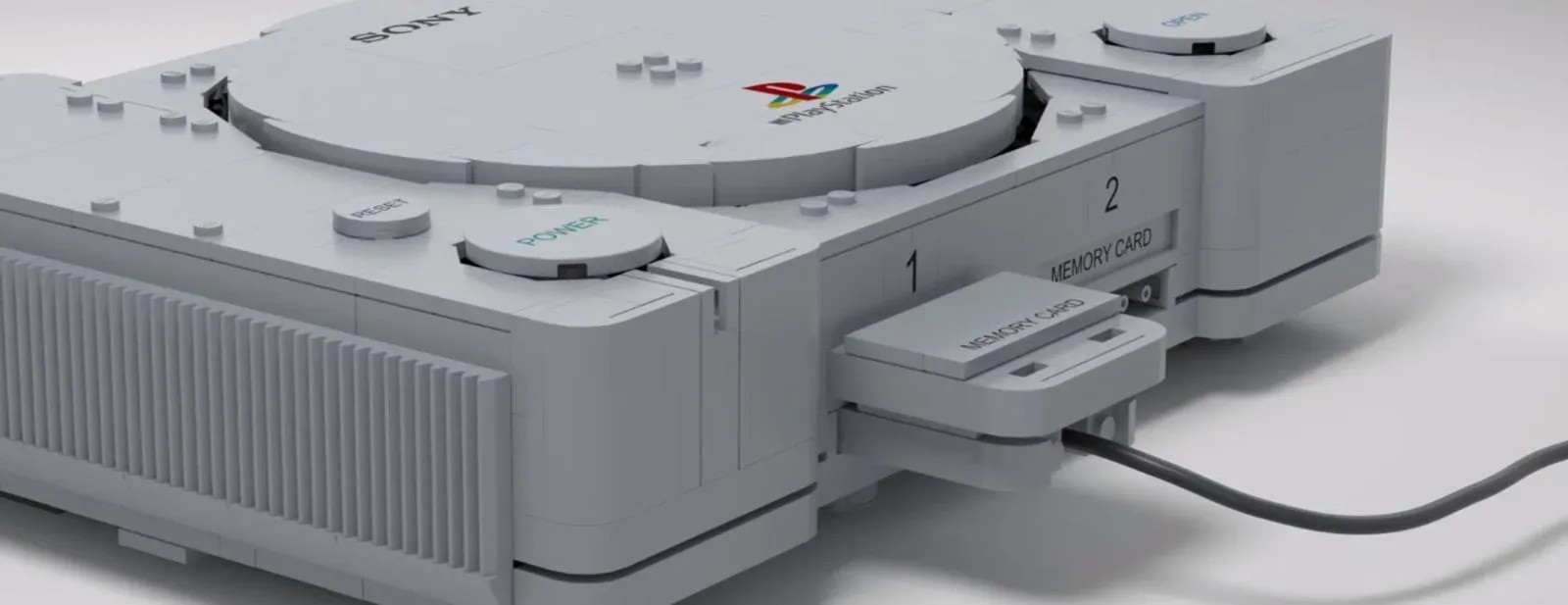
The kit is also set to include 83 additional pieces. With those parts included, the total part count is said to reach 1,994, matching the year PlayStation launched in Japan. The extra elements are not merely commemorative, either. They are used for a display memory card and a tray frame that helps secure the internal hardware.
For a set that is likely to spend much of its time on a shelf, those construction choices matter. The device needs to be stable enough to survive routine handling, cable connections, and occasional swaps between the emulator module and the standard decorative tray. Building the support structure into the accessory package should make the install feel like a designed expansion instead of a loose electronics experiment.
Original memory card functionality is a standout idea
Perhaps BrickStation's most intriguing announced feature is support for an original PlayStation memory card. The team says users will be able to insert a genuine PS1 memory card, with save data read and stored internally by the emulation setup. That means existing save files may be loaded, while new progress can be saved in a format compatible with authentic PlayStation memory cards.
For retro players, that feature could make the project more meaningful than a typical plug-and-play emulation box. Memory cards were a defining part of the PlayStation experience. They contained individual game progress, personalized data, and--in many cases--years of unfinished adventures. Being able to bring those files into a modern HDMI-based setup offers a tangible link between older hardware collections and a new display-oriented project.
There are still practical details to be clarified, including the precise workflow for moving and managing saves, but the goal is clear: BrickStation is intended to respect a piece of original PlayStation ownership that often gets lost when players move to generic emulation devices.
A future accessory is also planned to let owners import their own discs to local storage. No timetable or technical breakdown has been provided for that add-on, so it remains a future ambition rather than a launch feature. Still, it suggests the project's creators are considering ways to connect physical game collections with the convenience of a compact emulation library.
Controller options and unanswered specifications
BrickStation is expected to support controllers for actual play, though its full controller specification has not yet been detailed. Bluetooth connectivity appears likely given the Raspberry Pi foundation, but it has not been formally confirmed. The available information does indicate that an original PlayStation controller can be used with a USB adapter. That adapter will not be included with BrickStation, so anyone hoping to use Sony's original pad will need to provide the necessary hardware separately.
This is one of several areas where potential buyers should wait for a fuller campaign page before making assumptions. There is no confirmed list of supported controllers, no final operating-system description, and no detailed game-compatibility information. Emulation performance can vary depending on configuration, software, and settings, even when the target platform is as well established as the original PlayStation.
Likewise, there has been no announced price and no shipping timeline. A pre-launch registration page is currently available for people who want to register interest, while the full crowdfunding campaign is expected to launch in October. The team has suggested it could go live within the next couple of weeks, although final campaign timing remains subject to change.
A niche idea with strong retro appeal
There is no shortage of ways to emulate PlayStation games. Small computers, handhelds, mini consoles, smartphones, PCs, and dedicated retro-gaming devices can all fill that role. BrickStation's appeal is not that it solves a shortage of PS1 emulation options. Its appeal is that it offers an unusually tactile, decorative, and collectible way to do it.
The project is built around the pleasure of seeing a familiar console recreated in bricks, then discovering it can actually boot games. HDMI output makes it practical for use with a current TV, while the lit power button, sound effects, vibration, memory card support, and optional inserted disc lean heavily into the physical personality of Sony's first console.
It is also a reminder that retro-gaming projects do not always need to chase perfect historical replication. BrickStation cannot read a game disc, and it does not claim to replace an original PlayStation. Instead, it takes the recognizable form of the console and turns it into something halfway between a display piece, a custom computer build, and a gaming curiosity.
For players who already own the LEGO PlayStation set--or are planning to pick one up--the add-on could become a particularly inventive companion. The final verdict will depend on price, build quality, software setup, controller support, and how smoothly the memory-card features work in practice. But the concept alone is an appealing one: a brick-built PlayStation that does more than sit on a shelf, and a retro emulator that makes the act of turning it on feel like part of the game.
Community
Discussion
Start the conversation.
No comments have been posted yet.