

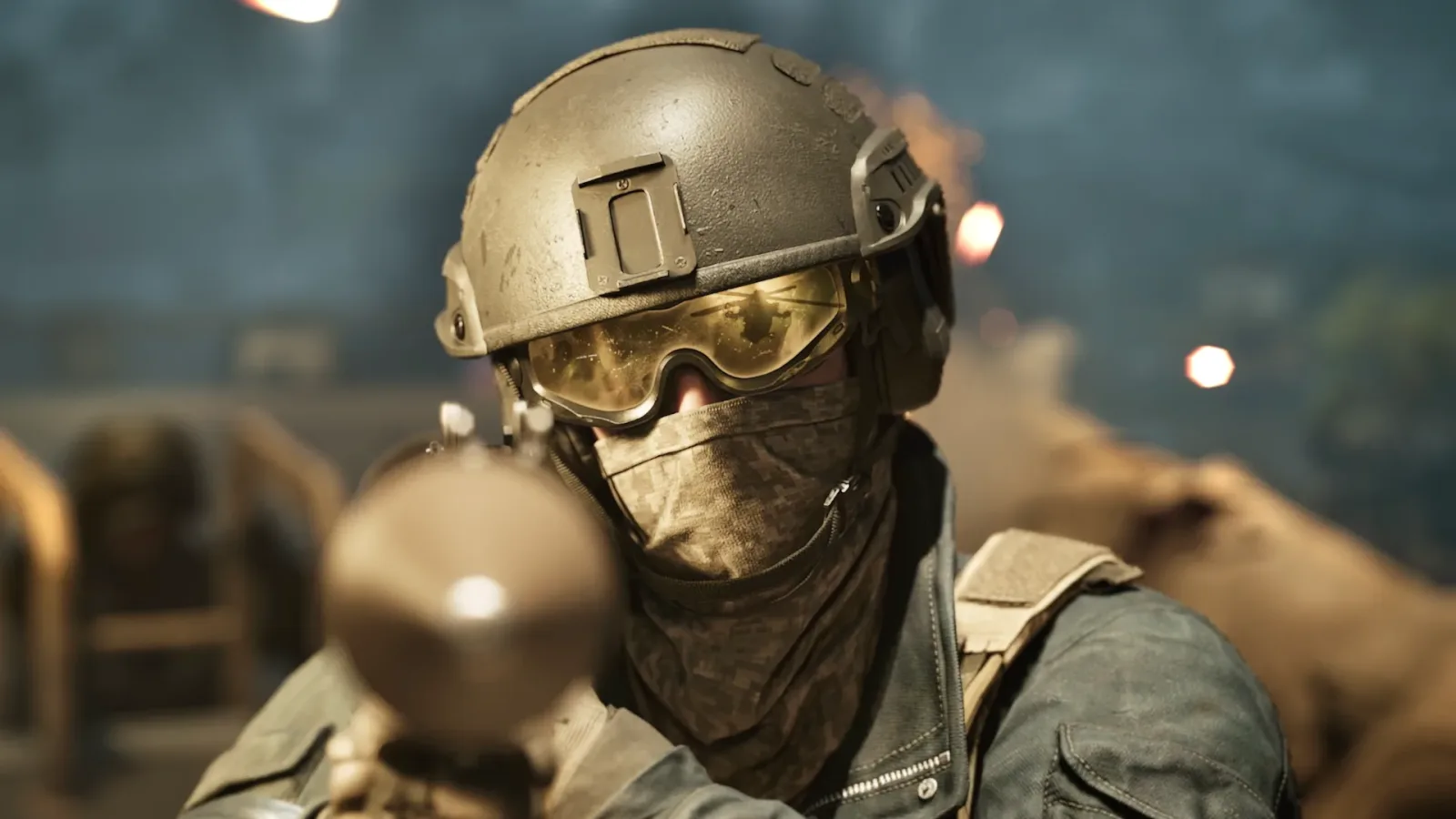
Bulkhead, the studio behind the breakout shooter Wardogs, has outlined an unusually direct approach to recruitment: prospective hires are expected to demonstrate a real interest in first-person shooters. For the team, that can include looking at an applicant's Steam record and the time they have spent playing FPS games.
The reasoning is not that developers who enjoy other genres are somehow less capable. Instead, Bulkhead's leadership argues that familiarity with shooters gives a team a stronger instinct for the audience it is trying to serve. In a genre where feel, pacing, balance, map flow, weapon behavior, movement, and player expectations can all be intensely scrutinized, the studio sees personal enthusiasm as a meaningful qualification.
Executive director Joe Brammer described the company's identity in simple terms: Bulkhead is made up of FPS players making an FPS game for other FPS players. That perspective also shapes how the studio wants fans to view its work, particularly while it invests in areas such as anti-cheat systems that may be costly and involve risk for the developer.
Steam hours are part of the application conversation
Senior producer Kane Allard explained that Bulkhead checks applicants' Steam histories to see whether they are genuinely passionate about first-person shooters before joining a major FPS project. The idea is not merely to find candidates who can list famous games on a résumé. It is to identify people with enough time in the genre to recognize what regular players value, criticize, and notice immediately.
For useful background on this topic, read What Will 'Physical Games' Mean in 2030? Ownership, Resale and the Future of the Box.
Steam playtime is an imperfect measure of anyone's experience, of course. Many players split their time across consoles, older platforms, private accounts, or games outside Valve's storefront. A person can also be an excellent designer, artist, engineer, producer, or audio specialist without thousands of recorded hours in a particular category. Bulkhead's comments nevertheless make clear that FPS familiarity is something it deliberately prioritizes when building the Wardogs team.
That hiring philosophy reflects a broader belief that genre expertise matters. Shooters often share common building blocks, but the details separating a satisfying experience from a frustrating one can be difficult to understand from the outside. How quickly a weapon raises, how readable recoil feels, where players spawn after a defeat, whether footsteps reveal too much information, and how a map supports different play styles are all decisions informed by an understanding of how people actually play.
For a studio making a competitive or service-minded shooter, those details are not minor. They can affect community sentiment, retention, and whether players feel that the developers understand the game they are spending time with.
Not a dismissal of other genres
Brammer was careful to distinguish genre passion from a judgment about a developer's overall ability. Enjoying games outside the FPS space does not make someone worse at their job. In fact, a team can benefit from people who bring ideas from strategy games, role-playing games, simulation titles, platformers, fighting games, and many other disciplines.
Bulkhead's position is more specific: when the studio is hiring for an FPS, it wants people who truly care about FPS design. The company wants confidence that its developers are invested in the nuances of the experience rather than treating the genre as interchangeable with any other game category.
Brammer illustrated the point by comparing it to being asked to make a Final Fantasy game. He said he would not know where to begin with a project so rooted in a genre and tradition outside his own area of familiarity. His argument is that game development may be one industry, but the practical knowledge needed to create a strong shooter is not identical to the knowledge needed to make a large-scale Japanese role-playing game.
That comparison is useful because it highlights how specialized modern game development can be. Teams still share many technical and creative fundamentals, from production planning and interface design to animation, networking, art direction, and quality assurance. But genre conventions are built over decades of player expectations. An RPG audience may care deeply about party dynamics, progression structures, narrative pacing, menus, and world-building. Shooter players may focus just as intensely on gunplay responsiveness, netcode, sightlines, competitive integrity, and the split-second clarity of combat encounters.
Neither set of priorities is inherently more difficult than the other. They are simply different, and Bulkhead wants hires who already understand the language of shooters.
Why anti-cheat is central to the studio's message
The discussion of hiring came alongside Brammer's comments about anti-cheat work. He characterized the measures Bulkhead is pursuing as expensive and risky, suggesting the studio views the investment as a substantial commitment rather than a simple box to tick.
Anti-cheat has become one of the most important and contentious responsibilities for multiplayer shooter developers. Cheating can rapidly damage the credibility of a competitive game, particularly when players believe matches are not being decided fairly. At the same time, anti-cheat tools can be technically complicated, expensive to maintain, and controversial when they require deeper levels of system access or create compatibility concerns.
For Bulkhead, putting resources toward that effort is part of its case for support from FPS fans. Brammer said the studio wants players to know where their money is going and what kind of company they are backing. The intended relationship is value-based as much as transactional: fans who care about fair matches and a shooter made by people who share their enthusiasm may be more inclined to support the game and its developers.
That is a significant promise, especially for a team benefiting from Wardogs' sudden success. Players tend to judge such claims through ongoing actions rather than broad statements. Effective anti-cheat enforcement, communication around updates, responsiveness to exploits, and clarity when problems occur will all shape whether the community sees the studio as living up to its stated principles.
A shooter team built around player perspective
Bulkhead's recruitment method suggests the studio places player perspective near the center of development. A team full of people who actively play shooters may be more likely to spot friction that a detached observer could miss. They may recognize why a seemingly minor weapon adjustment changes the entire rhythm of a match, why a popular map is creating repetitive engagements, or why players react strongly to a particular progression decision.
There are potential advantages beyond design instincts. Developers who regularly participate in the genre can follow wider conversations across the FPS landscape. They may have firsthand awareness of what rival games are doing well, which monetization practices provoke frustration, how different communities react to skill-based matchmaking, and where anti-cheat systems succeed or fail. That does not mean copying other games, but it can give a studio a more informed basis for deciding where it wants to differentiate.
There is also a possible downside to any hiring culture that leans heavily on shared tastes: a team needs enough varied viewpoints to avoid becoming overly insular. The strongest version of Bulkhead's approach would combine deep FPS literacy with specialists who can challenge familiar assumptions. Passion for shooters can establish a common foundation, while experience from other genres can introduce new solutions to long-standing FPS problems.
Brammer's comments leave room for that balance. He did not argue that employees must exclusively play shooters or that non-FPS experience lacks value. The emphasis was on ensuring that people working on Wardogs care about the specific details of the game Bulkhead is trying to make.
Wardogs faces the next stage after breakout success
The hiring discussion arrives as Wardogs enters a more demanding phase. Brammer has described the game as experiencing what he considers a "perfectly acceptable decline," an acknowledgement that interest following a breakout period does not remain permanently at its peak. That is a familiar pattern for multiplayer games, where launch curiosity and viral attention eventually give way to the challenge of sustaining an active core community.
Bulkhead has also been asking players what they want changed, while stressing that the studio remains responsible for the game's creative direction. That tension is common in live multiplayer development. Community feedback can reveal urgent bugs, balance concerns, quality-of-life issues, and features players most want to see. Developers, however, must decide which requests support the game's long-term identity and which could pull it in conflicting directions.
The studio's insistence on hiring FPS fans may be part of how it intends to navigate those decisions. If the people making Wardogs share a practical understanding of shooter communities, Bulkhead believes they will be better placed to separate constructive feedback from short-term noise and to make changes that preserve the game's vision.
Ultimately, Steam-hour checks are only one small piece of a much larger development process. They will not guarantee balanced updates, successful anti-cheat, or a healthy player base on their own. But they do reveal how Bulkhead wants to define itself: as a specialist shooter studio whose team members are expected to know the genre not only from development documents and market research, but from the player's side of the screen.
For Wardogs fans, the meaningful test will be whether that philosophy continues to show up in the game itself--in its responsiveness to player concerns, its approach to competitive fairness, and its ability to retain a clear FPS identity as the initial excitement settles into the longer work of supporting a successful shooter.
Community
Discussion
Start the conversation.
No comments have been posted yet.