

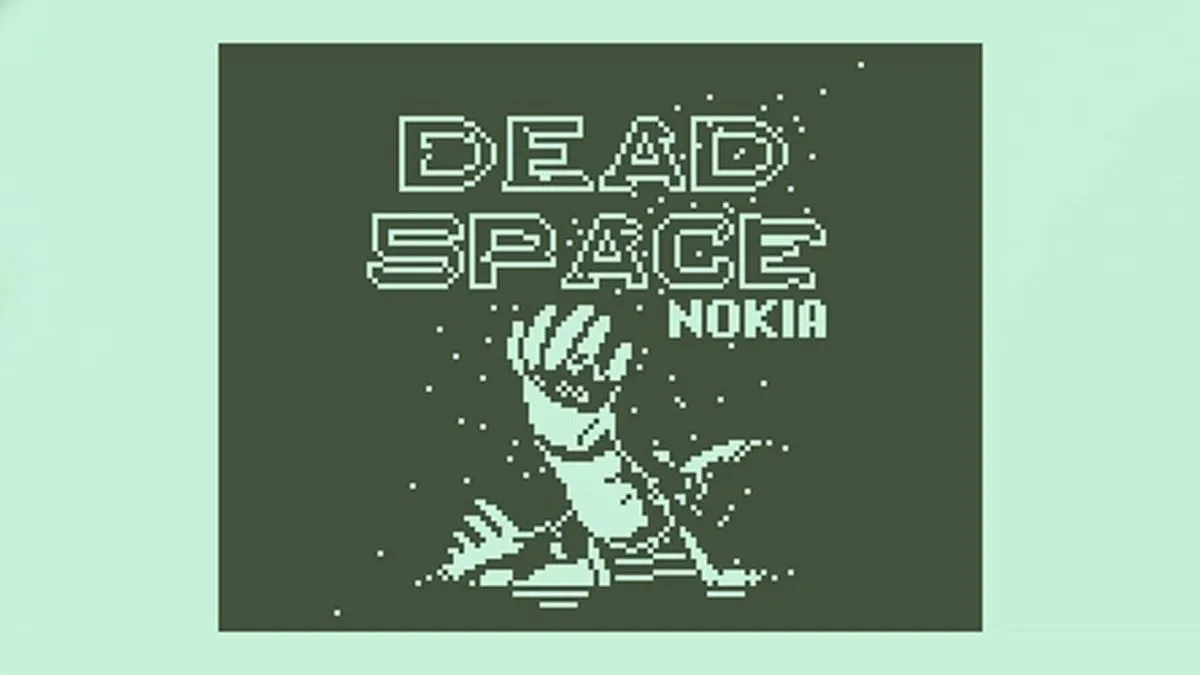
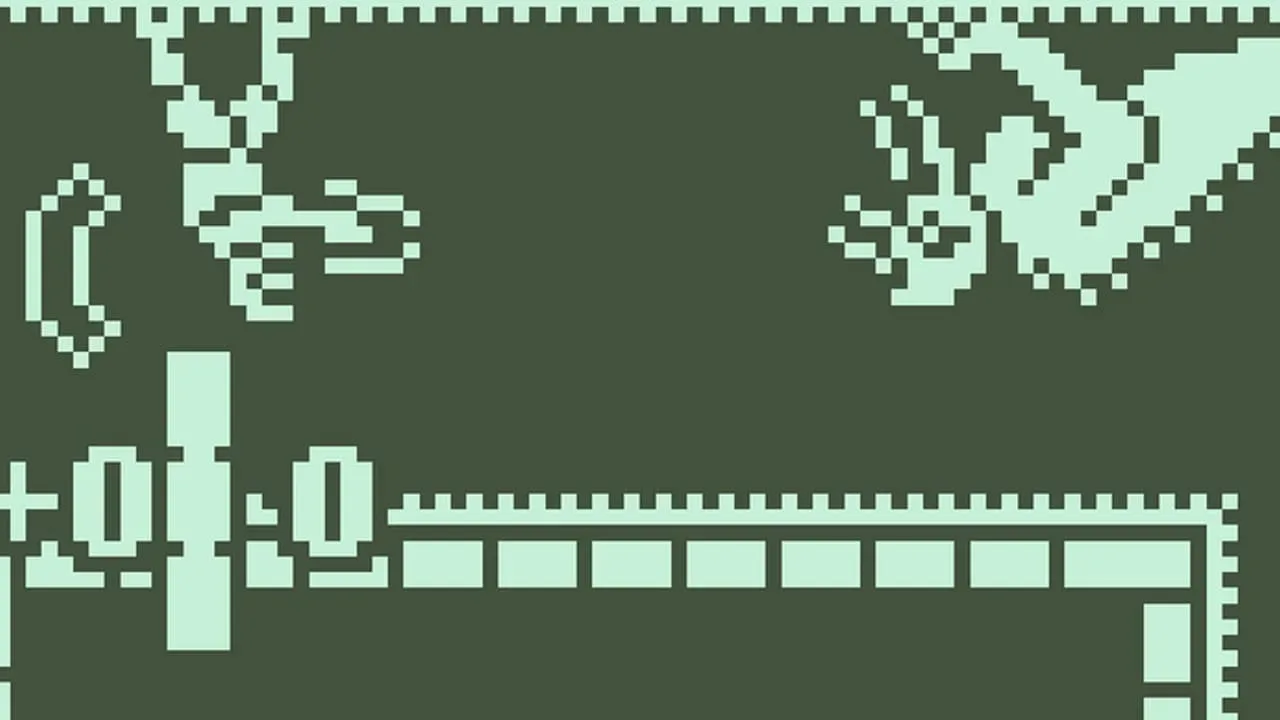
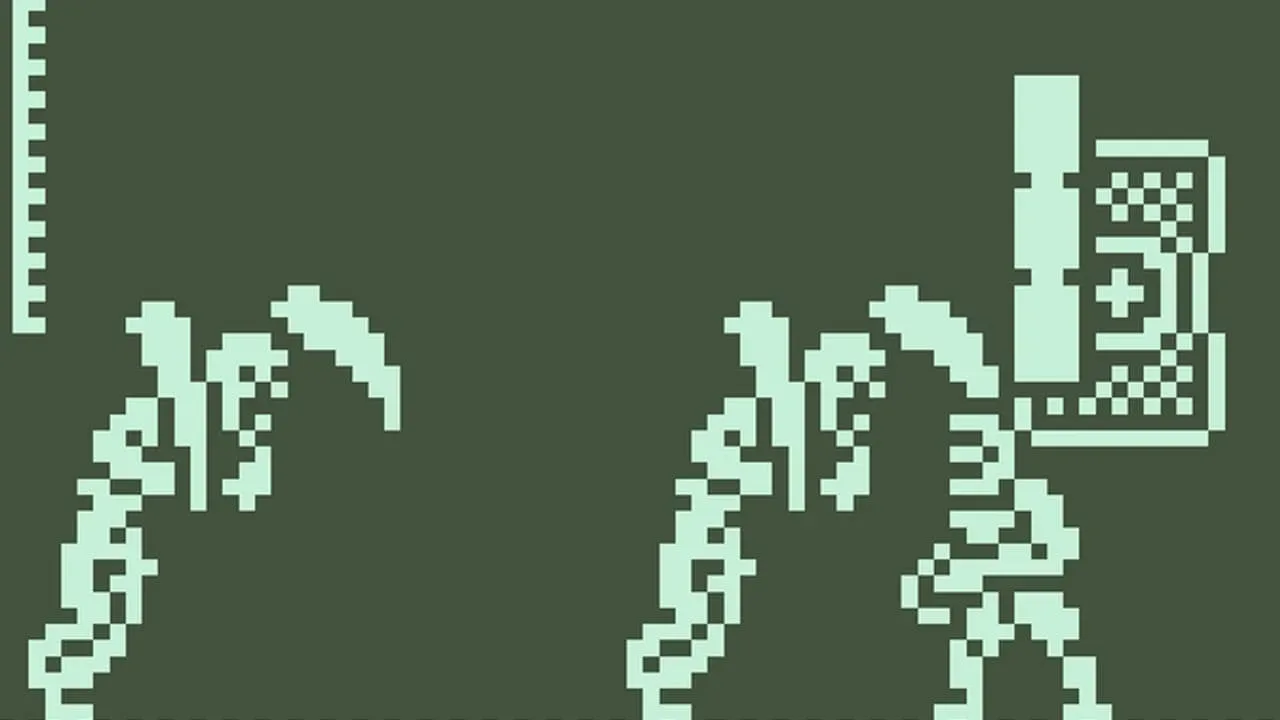
Dead Space has been reduced to one of the smallest and most unlikely formats imaginable. A fan-made demake from creator Davide Puato reinterprets the sci-fi survival-horror game as though it had arrived for the classic Nokia 3310, complete with a tiny two-colour display, mono-style audio presentation, and a side-scrolling perspective.
The project was created for the Nokia 3310 Jam and has since received an updated playable version for Windows. It takes a game remembered for oppressive darkness, grotesque Necromorphs, dismemberment-focused combat, and cinematic presentation, then filters those recognizable ideas through hardware constraints associated with an era of simple mobile games such as Snake.
That contrast is the heart of the experiment. Dead Space is normally defined by dense atmosphere and detailed audiovisual feedback: flickering corridors, industrial machinery, unsettling creature animations, Isaac Clarke's armored silhouette, and the ever-present sense that danger could be lurking just outside the camera view. The Nokia 3310-style version cannot replicate that scale directly. Instead, it asks what parts of Dead Space remain identifiable when almost everything has been stripped away.
A familiar horror story on a miniature screen
Puato describes the game as a way to experience classic action survival horror through a tiny, mono-audio, two-colour screen. It is an apt summary of what makes demakes appealing. Rather than trying to compete with the original game visually, a successful demake translates its most important ideas into a radically different visual language.
For useful background on this topic, read $15 Pdobq Travel Dock Offers a Compact TV-Out Option for Switch and Steam Deck.
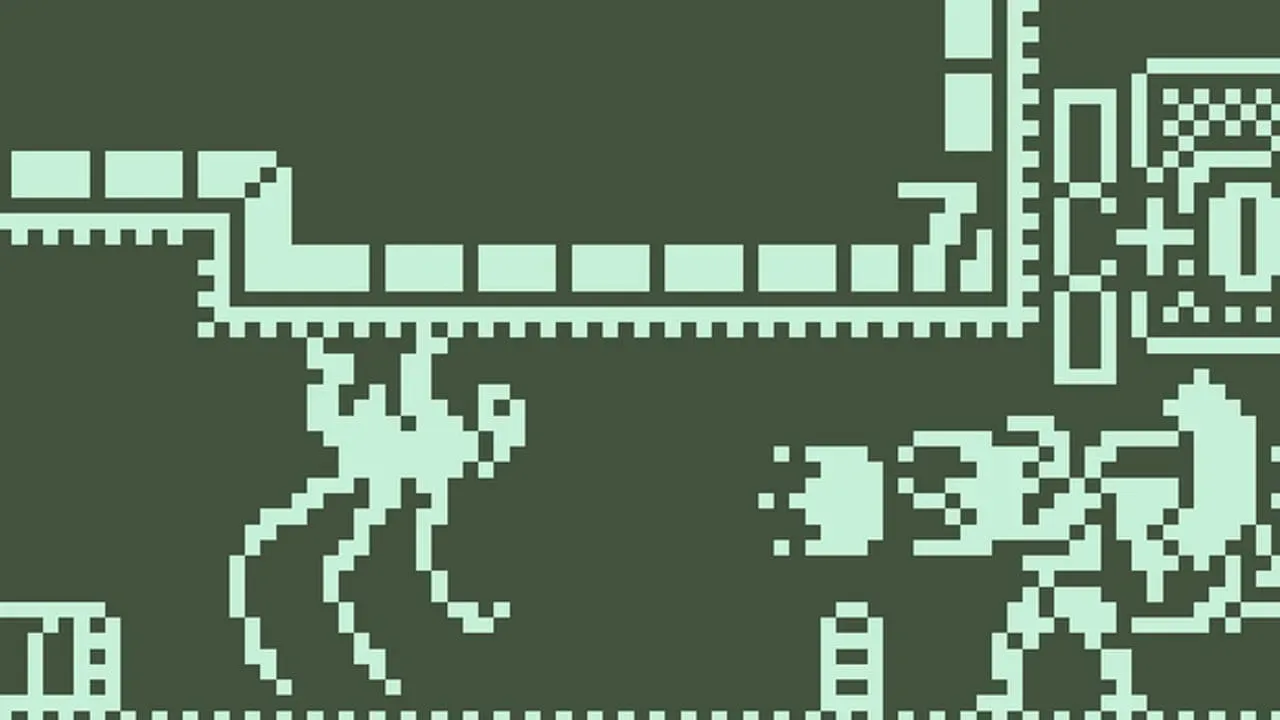
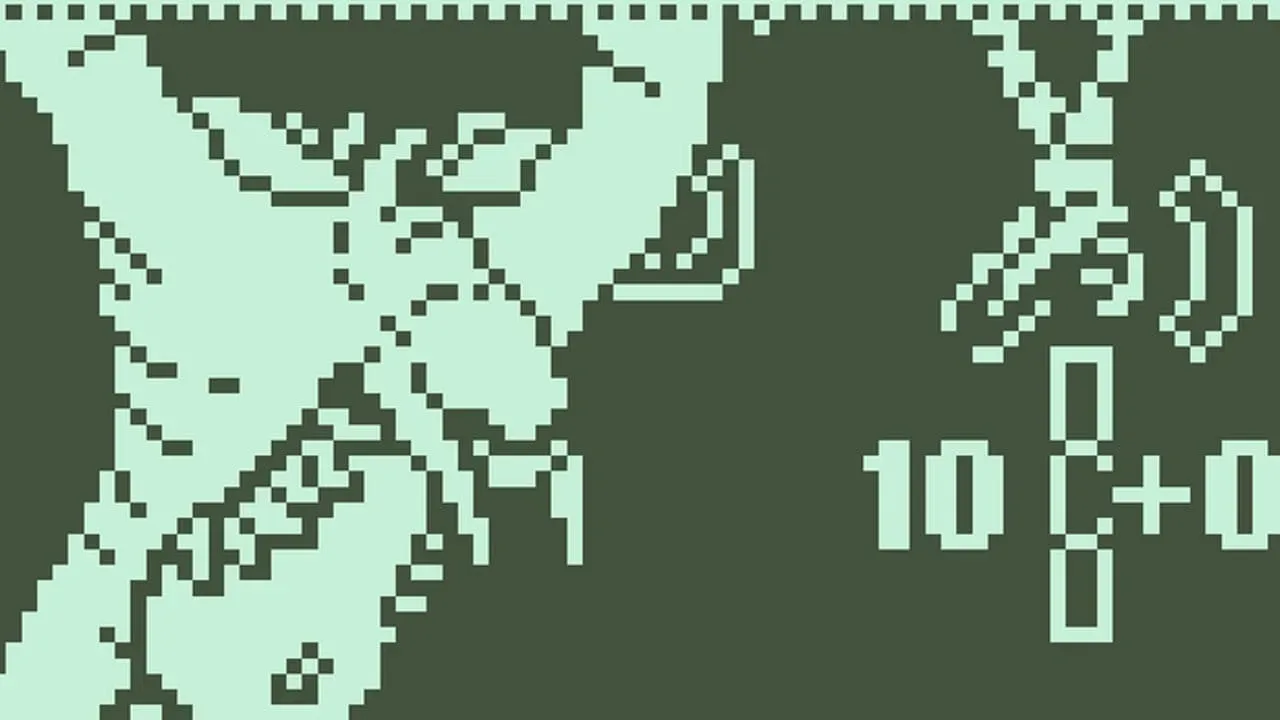
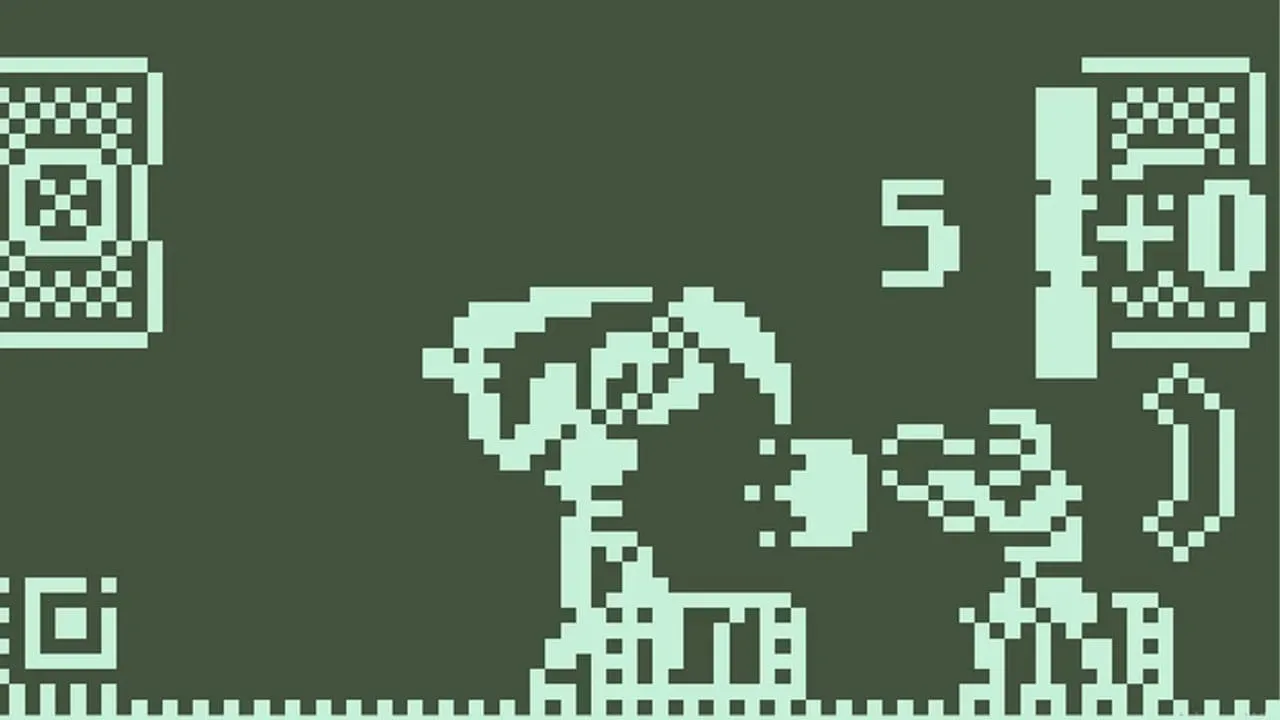
In this case, Dead Space's world becomes a compact side-scroller. The reduced display necessarily changes how environments, enemies, and player actions are communicated. Large 3D spaces become narrow rooms and corridors; detailed character models are represented with minimal pixels; and elaborate effects must make their point using only a limited palette. Yet the game still aims to retain the broader DNA of Dead Space: isolation, movement through hostile spaces, combat pressure, and tools that help the player survive.
There is an amusing historical mismatch at play as well. Nokia's original 3310 predates Dead Space by years, so the game could never have been an actual release for the handset in its time. That impossibility is precisely why the concept works. It imagines an alternate version of gaming history where a blockbuster-style survival-horror premise had to fit beside the simple diversions associated with early mobile phones.
The demake is also a reminder that visual fidelity is not the only way to evoke a game. A recognisable premise, the right player actions, deliberate sound design, constrained animation, and carefully arranged rooms can all do a surprising amount of work. A two-colour screen may be far less immediately frightening than a modern horror game running in high definition, but it can produce a different kind of tension: the unease of trying to read danger from a handful of moving pixels.
Windows controls keep the phone fantasy playable
While the project is designed around the look and limitations of a Nokia 3310 game, the available version runs on Windows. That makes the project accessible without requiring aging phone hardware, specialist cables, or a functional original handset. The presentation is retro mobile, but the practical setup is PC-based.
The control layout is intentionally simple and reflects the sort of direct input required by a compact action game. Players move with the arrow keys. The Up key is used to interact. Z handles aiming, while X is used for shooting and stomping. C activates healing or the stasis ability.
- Arrow keys: movement
- Up: interact
- Z: aim
- X: shoot and stomp
- C: heal or use stasis
Those mechanics are especially important because they are among the clearest links to Dead Space's identity. Shooting is not merely a generic action in the series; the original's combat was famously built around strategically targeting enemy limbs. Stomping also became one of its most memorable tactile details, combining resource gathering, enemy finishing, and a blunt expression of Isaac's panic. Healing and stasis, meanwhile, help preserve the feeling that survival depends on managing a small set of crucial tools rather than simply running forward and firing constantly.
How each of those actions is represented has to be dramatically simplified in a 3310-inspired format. But preserving them at all demonstrates the project's focus. The goal is not just to place the Dead Space name on a monochrome game. It is to find small, readable equivalents for systems and gestures players associate with the series.
Why demakes continue to resonate
Demakes occupy an interesting place in game culture. They are not usually attempts to replace an original title, nor are they conventional remasters. A remaster typically seeks to preserve a game while improving its presentation or compatibility. A demake moves in the opposite direction, deliberately imposing older technical limitations and asking how a familiar experience would change under them.
That process requires both technical craft and interpretation. Developers must decide what is essential and what can be removed. Does a horror game need detailed lighting to be scary? Can sound cues substitute for visual detail? Which weapons, abilities, locations, and enemies can be represented in a smaller framework? How much of the original's mood can survive when the player's view is reduced to a narrow, low-resolution scene?
For a property like Dead Space, those questions are particularly compelling. Its original appeal was closely tied to immersion. The user interface was integrated into Isaac's suit, navigation felt rooted in the world, and the spaceship setting was built to make players feel enclosed and vulnerable. A Nokia 3310-style reinterpretation cannot recreate that exact kind of immersion, but it can create a playful, affectionate version of it. The player is still navigating danger in a hostile sci-fi setting, only now the terror is compressed into something that could be imagined on a phone screen from the early 2000s.
The project also highlights the creative value of limitation. Modern development tools make it possible to pursue enormous worlds, detailed models, complex physics, high-resolution textures, and fully voiced cinematic sequences. Those options are powerful, but restrictions can inspire equally inventive work. With just two colours and a reduced display, every visual element must be clear. Enemy silhouettes, items, hazards, doors, and the player character all need to communicate their purpose quickly.
That economy can make a demake feel more like a design exercise than a novelty. It is a chance to examine the structure beneath a game's production values. If a title is still recognisable after being turned into a minimal side-scroller, that says something about the strength of its core concepts.
A new kind of nostalgia for Dead Space
The Nokia 3310 has become a potent symbol of early mobile technology: durable hardware, physical buttons, basic messaging, ringtone composition, and games designed around immediate readability. Pairing it with Dead Space creates nostalgia from two separate eras. One is the memory of pre-smartphone mobile phones. The other is the survival-horror legacy of Dead Space itself.
There is also a welcome sense of handmade specificity to this kind of project. The Nokia 3310 Jam framework gives creators a clear technical and aesthetic target, encouraging games that feel shaped by a particular machine rather than generically retro. Puato's Dead Space interpretation is not simply rendered in pixel art; it is built around the fantasy of a specific old mobile format and the compromises that format suggests.
Importantly, the jam's rules do not allow AI-generated work. That context fits a project defined by close adaptation, visual problem-solving, and a creator's personal take on an established game. The appeal comes from seeing how an individual developer translates a much larger horror experience into a tiny interactive artifact.
Dead Space on a Nokia 3310-style screen may be less visually intense than the series fans know, but it does not need to replicate every scare to justify itself. Its charm is in the transformation. It takes a sprawling, grim sci-fi nightmare and shrinks it until it feels like a lost mobile oddity from a timeline where survival horror somehow made its way onto one of gaming's most iconic phones.
For players interested in retro experiments, fan demakes, or simply a different way to revisit Dead Space's ideas, Puato's updated Windows version offers an unusual detour. It is a small game built around a very big contrast: one of horror gaming's most imposing settings, reimagined through the limits of a tiny two-colour handset.
Community
Discussion
Start the conversation.
No comments have been posted yet.