

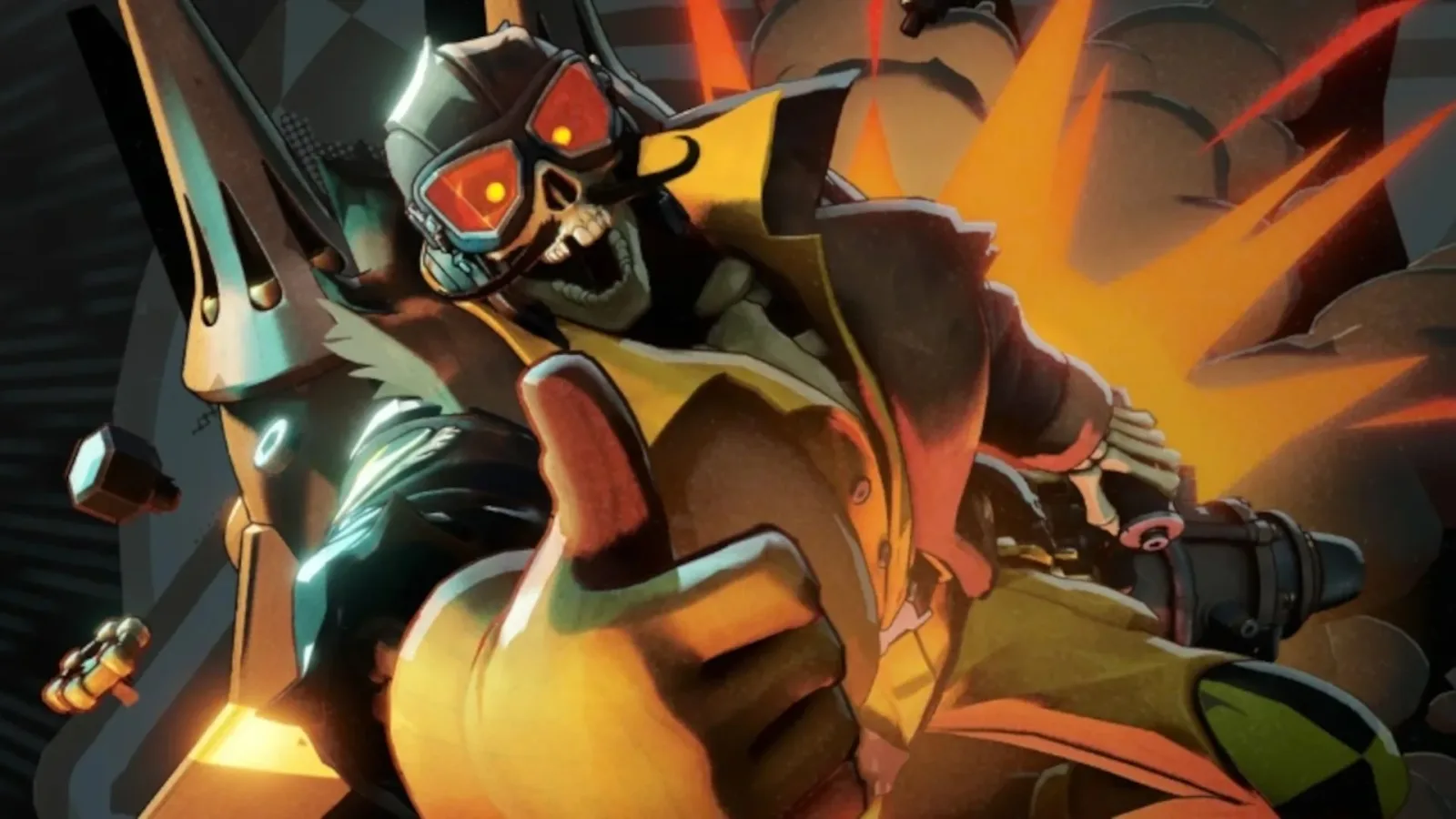
Deadlock has reached a new Steam concurrency milestone, surpassing 228,000 simultaneous players while it remains in a closed, invite-only beta. The jump follows Valve's substantial City Never Sleeps update, a patch that broadens the multiplayer shooter with six additional playable characters, a heavily reworked version of its central city map, more objectives, expanded item options, and changes to voting systems.
The player figure is particularly notable because Deadlock has not yet moved into an openly available release phase. Access is still limited to invited players, yet the game is continuing to attract a huge audience around its updates. That momentum suggests considerable interest in Valve's latest competitive project, which combines third-person shooting with a team-focused structure and a growing lineup of heroes built around distinct playstyles.
Rather than treating City Never Sleeps as a smaller seasonal distraction, Valve has positioned it as part of an ongoing effort to strengthen the game's underlying systems. The studio says it still had significant work to complete on Deadlock's core before shifting more of its focus to later polish work. That means the update is both a major injection of new content and an indication that the game is still evolving in fundamental ways.
Embedded X/Twitter post
Six new heroes arrive in City Never Sleeps
The most immediately visible part of the patch is the addition of six playable characters. Each new hero is intended to introduce different tactical possibilities to Deadlock's matches, giving teams more tools when constructing lineups and responding to opponents.
For useful background on this topic, read Midwest 90: Rapid City Serves Monster Mayhem in Steam Early Access This November.
Among the newly added roster members is Rat King, described as "scrappy, regal, tenacious." The character's presentation points toward Deadlock's unusual blend of supernatural, urban, and stylized action themes. Also joining the game is Deadman Danny, an explosives specialist whose kit should appeal to players who prefer area denial, damage pressure, or disruptive plays.
A third newcomer, Baba, stands out through a tea-drinking persona. While Valve has not detailed every aspect of the six heroes in the information available here, the new arrivals collectively expand the number of strategies available in a match. In a multiplayer game where team composition, map control, progression choices, and player coordination all matter, a larger cast can have effects far beyond simply giving players new characters to try.
New heroes can reshape established expectations. Teams may need to revise familiar combinations, reconsider counters, and explore fresh approaches to fighting around objectives. For individual players, the additions provide new potential main characters and more opportunities to find a role that fits their preferred way of playing. With six characters arriving together, City Never Sleeps is a substantial roster expansion rather than a one-hero experiment.
A stranger and more dangerous city
Deadlock is centered on a single map: a version of New York City that provides the setting for its battles. City Never Sleeps revises that space, filling it with creepy crawlies and other horrors. The timing gives the update a distinctly Halloween-friendly atmosphere, but the map work appears to be more than surface-level decoration.
Changes to a game's central battlefield can affect its entire competitive rhythm. Routes, sightlines, spaces around objectives, and the environmental identity of key areas all shape how players move through a match. Since Deadlock does not spread its gameplay across a conventional rotation of separate maps, ongoing changes to its one major city setting are especially important. Every revision has the potential to influence how players learn the game and how established tactics develop.
The update also brings more objectives. That is a meaningful addition for a team-based shooter, as objectives frequently create the moments where both sides are forced into conflict. They determine where players concentrate, when teams take risks, and how a temporary advantage can become a larger win. Extra objectives can therefore offer more decision-making throughout a match rather than making the experience hinge on only a small number of predictable fights.
Valve has also improved voting and increased the selection of available items, alongside a wider assortment of changes across the game. Better voting tools may help players communicate preferences and make decisions more smoothly, while a broader item pool should provide further flexibility in how heroes are built during play. These are the kinds of systems that can strongly influence the day-to-day experience even when they are less flashy than a new character or an altered district of the map.
Valve says the foundational work is not finished
In comments accompanying the update, Valve explained that its work has been directed toward several areas at once. Following the earlier Old Gods New Blood update, the team felt there was still a considerable amount to do with Deadlock's core game before it moved more fully into polish-oriented stages of development.
"After the Old Gods New Blood update, we felt that there was still a good amount of work we wanted to do on the core game itself before we moved onto more polish phases of the game development," Valve said.
The studio contrasted this year's approach with prior updates that had more singular priorities. Its current development effort has instead involved several parallel tracks, and City Never Sleeps addresses many of those efforts at the same time. The size and breadth of the patch reflect that approach: it is not solely a hero release, a map refresh, an item pass, or a systems update. It combines elements of all of them.
For players, that message sets expectations for Deadlock's near future. The game may already be drawing hundreds of thousands of people at once, but Valve is not presenting it as a finished competitive platform. It is still in a testing period, and the developers are still making choices about the foundations that will support later refinement.
That distinction matters because some updates are easier to make after a game's core is settled. Visual updates, revised artwork, and comparable presentation-focused improvements can be important, but they are generally less disruptive than altering the central rules, objectives, map flow, or progression systems that players interact with every match. Valve's comments suggest it is deliberately prioritizing the latter work for now.
More changes are already planned
City Never Sleeps does not include every adjustment Valve has in mind. The developer specifically noted that updates for the Midboss, Guardians, and Walkers are planned but have not arrived yet. Their mention makes clear that the current patch is part of a longer process, not a final sweep of all major gameplay concerns.
Those systems are likely to remain important areas to watch because changes to shared enemies, defensive structures, and match objectives can alter the balance between aggression, control, and long-term planning. Even without details on the eventual revisions, Valve identifying them publicly gives players a clearer sense of where future development attention may land.
The studio also addressed the subject of hero remodels. It said that updating older hero artwork had been viewed as work for later in early development, after other core elements were more completely fleshed out. Valve emphasized that this does not mean visual improvements are unimportant. Instead, they are considered a more understood category of work that does not necessarily need to happen before broader gameplay questions are resolved.
That is a practical priority for an invite-only beta. New artwork and remodels can help make a game feel more cohesive and finished, but they do not replace the need for solid match flow, balanced systems, meaningful objectives, or a healthy set of strategic choices. Deadlock's current surge shows that players are willing to engage deeply with the game while those broader pieces are still being developed.
A major milestone for an invite-only shooter
Passing 228,000 concurrent Steam players gives Deadlock an impressive benchmark during a period when access remains restricted. The milestone also arrives at a moment when the game's direction is becoming easier to read. Valve is expanding the cast, changing the city players know, adding objectives and items, and continuing to revise the systems beneath the action.
The City Never Sleeps update gives current participants plenty to explore, from the six new heroes to the transformed New York-inspired setting. At the same time, Valve's development comments make it clear that Deadlock is not at the stage where every remaining change will be cosmetic or minor. Major work on the core experience is still underway, and updates involving Midboss, Guardians, and Walkers remain on the horizon.
For now, Deadlock's record-breaking player count is a strong sign that its ongoing beta has found a sizable and engaged audience. Whether that momentum continues will depend on how effectively Valve turns its parallel development work into a more complete competitive experience. City Never Sleeps is a big step in that process, but Valve has made clear that there is more to build before its shooter reaches its later polish phase.
Community
Discussion
Start the conversation.
No comments have been posted yet.