

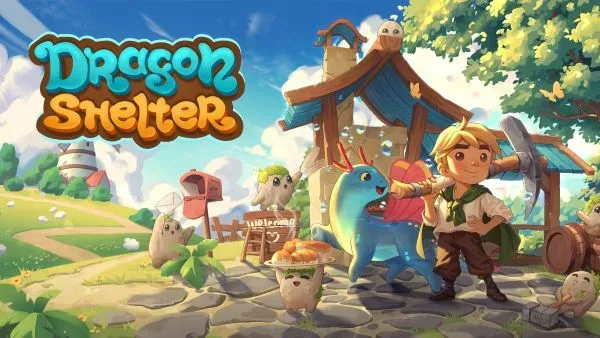
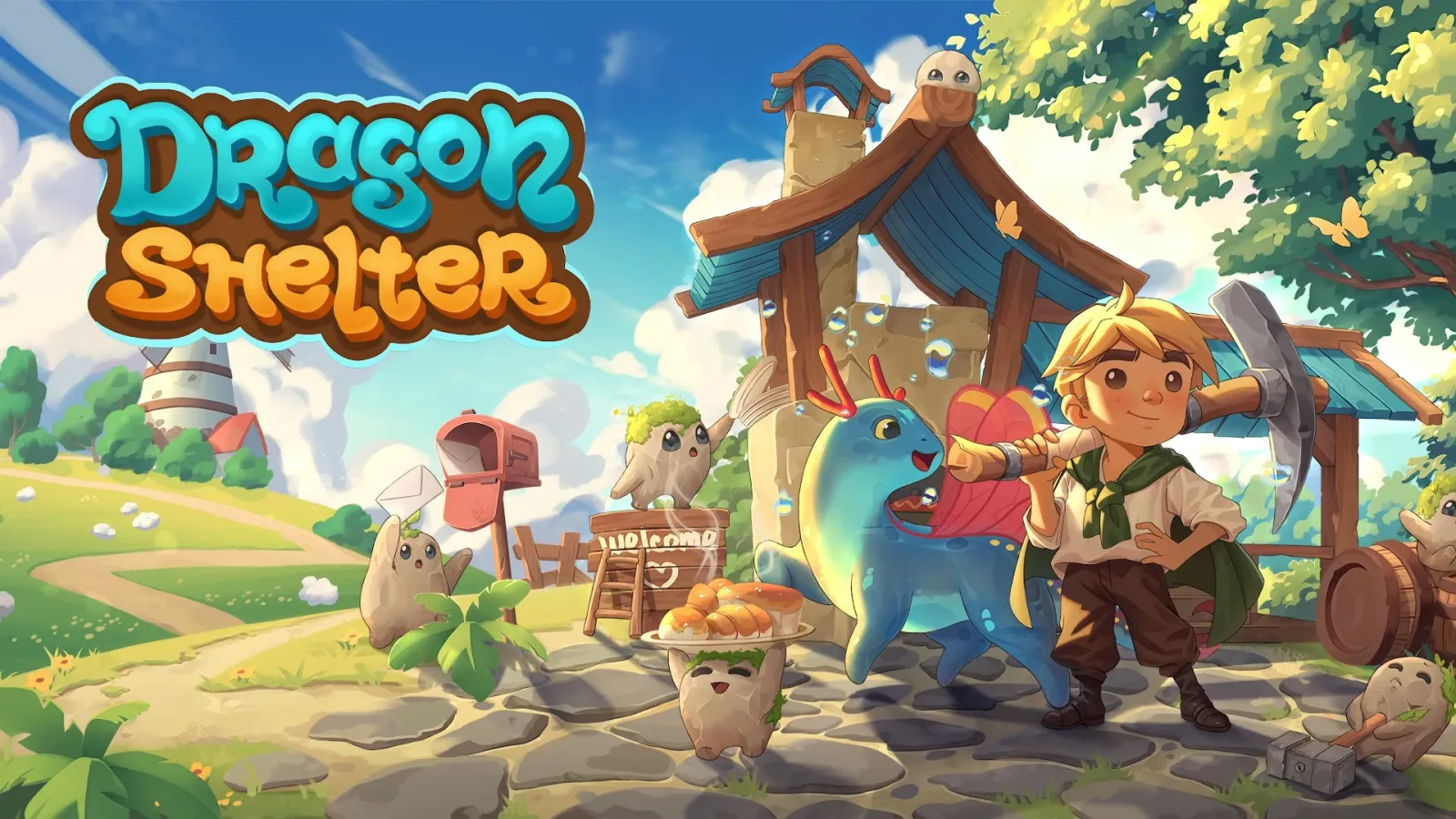
Dragon Shelter has launched on Steam for PC, bringing a distinctly magical spin to the cosy farming simulation formula. Developed by Wild Forest Studio and published by Curve Games, the game became available at 6 PM BST on September 24, 2026.
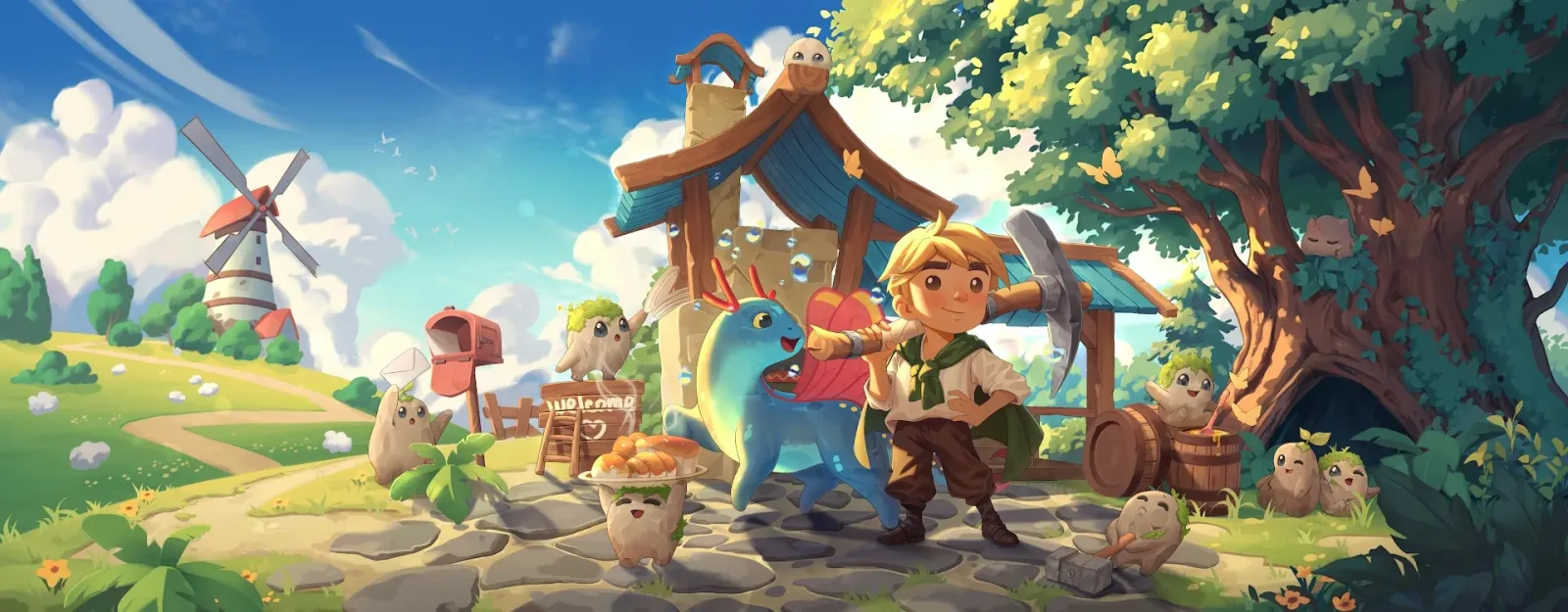
Set in a colourful, hand-painted fantasy setting, Dragon Shelter begins with an inheritance: the player receives their grandfather's neglected farm. What initially appears to be a conventional restoration project quickly becomes a larger effort to heal a community and renew the fading connection between people and dragons. The farm, the nearby town, and the land surrounding them have all been affected by an encroaching gloom, leaving plenty of work for aspiring farmers, crafters, cooks, and dragon caretakers.
Its central idea is simple but appealing. Rather than treating magical creatures as distant curiosities or occasional rewards, Dragon Shelter makes them active partners in the everyday rhythm of farm life. Each dragon possesses an elemental affinity, and those abilities can be put to practical use as players grow crops, renovate their home, care for animals, and help bring the local settlement back to life.
A farm inherited in need of care
Players arrive at a run-down property that needs substantial attention. Restoring it involves the familiar comforts expected from the genre: raising crops, tending livestock, making use of the landscape, and steadily improving the space. Dragon Shelter also folds terraforming and renovation into that process, allowing the farm's recovery to feed into the broader restoration of the area.
For useful background on this topic, read Limerence Sets October 29, 2026 PC Launch for Its AI Relationship Story.
The task is not limited to making the property look presentable. The farm serves as the foundation for a wider adventure centred on reviving a town whose residents are struggling beneath the setting's gloom. Completing quests, preparing meals, participating in the community, and building relationships are all part of moving that recovery forward.
That gives the game a clear communal focus. Progress is tied not only to expanding a farm operation, but also to helping people reconnect with one another and with the dragons that once shared their world. The result is positioned as a gentler fantasy journey built around repair, companionship, and gradual transformation rather than combat-driven heroics.
Four elemental dragon companions
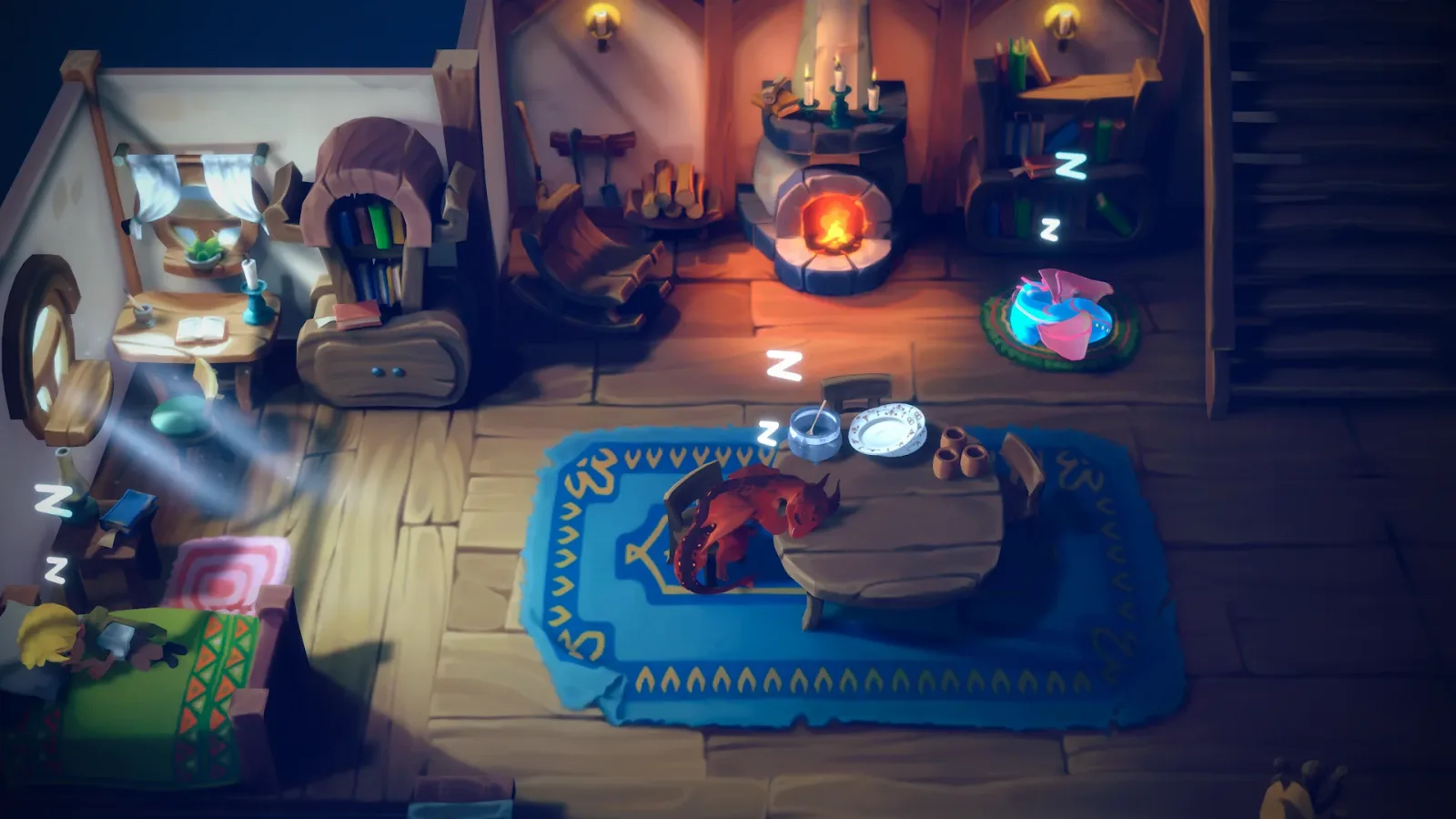
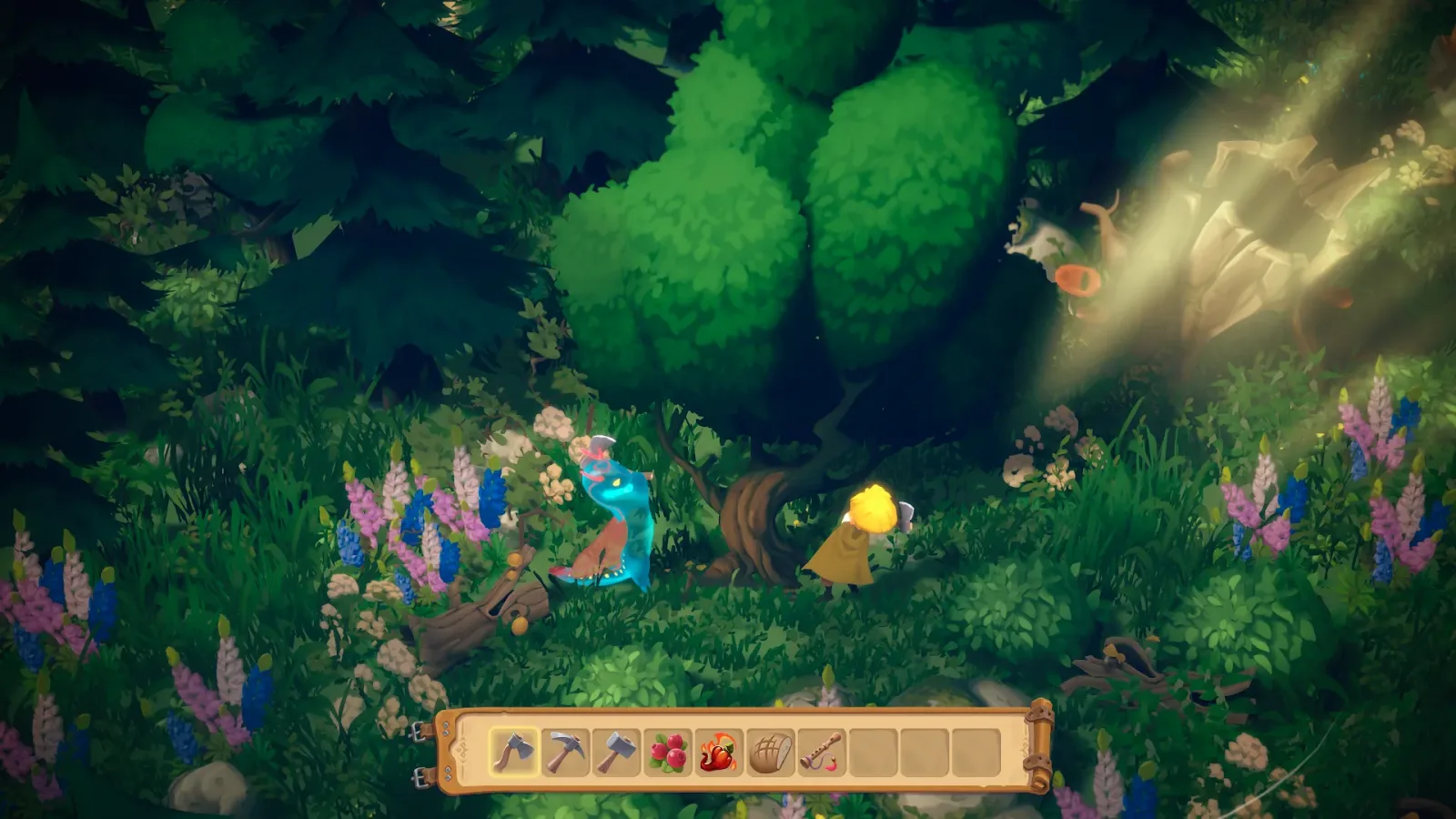
Dragon Shelter's most distinctive feature is its roster of dragon companions. Players can befriend, nurture, and assign these creatures to activities around the farm, with different elemental talents providing useful support for particular jobs.
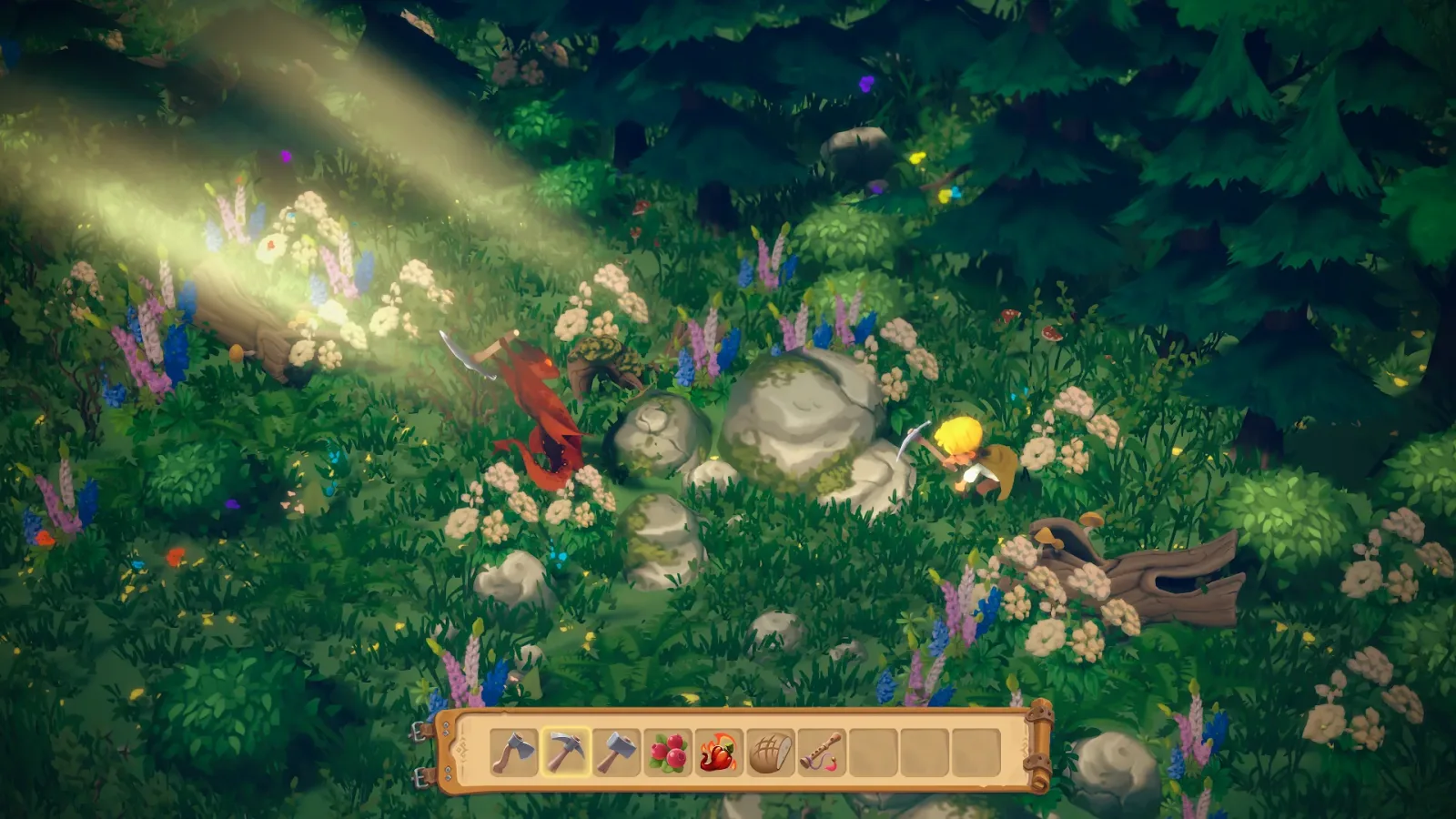
- Fire dragons can burn away weeds and light the forge, helping clear unwanted growth while supporting crafting work.
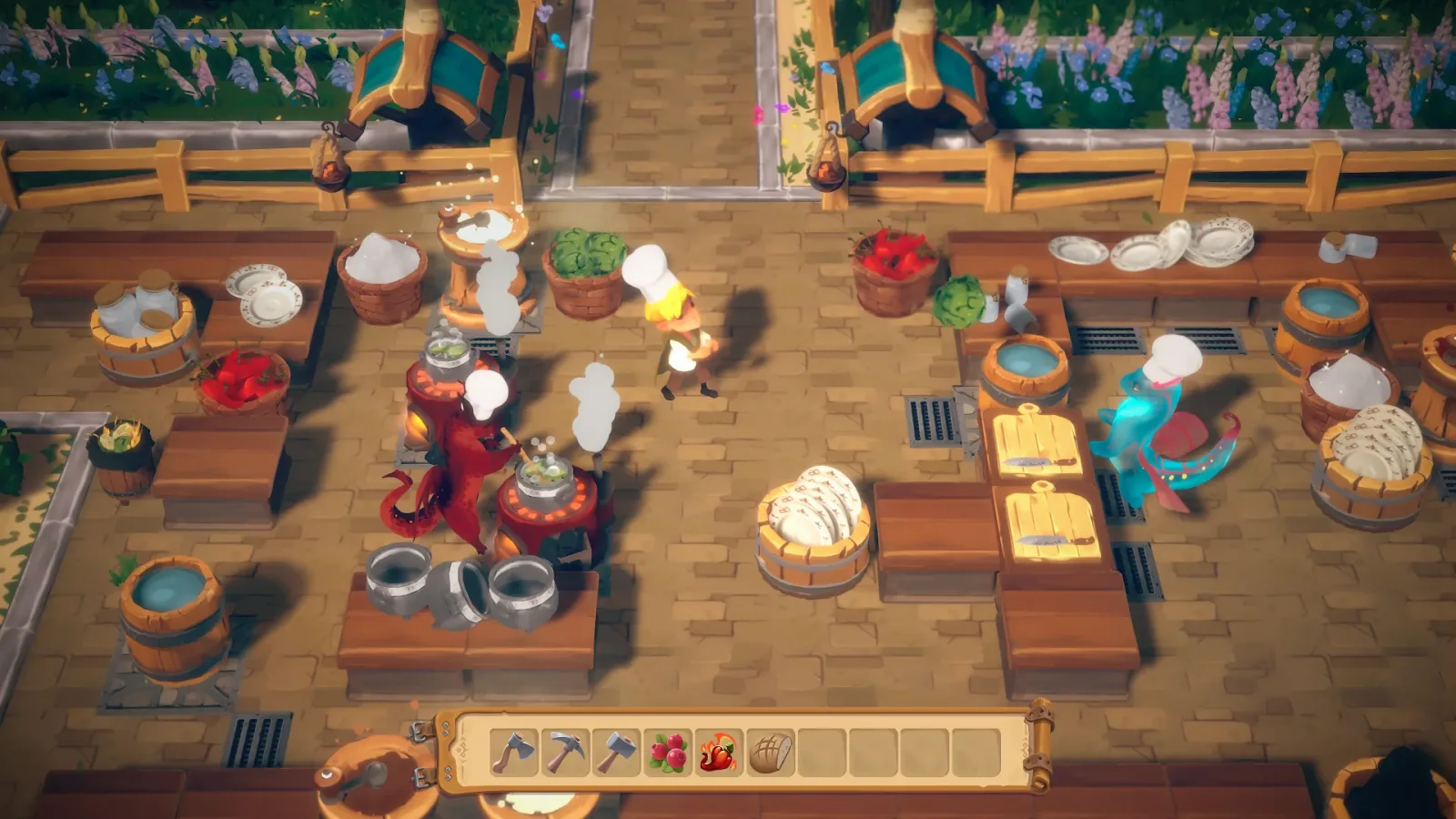
- Water dragons can water crops and lend a hand with cooking, making them useful in both the fields and the kitchen.
- Earth dragons enrich the soil and help look after livestock connected to the earth.
- Electric dragons are shy companions that require trust before they can be relied upon to tend enchanted plants and creatures.
These powers make dragon care part of the game's core loop rather than a separate collecting activity. A fire dragon might make reclaiming overgrown farmland easier, while a water dragon can contribute to routine cultivation and meals for townsfolk. The earth dragon's role links directly to soil quality and animal care, and the electric dragon suggests that some of Dragon Shelter's more unusual magical ecosystems will only become available as a relationship develops.
The emphasis on trust is particularly important for the electric dragon. Not every companion is immediately ready to work alongside the player, and the game frames friendship and nurturing as meaningful parts of unlocking a dragon's potential. That fits the larger theme of restoring an old bond between humans and dragons: companionship is not merely a tool for efficiency, but the heart of the farm's renewal.
Enchanted crops, cooking, and crafting
Farming naturally remains a major part of Dragon Shelter, although its crops are not entirely ordinary. The game includes enchanted plants with their own unique properties, extending the fantasy premise into cultivation. Players will need to tend their land through the changing year while making the most of their dragons' abilities and the distinct opportunities created by magical agriculture.
Cooking is another key component. Meals can be prepared for members of the town, and sharing food is directly tied to strengthening relationships and opening up further opportunities. In a game focused on rebuilding a community, cooking appears to function as more than a way to restore energy or use harvested ingredients. It is one of the ways players can become part of local life, learn what residents need, and gradually deepen connections.
Crafting is likewise woven into the farm's restoration. The forge, powered with help from a fire dragon, points to a practical crafting system that supports the work of repairing and improving the player's surroundings. Between farming, cooking, renovation, and dragon assignments, the game is structured around a collection of interlocking daily activities rather than a single narrow routine.
For players who enjoy methodically improving a space over time, that combination may be Dragon Shelter's strongest draw. The game presents a steady cycle of cultivation and restoration, but gives each task a magical flavour through the creature companions and enchanted environment.
Seasons shape the pace of life
Dragon Shelter includes four distinct seasons, with each one intended to influence gameplay, activities, and festivals. Seasonal change is a familiar cornerstone of farming simulations, but it is particularly well suited to this game's emphasis on an evolving world. As the farm becomes healthier and the town's situation improves, the calendar can provide a natural structure for new tasks and community events.
Festivals are expected to give players reasons to engage with townsfolk outside the usual workday, while seasonal activities should help keep the routine from becoming static. The changing conditions also reinforce the premise that this is a living fantasy landscape rather than simply a plot of land waiting to be optimized.
The seasonal format could also encourage players to consider which projects matter most at a given time. Crop care, livestock, renovations, town requests, crafting, and dragon companionship all compete for attention, and the presence of seasonal events gives that balance a broader rhythm across the in-game year.
Rebuilding relationships alongside buildings
While the inherited farm provides the starting point, the town is central to Dragon Shelter's larger story. Its characters make up a growing community that players can get to know through meals, quests, and continued interaction. Restoring physical places and restoring social ties are presented as parallel goals.
The gloom affecting the community gives those efforts an emotional direction. Rather than rebuilding for its own sake, players are working to help lift a lingering darkness from the people and places around them. The dragons are connected to that process as well, representing a relationship between humans and the natural, magical world that has been lost over time.
"Creating Dragon Shelter has been its own kind of magic - and we are so excited to finally share that magic with the world," said Oleg Babenkov, Game Director at Wild Forest Studio. "We hope players enjoy their new adventure, building, restoring, and healing the fantastical world we've created alongside their new dragon companions!"
Dragon Shelter is now on PC
Dragon Shelter is available now through Steam on PC. Its launch package combines dragon management, enchanted farming, cooking, crafting, terraforming, seasonal changes, festivals, livestock care, and relationship-building in one hand-painted fantasy world.
For fans of low-pressure farming adventures, its elemental dragon system is the clearest point of difference. Instead of simply expanding a homestead through tools and upgrades, players will form bonds with creatures whose powers directly affect the farm and the people around it. Whether clearing weeds with fire, improving soil with earth magic, tending fields with water, or earning the confidence of a reserved electric dragon, the game places companionship at the centre of its cosy restoration story.
Community
Discussion
Start the conversation.
No comments have been posted yet.