

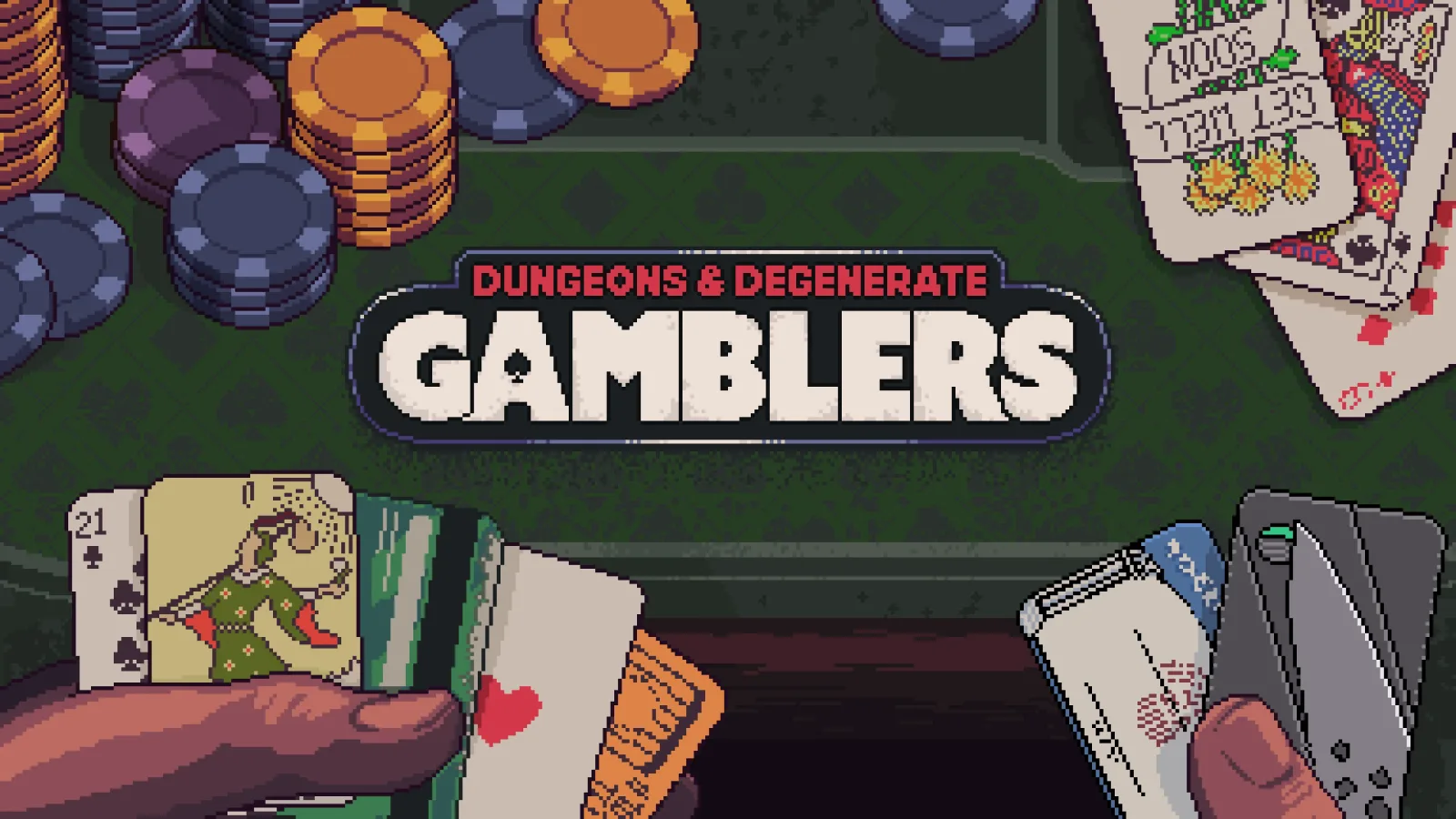
Dungeons & Degenerate Gamblers is heading to PlayStation 5 and Nintendo Switch on October 9, 2026. Yogscast Games and New Zealand-based developer Purple Moss Collectors have confirmed that the blackjack-inspired roguelike deckbuilder will arrive on both console platforms as a fully updated edition, incorporating the major 2.0 Doubling Down update and the improvements made to the PC version from day one.
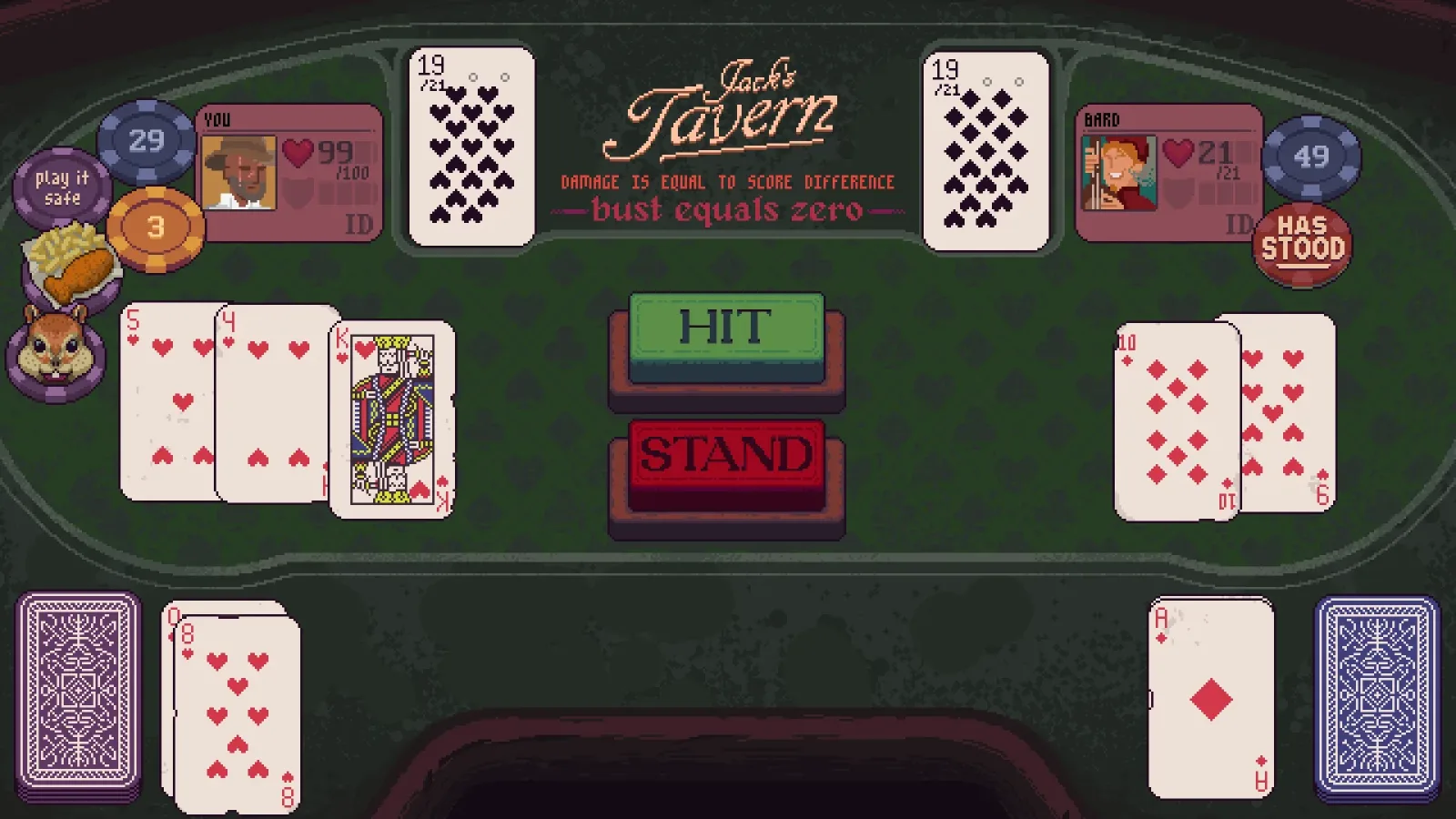
The announcement gives console players a firm date for a game built around a knowingly strange reinterpretation of casino card play. Rather than treating blackjack as a simple race toward 21, Dungeons & Degenerate Gamblers turns it into the foundation for a dungeon-crawling run where decks become increasingly unruly, point totals can be manipulated in unexpected ways, and a strong hand is only part of the equation. The goal is not merely to survive a table, but to work through a tavern full of corrupt high-rollers by building a strategy that can hold up across an entire run.
It is also a notable console move for a game that found early momentum on PC. The game grossed more than $1 million during its first month on that platform. With the PS5 and Switch editions launching after the 2.0 update, the console audience will begin with a version containing a substantial amount of additional content rather than needing to wait for the game's larger post-launch additions to catch up.
A blackjack game where the deck gets wonderfully out of control
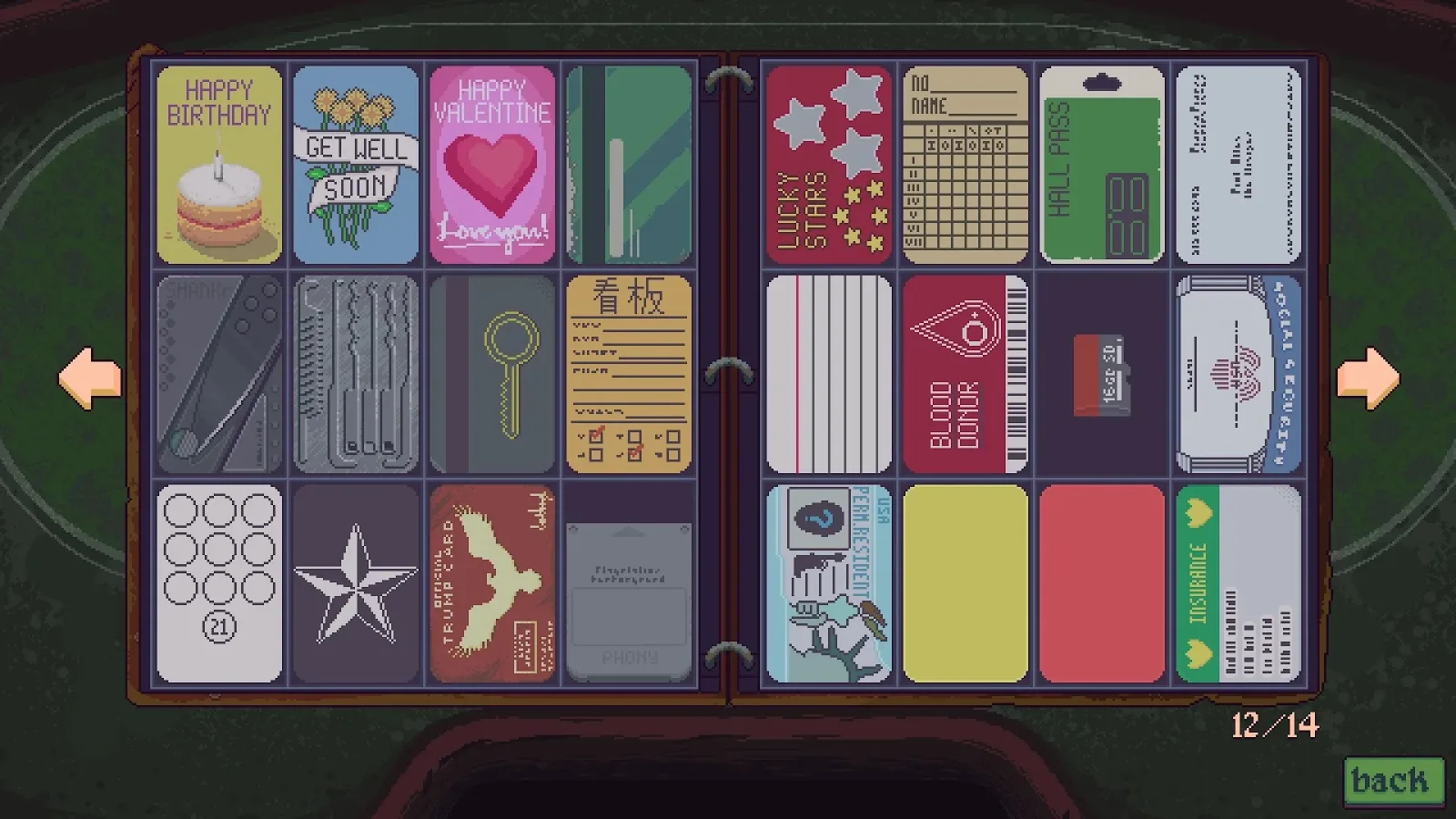
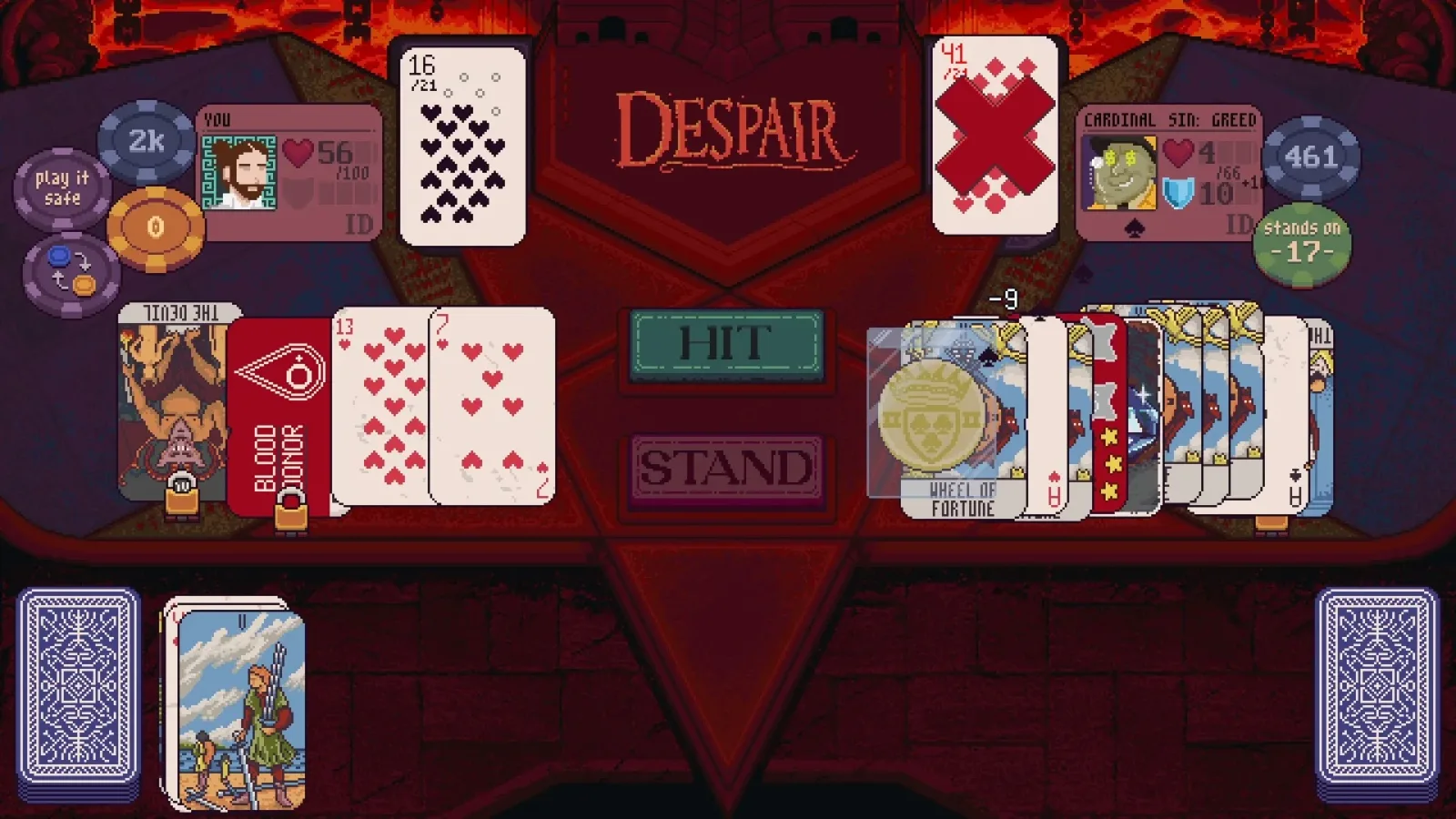
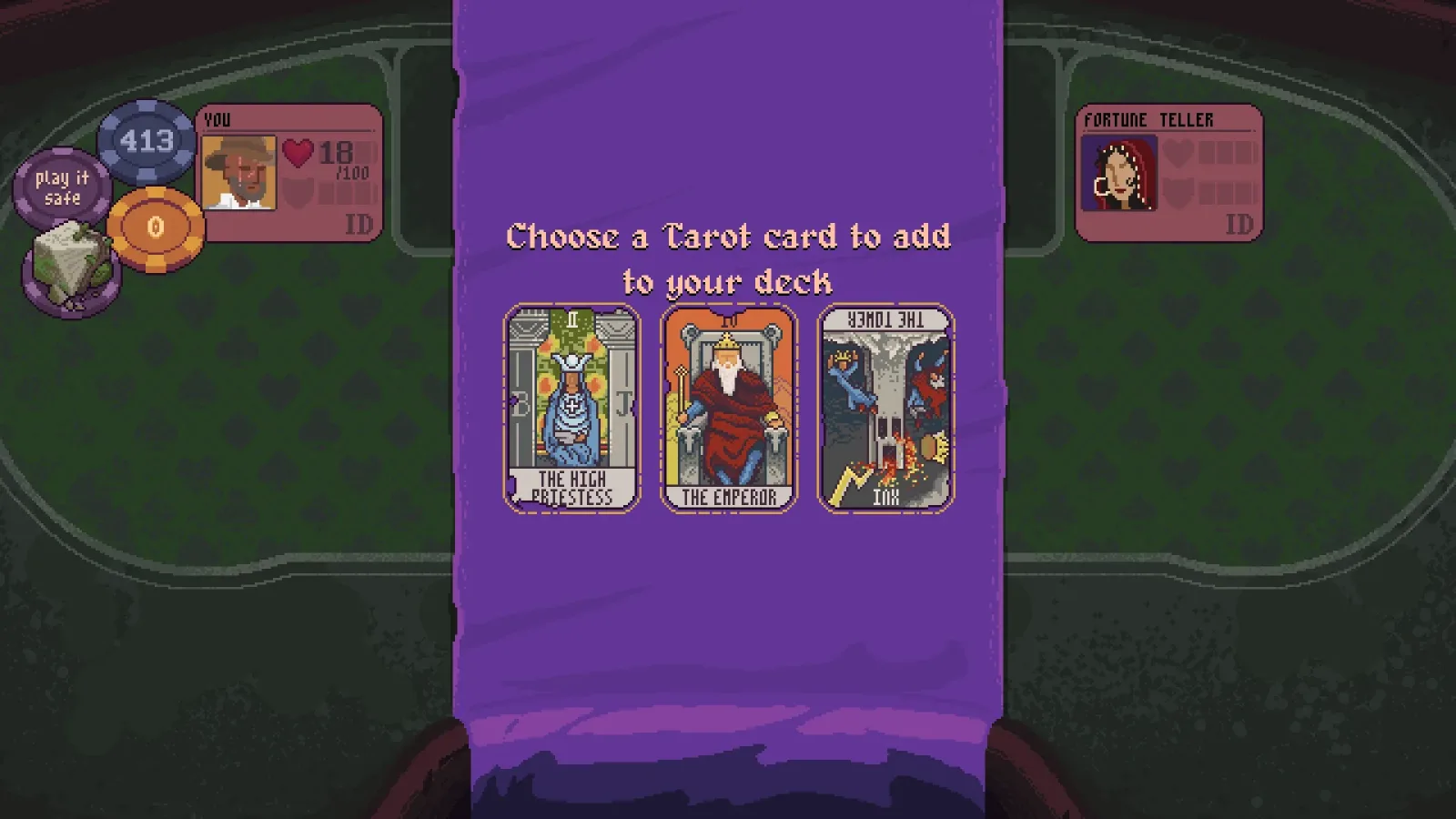
Dungeons & Degenerate Gamblers begins with familiar card-game logic but rapidly abandons the traditional constraints. Standard suits make way for cards designed to break, bend, or otherwise complicate the rules. Players assemble decks from unusual items including tarot cards, business cards, store loyalty punch-cards, hall passes, and birthday cards. Each category contributes to a broader system of effects intended to create synergies rather than simply provide a higher numerical value.
For useful background on this topic, read EA's New Ownership Reassurances Leave Queer Communities Skeptical About BioWare, The Sims and Apex Legends.
Those effects can change how a player approaches every round. Cards may alter point totals, inflict direct damage, or take chips from an opponent. That means a winning approach can come from more than carefully managing a score. A deck might focus on reshaping its own total at the last second, punishing rivals independently of the usual blackjack result, or steadily undermining enemy resources. The appeal of the roguelike format is in discovering which combinations can turn a risky starting idea into a powerful run.
At the outset, players select a starter deck, establishing an initial direction for their build. They will then collect tools while progressing through branching dungeon floors, making choices about routes, encounters, and rewards. The game frames these decisions around risk and reward: a player may take a safer path to preserve a promising build, or pursue a more dangerous opportunity in search of a card, charm, or other advantage that could dramatically improve their odds.
The dungeon structure provides the changing context for the card battles. Players are ultimately working toward victories over the tavern's worst high-rollers, but the road there involves adapting to foes and events while maintaining enough chips and momentum to continue. In a genre where one weak decision can create problems much later, the combination of branching paths and changing deck options should make flexibility as valuable as a single dominant combo.
For another perspective on this story, read Dungeons & Degenerate Gamblers Bets on PS5 and Switch Release This October.
The Doubling Down update is part of the console package
The defining feature of the PS5 and Nintendo Switch release is that it will include the game's 2.0 Doubling Down update at launch. Four new floors are included in that update: Surveillance, Laboratory, Anxiety, and Apathy. Each is said to bring its own events and enemies, expanding the range of situations players will face while working through the dungeon.
New floors matter especially in a run-based game because they can influence far more than visual variety. Fresh enemies can test established deck strategies in different ways, while unique events may force players to reconsider the value of their current cards and resources. A combo that dominates one floor may require adjustments when a later opponent interferes with a key mechanic or when an event presents a difficult choice. The addition of four named areas should therefore give repeat players more space to experiment with alternate builds and routes.
Another major addition is a collection of more than 50 Lucky Charms. These are equipable items that remain active for the duration of a run. Their persistent nature makes them important pieces of a player's overall plan: unlike a one-off card play, a Lucky Charm can influence multiple battles and potentially shape which rewards are most worthwhile later. A charm that supports a particular card type or play pattern could encourage a player to pursue that path more aggressively, while another may provide a useful fallback for a deck still searching for its identity.
The update also brings three new cards and a new Unique Chip, alongside revisions to existing cards and Unique Chips. Reworks are particularly relevant to a deckbuilder's long-term health. As players discover powerful strategies, adjustments can create more viable decisions and make neglected tools worth considering again. New enemies added to pre-existing floors further broaden the encounter pool, ensuring that returning to earlier areas does not necessarily mean confronting the same sequence of threats.
More ways to set the table
Beyond its new cards, charms, and floors, the 2.0 release adds modes designed for players who want more control over the shape of their sessions. Custom Runs allow players to alter parameters and tailor a run to their preferences. That can be useful for experimenting with particular ideas, creating an unusually difficult challenge, or simply adjusting the experience to suit a desired style of play.
Customisation is a natural fit for a roguelike deckbuilder because much of the enjoyment comes from exploring systems that may not emerge consistently in normal runs. A player who wants to investigate a specific starting approach or modifier will have a dedicated avenue to do so. It also offers potential replay value once someone has become familiar with the standard structure and wants to establish their own conditions.
There is also a Daily Run Mode, which presents a fixed starting deck and a set of pre-selected modifiers for that day's challenge. By putting everyone into the same basic scenario, Daily Run Mode shifts the emphasis toward adapting effectively within shared limits. Players will not begin with identical decisions by the end of a run, but they will at least start from the same deck and modifier setup, creating a more focused daily puzzle.
For the console versions, these modes help ensure that the October release is not simply an earlier foundation with room to grow. The PS5 and Switch editions are positioned as the updated game, complete with the content that has expanded its PC counterpart. No separate rollout timing for the 2.0 features has been announced, because those features are planned to be present when the console versions become available.
What to expect on October 9
Players on PlayStation 5 and Nintendo Switch can expect a deckbuilding game that uses blackjack terminology and tension as a starting point, then layers it with dungeon progression, enemy confrontations, persistent run items, and an assortment of unconventional cards. Its core promise is the chance to turn apparently mundane paper objects into a wildly effective gambling arsenal, whether that means manipulating totals with tarot cards, exploiting a loyalty punch-card, or finding a way to make an opponent's chips disappear.
The game's playful title and offbeat deck components suggest a lighter, irreverent presentation, but its systems are structured around meaningful decisions. Choosing a starter deck, evaluating branching routes, managing the balance between safety and ambition, and recognising card synergies are all central to getting past increasingly dangerous opponents. With the 2.0 content in place, players will have additional floors to navigate, dozens of Lucky Charms to chase, and multiple modes through which to revisit the game's volatile blackjack-inspired battles.
Dungeons & Degenerate Gamblers launches for PlayStation 5 and Nintendo Switch on October 9, 2026. The PC version is already available, while the newly announced console editions will arrive with the current major update and its associated improvements included.
Community
Discussion
Start the conversation.
No comments have been posted yet.