

Electronic Arts has completed its $55 billion sale to Saudi Arabia's Public Investment Fund, Silver Lake Partners, and Affinity Partners, the private-equity firm owned by Jared Kushner. The deal, initially announced in September 2025, formally closed on Tuesday, August 4. In the immediate aftermath, EA executives reportedly told the company's global workforce that its new ownership partners would not be involved in creative decisions.
That message has done little to calm the concerns of many employees and players. For fans of BioWare, Maxis, and Respawn Entertainment, the issue is not simply another major corporate transaction. Dragon Age, Mass Effect, The Sims, and Apex Legends have all been meaningful spaces for LGBTQIA+ players, offering character creation, romances, stories, and communities that many say helped them understand themselves. Now, with Saudi Arabia's laws criminalizing same-sex relationships and transgender expression in the background, fans are questioning whether those traditions can continue under EA's new ownership structure.
Questions over debt, costs, and job security
The acquisition is also shadowed by financial uncertainty. The deal leaves EA servicing roughly $18 billion in debt, and Bloomberg previously reported that the publisher told debt investors it planned to find $170 million in savings through "organizational efficiencies." Employees have reportedly not received a clear explanation of what those plans could mean for staffing, budgets, or studios.
Embedded X/Twitter post
EA held a company-wide town hall one day after the sale concluded. People familiar with the presentation said leadership spoke in broad terms about the ownership change but did not directly address anxiety about layoffs or expected budget reductions. A question-and-answer session was included, though some workers felt the selected questions did not confront the subjects most concerning to staff.
For useful background on this topic, read Grand Theft Auto 5 Revisited: Why Los Santos Still Feels Alive--and Where It Shows Its Age.
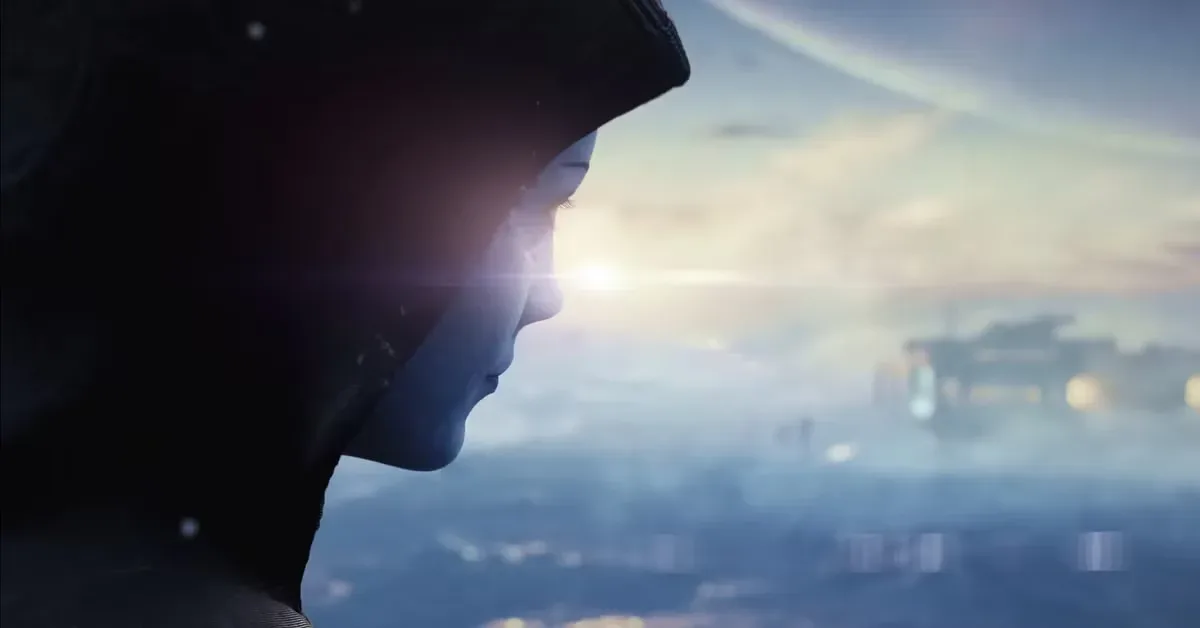
That ambiguity is particularly difficult for teams outside EA's most frequently emphasized businesses: sports games, Battlefield, The Sims, and Apex Legends. Staff have spent a long period watching restructures sweep across the industry, and the prospect of debt-driven cuts adds another layer of instability. BioWare's position is especially sensitive in the eyes of its audience, following years of uncertainty after Mass Effect: Andromeda and Anthem, as well as questions surrounding the future of Dragon Age after 2024's The Veilguard.
EA's assurance that its new partners will not be making creative calls remains a promise rather than a detailed public plan. No specific policies have been laid out about representation, studio autonomy, or how ownership will interact with the publishing organization. That gap has made it hard for players to separate their hopes for the developers from their concerns over the people now holding financial power over EA.
Why these games matter to queer players
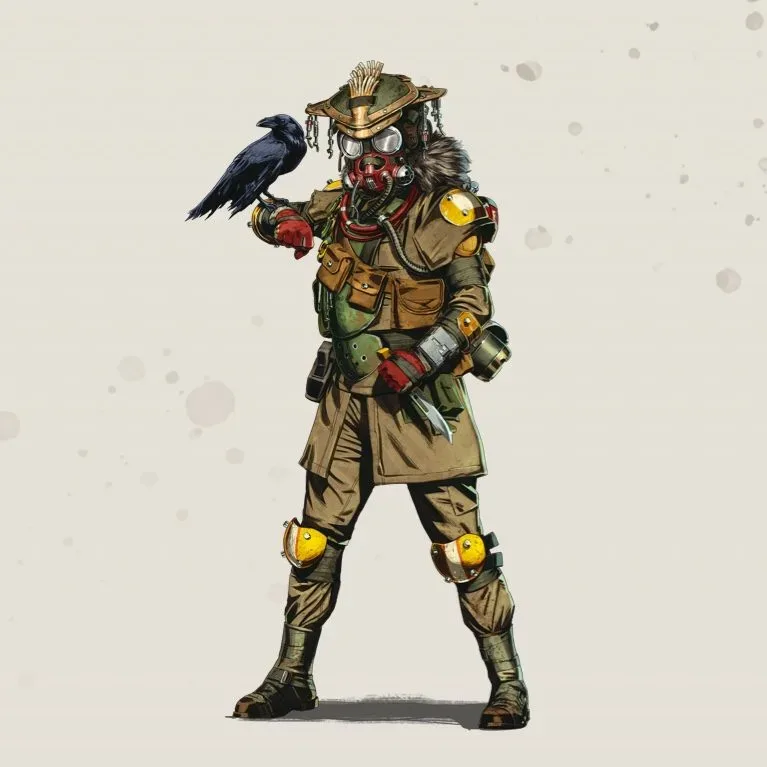
For decades, EA-published games have occupied a notable place in queer gaming culture, even while the company itself has often faced criticism for business practices and studio closures. BioWare's role-playing games gave players opportunities to define protagonists, make moral choices, and pursue relationships that were not always heterosexual. The Sims normalized same-sex relationships as part of everyday play from the original game onward, while later entries added broader gender options and trans-inclusive tools. Apex Legends introduced players to Bloodhound, a nonbinary Legend consistently referred to with they/them pronouns in the game and in official material.
For another perspective on this story, read EA's New Owners Promise No Creative Interference, but Queer Fans Fear for BioWare, The Sims and Apex Legends.
For many fans, those details were far more than a checklist of features. They were invitations to experiment safely, feel seen, and meet others who recognized themselves in the same fictional worlds.
A nonbinary Apex Legends player named Kabu described discovering Bloodhound around the game's launch as a moment of renewed faith in an industry that had become discouraging. Respawn's continued use of Bloodhound's pronouns, including when the character faced online backlash, created a sense that the studio was not treating representation as a disposable marketing flourish. Kabu also credited the game's community of artists, writers, lore fans, and creators with fostering friendships that remain important years later.
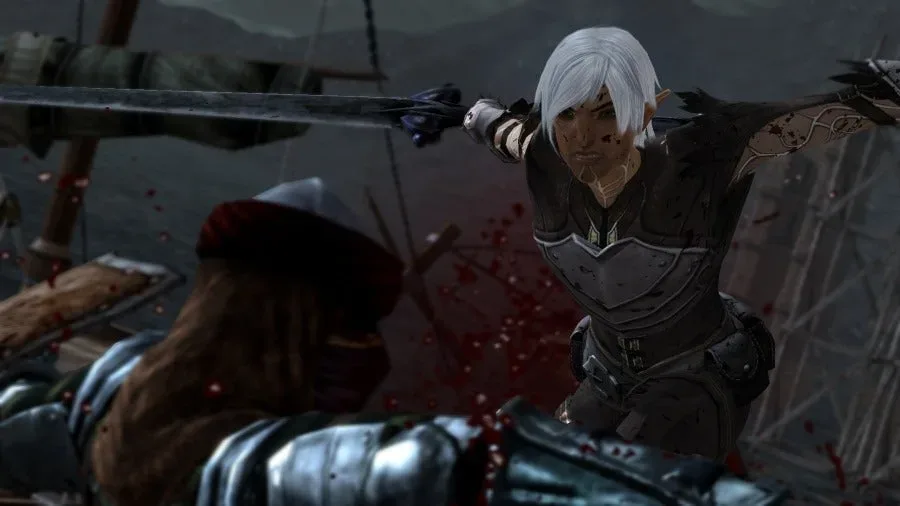
BioWare's games have had a different but similarly personal impact. Their custom protagonists and romance systems let players inhabit possibilities that may have felt unreachable outside a screen. One fan, WordsMaybe, connected their own process of recognizing bisexuality with the ability to explore non-heterosexual relationships in Dragon Age and Mass Effect. Another Dragon Age player, Sou, recalled flirting with Zevran in Dragon Age: Origins after growing up in a conservative small town, unsure whether the game would actually allow a male protagonist to pursue a male character.
That degree of player freedom made an impression because it treated same-sex attraction as a valid part of a fantasy adventure rather than an exception requiring an apology. Players could save a kingdom, shape history, and also make intimate choices that reflected their identities.
The Veilguard and stories of gender identity
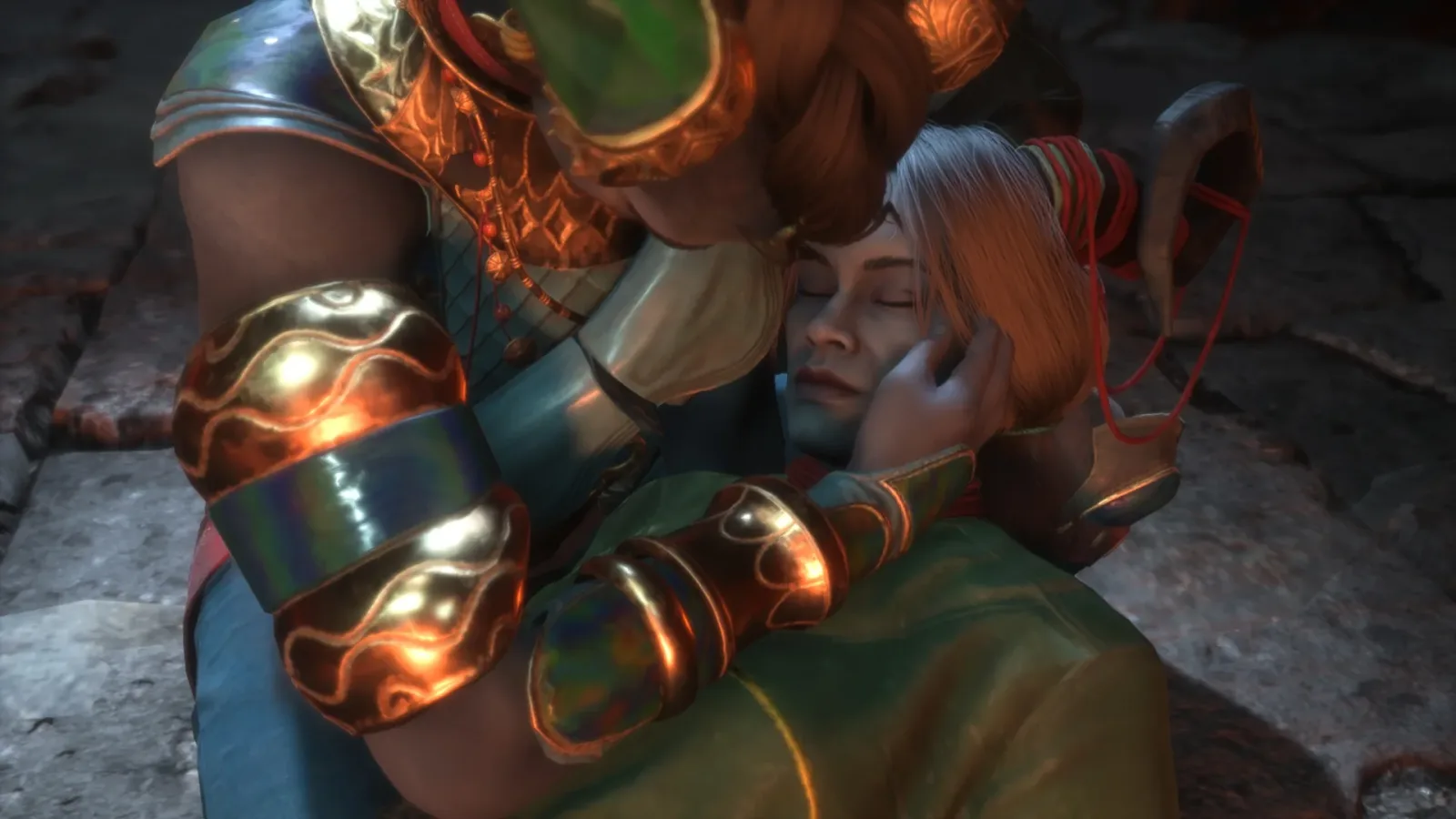
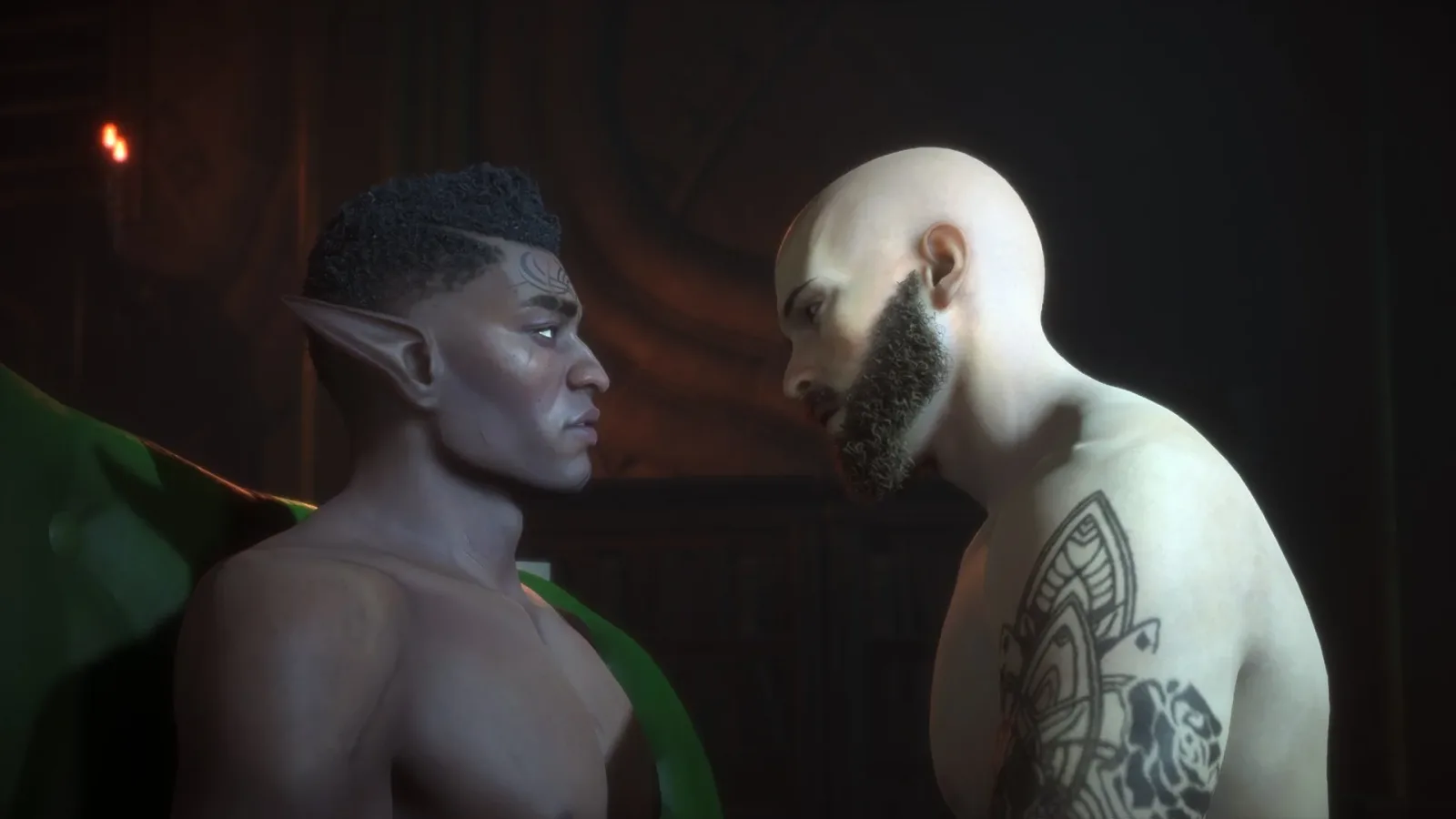
Dragon Age: The Veilguard went further in 2024 with options allowing the player character to identify as transgender and with Taash's storyline about realizing they are nonbinary. The narrative was debated heavily online, but some players found profound resonance in its depictions of dysphoria, family tension, anger, and the need to be understood.
Tart, a nonbinary Dragon Age fan and former Riot Games artist, said Taash's struggle spoke to difficult memories from their own journey with gender identity. The character's relationship with their mother also carried particular emotional weight following the death of Tart's father, whom they had never told. Such responses illustrate why fans see representation as inseparable from the creative identity of BioWare's worlds, rather than something that can be easily removed without changing what those worlds mean.
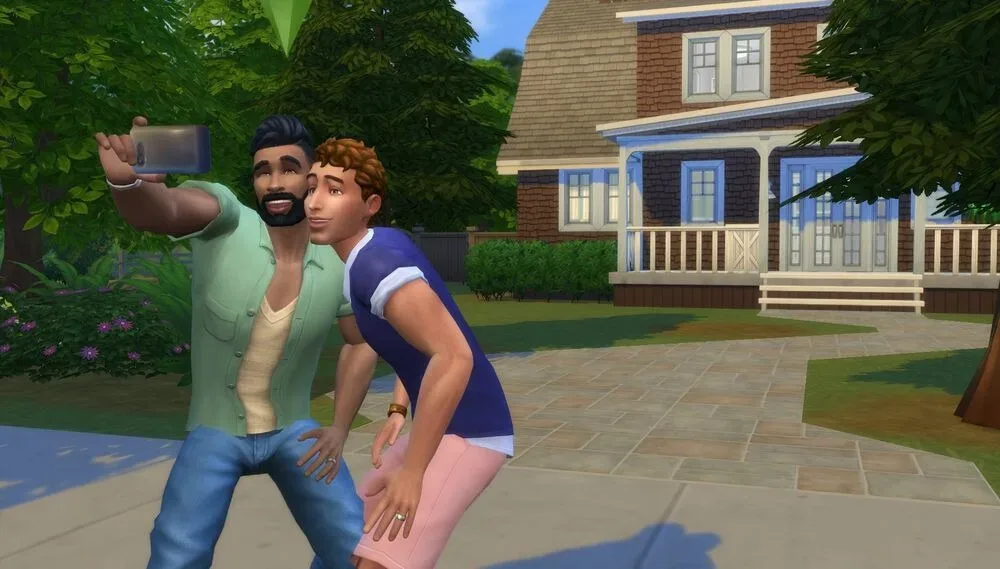
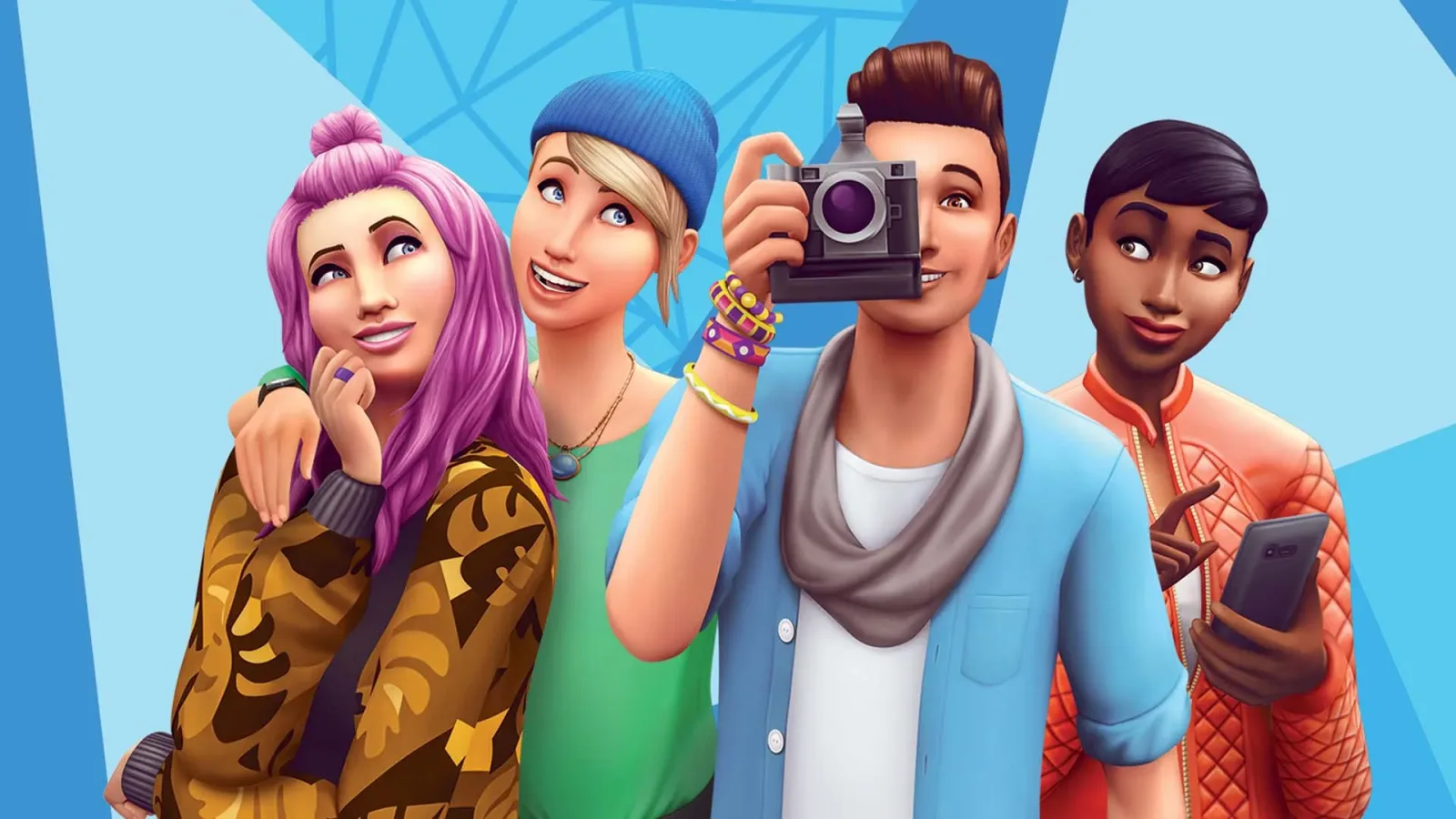
The Sims has provided a more domestic, open-ended version of that same freedom. Queer writer Xosh recalled seeing a same-sex couple form autonomously in the original game, a small occurrence that nevertheless felt validating because the game presented it without fanfare. Later inclusions of trans and nonbinary options, Pride-themed objects, and LGBTQIA+ celebrations reinforced the feeling that queer lives were not merely permitted in The Sims, but welcomed.
Trans Sims player Seska similarly described spending childhood hours designing Sims that reflected how she wished to look. The series' mix of fashion, bodies, relationships, homes, and life paths can make it an unusually useful sandbox for identity exploration. That history explains why the ownership news has landed as a personal loss for many long-time players.
A promise many fans do not trust
Across these communities, the dominant reaction to EA's internal reassurance has been skepticism. Fans point to the basic reality of corporate ownership: even if owners do not dictate individual dialogue scenes or character concepts, they can still shape priorities through budgets, leadership choices, performance expectations, and decisions about which projects receive funding.
Some are also worried that the acquisition will reinforce pressures already felt throughout EA. Players cited the company's focus on live-service products, its past layoffs, and its tendency to prioritize major recurring franchises. Critics fear further cost-cutting could mean smaller single-player projects are deemed too risky, studios lose staff, and creative teams are pushed toward monetization systems, subscriptions, or artificial-intelligence initiatives intended to reduce spending.
There is no confirmed evidence that EA's new owners have ordered changes to LGBTQIA+ content in any game. That distinction matters. But fans argue that Saudi Arabia's human-rights record makes trust difficult, especially when representation has become central to the appeal of series like Dragon Age and The Sims. Several players said that even a sincere pledge from current executives might not hold if leadership changes or financial pressure increases.
The Public Investment Fund's expanding presence in games has heightened those anxieties. It has invested across the industry, including in Scopely and Nintendo. Critics have characterized these investments as part of a broader effort to improve Saudi Arabia's public image despite its human-rights record. For players who feel connected to EA's queer-inclusive games, the possibility that purchases could financially benefit the Saudi state has become a deciding factor regardless of what appears in future releases.
Boycotts, fandom, and an uncertain future
Some fans now say they will not buy another EA game, even if the company continues producing inclusive stories. They may keep playing games they already own, preserving the characters and saves that matter to them, but draw a line at new spending. Others are looking toward unofficial fandom spaces, art, fan fiction, lore communities, and independent developers as ways to remain connected without supporting EA directly.
Not everyone has reached the same conclusion. Some players say the quality of future games and the conduct of the teams making them will determine whether they return. Others believe profit incentives may still protect inclusion: if diverse casts bring in a wider audience, removing them would be commercially self-defeating. That is a practical hope, though it falls short of the stronger assurance many want--that representation will be protected because it has real creative and human value.
Alternatives are already part of the conversation. Life-simulation fans have pointed to Paralives as one potential place to redirect their attention. Others hope that, if EA restructures further, developers from BioWare, Maxis, Respawn, and other studios may eventually create independent projects where they have greater authority over their work. Some fans even see a sale or spin-off of studios as preferable to a future defined by continual cuts, though there is no indication that such a move is planned.
For now, EA's stated position is that the new ownership partners will not control creative decisions. Whether that assurance survives the company's debt obligations, organizational changes, and future project approvals will be tested over time. The next Mass Effect remains a focal point for BioWare fans, while The Sims and Apex Legends will continue to be judged not only by their updates but by the values reflected in them.
For queer players, the stakes are unusually clear. These games have been places to explore romance, gender, friendship, and belonging when those things were absent or unsafe elsewhere. An ownership change cannot erase the memories players made with Bloodhound, Zevran, Taash, or generations of Sims. But it has created a painful question about whether the next generation of players will inherit worlds with the same room to imagine themselves.
Community
Discussion
Start the conversation.
No comments have been posted yet.