

Game preservation is often discussed as a cultural mission, but for players it can be a much more immediate concern: can they still play the games they bought, loved, or missed the first time around? Museums, hobbyist archivists, legal advocates, collectors, modders, publishers, and storefronts all approach that question differently. GOG has spent 18 years building a commercial answer around classic PC games, with an approach centered on DRM-free releases, offline installers, compatibility work, and the digital recovery of the manuals, maps, and other materials that once came in game boxes.
The store is now home to modern releases as well as older titles, but its original identity remains central to its preservation work. Marcin Paczynski, senior business development and partnerships manager at GOG, puts the matter plainly: "There is no game preservation with DRM." It is a forceful position in an industry where digital rights management has become routine, often so familiar that many users barely notice it.
DRM is intended to deter unauthorized copying, but it can also bind a purchased game to an account, a launcher, a verification system, or servers that may not exist forever. The practical effects vary greatly. Some PC storefront DRM is relatively unobtrusive for everyday users, while more aggressive systems remain divisive among players. For preservation-minded audiences, though, the key question is not whether a restriction is annoying today. It is whether access to a game survives when the surrounding service changes or disappears.
Offline installers as a preservation tool
GOG's response is to supply standalone installers for every game it sells. The company has its own launcher, including conveniences such as cloud saves and automatic updates, but customers can also download installers, store backups, and install games without relying on an online server. That distinction is fundamental to the platform's philosophy. A game can be kept locally, reinstalled years later, and used without treating an online connection as a permanent requirement.
For useful background on this topic, read Skyblivion Faces Legal Dispute as Former Volunteer Threatens Lawsuit.
That model has attracted renewed attention amid wider player concerns about digital ownership and the long-term availability of software. The Stop Killing Games movement has highlighted the fragility of games that depend on publishers continuing to operate online infrastructure. Paczynski says GOG saw a noticeable increase in interest in offline installers as the movement gained visibility.
Offline access does not solve every preservation problem. A game may still need operating-system compatibility fixes, legal permissions, missing assets, or hardware workarounds. Yet it establishes a meaningful baseline: the buyer has a functional copy that is not dependent on a future authorization check. For older single-player PC games in particular, that can be the difference between an accessible library and an account history full of software that may become unusable.
Restoring games without rewriting their identity
Making old games run on current PCs is only part of GOG's work. The more delicate issue is deciding what should change. A restoration can add compatibility, quality-of-life features, or support for newer devices, but every improvement risks altering the original design. GOG is not positioning itself as a conventional remaster studio, and its team repeatedly weighs whether a proposed change protects a game's character or replaces it with something fundamentally different.
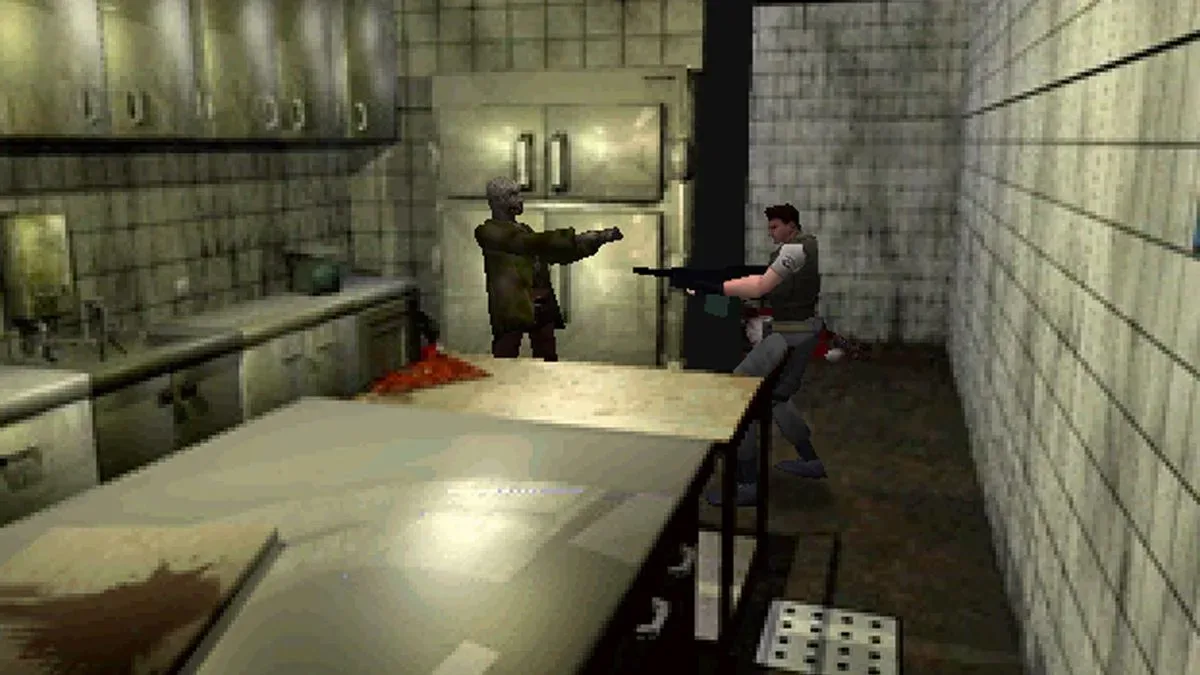
Technical producer Adam Ziólkowski describes that dilemma through the original Resident Evil. During the work around its release, the team considered updating its famous tank controls. Modern control conventions may be more immediately comfortable for new players, but the decision was not as simple as switching inputs. The game's difficulty, pacing, encounters, and broader design were built around that older control scheme. Replacing it would have required extensive changes, effectively remaking the game's underlying experience. The classic controls therefore remained intact.
That does not mean every addition is off limits. Thief Gold offers a contrasting example. A modder created full controller support, including a radial inventory menu. GOG judged that the feature fit the game rather than disrupting its stealth loop or atmosphere, and added it to make the title more approachable for players using modern setups. The distinction is subjective, but important: preservation is not always about freezing software in place. It can involve careful maintenance, provided that maintenance does not erase the choices that made the original work what it was.
Paczynski says these decisions are always discussed internally, with experience helping the team identify where that line should be. It is an ongoing challenge because no two games face exactly the same problems. A control option that is harmless in one genre might undermine balance in another. Likewise, a resolution fix, a controller update, or a modern operating-system patch can be essential for accessibility while still requiring restraint.
The missing history inside old game boxes
Preservation also extends beyond game code. PC gaming in the 1990s and early 2000s was full of physical "feelies": printed manuals, maps, technical reference sheets, lore books, artwork, and other items that helped establish a game's world before the player even installed it. Digital re-releases can preserve those pieces as downloadable extras, but obtaining them is sometimes surprisingly difficult.
Publishers do not necessarily retain complete archives for titles they own. Paczynski says that, for many classic deals over the years, GOG received little more than the name of the game and permission to license it. The storefront then had to locate the remaining material itself. Staff members with large personal collections can contribute, while rare copies may need to be bought through resale marketplaces. GOG has sometimes paid significant amounts for games or accompanying material when digitizing those pieces was important to a release.
Community participation can matter too. Alternate-language manuals and regional materials may be hard to find outside their original markets, so collectors and fans can help fill gaps that formal corporate archives do not. Legal limits still apply, and not every interesting artifact can be included. Rights to particular documents, artwork, brands, or licensed content can complicate even the seemingly straightforward act of uploading an old manual. Still, the goal is to add as much contextual material as practical.
That effort matters because a classic game is more than its executable file. An old manual may explain mechanics that were never fully taught in-game. A map can reveal how designers expected players to navigate. A lore guide can preserve the tone and fictional history surrounding a release. For games made before universal online wikis, those items were often part of the intended experience.
A dream of physical copies
Although GOG distributes games digitally, Paczynski also sees a place for physical media. His ideal vision is a service where a user could select a title from their GOG library, order a physical copy, and receive it for their shelf. It is an idea that has circulated inside the company for years, and one he still hopes could happen eventually.
The obstacles are substantial. Manufacturing, shipping, licensing, regional rights, packaging, and the sheer logistics of producing physical products all make the concept difficult. Still, the aspiration reflects the larger preservation argument: physical copies provide a different form of permanence and ownership, even if they bring their own limitations. As digital-only strategies become more common across the games industry, the continued discussion around discs, boxes, and archival editions is unlikely to fade.
Preservation needs a sustainable business case
GOG's work is not presented as charity. Restoring games, testing compatibility, negotiating rights, preparing extras, and maintaining a catalog all cost money. Paczynski acknowledges that the company has a business to run, but says GOG has developed a way to support preservation initiatives without depending entirely on the direct sales performance of each game.
That support includes the GOG Patrons program, a $5 monthly subscription. Subscribers receive benefits such as behind-the-scenes material and input on games the team should prioritize, but the arrangement also functions as a way for committed users to financially back preservation efforts. More than 10,000 people have joined the program.
It may seem unusual to contribute money to a game retailer beyond individual purchases. Yet the model acknowledges a hard reality: old games can be easy to find through unauthorized channels, while legal re-releases require significant investment. Paczynski recognizes that much of this software is available for free online, but argues that a properly prepared version with reliable installation, added materials, and a better user experience gives players a reason to support official releases.
Sales also make future preservation possible. If a company can establish a viable business case, it can spend the time and money required to bring back more titles. The greatest problem, Paczynski says, is scale. There are simply too many games, too many fragmented ownership histories, and too many works for which the cost of restoration may exceed the expected return.
The rights puzzle behind a re-release
The complicated ownership of Westwood Studios' Dune games shows why a legal revival can take years or never happen at all. Electronic Arts holds Westwood's game code, assets, and related materials following its acquisition of the studio. However, that does not mean EA necessarily controls every right required for a new release. The games were tied not directly to the original books alone, but to the 1984 Dune film. Universal Pictures made that film, while producer Dino De Laurentiis held part of the movie license before his death roughly 15 years ago.
That chain of rights illustrates the problem. Code ownership, franchise rights, film rights, contract history, and inherited interests can all be separate. A publisher may possess the game but not the permissions needed to sell it again. Even a smaller title can be difficult: Ziólkowski would like to see the Amiga puzzle-platformer Fury of the Furries arrive on GOG, but its rights were acquired by Namco, which later reworked it into the Pac-Man-themed Pac-In-Time.
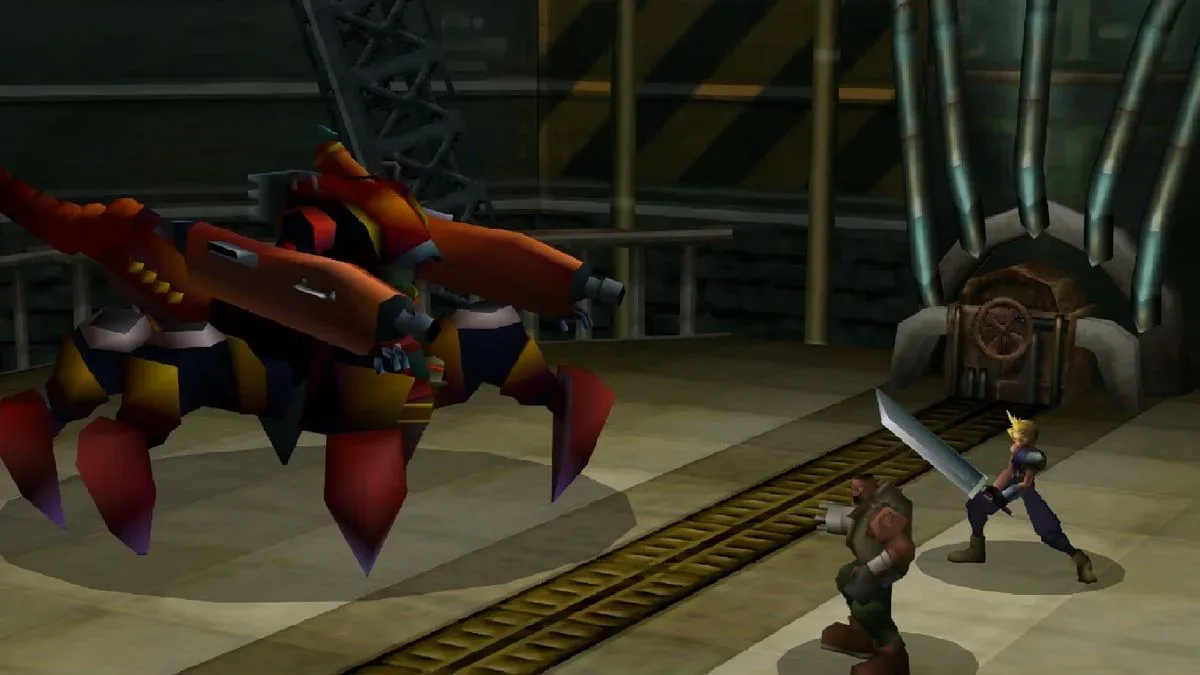
Those cases make every successful classic re-release feel less inevitable. Whether the title is a landmark such as the original Final Fantasy VII, which Ziólkowski considers his personal dream addition already achieved, or an obscure favorite with tangled ownership, preservation depends on sustained technical, legal, commercial, and community work. GOG's DRM-free stance is only one part of that effort. But it is the principle connecting the rest: preserving a game ultimately means ensuring that people can still play it.
Community
Discussion
Start the conversation.
No comments have been posted yet.