

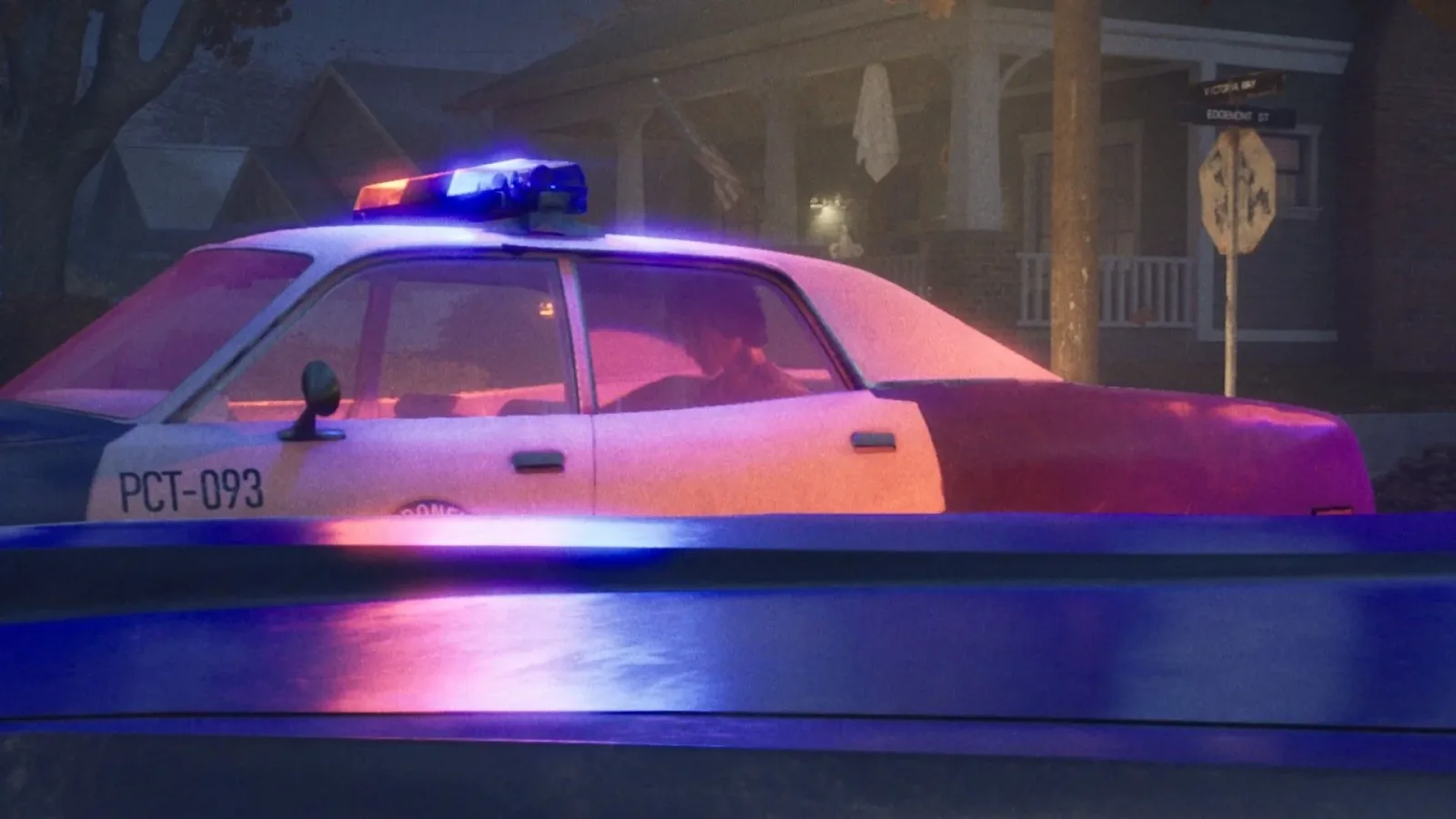
Escaping Michael may feel like the natural priority in Halloween the Game, but civilians have a more ambitious way to win an encounter: detaining the killer. It is a demanding objective that asks a group to stay organized under pressure, put themselves near the most dangerous character in the match, and meet several conditions in the correct order.
The central idea is straightforward. Michael cannot simply be arrested by any civilian who finds him. A match needs a playable law-enforcement character--either Loomis or a player-controlled police officer--before the team can make an arrest attempt. Then, Michael's arrest meter must be raised to its active state, he must be knocked down, and the eligible character needs to begin a challenging interaction at close range. Other survivors can assist once that process has started, but they cannot initiate it themselves.
That makes detention less like a panic-button escape and more like a team objective. Random lobbies can accomplish it, though coordinated players will have a much easier time. Proximity chat can help people share Michael's position, warn teammates about the state of the power, and direct the group toward a safe fighting location. It also comes with an obvious drawback: Michael can hear the conversation too. Keep calls brief, practical, and avoid broadcasting a detailed plan before everyone is ready.
Step one: Get Loomis or a player police officer into the match
The first requirement is non-negotiable. If there is no playable Loomis and no player police officer, Michael cannot be detained. NPC officers may still contribute to the wider situation, but they do not replace the player character needed to begin the arrest. The same is true if the relevant player has already been eliminated: without an eligible character alive and available, the arrest route is closed.
For useful background on this topic, read Valve Prioritized Steam Frame Compatibility Over a New VR Launch Game.
There are two main ways for a player to fill that role, and each depends on what has happened earlier in the match.
Calling in Loomis through the CB radio
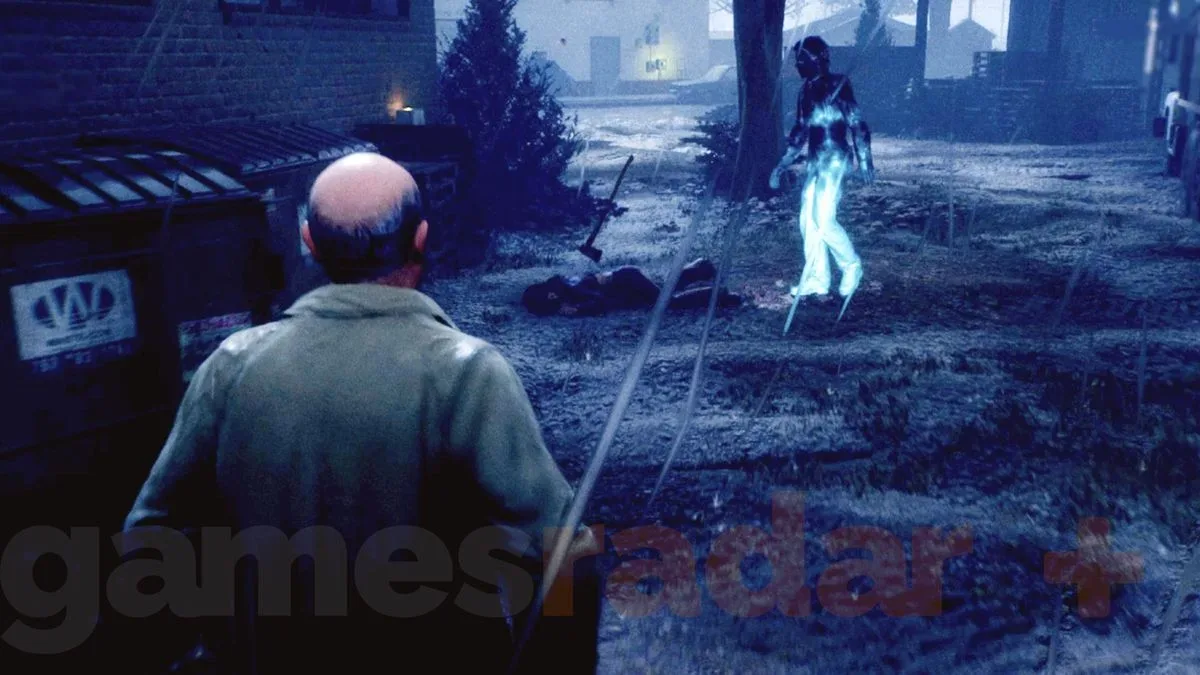
For Loomis to return, a player first needs to die as their original civilian character. Escaping does not currently allow that player to come back as Loomis, so this particular route is tied to death rather than a successful exit. After a character dies, wait 30 seconds. The option to call in reinforcements becomes available through the CB radio, which is marked on the map.
Check the radio icon before running in. Its color tells the group what is happening:
- White: The radio is usable and reinforcements can be called.
- Green: Another player is already making the call, so there is no need to duplicate the effort.
- Red: Michael has cut the power, preventing the call until electricity is restored.
If the icon is red, do not waste time hovering around the radio. Search around the building's outer walls for the relevant power control. There will be either a lever or a power box that has been switched off. A lever can be restored directly, while a damaged power box requires a repair kit before the team can use the CB radio again.
Once reinforcements are successfully called, Loomis arrives immediately. Any players who are dead at that moment can be selected to return. This makes the timing important. If several teammates are out, the survivors still in play should communicate before activating the radio so the returning player best suited to handle Loomis is ready to take the role.
Returning as a police officer
The police officer path works differently. Players who die or escape may have the opportunity to re-enter as an officer, but only when the level of police presence is sufficiently high. That means civilian actions before leaving the match can influence whether this option is available later.
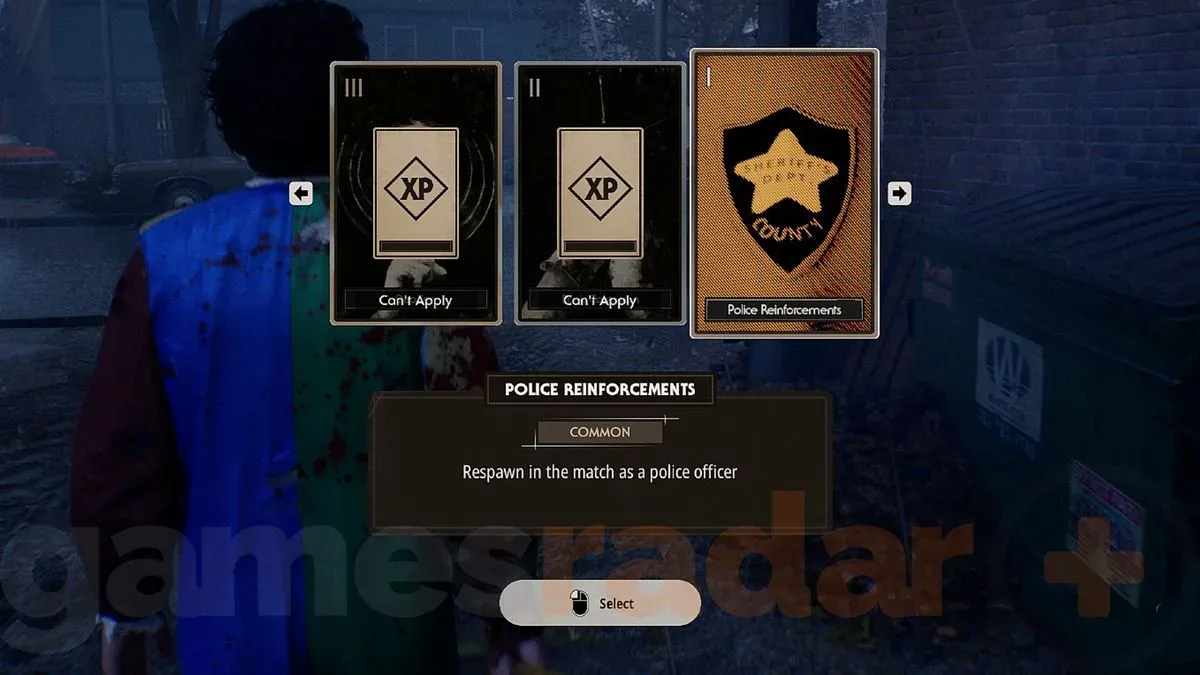
Call the police whenever opportunities arise, and encourage NPC residents to do the same. Raising the police presence is useful insurance: even if an original civilian escapes, they may later be able to return in a role capable of helping detain Michael. After escaping, complete the available mini-games for a chance to draw perk cards. One possible result is Police Reinforcements, which immediately sends the player back into the match as an officer.
It is not a guaranteed card, so teams should not build their entire strategy around getting it on the first attempt. Continue through the process when possible and monitor the top of the screen to make sure police reinforcements remain available. A strong police presence improves the odds of having the necessary character in play, but it does not eliminate the randomness of the card draw.
Step two: Build Michael's arrest meter before committing
Once Loomis or a player police officer is active, the team can move to the actual capture attempt. Gather survivors, locate Michael, and try to fight near an open exit. An unlocked exit gives the group an emergency fallback if the plan falls apart, someone is injured, or Michael starts picking off players before the arrest condition is ready.
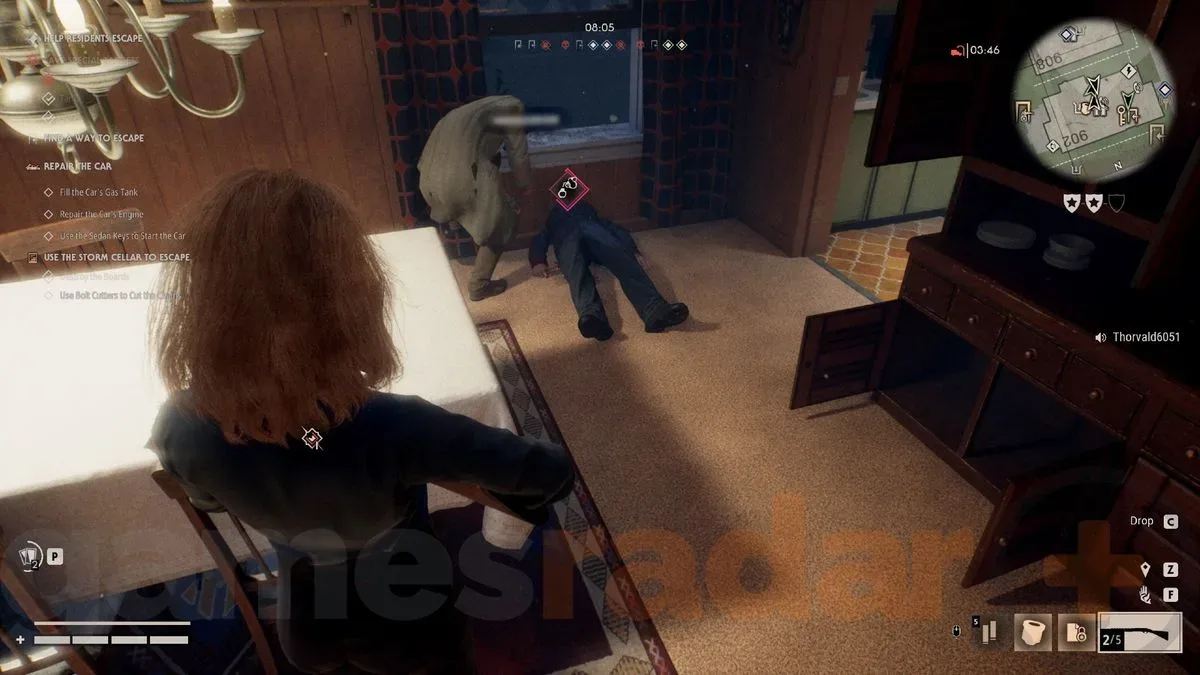
Michael's arrest meter rises when he is close to Loomis or player-controlled police officers. It appears as a handcuff icon. The visual cue to watch for is a pink-and-purple glow: when the icon reaches that state, Michael is ready to be detained after being downed.
Do not rush in just because Michael is nearby. The proximity requirement is only one part of the setup. The meter must be fully charged, and the group still needs to put him on the ground. Calling everyone into melee range too early can turn an organized arrest attempt into easy targets for the killer.
Ranged weapons are especially valuable in this phase. They let civilians contribute damage while staying farther away from Michael, reducing the chance that the players building the arrest opportunity are immediately killed. The eligible officer or Loomis needs to remain close enough to maintain the meter's progress, but the rest of the team does not need to crowd the killer unnecessarily.
Spacing also matters because the team's job is not merely to stun Michael once. Players need enough time after the knockdown to close the distance, begin the detention interaction, and support it through difficult skill checks. Every additional second Michael stays down makes that sequence more realistic.
Step three: Down Michael and extend the opening
When the handcuff meter is full and glowing, focus attacks on Michael until he is downed. This is the moment to spend useful tools rather than holding them for a later escape that may never be needed.
The Fragile Hourglass is particularly effective if the team finds one. Using it at the right time keeps Michael down longer, giving law enforcement and Loomis more breathing room to begin the detention sequence. It is best saved for a fully prepared arrest attempt; using it while the handcuff icon is not ready may create a temporary opening without producing a capture.
The Knockout perk also lengthens the time Michael remains down. Players can bring it in their loadout, while Laurie has the perk built into her base kit. Laurie can be a strong contributor to the takedown for that reason, though she cannot also be the Loomis or police-officer player. Teams using her should make sure a separate player is available to fulfill the actual arrest role.
This division of responsibilities is worth planning around. One character creates or maintains the legal authority to detain Michael. Other civilians provide damage, control tools, and assistance during the final interaction. Trying to make one player cover every job is less dependable than assigning roles based on who has returned as Loomis, who has become an officer, and what items or perks the group currently holds.
Step four: Start the detention mini-game
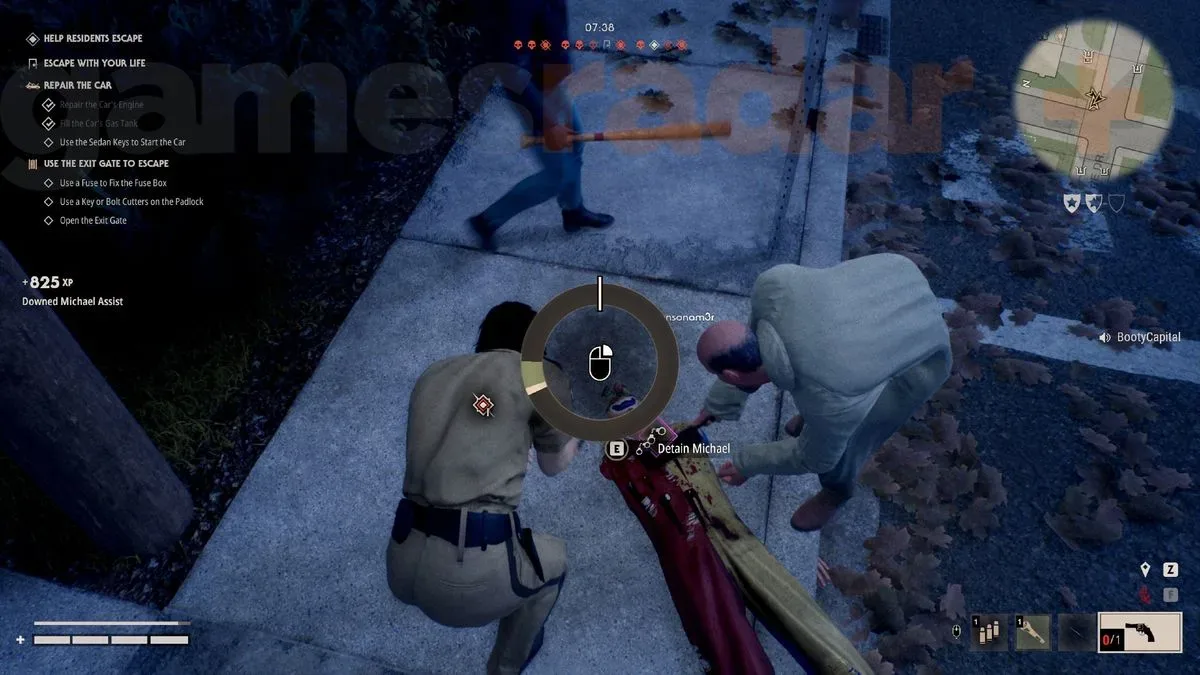
With Michael down and the arrest meter fully active, Loomis or a player police officer must move in and initiate the detention interaction. This begins a series of demanding skill checks. The eligible character is the only one who can start it, which is why the entire plan collapses if the officer or Loomis is dead, far away, or mistakenly evacuated before the group is ready.
Other players can join after Loomis or the officer has engaged Michael. Their help speeds up the process, so survivors should be close enough to react quickly but not so eager that they surround Michael before the correct conditions are met. Coordination is most valuable here: one player starts the interaction, teammates pile in to assist, and everyone completes the checks as cleanly as possible.
There is still danger at point-blank range. Michael can kill nearby players, so confirm that the arrest meter is genuinely full before collapsing onto his position. If the handcuff icon is not glowing pink and purple, back off, keep Loomis or the officer in proximity, and continue building the meter rather than gambling the team on an incomplete setup.
Common mistakes that ruin a detention attempt
- Escaping before building police presence: Players may lose a potential return route as a police officer if the police level has not been raised through calls.
- Expecting any civilian to make the arrest: Assistance is possible, but only Loomis or a player officer can initiate detention.
- Ignoring a red CB radio icon: The power must be restored first, and a damaged box needs a repair kit.
- Fighting Michael before the meter is full: Knocking him down early can waste items, perks, and valuable time.
- Using close-range attacks by default: Ranged options are safer while the team works to build the arrest condition.
- Forgetting the exit plan: A nearby open exit gives the group a way to recover if Michael breaks the formation.
Detaining Michael is intentionally risky, but it is achievable when players treat it as a sequence rather than a brawl. Secure Loomis or a police officer, keep that character alive, raise the handcuff meter through proximity, down Michael once the meter is ready, and let the eligible player begin the skill-check sequence before the team joins in. With police support, careful use of knockdown tools, and a clear retreat route, civilians can turn a desperate survival scenario into a coordinated arrest.
Community
Discussion
Start the conversation.
No comments have been posted yet.