


Melvor Idle 2: A RuneScape Adventure will enter Early Access on PC through Steam on November 17, 2026. Jagex is publishing the new idle-RPG from developer Games By Malcs, marking a closer formal connection between the Melvor series and the RuneScape universe that inspired its original design.
The sequel follows the considerable success of the first Melvor Idle, which has sold more than one million units. While its predecessor translated the satisfaction of RuneScape-style skilling into a single-player incremental format, Melvor Idle 2 aims to significantly broaden that foundation. The game is being positioned as a deeper idle adventure with a larger skill roster, a higher level cap, refreshed systems, quests, dungeons, bosses, and new ways to build a character for combat.
For players who enjoy the steady rhythm of gathering materials, improving equipment, and watching a network of interlocking skills grow over time, the follow-up is designed to offer more layers without moving away from the core appeal of the original. Progress will continue while players are away from the game, preserving the offline advancement that is central to Melvor's approach.
A closer RuneScape connection for Melvor Idle 2
The publishing agreement brings Games By Malcs together with Jagex, the company behind RuneScape. The sequel's full title, Melvor Idle 2: A RuneScape Adventure, makes that relationship more visible than before. Melvor Idle began life as an independently developed project openly influenced by RuneScape's famously broad skill-based progression, where activities such as gathering, crafting, cooking, combat, and magic feed into one another.
For useful background on this topic, read Descent of Lunaris demo Expands With Prologue, First Dungeon and Shifting Reality Systems.
That structure remains central to the sequel. Players will work through connected disciplines including woodcutting, smithing, cooking, farming, combat, and magic. Rather than treating these as isolated minigames, the game's RPG loop is built around their dependencies: resources acquired through one activity can support crafting in another, which in turn can improve a player's ability to face increasingly difficult enemies and challenges.
The new partnership does not mean Melvor Idle 2 is being described as a multiplayer RuneScape replacement. It remains a single-player adventure. Its purpose is instead to take the familiar pleasures of RuneScape-style progression--long-term goals, numerous skills, equipment upgrades, and a feeling of always having another useful task to pursue--and shape them for an idle and incremental experience.
"Melvor Idle started as a small passion project inspired by RuneScape, so partnering with Jagex to make Melvor Idle 2 a true 'RuneScape Adventure' is a dream come true," said Games By Malcs founder Brendan Malcom.
For another perspective on this story, read Melvor Idle 2 Enters Steam Early Access on November 17, 2026.
Malcom said Jagex's support will help the team push further with the sequel's added skills, redesigned Mastery system, quest system, and visual overhaul. He also confirmed that the game's Early Access launch is set for November 17.
Five new skills and 29 total disciplines
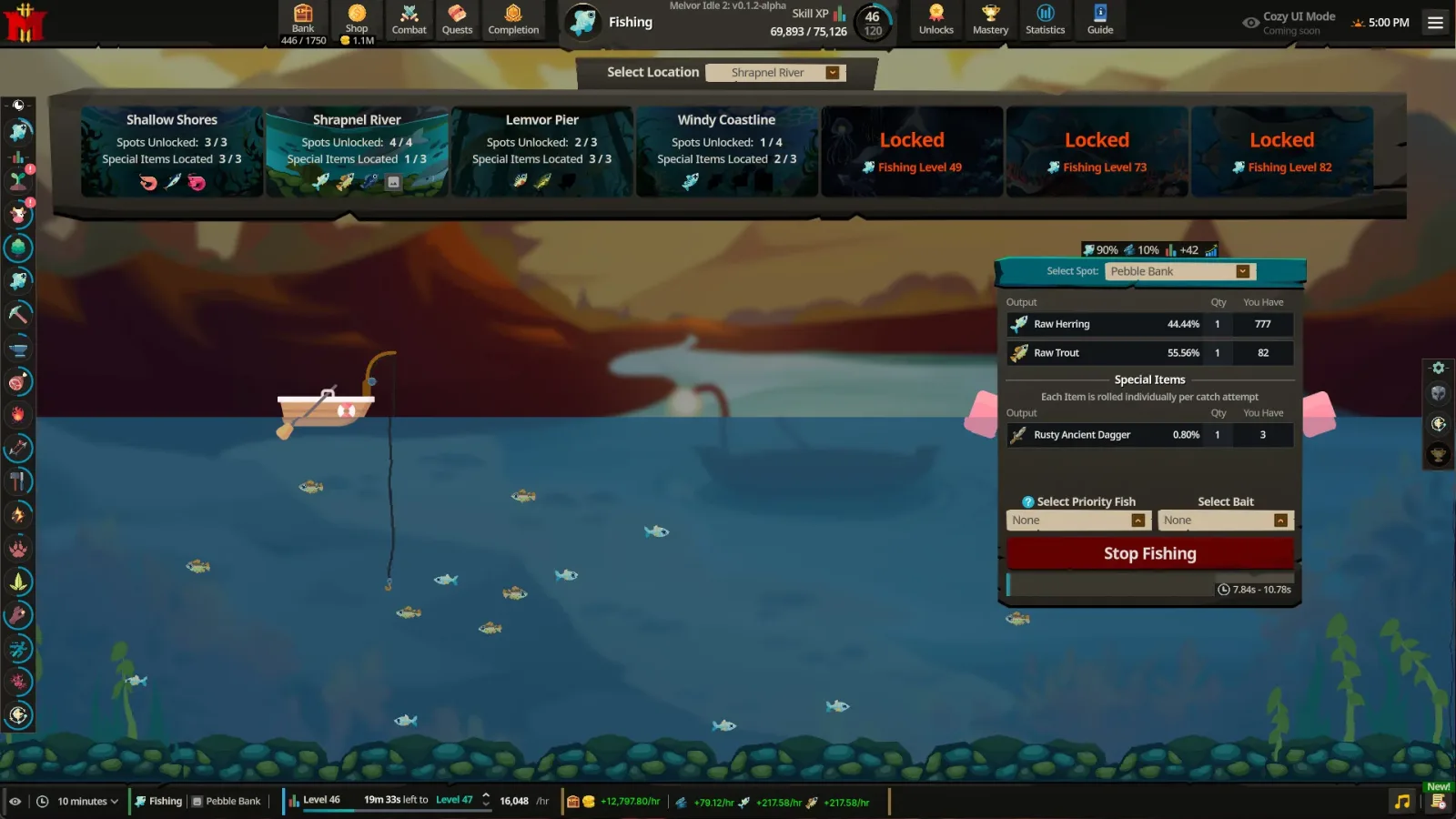
One of the clearest signs of the sequel's greater scope is its skill count. Melvor Idle 2 will add five new skills, bringing the total to 29. The full list of the new skills has not been detailed, but the increase should expand the game's web of resource production, advancement choices, and long-term objectives.
Incremental games often live or die by the quality of their progression chains. A new skill is not simply another meter to fill if it has meaningful links to the rest of the game: perhaps it creates ingredients needed by a crafting discipline, supplies an item useful in combat, or opens a more efficient route toward a specific objective. Melvor Idle 2's emphasis on interconnected systems suggests that the expanded skill selection will be intended to create more of those choices.
The sequel is also raising its level cap, though the precise maximum level has not been announced. That should give returning players a larger runway after they have advanced beyond the milestones they knew from the first game. Just as importantly, it gives the development team room to introduce new endgame targets and make the journey through the game's many activities feel less compressed.
Mastery is being rebuilt from the ground up
Alongside the additional skills, Games By Malcs is introducing a completely reimagined Mastery system covering every skill. Mastery progression has been an important part of Melvor's longer-term structure, giving players reasons to continue engaging with individual activities after basic access is unlocked. Reworking it across the entire game indicates that the team is not treating the sequel as a simple content expansion.
Specific details on how the revised system will function have not yet been provided. Still, a redesign at that scale could be especially important for players who spent extensive time optimizing their actions in the original. In an idle RPG, systems that reward specialization, efficiency, and sustained planning need to remain understandable while still offering decisions worth making. The new Mastery framework will be one of the major areas to watch as Early Access begins.
Melvor Idle 2 is also receiving updated graphics, audio, and animations. The original game's streamlined presentation helped keep the focus on menus, numbers, equipment, and long-term goals. The sequel's refreshed look may make its growing range of activities easier to read while giving battles, skills, and rewards a stronger sense of moment-to-moment feedback.
Quests, combat builds, dungeons and bosses
A new Quest system is another major addition planned for Melvor Idle 2. Quests can provide structure in a game with a vast number of possible activities, guiding players toward specific skill interactions or offering clear near-term goals amid the broader pursuit of account-wide progression. Details such as the nature of quest rewards and how missions will be organized have not been announced, but their inclusion should help give the sequel a more directed adventure layer.
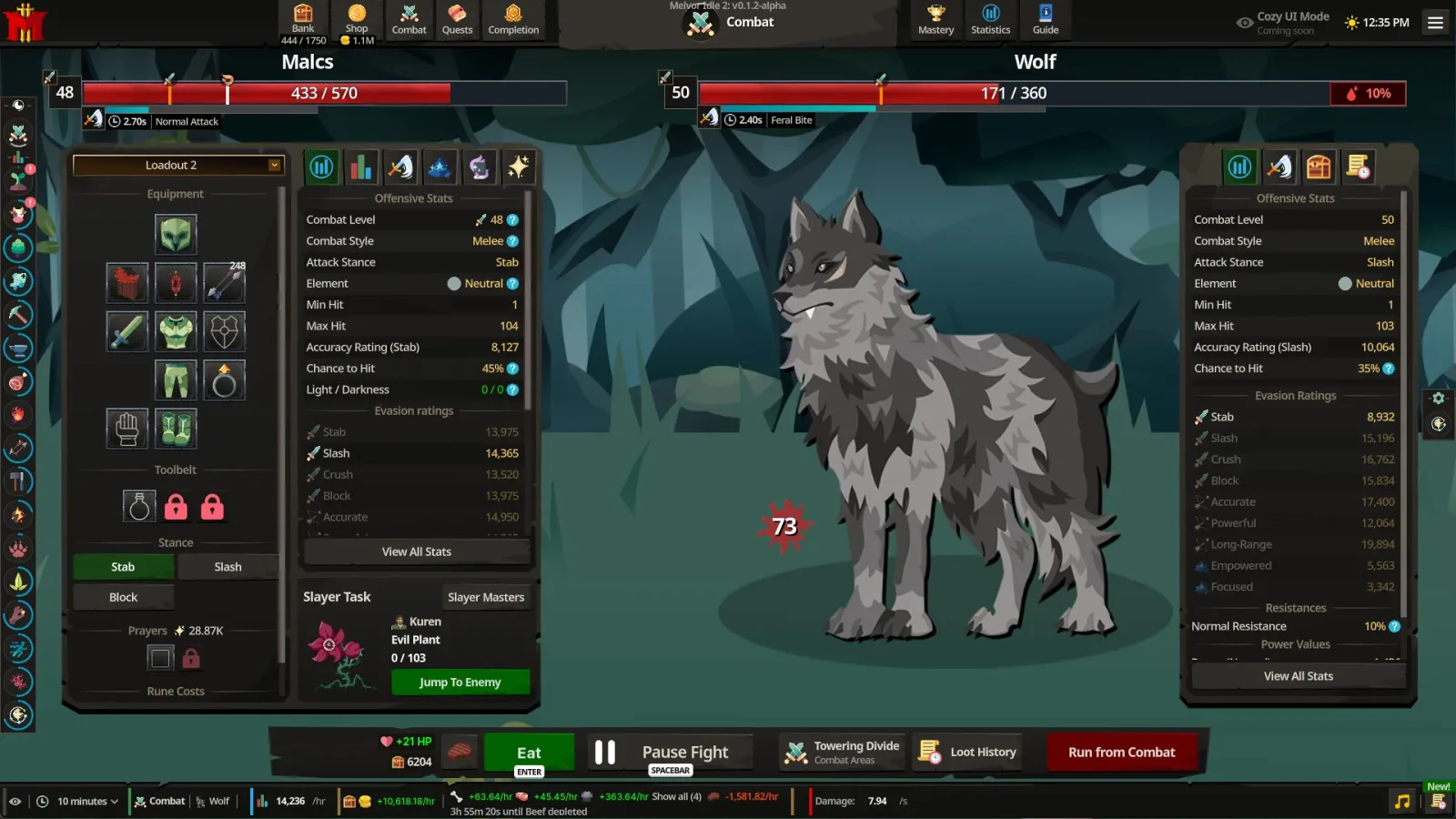
Combat is being updated as well. Players will be able to develop melee, ranged, and magic builds, then test them against monsters, dungeons, and bosses. This aspect is key to the game's RPG identity: gathering and production systems create a foundation, but combat creates pressure to improve gear, consumables, and supporting skills.
The ability to shape a character around different combat styles should leave room for experimentation. A player may prefer the straightforward resilience of melee, invest in ranged options, or pursue magical tools and abilities. Exactly how far build variety will extend is not yet clear, but the stated focus on updated combat mechanics makes it likely to be a significant part of Early Access feedback.
Multiple game modes are also planned to challenge players with different levels of experience. That could make the sequel more accommodating for newcomers while leaving space for veterans seeking stricter conditions or a more demanding route through its systems. The developer has not outlined each mode, so players will need to wait for further information to see how their rules differ.
Offline progress remains at the heart of the experience
Despite the broader feature set, Melvor Idle 2 is retaining the defining convenience of the series: offline progression. Advancement can continue even when the game is not actively open, allowing players to return later to collected resources, completed tasks, and the next set of decisions in their progression plan.
That feature helps distinguish the game from a conventional RPG grind. The appeal is not purely about spending every moment clicking through actions. Instead, it is about setting priorities, choosing what to train or produce, planning around requirements, and returning to see the results. For players with limited time, that makes a sprawling skill-and-combat game more approachable; for dedicated optimizers, it creates an ongoing puzzle about how to make each stretch of progression count.
Jagex senior director of business development and partnerships Anna Mostyn-Williams said Games By Malcs had built a passionate audience by capturing the satisfying nature of RuneScape skilling. She added that the publisher is enthusiastic about building on the first game's success and bringing the sequel closer to the RuneScape universe.
What Early Access means for the sequel
Melvor Idle 2: A RuneScape Adventure will arrive as an Early Access release rather than a finished 1.0 launch. The announcement does not set out a full development roadmap, a date for leaving Early Access, or the final extent of the game's content. As a result, prospective players should view November 17 as the beginning of the sequel's public development phase on Steam, not necessarily the point at which every planned feature and balance adjustment will be complete.
Early Access is particularly suited to an interconnected incremental RPG because player feedback can reveal where progression slows down, which combat options feel most effective, and whether new systems create satisfying decisions rather than unnecessary friction. With 29 skills, a rebuilt Mastery system, quests, multiple modes, and updated combat all in play, balancing will be a major task.
For now, the confirmed plan is straightforward: Melvor Idle 2: A RuneScape Adventure launches in Steam Early Access for PC on November 17, 2026. The sequel promises a substantially expanded version of the formula that made its predecessor a million-selling hit, while its new publishing partnership gives its RuneScape inspirations an official place at the center of its identity.

Community
Discussion
Start the conversation.
No comments have been posted yet.