


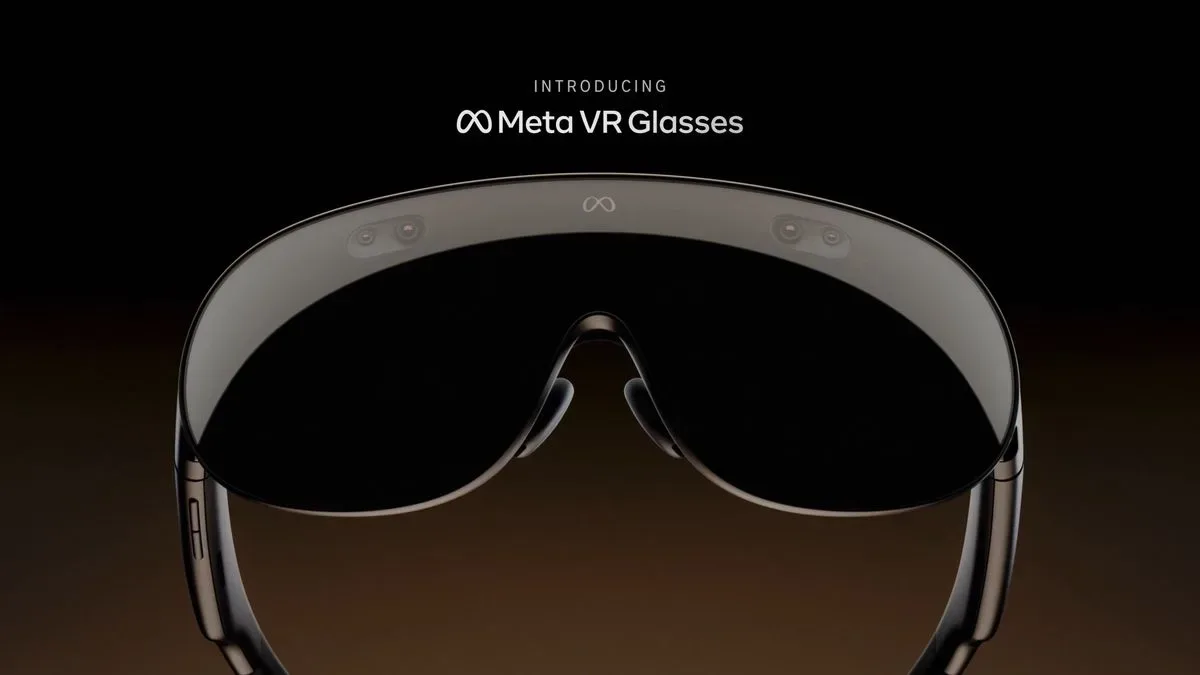
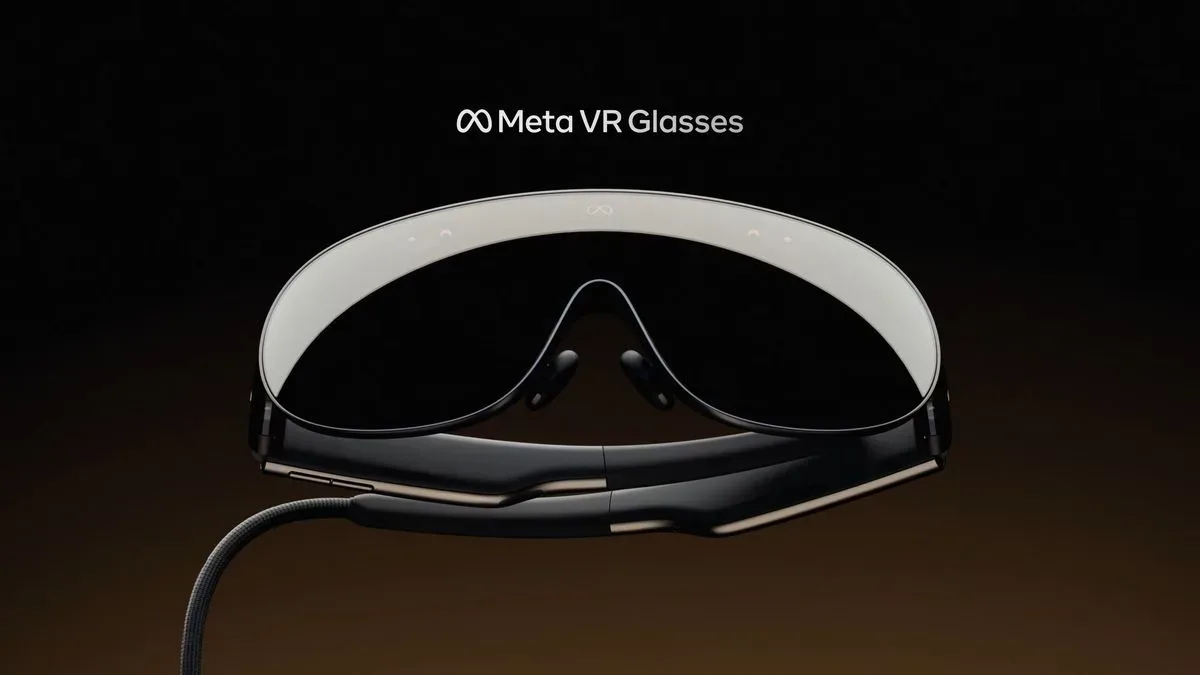
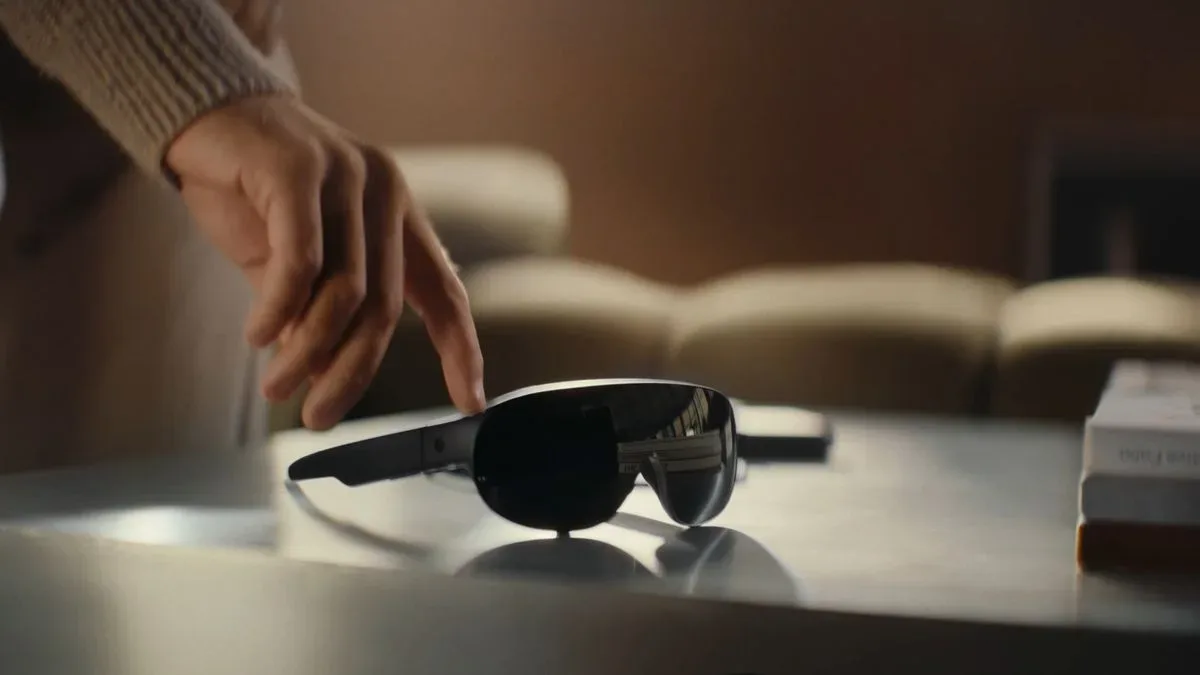
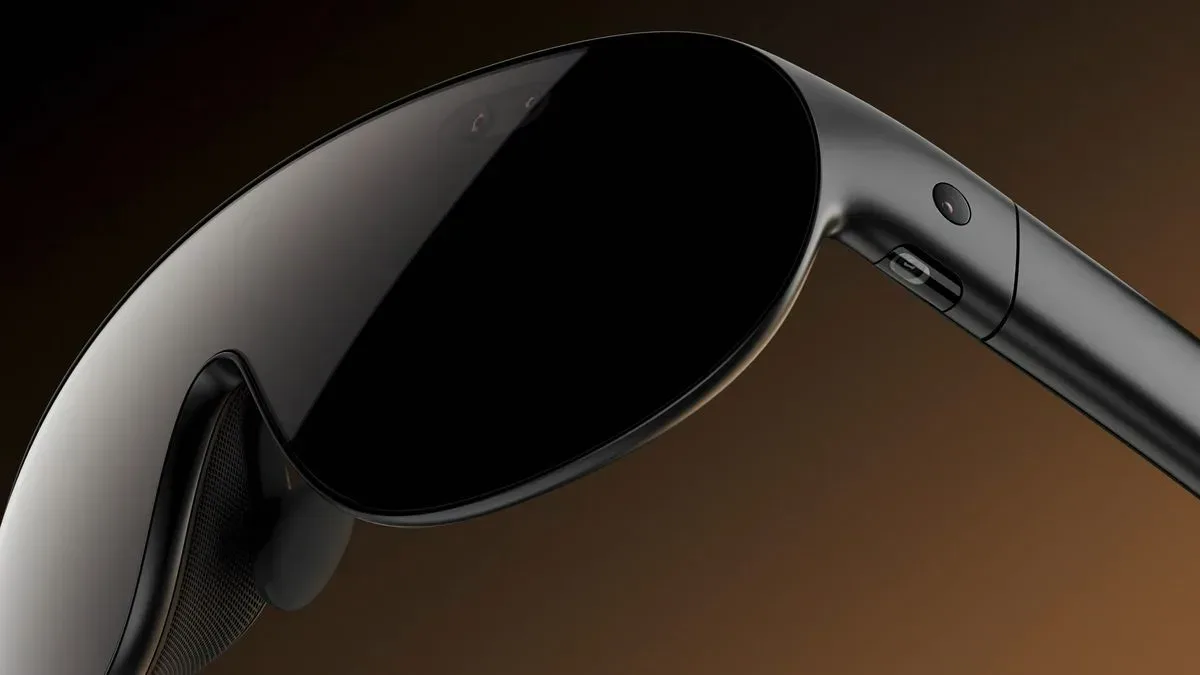
Meta has used its 2026 Connect presentation to reveal a new direction for its immersive hardware: the Meta VR Glasses, a lightweight mixed-reality device scheduled for spring 2027 with a starting price of $1,299 in the United States. Crucially, that price does not include controllers, which will be sold separately. No UK pricing was announced.
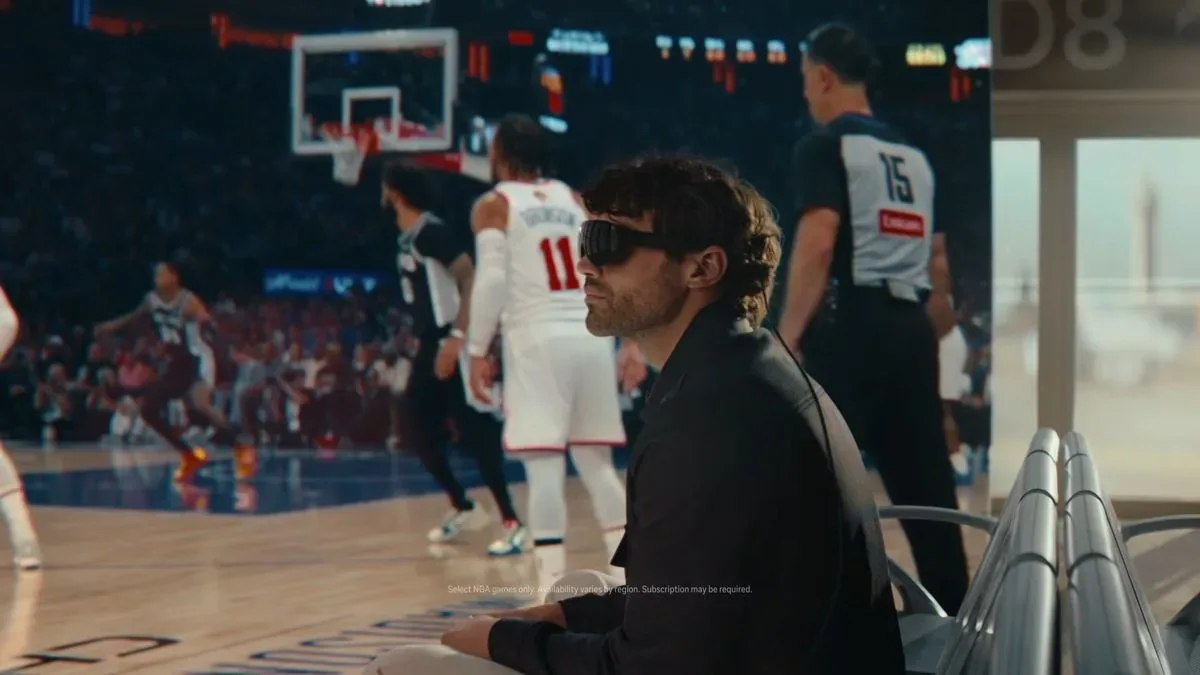
The announcement will inevitably invite comparisons with the absent Meta Quest 4, but the new product is not positioned as a straightforward continuation of the Quest 3 and Quest 3S formula. Rather than another relatively affordable, all-in-one gaming headset, Meta is pursuing a glasses-style form factor centered on portability, displays, mixed reality, hand tracking and broader spatial-computing use. It can run software already available through the Quest store, including games, yet the hardware choices make clear that gaming is only one part of its intended role.
For players invested in Meta's VR ecosystem, that distinction matters. The VR Glasses may expand ways to access Quest experiences, but they do not immediately answer the question of when, or whether, a conventional Quest successor will arrive.
A premium device built around portability
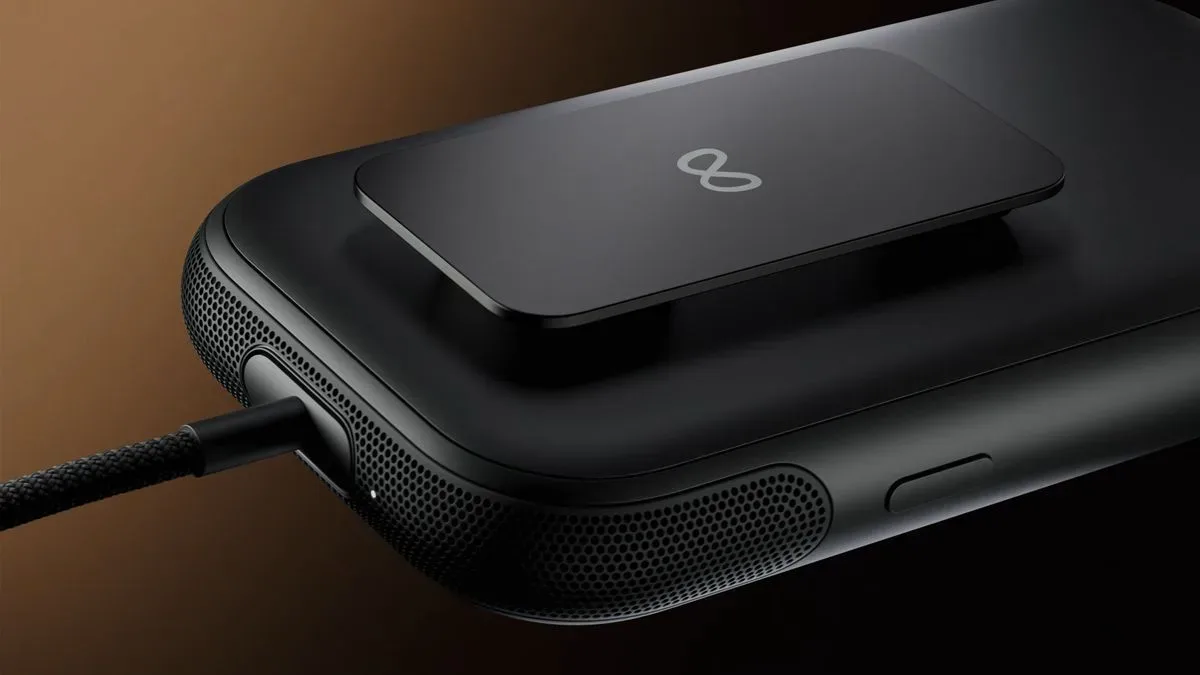
The headline specification is weight. Meta says the VR Glasses weigh 100g, a substantial reduction from the 515g weight cited for the Quest 3. That change is enabled in part by moving a core component outside the eyewear itself. The Snapdragon Reality Elite processor is housed in a separate battery puck designed to sit in a pocket, rather than being built into the glasses frame.
For useful background on this topic, read Asus TUF Gaming Hatsune Miku Keyboard and Mouse Discounts Bring PC Setup Flair to Lower Prices.
Meta estimates that puck can provide up to three hours of use. Separating the battery and processor could make the device more comfortable for shorter and longer sessions alike, because users are not carrying the full hardware load on their face. It also introduces a practical trade-off: this is not quite the self-contained simplicity associated with a traditional standalone headset. Owners will need to account for a pocketable companion device and its battery life whenever they use the glasses.
Display hardware is another reason for the considerably higher price. The glasses use two Micro-OLED panels and are described as delivering 5K Infinite Dolby Vision resolution per eye. On paper, that places a major emphasis on image quality in a notably slim, light package. The configuration makes sense for movies, virtual screens, productivity-style applications and mixed-reality interfaces, where crisp text and high-detail video can be as important as fast game input.
There is a major field-of-view compromise, however. Meta lists a 70-degree horizontal field of view, well below the approximately 110-degree view commonly associated with many established VR headsets. A narrower view does not necessarily make the device unsuitable for games, but it can reduce the sense of peripheral presence that players expect from fully immersive virtual reality. It also reinforces the impression that the glasses are prioritizing a compact wearable design over recreating every strength of a larger headset.
Quest games will work, but gaming is not the central pitch
Existing Quest-store games and mixed-reality apps will be supported on the Meta VR Glasses. Meta has also said that more than 75 VR games will be available at launch in versions updated for hand tracking. That is meaningful compatibility for people who have already purchased software in the Quest ecosystem, and hand tracking could suit casual interactions or selected game designs particularly well.
Still, the device arrives without controllers in the box, and its reveal has concentrated more heavily on entertainment, virtual displays and spatial computing than on game-focused demonstrations. Controllers will be available separately, but the extra purchase is important context for anyone trying to calculate the actual cost of a complete VR gaming setup.
Hand tracking has improved dramatically in recent years, but it does not offer the same universal solution as dedicated controllers. Motion controllers provide buttons, sticks, triggers and reliable physical inputs needed for many action games, fitness titles, shooters and more demanding VR genres. Some experiences can be redesigned around tracked hands, while others are fundamentally more comfortable and precise with conventional inputs. A launch catalog of updated hand-tracked games therefore suggests support, not necessarily identical play across the entire Quest library.
The glasses can also connect to USB devices and function as a display. That potentially gives PC users and console players a large virtual screen without requiring a physical television or monitor directly in front of them. For gaming, that may be attractive to players looking for a private screen while traveling or sharing a living space. Yet using a virtual display for conventional games is different from delivering native, room-scale VR. The former is about screen flexibility; the latter demands wide peripheral vision, tracking comfort and purpose-built controls.
In other words, the Meta VR Glasses could be a versatile companion for games, films and connected devices, but their design does not appear to be targeted at the same audience seeking a direct Quest 3 replacement for active, controller-led VR play.
Why the missing Quest 4 is notable
The Quest brand has historically been built around lowering the barrier to standalone VR. Its devices have made it possible to enter VR without a gaming PC, external tracking stations or the prices traditionally attached to high-end hardware. At $1,299 before controllers, the VR Glasses occupy a dramatically different market position.
That does not mean the Quest approach has been abandoned. Meta's chief technology officer has indicated that the company is not finished with VR. But the new announcement illustrates where its immediate hardware priorities lie: a more wearable device that brings mixed reality and AI-adjacent features closer to everyday use.
Business conditions offer additional context. Reality Labs has faced a difficult year, including multiple rounds of layoffs. Several major studios that had made games supporting Meta's VR hardware have also been closed. At the same time, Meta's smart glasses have emerged as a more commercially successful category than its affordable Quest headsets. Against that backdrop, the emphasis on a premium glasses form factor is easier to understand, even if it leaves gaming-focused VR buyers waiting for clarity on a true next-generation Quest.
Whether a future Quest 4 materializes may depend in part on how strongly consumers respond to this lighter, more expensive class of hardware. The VR Glasses can test demand for wearable mixed reality while leveraging the Quest software catalog, but their reception will not necessarily reveal what players want from a dedicated gaming headset. Price, comfort, battery management, input options and field of view will all be closely watched when the product reaches consumers.
Wearable AI keeps privacy questions in the spotlight
The broader push toward glasses and wearable AI also leaves Meta facing persistent privacy concerns. This is not unique to any one company or product: any device that places cameras, microphones and intelligent software into a wearable form raises questions for owners and for people nearby. Those questions become more urgent as devices grow less conspicuous and gain more automated capabilities.
Meta's newer smart-glasses generation includes its agentic AI system, Muse. The company has previously acted against attempts to disable the recording indicator on its smart glasses, issuing an update that disabled integrated camera functionality for users who had turned that light off. That response addressed a specific effort to make recording less visible, but it has not ended the wider debate about when a wearable camera is active, how bystanders can recognize it, and what access AI features may have to captured visual information.
The VR Glasses themselves are larger and more readily noticeable than ordinary smart glasses, but they arrive amid this same expansion of wearable technology. The practical questions go beyond a visible status light. Users will want clear controls, understandable disclosures and confidence about how camera-derived data is processed. Bystanders, meanwhile, need meaningful signals and expectations in social settings where recording or AI interpretation may be possible.
Meta's long history of scrutiny over data practices means it will face especially intense attention on those points. The company has also been the subject of public questions and political scrutiny concerning its relationships and operations in China. None of those debates are solved simply by making a headset lighter. As AI becomes a larger part of the product identity, privacy protections and transparency will be as important to public acceptance as display resolution or battery runtime.
What players should take from the announcement
The Meta VR Glasses look like an ambitious attempt to combine high-resolution displays, mixed reality, portable virtual screens and Quest software access in a package closer to eyewear than a traditional headset. The 100g design and Micro-OLED specification are significant technical ambitions, and compatibility with the Quest ecosystem prevents the device from being isolated from Meta's established VR audience.
But it is best understood as a new branch rather than a Quest 4 in disguise. A $1,299 entry price, separately sold controllers, 70-degree horizontal field of view and an external battery-and-processor puck make it a specialized premium product. Players who want a dedicated VR machine primarily for active gaming may prefer to wait for more news about the Quest line or consider alternatives designed around conventional VR controls.
For now, Meta is making a clear bet that the future of immersive computing is lighter, more wearable and more connected to everyday screens and AI. Spring 2027 will show whether consumers see that as the next step beyond headsets--or as a compelling complement that still cannot replace a gaming-first Quest device.
Community
Discussion
Start the conversation.
No comments have been posted yet.