

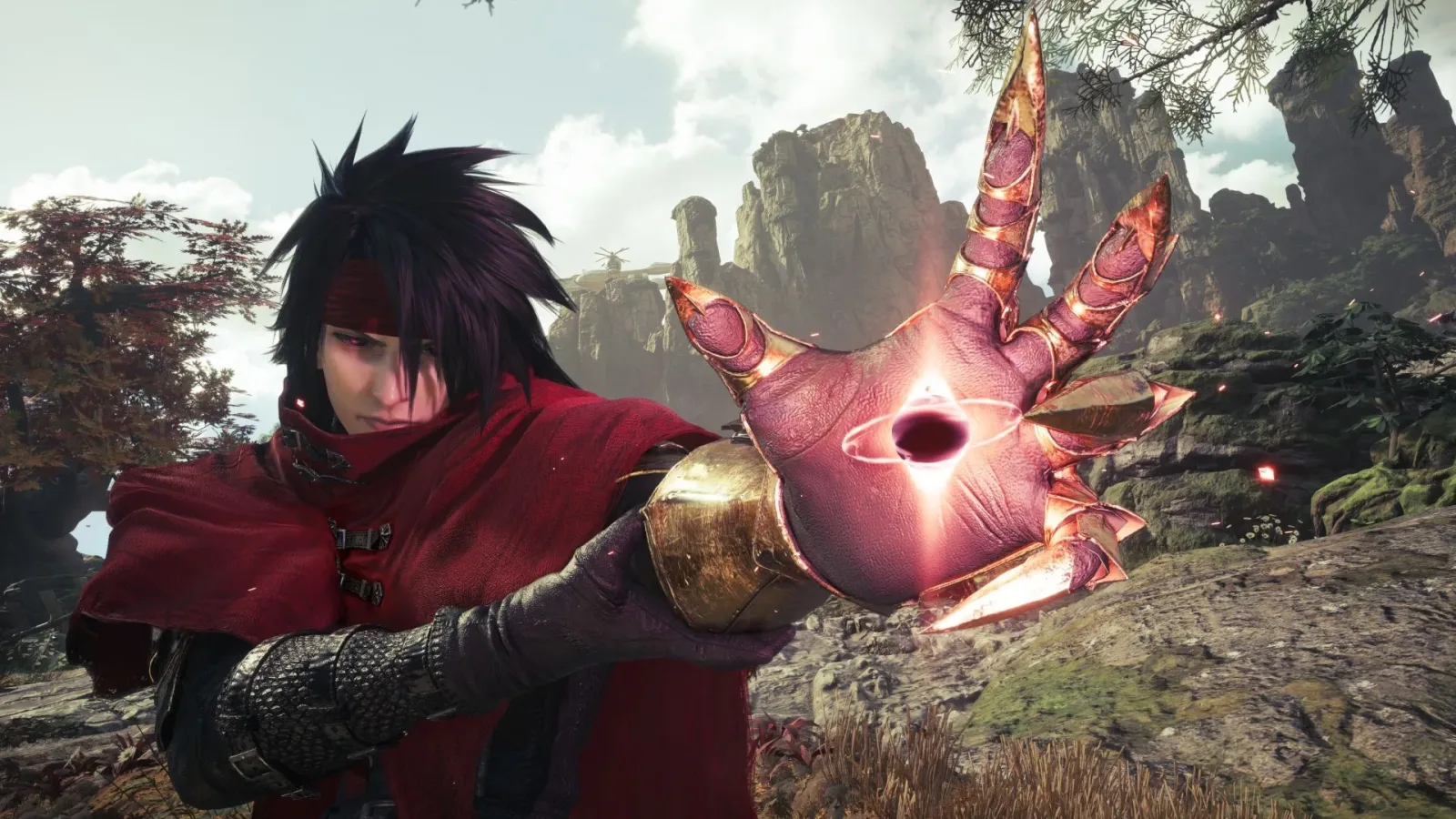
Final Fantasy 7 Remake series director Naoki Hamaguchi believes the project will stand apart from most major game remakes once its third installment, Final Fantasy 7 Revelation, arrives. Speaking about the unusual challenge of rebuilding one classic role-playing game as three enormous modern releases, Hamaguchi said he expects very few projects--if any--to attempt a comparable undertaking in the future.
The Final Fantasy 7 Remake series has always been an ambitious proposition. Rather than compressing the 1997 original into one contemporary release, Square Enix chose to expand its world, characters, combat systems, and story into a trilogy. Final Fantasy 7 Remake began that effort, Final Fantasy 7 Rebirth substantially broadened the journey beyond Midgar, and Final Fantasy 7 Revelation is set to complete the arc. The decision has remained a point of debate among fans, but Hamaguchi sees the overall production as something unusually difficult to organize and sustain.
In an interview with Final Weapon, Hamaguchi acknowledged that remakes of popular games will continue to happen. However, he drew a distinction between remaking an older title and dividing that remake into three full-scale installments. In his view, the number of teams able to make such a commitment is likely to be extremely limited.
A trilogy built on a massive production commitment
Hamaguchi's argument is not simply that Final Fantasy 7 is a large game. It is that the Remake series has required a lengthy, coordinated effort across multiple projects while maintaining a clear creative identity. Each entry has needed to function as a major game in its own right, while also carrying forward a larger narrative and building toward a conclusion planned across the full trilogy.
For useful background on this topic, read New Mordor Orc Miniatures Bring a Modern Edge to Middle-earth Strategy Battle Game.
That creates pressures beyond the usual challenges of a sequel. A conventional follow-up can change direction, alter its production approach, or move to a substantially different team structure. A tightly connected trilogy faces a more demanding set of expectations. Characters, story developments, art direction, combat design, technical decisions, and the broader interpretation of the original material all need to remain coherent from one release to the next.
Hamaguchi specifically pointed to the importance of retaining as much of the same team as possible throughout the project. Keeping that continuity can be a major logistical burden, particularly over the many years required to create several large games. Teams change, individual developers move between projects, priorities shift, and the needs of a game in late production can differ dramatically from the needs of one still in early planning. Maintaining a stable creative core is valuable, but it is not simple.
There is also a financial and critical risk that comes with planning so far ahead. Hamaguchi noted that the first installment could have performed poorly commercially or received a disappointing response. If that had happened, the plans for the rest of the trilogy would have had to contend with a very different reality. Starting a multi-game adaptation means committing resources and creative confidence before the complete audience reaction to the opening chapter is known.
That uncertainty makes the Final Fantasy 7 project distinct. A studio can decide to expand a successful game after it has proven itself. It is a different matter to establish a three-part vision around a beloved classic, produce the first entry, and then continue to execute the original plan while responding to player feedback and changing development conditions.
Why the remake format makes the task even harder
Remakes come with a particularly complex balance of expectations. Developers must satisfy players who remember the original while making decisions for newcomers and for a modern audience. The more famous the game, the more scrutiny those decisions receive. Final Fantasy 7 carries an especially large legacy, which means choices about pacing, characterization, story changes, locations, and gameplay are all examined closely.
Splitting that experience into three titles adds another layer to the conversation. Some players have continued to question whether the original needed to be separated this way, while others have embraced the chance to spend more time with its cast and setting. Neither reaction changes the central production reality: turning one established RPG into three expansive releases requires developers to rethink how major events, emotional payoffs, exploration, and progression should work at several points rather than within one single game.
Each installment also has to strike its own balance between resolution and anticipation. Players need reasons to feel that an entry was worthwhile on its own terms, yet the trilogy still needs to preserve momentum for what follows. That is a delicate storytelling task even for a completely new series. For an adaptation whose destination is familiar to many of its players, it becomes more difficult still.
Hamaguchi described Final Fantasy 7 itself as huge and the Remake series as enormous in scale. He suggested that, taken across its three games, the project may never be matched by another game of comparable scope. While he was effectively discussing the trilogy as a single larger work, the distinction does not weaken his point: the achievement he is describing comes from delivering a connected experience across three separate, major productions.
An outlier rather than a new blueprint
Hamaguchi does not appear to be presenting the trilogy as a format that every publisher should follow. Instead, he sees it as an exception. Popular older games may certainly receive modern remakes, but the conditions that support a three-part reimagining are rare. A project needs a property with sufficient cultural weight, a team capable of sustaining a long-term plan, and a publisher prepared to accept the risk and investment involved.
It also needs a game that can plausibly support expansion without losing the audience's interest. Not every classic title has the size, structure, or fan investment to be transformed into multiple substantial releases. Even when a game has those qualities, the realities of production can make the approach impractical. The trilogy model requires patience from developers and players alike, and it leaves little room for a weak start.
For Hamaguchi, that is part of what makes the Final Fantasy 7 Remake series a source of pride. He expects it to be remembered as an outlier: an unusually large-scale attempt to revisit a landmark RPG through three connected games rather than a standard remake project. The series' ultimate standing will naturally depend in part on how Final Fantasy 7 Revelation brings its story to a close, but the production accomplishment is already unusual.
The timing is notable as well. Large-budget game development has become increasingly demanding, with major releases often requiring long production cycles. Creating three linked titles within a relatively concentrated span, while preserving shared direction and a consistent sense of identity, is the kind of accomplishment Hamaguchi believes will be difficult to repeat.
Revelation carries the final piece of the larger plan
Final Fantasy 7 Revelation will have the responsibility of concluding not only its own campaign, but the creative experiment that began with Remake. It must serve players who have followed the series across every installment while providing an ending that makes sense within the broader reinterpretation of Final Fantasy 7.
Hamaguchi has also indicated that Revelation includes options intended to ease the experience for players who want to move through the campaign more quickly. The game will allow characters to level automatically and enable players to push through the story, following requests from Rebirth players who wanted relief from the traditional RPG grind. That approach suggests the final entry is being designed with different player preferences in mind, from those seeking a more demanding progression path to those focused chiefly on reaching the conclusion.
For now, Hamaguchi's comments frame the trilogy as more than a sequence of remakes. It is a long-running effort to reinterpret a foundational RPG at a scale that he does not expect to see often again. Whether players agree with every creative choice or not, the prospect of three major games built around one classic story remains a rare proposition--and, in Hamaguchi's view, one likely to remain rare long after Revelation completes the journey.
Community
Discussion
Start the conversation.
No comments have been posted yet.