

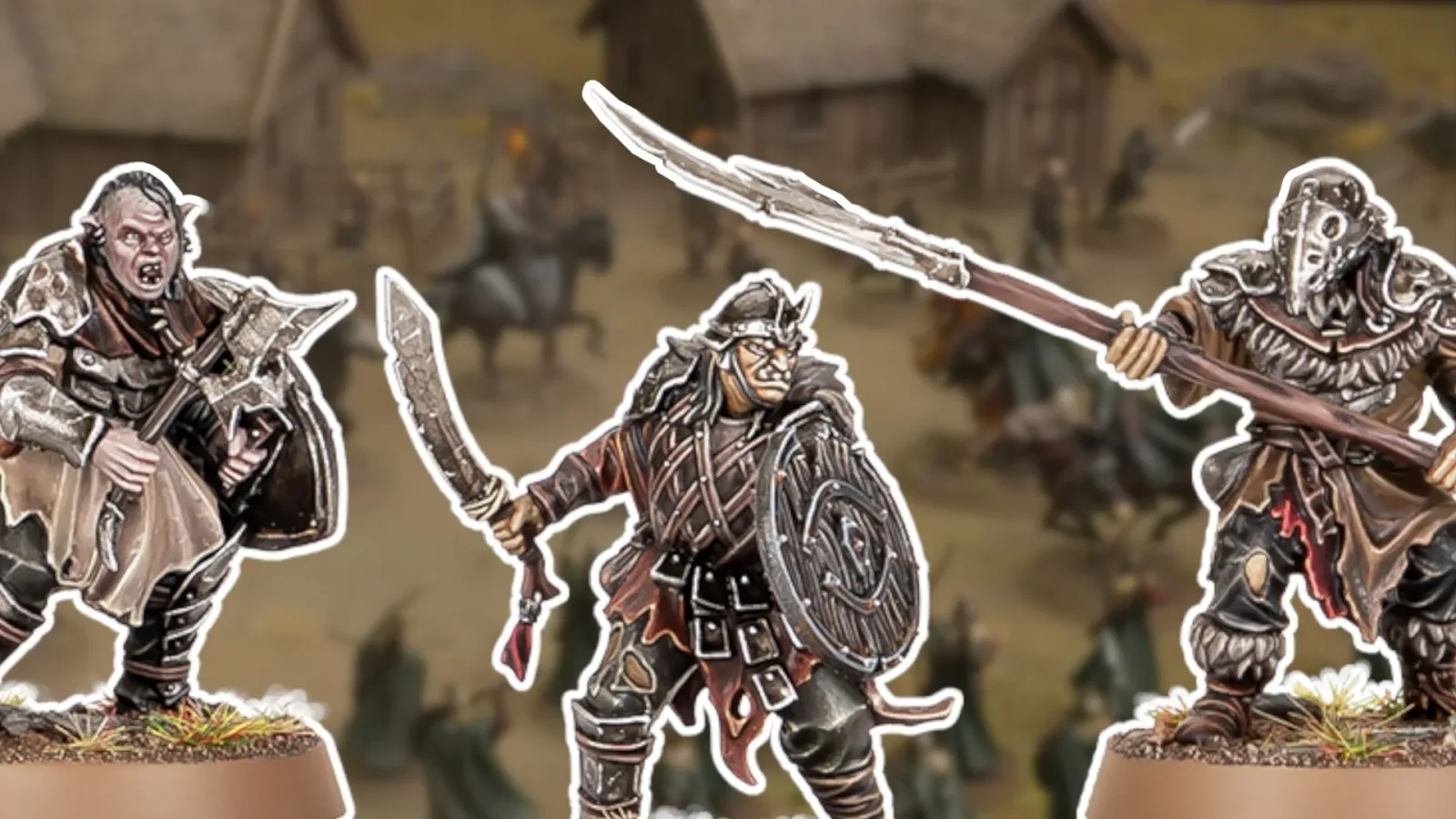
Warhammer is preparing a return to Mordor with a newly revealed range of refreshed Orc miniatures for the Middle-earth Strategy Battle Game. The updated figures revisit one of the most recognizable forces from the original Lord of the Rings tabletop range, retaining the hostile silhouettes, battered armor, and cinematic personality that made the older models memorable while bringing their sculpting closer to modern standards.
For long-time collectors, the announcement carries a particularly nostalgic appeal. The Lord of the Rings miniature game first arrived in 2001 and introduced many players to the hobby through Peter Jackson's film trilogy. Mordor was an essential part of that early experience: ranks of cruel, unevenly equipped Orcs, intimidating Ringwraiths, snarling Wargs, and the overwhelming sense that the Dark Lord's armies were built to outnumber and surround the enemy.
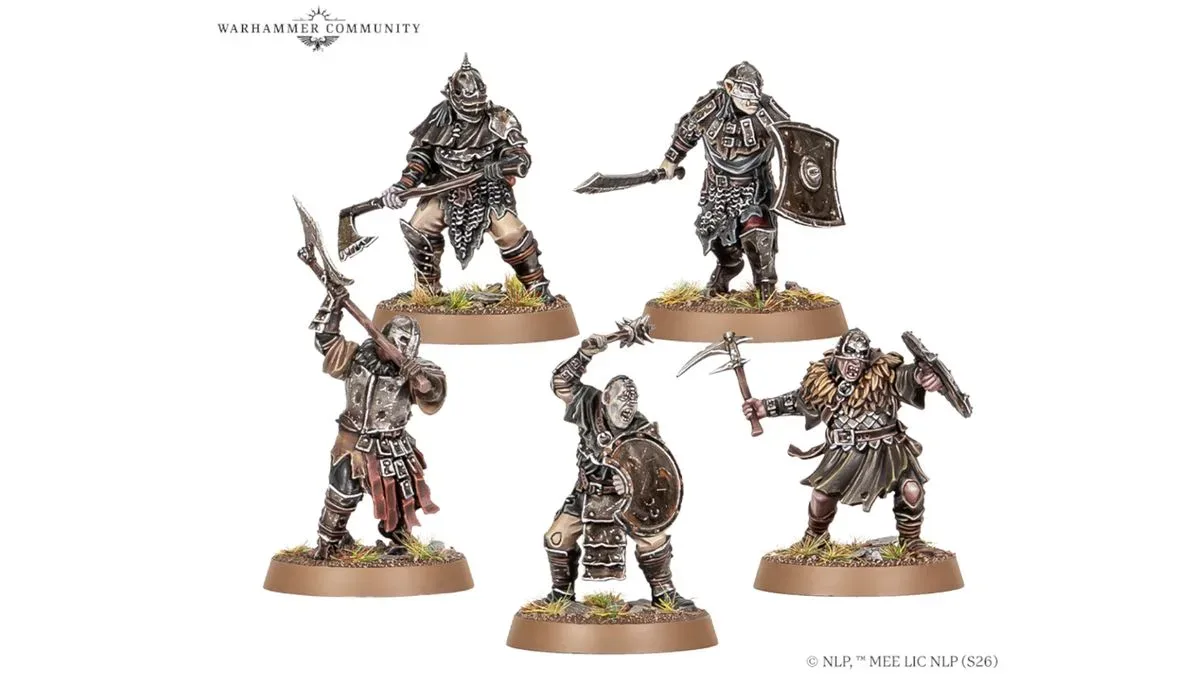
These new Mordor Orcs appear designed to capture that same foundation rather than replace it wholesale. Their poses echo familiar older miniatures, but the new sculpts offer a greater sense of movement and texture. They look less like static ranks positioned for battle and more like a disorderly mob in the middle of an advance, shouting, brandishing weapons, and closing on their foes.
A Classic Mordor Look, Reworked for a New Generation
The refresh is notable because it does not appear to discard the identity of the original Mordor Orc range. The pointed helmets, ragged clothing, crude shields, layered armor, and brutal weaponry are immediately recognizable. Rather than taking the faction in an entirely new visual direction, the update emphasizes the details that the classic designs established.
For useful background on this topic, read Xbox Layoffs and Studio Reshuffles Spark Anger Over Halo, Rare, Obsidian and More.
That includes a close relationship to the costumes and armor developed for the films. Several figures seem to draw directly on Orcs seen in Peter Jackson's trilogy, including one with a roaring expression and distinctive staples across its nose that recalls an Orc visible in the prologue of The Fellowship of the Ring. Those kinds of details can make a tabletop force feel more connected to the Middle-earth audiences remember from the screen.
The revised figures also reflect a broader approach already seen in the refreshed Warriors of Rohan. In both cases, Warhammer has revisited familiar troops with improved sculpting techniques without stripping away the defining poses and visual cues that helped the older kits earn their place among collectors. It is a careful balance: enough change to make the miniatures feel newly relevant, but not so much that existing fans no longer recognize the army they once built.
For an army such as Mordor, that continuity matters. Orcs are not meant to look pristine or uniform in the way that elite warriors might. Their appeal comes from the impression of a rough, dangerous horde, full of individual oddities but united by the same grim purpose. The new sculpts seem to lean into that identity, with varied gear and expressive body language helping the unit avoid looking overly repetitive when assembled in larger numbers.
Weapon Choices and Alternate Heads Offer More Flexibility
Warhammer has confirmed that the new Mordor Orcs will include options for different battlefield roles. Builders will be able to equip them with a selection of melee weapons or bows, allowing a force to be tailored toward close combat, ranged support, or a mixture of both.
That flexibility is useful for players as well as hobbyists. In the Middle-earth Strategy Battle Game, how a warband is armed can shape its role considerably. A wall of shield-bearing Orcs can help hold space and delay a stronger enemy, while spears can support the front line. Bows give a Mordor commander ways to threaten an advancing opponent or contest key areas from a distance. The exact arrangement will naturally depend on the rules and army list being used, but a kit with multiple equipment options gives players more room to construct the force they want.
Alternate heads will also be included. This may seem like a small addition, but it can make a substantial difference in an Orc army. Large infantry collections can quickly look too standardized if every warrior shares the same face, helmet, and stance. Swappable heads help create the visual impression of a gathering of disparate creatures recruited from across Mordor rather than a perfectly drilled military unit.
For painters, extra variation can be just as important. Different headgear, skin tones, armor treatments, and shield markings are all straightforward ways to make individual figures stand out, even within a large, cohesive force. Mordor's weathered, grimy aesthetic is well suited to experimentation with rusted metals, worn leather, dirty cloth, and scarred skin.
A Separate Box and a Larger Mordor Battlehost Are Planned
The refreshed Orcs are expected to arrive in their own standalone box, giving existing Mordor players a direct way to add the new infantry to an army. Warhammer also plans to release them as part of a larger Mordor Battlehost, an option that should be especially appealing to newcomers or returning players who want a substantial starting force in one purchase.
The Battlehost will contain 24 of the updated Mordor Orcs. They will be accompanied by Warg Riders and the Witch-king of Angmar, represented both on foot and mounted on horseback. The Warg Riders and Witch-king miniatures are older releases, but they remain fitting choices for a box intended to represent the breadth of Mordor's battlefield presence.
Twenty-four Orcs give a player the beginnings of the infantry mass that defines the faction. Meanwhile, mounted Warg Riders add speed and the ability to pressure flanks, threaten isolated targets, or rapidly reach objectives. The Witch-king, one of the most prominent servants of Sauron, supplies a powerful thematic centerpiece for the collection. Together, the contents point toward an army that can look like a true force of the Dark Lord rather than merely a handful of scattered troops.
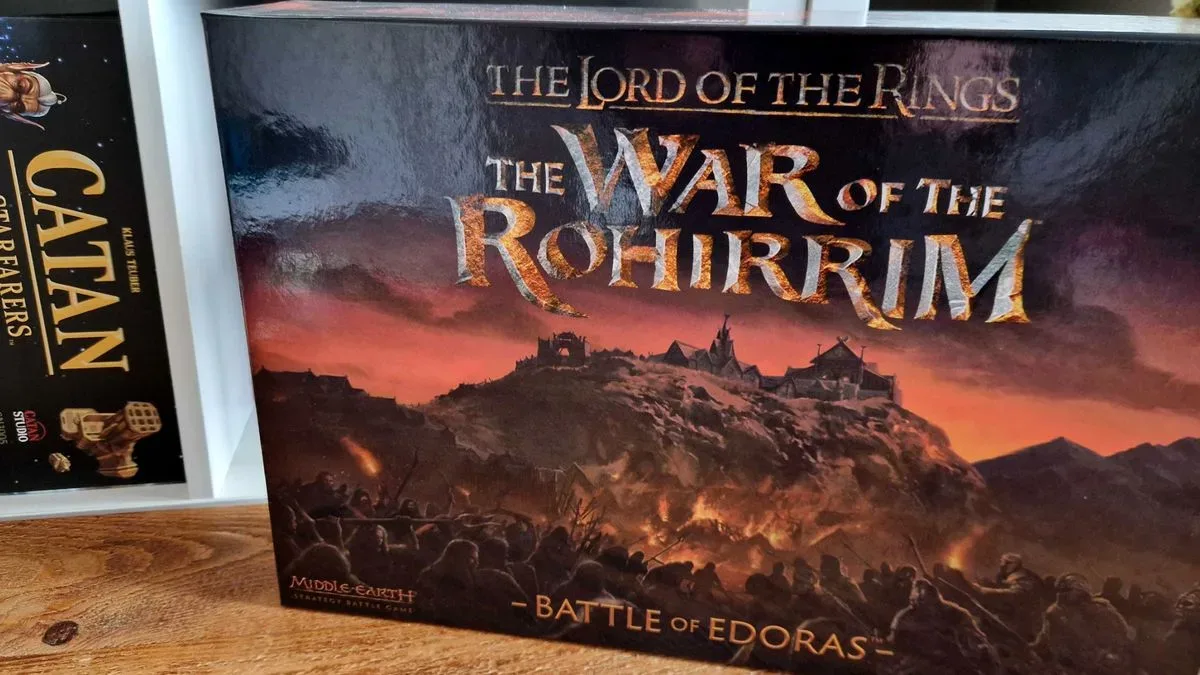
Warhammer has not confirmed a release date for either the standalone Orc box or the Mordor Battlehost. Pricing has likewise not been announced. Players interested in starting a force now still have other entry points into the game, including the War of the Rohirrim core box and faction-focused Battlehost sets, but those considering a Mordor project may prefer to wait for further details on the newly revealed package.
Battle Companies Will Add a Campaign-Focused Way to Play
Alongside the miniature reveal, Warhammer has announced a new Battle Companies book. The format is built around smaller, more personal campaigns in which players develop and customize their forces over a series of games.
This is a natural fit for Mordor. Rather than painting dozens of models immediately, players can begin with a more modest band and give attention to the personalities within it. A campaign can turn an otherwise ordinary Orc into a veteran through repeated battles, injuries, upgrades, and hard-won victories. That progression gives hobbyists a reason to add individual markings, trophies, scars, or distinctive paint schemes to models that might otherwise be one face in a larger horde.
Smaller-scale campaign play can also be a welcoming route back into the game for people who collected the original range years ago. The prospect of reviving old miniatures while adding a few new sculpts is one of the strongest aspects of this kind of release. A veteran collection does not need to be retired; it can be expanded, refreshed, and placed beside the updated models as part of the same army.
Why the Refresh Matters for Middle-earth Fans
Miniature refreshes can be divisive when they replace well-liked kits, but the Mordor Orc reveal appears aimed at honoring an established legacy. The old figures helped define the visual language of the game for many players. Their successors have the difficult job of looking more detailed and dynamic without losing the strange, unpleasant charm that made Mordor Orcs feel distinct from other fantasy infantry.
On the evidence shown so far, the new range is taking the right direction. The refreshed Orcs keep their connection to the movie designs, offer hobby-friendly customization, and arrive with the promise of a Battlehost that can provide a practical foundation for a larger army. The addition of Battle Companies further suggests that there will be opportunities for both grand battles and more intimate narrative clashes.
For collectors who first encountered tabletop wargaming through Middle-earth, the announcement may be especially difficult to resist. Mordor has always been one of the setting's most visually unmistakable factions, and a modernized collection of its core troops is an invitation to revisit old armies, start painting again, or finally assemble a force worthy of the Dark Lord.
Community
Discussion
Start the conversation.
No comments have been posted yet.