

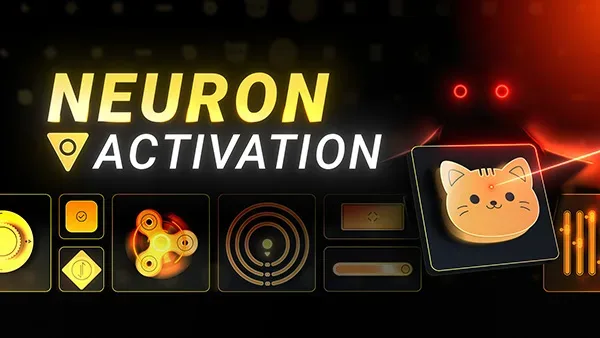
Neuron Activation, the upcoming game from indie developer DR Studio and publisher Pretty Soon, is scheduled to launch on Steam on October 28. Presented initially as an energetic collection of tactile, rapid-fire puzzles, the game will ask players to push buttons, flip switches, manipulate sliders, hit targets and tackle a broad range of small interactive tasks under pressure.
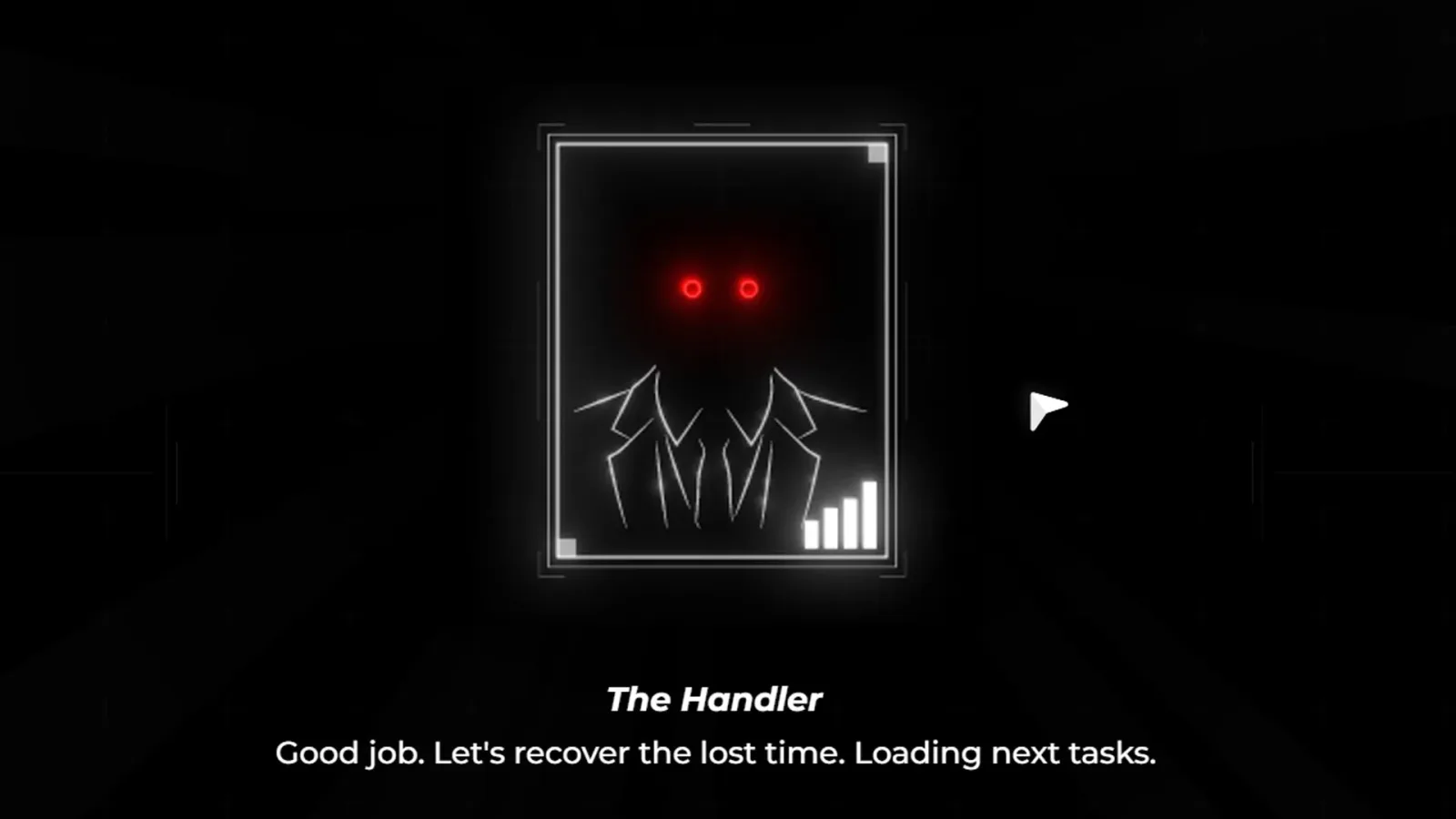
That immediately readable premise is only part of what Neuron Activation is aiming for. Its fast, satisfying actions are framed by a psychological thriller narrative in which players receive assignments from a figure called The Handler. As those instructions become stranger, the central question shifts away from simply completing a challenge efficiently: will the player continue to obey, or begin to resist?
A demo is available now and is taking part in Steam Next Fest. The demo currently holds a 100% positive Steam user rating, providing an early indication that the game's unusual mix of speedy interaction and unsettling story material has connected with players who have tried it. DR Studio has also released a trailer accompanying the October 28 date announcement.
A puzzle game built around hands-on interaction
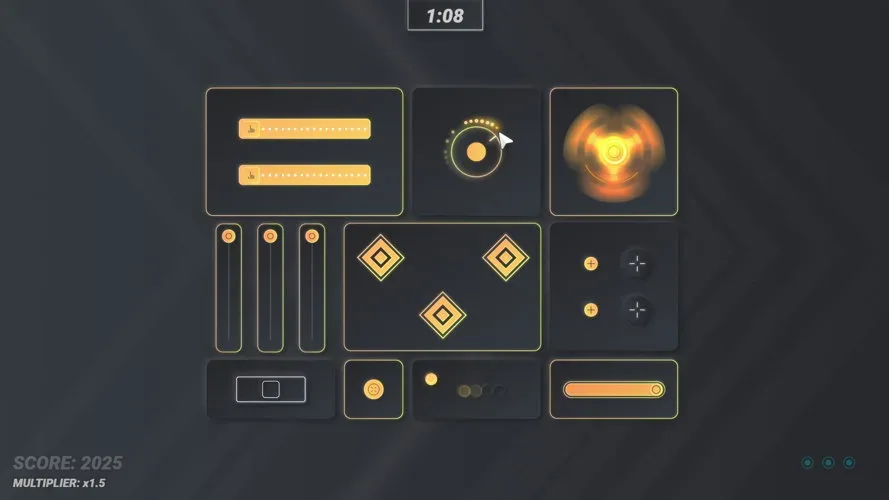
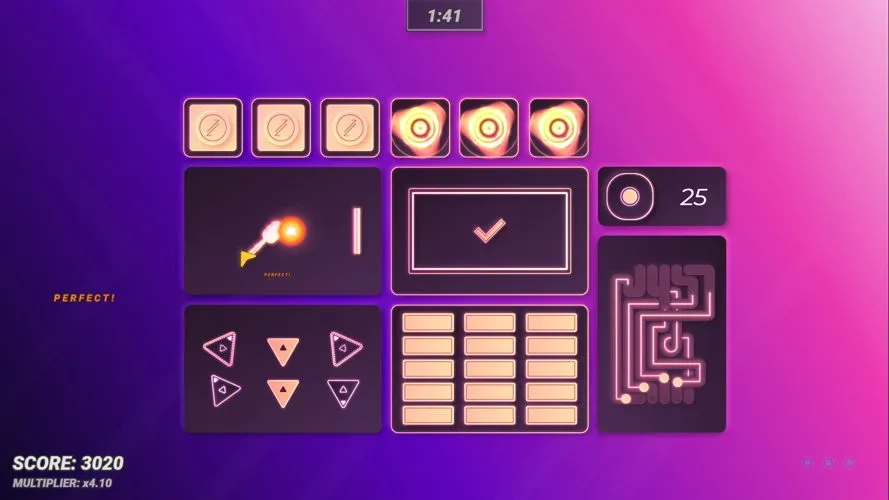
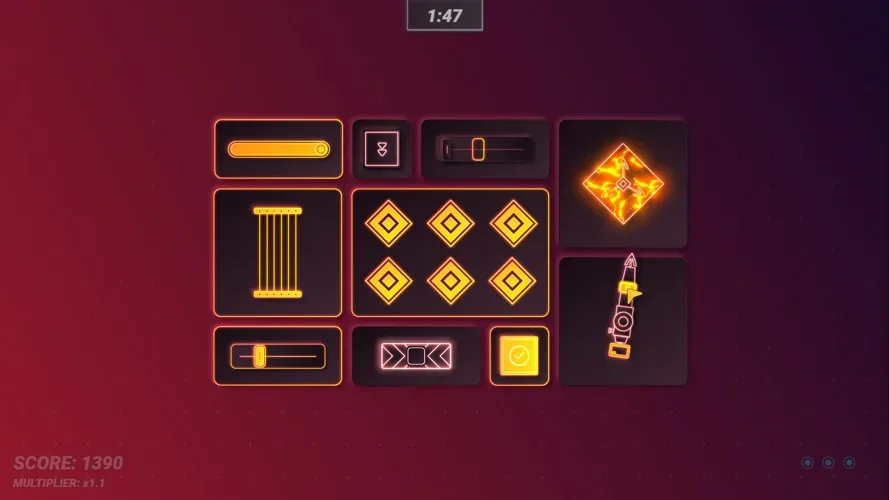
Neuron Activation describes itself as a kind of digital fidget box in puzzle-game form. Rather than centering its entire experience on one elaborate system or a single puzzle format, it uses many short tasks designed to produce quick, immediate feedback. Players may be clicking a button one moment, adjusting a switch or slider the next, then moving on to shooting a target or resolving another compact objective.
For useful background on this topic, read JDM: Phantom Driver Brings Demon-Smashing Drift Combat to Steam.
There are more than 80 micro-challenges planned for the full game. The format puts emphasis on responsiveness, speed and adapting to changing instructions. Each individual task may be small, but that does not necessarily mean the overall experience stays simple. The game's design builds on the idea that a steady flow of short actions can be inherently compelling, especially when the player is encouraged to finish them as quickly and cleanly as possible.
This approach gives Neuron Activation a deliberately physical feel despite its digital setting. Familiar controls and objects--buttons, switches, panels, sliders and targets--are easy to understand at a glance. The challenge comes from reading what is required, acting without hesitation, and staying focused as the game asks for more input. It is a setup that can make small successes feel rewarding, while making a mistake or delay immediately noticeable.
The game's micro-challenge structure also separates it from a traditional puzzle adventure that might have players studying one room or one complicated mechanism for a long period. Here, momentum appears to be central. Neuron Activation wants players to keep moving through a dense sequence of interactions, with the sensation of completing one task feeding directly into the next.
For another perspective on this story, read Neuron Activation Brings 80-Plus Rapid-Fire Micro-Challenges to Steam on October 28.
Multitasking grows more demanding
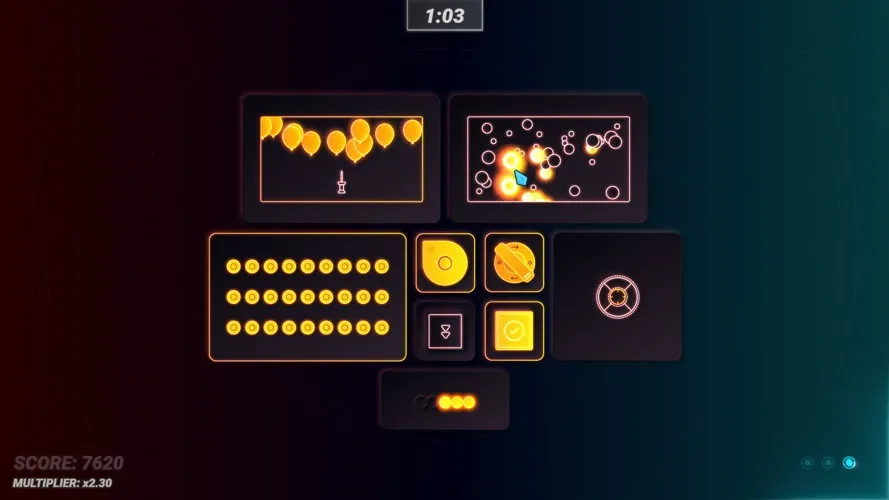
As the game progresses, the control panel becomes increasingly chaotic. DR Studio highlights multitasking as a major component of Neuron Activation, suggesting that players will need to manage several demands rather than comfortably dealing with one prompt at a time. This evolving complexity should be a key part of the game's tension.
That escalation matters because a large collection of microgames can easily become repetitive if each task is isolated. By making the player's workspace busier and asking them to handle overlapping inputs, Neuron Activation turns its initially simple interactions into a broader test of concentration and prioritization. A player may know exactly how to operate a particular switch or solve a given prompt, yet still struggle because another demand is competing for attention.
The result is positioned as controlled mayhem. The game is built to deliver the satisfying rhythm of quick actions while steadily undermining the comfort that rhythm can provide. The more elements that demand attention, the more players must decide where to look, what to do first and how long they can afford to spend on any one objective.
That rising workload fits naturally with the premise of an overseeing authority issuing tasks. A growing control panel is not only a mechanical escalation; it can also reinforce the feeling of being placed under pressure by a system that expects constant compliance. Neuron Activation's puzzle design and narrative setup are therefore closely linked, with the act of efficiently doing what one is told becoming part of the story's larger unease.
The Handler turns routine tasks into a psychological thriller
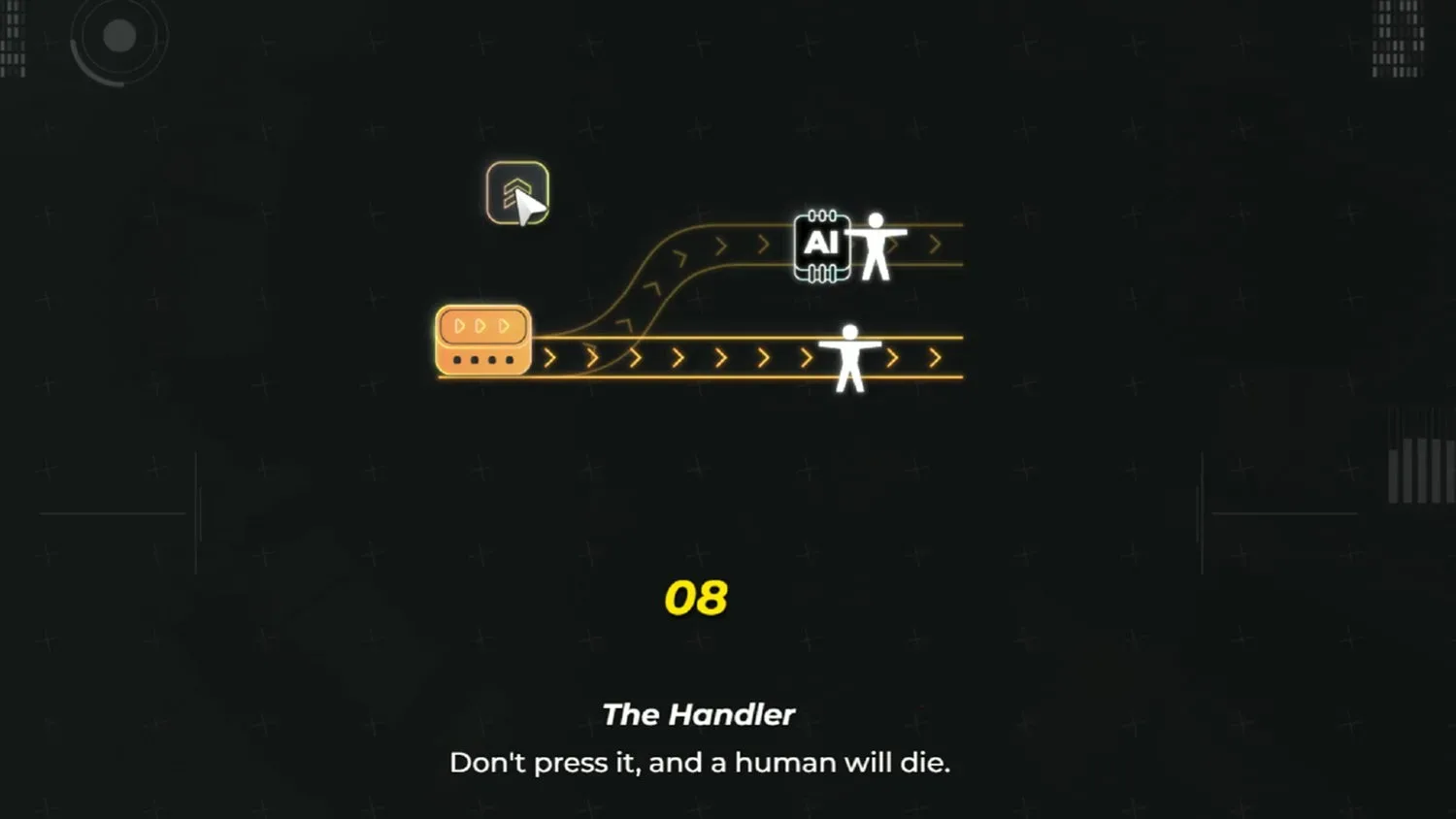
At the center of the game's story is The Handler, the unseen boss-like presence responsible for assigning the player's work. At first, those assignments are part of the familiar loop of tasks and controls. Over time, however, they become more bizarre. That shift is what moves Neuron Activation beyond its bright, sensory puzzle-game surface and into psychological thriller territory.
The announcement identifies player choice as a meaningful part of the experience. Players will have opportunities to decide whether to follow The Handler's directions or push back against them. The specific consequences of those choices have not been detailed, but the distinction is important: the game is not merely telling a story about an uncomfortable workplace or a demanding supervisor. It is asking players to take a position within that conflict.
In games where the primary activity is completing instructions quickly, the decision to refuse an order can carry special weight. Players are usually trained to treat a prompt as a problem that needs solving. Neuron Activation's premise uses that expectation as part of its dramatic foundation. If a task is placed in front of the player, the natural impulse may be to complete it. The game's narrative asks what happens when that impulse is challenged.
The Handler's increasing presence also gives the game's fidget-box concept a darker angle. Buttons and sliders can be relaxing or playful when they exist only for tactile satisfaction. They take on a different character when they are attached to demands from someone watching, judging or controlling the flow of work. Neuron Activation appears designed to explore that contrast, moving from accessible interactive pleasures toward a more uneasy relationship with the systems being operated.
A compact story mode with Steam Deck support
DR Studio estimates that Neuron Activation's story mode takes about three and a half hours to complete. That places it in a compact format suited to a concentrated playthrough rather than a long-running puzzle campaign. The stated length may also make the game's progression from playful tasks to increasingly strange assignments feel more focused, allowing the narrative escalation to unfold without stretching the premise beyond its intended scope.
The Steam release will include full Steam Deck support, including touch controls. That is a particularly natural fit for a game structured around direct manipulation of on-screen objects. Touch input could make actions such as pressing buttons, dragging sliders and flipping switches feel even closer to the physical fidget-device inspiration behind the game.
Steam Deck support also means players will be able to approach Neuron Activation's short challenges in a handheld format without giving up the interaction options emphasized by its design. The combination of rapid objectives and a three-and-a-half-hour story could make it well suited to either one sustained session or several shorter visits, depending on how players prefer to handle its escalating demands.
What to expect on October 28
When Neuron Activation arrives on Steam, players can expect a game that uses immediate, familiar interactions as the basis for both its gameplay and its tension. Its promise of more than 80 compact challenges suggests plenty of variety in the moment-to-moment experience, while the growing chaos of the control panel should ensure that speed alone is not enough.
More importantly, the game's thriller layer gives those mechanics a narrative purpose. The player is not simply chasing a better score or clearing a sequence of disconnected tests. They are carrying out assignments for The Handler, discovering that the requests are becoming increasingly abnormal, and deciding whether obedience remains the right response.
With its demo already available during Steam Next Fest and its full release set for October 28, Neuron Activation is positioning itself as a concise but busy puzzle experience for players who enjoy tactile interaction, multitasking pressure and stories that make routine instructions feel far less routine. Its Steam Deck touch support should further complement the game's button-pushing, switch-flipping core when it launches for PC and handheld Steam play.
Community
Discussion
Start the conversation.
No comments have been posted yet.