

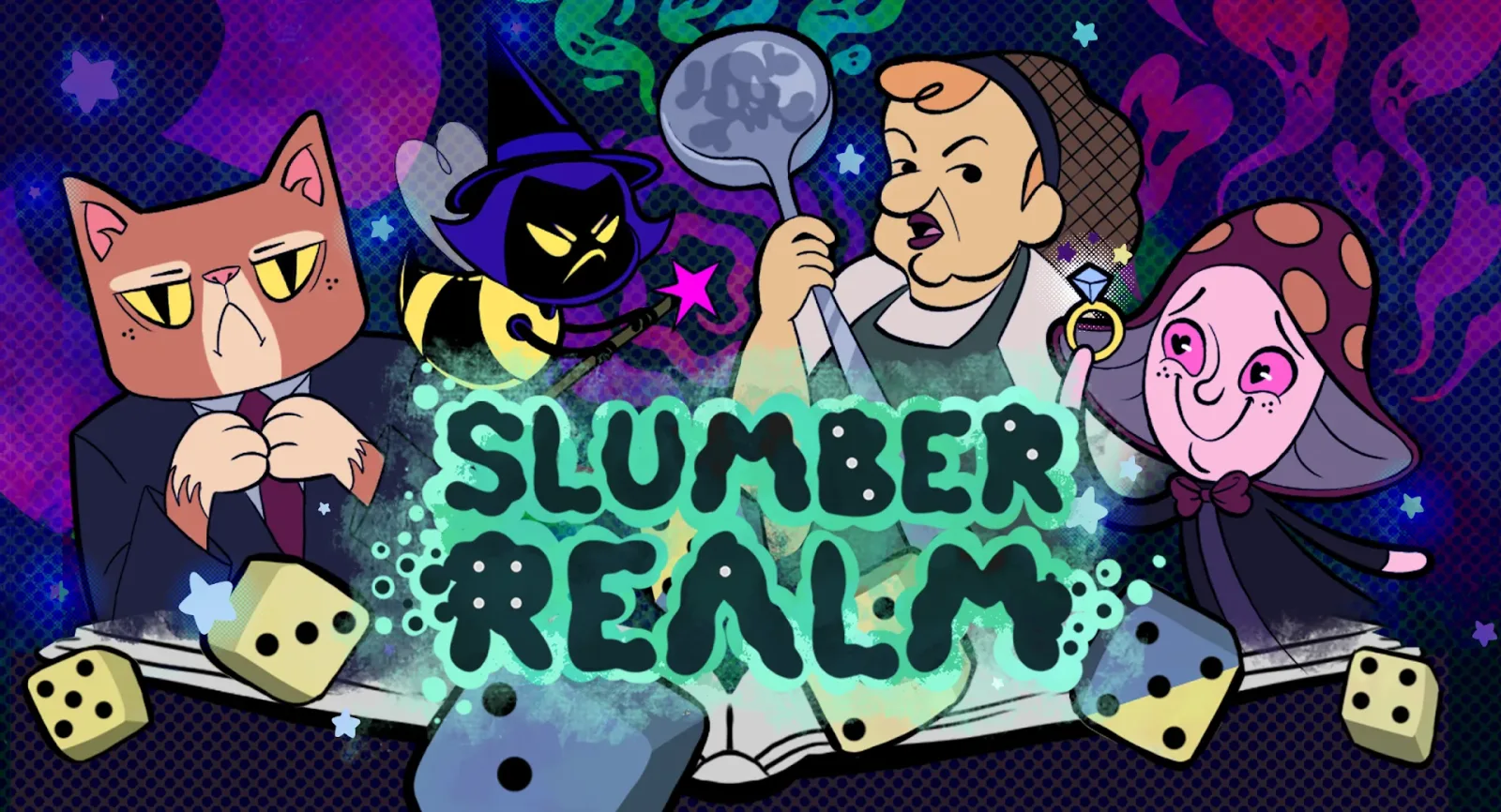
Chugga Games has opened a fan art contest for Slumber Realm, offering four artists a particularly unusual prize: their work will become part of the game itself. The contest is running from October 1 through October 31, 2026, and the selected pieces will be displayed in a dedicated in-game fan-art section when Slumber Realm launches for PC via Steam on November 4, 2026.
The event leans deliberately into a particular kind of game culture nostalgia. Rather than simply asking for standard promotional illustrations, the contest invites players to make work in the spirit of the hand-drawn art submissions once found in gaming magazines during the 1990s. That framing fits a project described as a "'90s-soaked dice roguelike," while giving entrants freedom to interpret the game's characters, ideas, cards, and atmosphere through their own artistic styles.
Traditional and digital media are both eligible. However, the developer has set one firm requirement: every submission must be completely made by a human artist. AI-generated and AI-assisted art will not be accepted for consideration.
How the Slumber Realm contest works
Artists who want to enter need to create a piece inspired by Slumber Realm, post it publicly using the hashtag #SlumberRealmContest, and send in their entry by email. The contest deadline is listed as 11:59 p.m. ET on October 31. Participants should make sure their public post uses the required hashtag, since social activity also plays a role in selecting one of the winners.
For useful background on this topic, read Graveyard Keeper 2's Expanded Story Risks Getting in the Way of Its Best Ideas.
Four total entries will be chosen. Three will receive Judges' Selection honors, while a fourth will be picked as the Audience Favorite through social channels. Each winner receives a Steam key for Slumber Realm, but the centerpiece of the prize is the game inclusion. All four pieces will be added to the dedicated fan-art area available in the finished release.
The Judges' Selection category will assess entries using several criteria:
- Creativity
- Originality
- Artistic execution
- Personality
- Connection to Slumber Realm
That list suggests the contest is looking beyond technical polish alone. A stylized doodle, an imaginative scene, or a handmade work with a strong individual voice could potentially fit the stated goals as well as a highly rendered digital illustration, provided it clearly connects to the game and meets the human-created artwork rule.
Winners arrive on the eve of launch
The results are scheduled to be announced on November 3, 2026, just one day before Slumber Realm reaches Steam. The winner reveal will be part of a special announcement hosted by game creator Brian Cronin. This timing gives the fan art initiative a role in the game's final pre-launch stretch, turning the selected community work into part of the conversation immediately before players can begin their first runs.
In-game fan art galleries have appeared in games across many genres, but incorporating contest winners at launch can give such a feature a more personal purpose. It preserves a snapshot of how early followers interpreted a game before its release, and it also makes the game's audience visible within the world that inspired their work. In Slumber Realm's case, that approach is especially appropriate given the contest's throwback magazine-submission theme.
The 1990s magazine comparison is more than a surface-level aesthetic prompt. Before modern social platforms made fan work instantly shareable, magazines often acted as a physical meeting point for player creativity. Readers would send in drawings, letters, tips, screenshots, and other contributions, then wait to see whether their work appeared in print. Slumber Realm's contest updates that idea for the current online environment: entrants can publicly share their art, use a communal hashtag, and potentially see the finished creation preserved inside the game rather than on a single printed page.
A dice roguelike built around sequencing cards
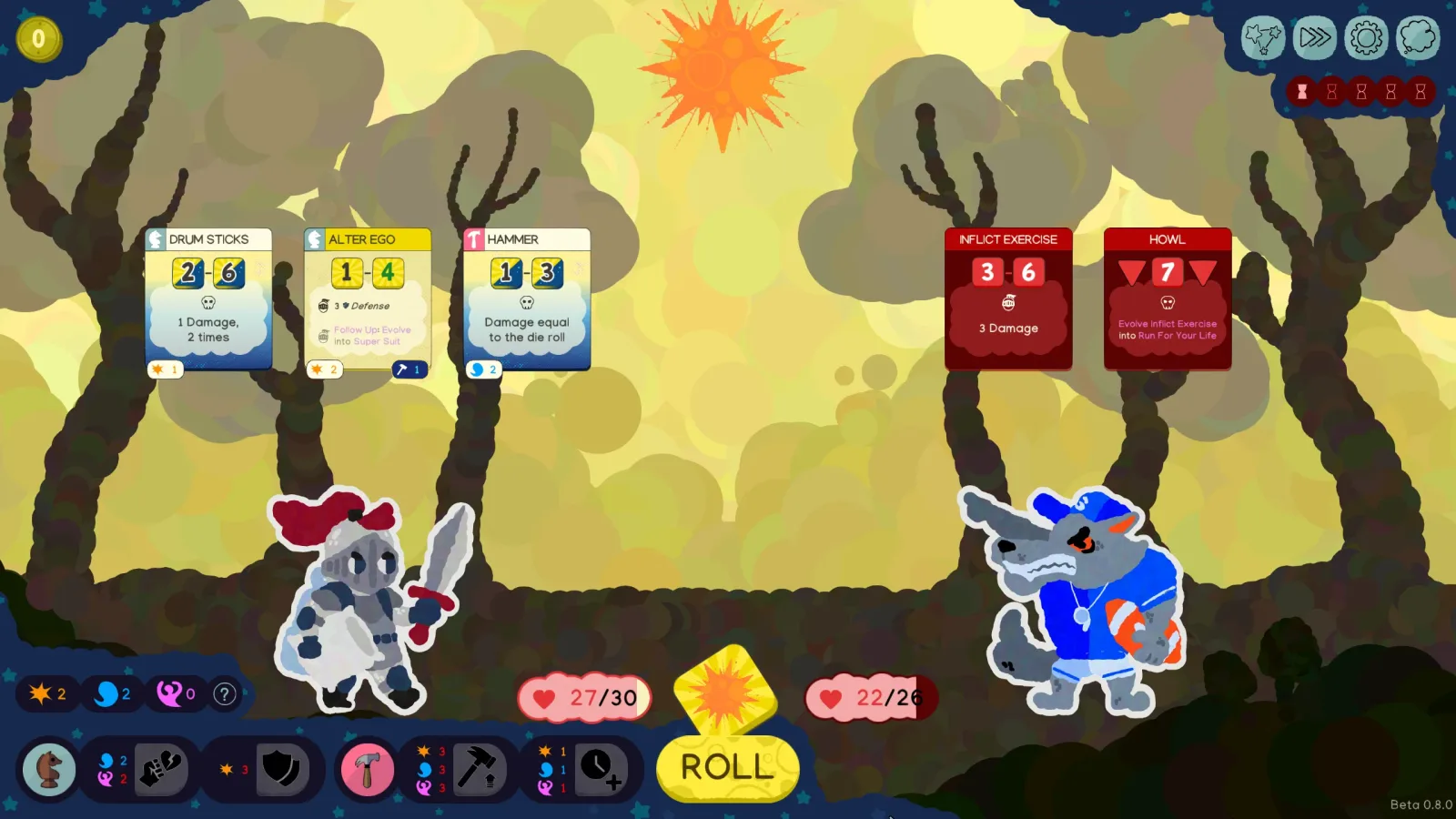
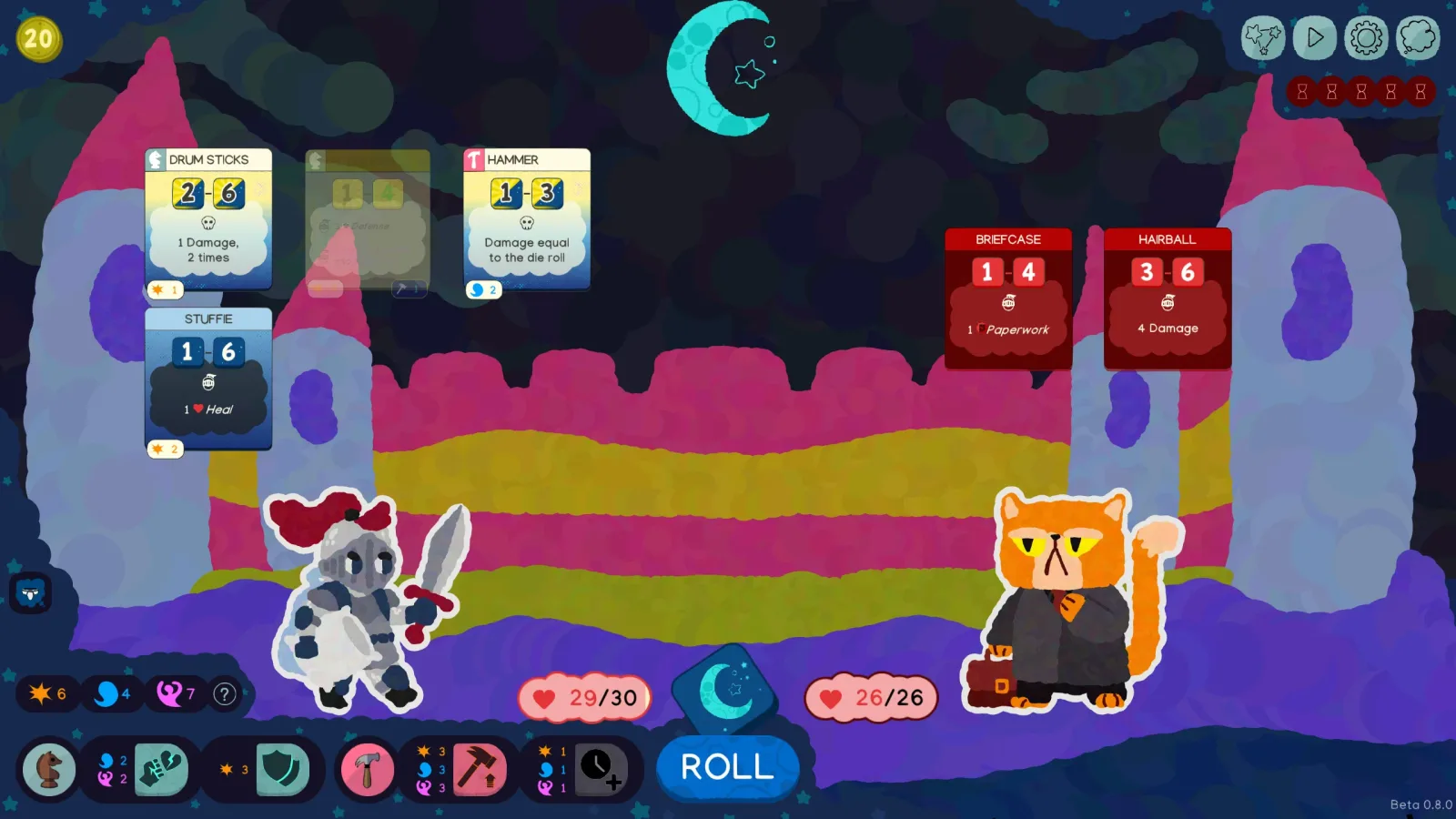
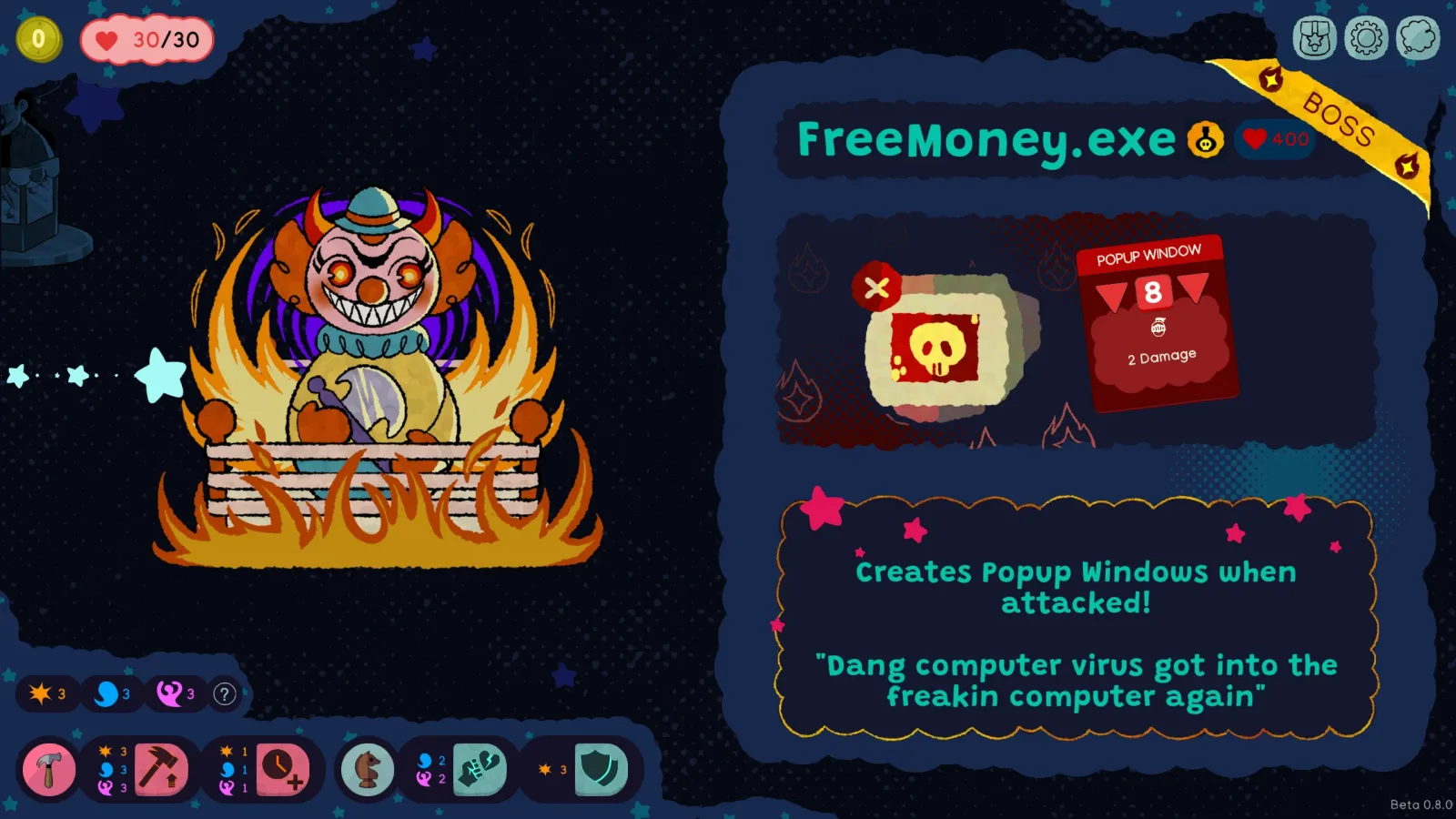
Slumber Realm is designed around compact runs and a card-driven dice system. Its core loop asks players to draft Cards into a backpack, roll a six-sided die, and activate cards whose numbered ranges match the result. The important strategic wrinkle is the order in which those effects are arranged and triggered. Players can sequence activations to extend turns and build chains, creating opportunities to turn a single die roll into a larger series of actions.
That premise places chance at the center of each run, but not in isolation. A d6 has only six possible results, so the game's card range system gives players a clear framework for planning around probabilities. Building a deck or backpack with overlapping ranges may provide consistent responses to several rolls, while narrower or more specialized effects could offer stronger moments when the right number appears. The sequencing element then adds another layer: a card's value may depend on what it activates before or after it.
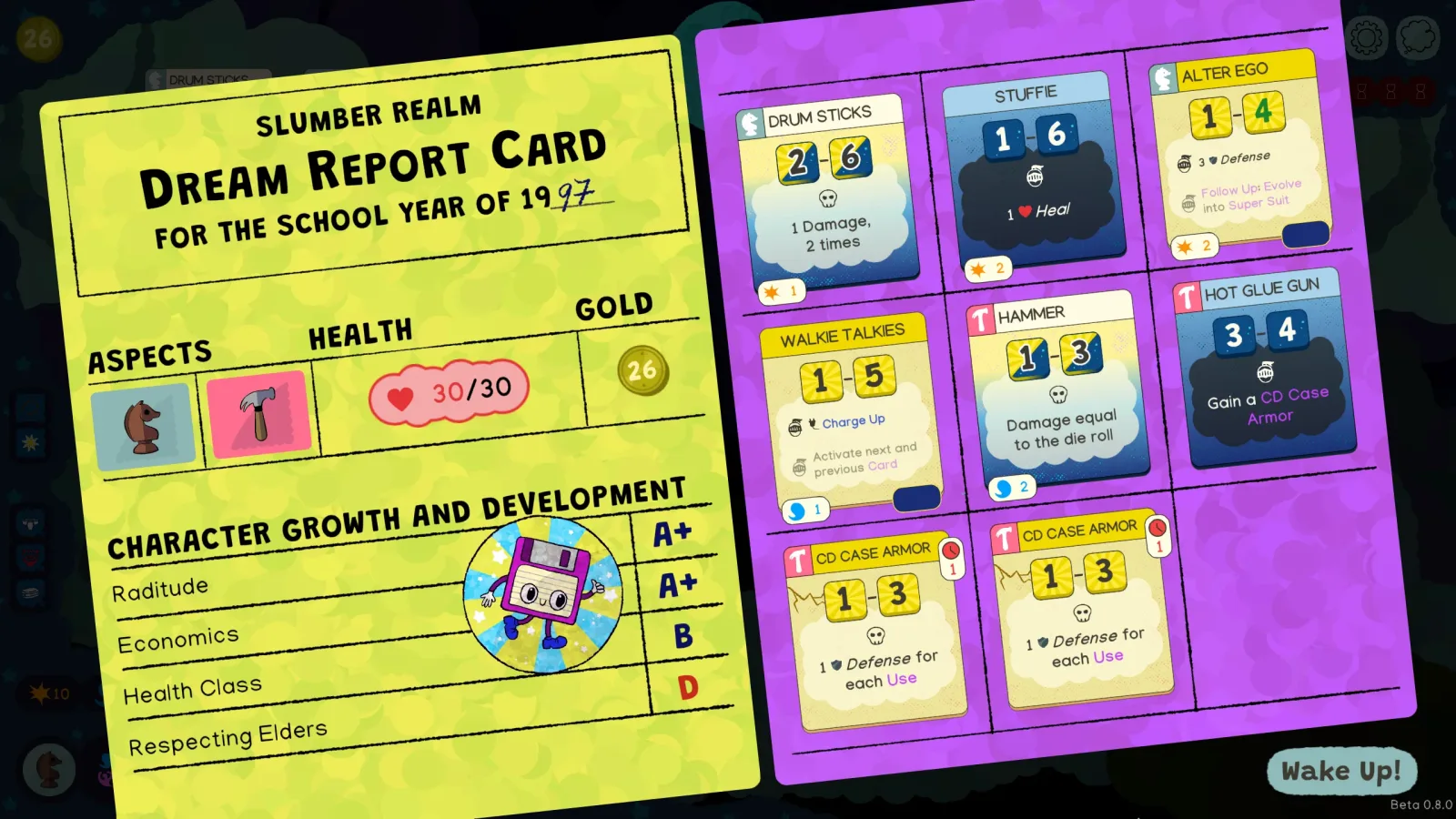
Runs are expected to be relatively brisk, at around 30 minutes. That length suits the roguelike format while making room for repeated experimentation with card selections and class combinations. The game includes more than 150 Cards, alongside more than 40 Memories and more than 35 Snacks, providing multiple pools of tools and modifiers for players to encounter as they develop strategies.
The available systems also extend to a mix-and-match class structure based on four Aspects:
- Tactical
- Tinker
- Gamer
- Sk8er
Players select two Aspects, shaping the card pools available to them and the kinds of synergies they can pursue. Pairing two Aspects rather than committing to one fixed class gives the game a potentially broad range of build identities. The Tactical and Tinker names imply distinct approaches to planning and mechanical interaction, while Gamer and Sk8er reinforce the title's playful period-inspired personality. Exactly how each Aspect changes a run will become clearer once players can experiment with the combinations in the full release.
What artists can draw from
For entrants, Slumber Realm's systems provide plenty of possible starting points beyond a conventional character portrait. Art could focus on the tactile appeal of a six-sided die, a chaotic chain of card activations, an imagined snack item, or a scene built around one of the four Aspects. The game's dreamlike title and nostalgic angle leave room for submissions that feel like retro game advertisements, notebook sketches, magazine-margin art, surreal fantasy scenes, or more modern digital compositions.
The key is that the final work needs to retain a recognizable relationship to Slumber Realm. Since connection to the game is among the judges' stated considerations, artists may want to make that relationship immediately readable while still allowing their own style and personality to come through. The contest's broad media policy means a physical piece can be as eligible as a digital one, assuming it is shared publicly, submitted through the required email process, and created without AI assistance.
Fans have the full month of October to prepare and submit their work. With the deadline set for October 31 at 11:59 p.m. ET, the window closes only a few days before the November 3 announcement. The four winning artists will then join Slumber Realm's launch in a lasting way: their creations will be available for players to find inside the game when it arrives on November 4.
For a roguelike that emphasizes combinations, chance, and player-led experimentation, the contest offers a complementary creative challenge. Instead of arranging Cards around a die roll, artists are being asked to assemble their own visual response to Slumber Realm's world--and four of those responses will become an official part of it.
Community
Discussion
Start the conversation.
No comments have been posted yet.