

Take-Two Interactive is heading toward the launch of Grand Theft Auto 6, a game widely expected by analysts to become one of the largest entertainment releases ever measured by revenue. Yet the scale of that anticipated success has not stopped questions about the publisher's broader business, its recent releases, and the degree to which investors are depending on Rockstar Games' next blockbuster.
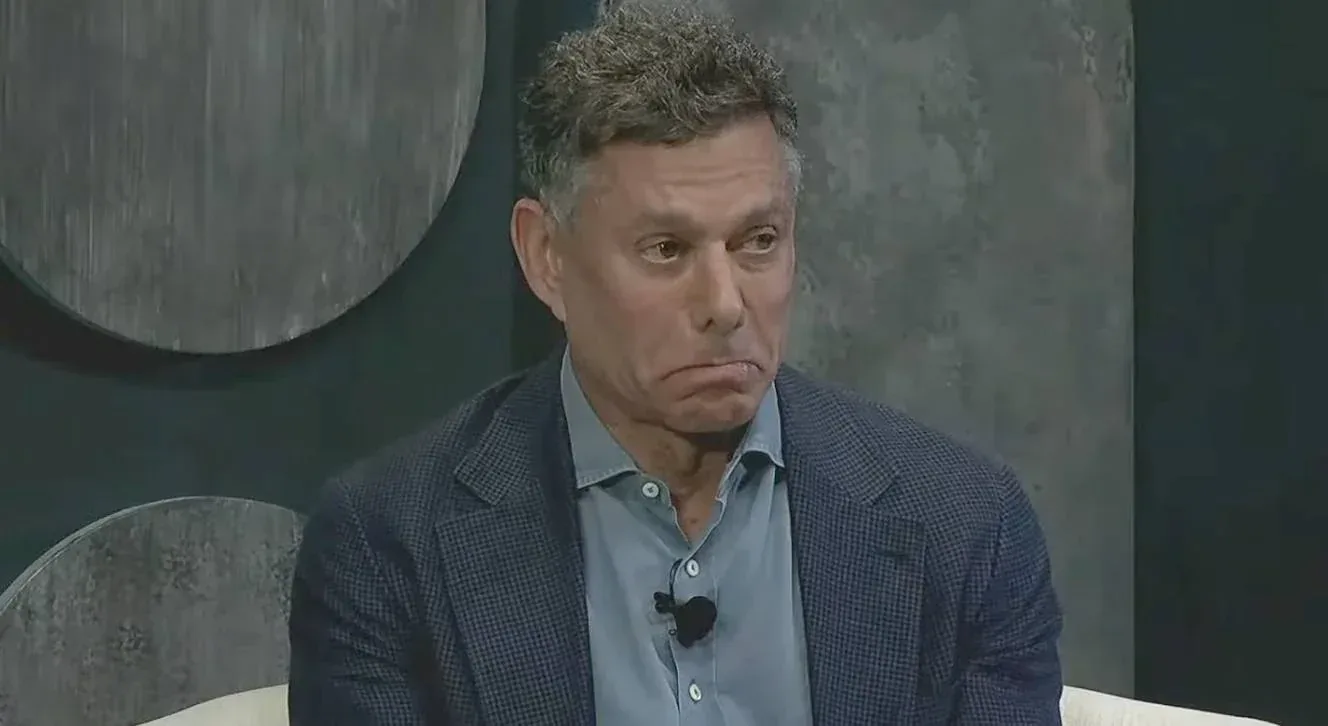
Those questions came to a head during a technology conference appearance by Take-Two chairman and CEO Strauss Zelnick. Asked whether the company had enough major hits beyond Grand Theft Auto, Zelnick initially appeared taken aback before delivering a detailed defense of Take-Two's catalog. His core argument was simple: the company possesses a deep collection of proven game brands, recurring businesses, and mobile properties, and its financial performance reflects that strength.
The exchange has drawn plenty of attention among players, in part because the idea that Take-Two lacks recognizable franchises can sound strange to anyone familiar with its back catalog. Grand Theft Auto, Red Dead Redemption, NBA 2K, WWE 2K, Borderlands, Civilization, BioShock, and several mobile games all sit under the Take-Two umbrella. Still, the question points to a real strategic issue facing major publishers: even an enormous library of intellectual property does not necessarily guarantee a steady run of new, breakout releases.
A Question About One Giant Game and Everything Around It
The discussion unfolded in the context of Take-Two's share price, which had fallen by nearly 20 percent from its peak late in the previous year. That might seem counterintuitive while the company prepares to release GTA 6, but public-market expectations are often focused on what comes after the next major milestone as much as the milestone itself.
For useful background on this topic, read Epic Games Commits to AI-Driven Unreal Engine 6 Workflows Despite Developer Concerns.
Zelnick stressed that he does not want to treat a future launch as a certainty before it arrives. In his view, the company's underlying position will be clearer once Grand Theft Auto 6 is actually in players' hands. It is a cautious framing from an executive whose company is associated with one of the most confident commercial bets in the industry.
When pressed on concerns that GTA 6 may be the company's dominant hit without enough peers around it, Zelnick answered by citing the breadth of Take-Two's owned properties. He said the publisher has 15 franchises with individual releases selling at least 5 million units. He also argued that Take-Two has the strongest stable of owned gaming intellectual property in the business, pointing to revenue, profitability, and market capitalization as evidence.
It was not merely a claim that Take-Two has old names on a list. Zelnick's response emphasized the commercial engines still operating within the business. Grand Theft Auto Online remains a major ongoing product, while Red Dead Online extends the reach of Rockstar's western series. Annualized sports franchises bring a different kind of predictability, and mobile games provide another revenue stream outside of premium console and PC releases.
The Franchises Zelnick Put Forward
Grand Theft Auto naturally sits at the center of Take-Two's case. The series has long been one of gaming's most valuable brands, and its online component has continued to be a major part of the company's business long after the original release of Grand Theft Auto V. The pending arrival of GTA 6 raises the stakes considerably, with expectations that it could set commercial records across entertainment.
Zelnick also singled out Red Dead Redemption, describing it as a massive property and noting that the most recent release has sold more than 65 million copies. That series does not release as frequently as NBA 2K or WWE 2K, but its stature matters. It demonstrates that Rockstar's appeal is not limited to a single modern crime saga, even if Grand Theft Auto is clearly the larger phenomenon.
Take-Two's sports business is another important pillar. Zelnick identified NBA 2K as the second-largest sports game franchise worldwide and the largest in North America. Whatever debates surround annual sports-game release models, those games represent reliable, repeatable demand. WWE 2K adds another established licensed sports entertainment series to the lineup.
Beyond Rockstar and 2K Sports, Take-Two holds several brands that can appeal to distinct audiences. Borderlands has been a defining name in co-op looter shooters. Civilization remains one of the best-known strategy franchises in gaming. BioShock, despite its long absence from the market, carries substantial recognition and critical prestige. On mobile, Zelnick named Words With Friends, Empires & Puzzles, and Good Poker, alongside hundreds of other titles.
- Grand Theft Auto and Grand Theft Auto Online
- Red Dead Redemption and Red Dead Online
- NBA 2K and WWE 2K
- Borderlands, Civilization, and BioShock
- Words With Friends, Empires & Puzzles, and Good Poker
That is a formidable list on paper, and it explains why some players have reacted with amusement to the suggestion that Take-Two has little beyond GTA. Two of the five best-selling games of all time belong to the company, and GTA 6 could plausibly join them. Very few publishers can make a comparable claim.
Why the Concern Is Still Not Baseless
However, a strong catalog and a consistently strong release slate are not the same thing. The question posed to Zelnick was not necessarily an accusation that Take-Two has no recognizable properties. Instead, it reflected uncertainty around whether those brands are all firing at the level investors might want as the company approaches an exceptionally important launch.
Borderlands 4 and Civilization 7 have not emerged as entirely smooth, unqualified successes in the way some earlier installments in those series did. That does not erase the importance of either franchise, but it complicates the argument that Take-Two's non-GTA business is enjoying uninterrupted momentum.
BioShock is an even clearer example of the gap between IP value and a current product pipeline. A decade has passed without a new BioShock game reaching the market. The series remains culturally significant, but a publisher cannot fully capitalize on that significance until it can deliver a finished, compelling new entry.
Then there is Project Ethos, the live-service multiplayer game that has continued to consume resources without becoming a widely recognized success. Live-service development is expensive, risky, and difficult even for companies with strong brands. The marketplace is crowded, player attention is limited, and games built around ongoing engagement must prove themselves over time rather than simply achieve a large launch weekend.
These examples help explain the investor perspective. GTA 6 may be enormous, but no entertainment company wants its future outlook to depend too heavily on one title, regardless of how large that title may be. A healthy publisher ideally combines giant event releases with recurring annual games, durable online products, smaller experiments, and a visible pipeline of future projects.
Take-Two's Enviable Version of a Portfolio Problem
There is also a broader reality worth keeping in mind: many companies in the game business would be delighted to face the same concerns. Take-Two has annual sports games that generate dependable interest, an ongoing Grand Theft Auto online business, a Red Dead franchise with extraordinary sales, major strategy and shooter brands, and a mobile operation with proven names.
That does not mean every project is guaranteed to work, nor does it mean shareholders will stop asking what follows GTA 6. In fact, the higher the expectations for Rockstar's next game climb, the more pressure there will be on Take-Two to show that its success is supported by a portfolio rather than overwhelmed by a single cultural juggernaut.
Zelnick's answer was ultimately a defense of scale and evidence. Take-Two has sold games in huge quantities, owns brands that remain meaningful across PC, console, and mobile markets, and has recurring products that do not rely on one launch. The company's challenge is not proving that those franchises exist. It is proving that enough of them can keep producing major results while Grand Theft Auto 6 inevitably dominates the conversation.
For now, GTA 6 remains the looming event around which every Take-Two discussion turns. Its release will likely answer some questions about the company's near-term financial strength. It may also create new ones: how long the next Grand Theft Auto can sustain engagement, what Rockstar does after launch, whether other Take-Two series can reclaim momentum, and how much room there is for new hits alongside an entertainment giant of that size.
Community
Discussion
Start the conversation.
No comments have been posted yet.