

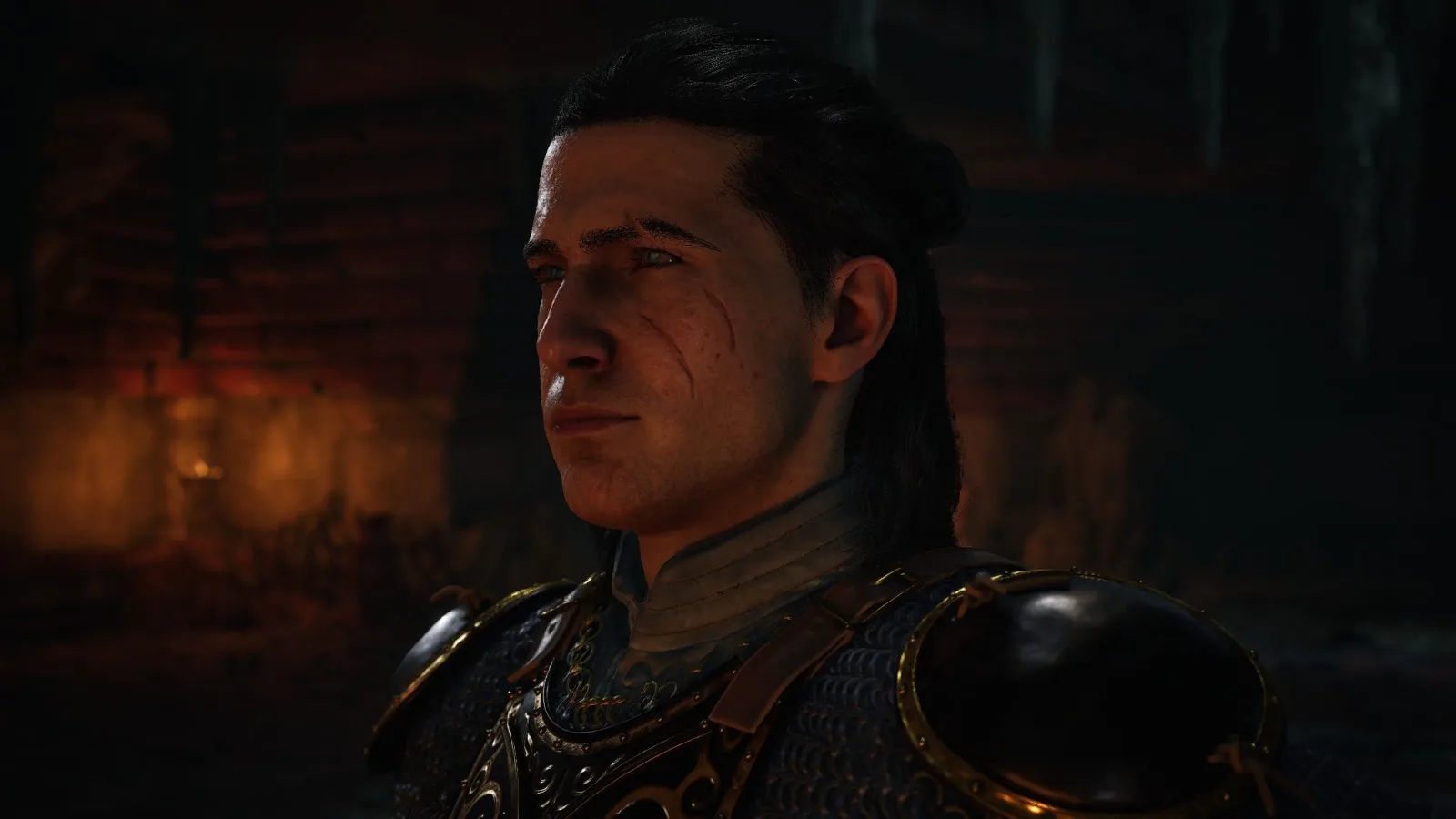
The Blood of Dawnwalker is making a compelling case for vampirism as both a power fantasy and a terrible long-term decision. Coen's journey through Vale Sangora has now moved beyond early combat training and into a much more consequential stretch of the main quest, where choices about power, allies, and blood carry repercussions that may not be immediately obvious.
The central pressure remains clear: Coen has 30 days to save his family from the vampire ruler Brencis. With roughly three weeks still remaining, there is time to prepare, investigate, and destabilize Brencis' court. But time is also being spent on diversions, difficult side stories, and the increasingly worrying business of making Coen a more capable vampire. That last goal delivers immediate combat advantages, yet it may also be binding him to forces that neither he nor his companions fully understand.
The adventure is being played on the demanding Duelist difficulty, which puts a premium on tight parries, careful timing, and clean execution. Alongside that challenge is a self-imposed commitment not to undo unforeseen consequences by reloading earlier saves. As a result, each impulsive choice has to stand, whether it leads to a new power, a missed opportunity, or a potential catastrophe for Coen's soul.
A Font of Life forces an uncomfortable decision
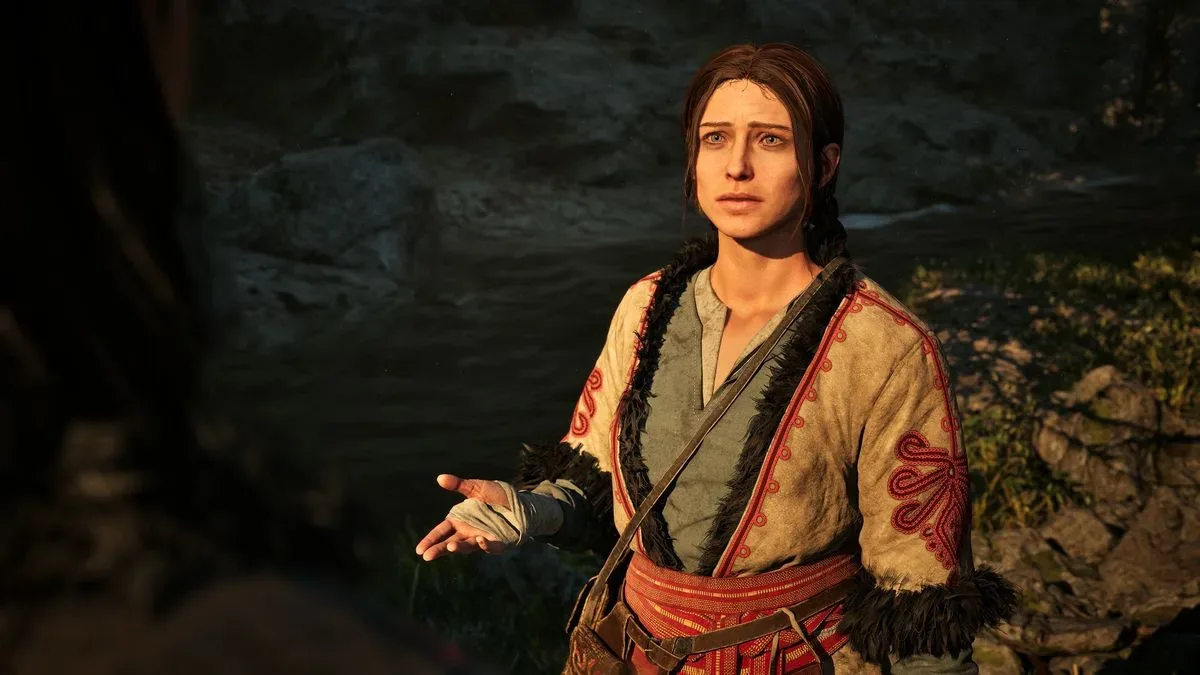
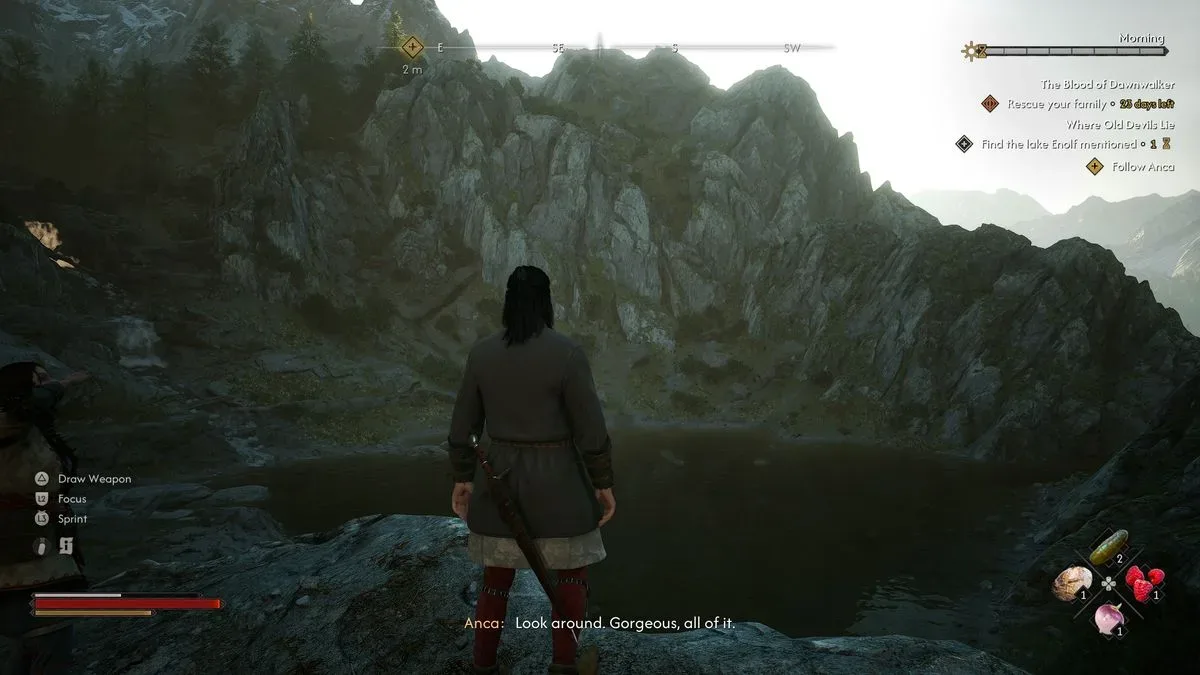
The latest main-quest detour begins in the mountains with Anca, Coen's friend and possible romantic interest. Their destination is the Font of Life, a site reached after a full in-game day of searching through mountain terrain and deciphering clues tied to hidden ruins. The location proves suitably grim: it is filled with draugr-like undead and appears connected to ancient sacrificial rites, with blood rituals depicted across its walls.
For useful background on this topic, read Go Slimey Go! Bounces Toward Switch, PlayStation and Xbox.
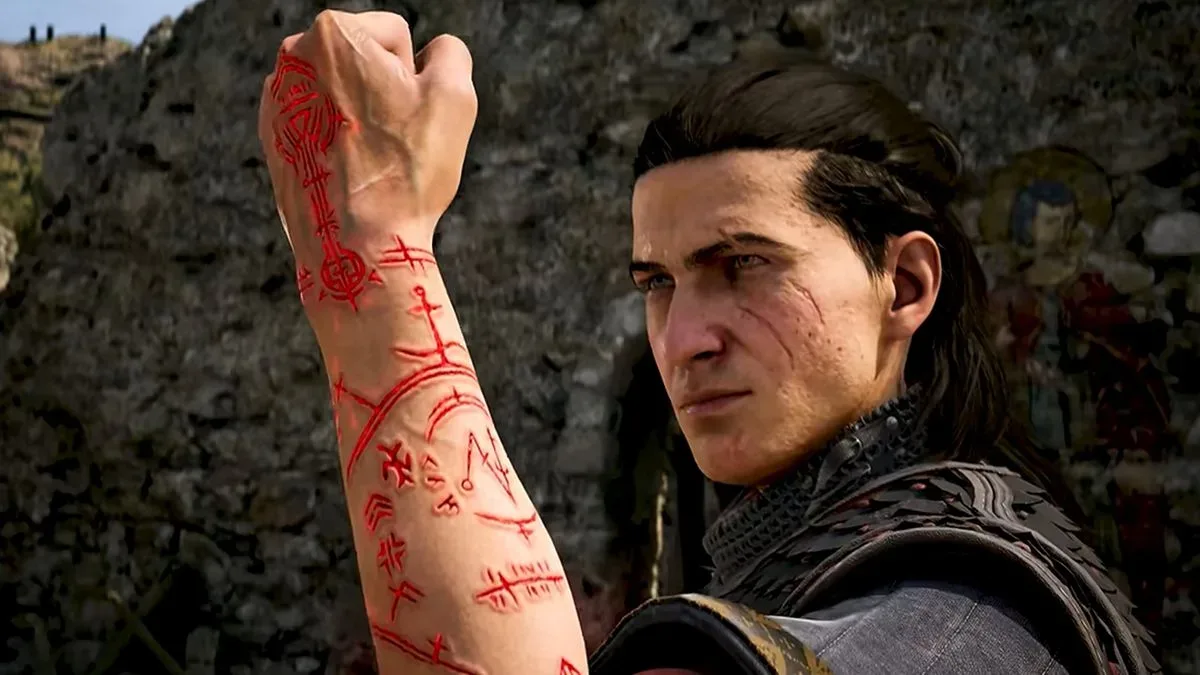
The Font offers a major reward, supposedly bestowing strength comparable to Achilles. Unfortunately, there is only enough of its restorative power for one person. Anca wants it to heal the magical glyphs cut into her body. Those marks give her supernatural ability, but they also seem to have opened her mind and spirit to an outside presence. Coen, meanwhile, needs every possible advantage if he is going to confront Brencis and rescue his family.
Choosing Coen's strength over Anca's recovery is not presented as a painless act, even if Anca accepts the decision with remarkable grace. It illustrates the tension at the heart of this particular vampire-focused path: making Coen stronger can mean putting somebody else's immediate needs aside. The Font's boon is also somewhat ironic. Its unique perk grants passive health regeneration during the day, which is a strange benefit for someone whose most natural strength comes at night. Still, it could make daylight encounters more manageable, especially for a character whose skill investments heavily favor vampiric abilities.
Ambrus becomes a threat--and then something worse
After leaving the ruins, Coen attempts to continue undermining Brencis by targeting the court's blood-tithe operation. It soon becomes evident that Brencis' followers have noticed the disruption. Rather than finding a heavily defended outpost, Coen encounters only a few surviving soldiers and a message that directs him toward an even more horrifying scene in a nearby village.
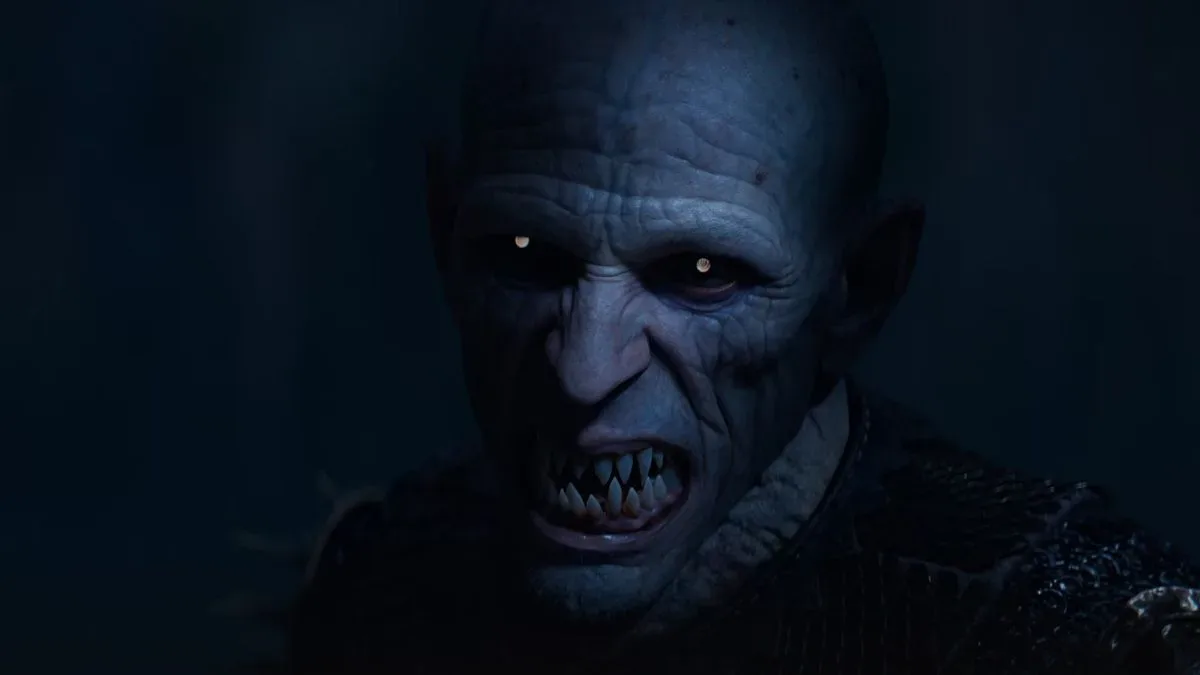
There, crucified civilians serve as part of a violent invitation from Ambrus, the youngest vampire in Brencis' court. Ambrus challenges Coen to a duel and threatens to keep murdering civilians until that challenge is answered. Before Coen can head straight to the confrontation, Ambrus' servant Lulian offers a potentially decisive advantage: poison the vampire's pre-fight blood supply.
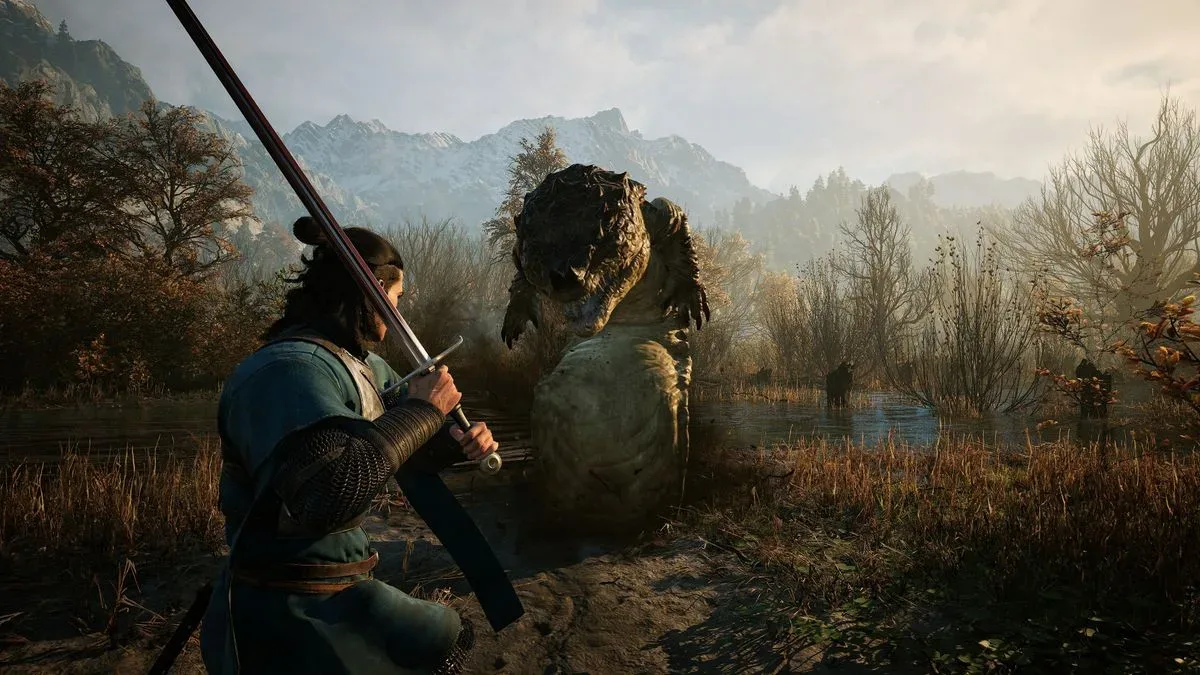
The scheme requires ingredients from a swamp, along with help from a herbalist who has already had a disastrous encounter with an unseen monster. Coen gathers what is needed, but chooses not to wait through the night with Lulian, instead leaving for additional preparation. That decision becomes costly. By the time Coen arrives at the appointed dueling ground near dawn, Lulian is absent, and the likely explanation is grim. The swamp monster was never dealt with, and Ambrus enters the battle well-fed on another servant's blood rather than poisoned and weakened.
Ambrus fights as an unnerving mirror of Coen's own playstyle. He combines shadow-steps with rapid sword attacks, demonstrating just how frustrating a teleporting vampire can be when the player is on the receiving end. Duelist difficulty makes even ordinary combatants dangerous without precision, but that same approach can overcome a boss. After several minutes of rapid exchanges, parries, and close-quarters pressure, Coen's vampiric claws prove enough to bring Ambrus down.
The truly significant choice arrives after the duel. Coen drinks Ambrus' blood to deepen his own vampirism, a decision that fits a character determined to seize every available advantage. But death does not end Ambrus' role in the story. During the blood trance, Coen sees him in another realm, begging to be invited in before the mysterious entity tied to Anca's fears can consume him.
Coen agrees, seemingly on impulse. The outcome is that Ambrus becomes a permanent, talkative presence in his mind. It is a wonderfully unsettling development: an enemy who was just defeated is now an internal companion, possibly an asset, and possibly evidence that Coen has made a profound spiritual mistake. The same undefined force has now been connected to Anca, Ambrus, and later events beneath Svartrau, making it difficult to dismiss as a one-off supernatural vision.
Svartrau opens the door to rival vampires and a living saint
The next major destination is Svartrau, a capital city filled with political tension, abandoned districts, criminal trouble, and secrets beneath its religious landmarks. Ambrus proves unexpectedly useful almost immediately by identifying another vampire who opposes Brencis: Lacra, one of Brencis' own spawn.
Coen finds Lacra through a trail of blood and destruction leading to a safehouse, where she is interrogating a hulking uriashi soldier. Coen takes the less brutal approach and persuades the captive to reveal the location of his village. Lacra believes that Brencis' sire can be found through this lead, and Coen agrees to meet her in the mountains once night falls.
Before then, Coen follows another thread: the rumored sword of Saint Mihai, believed to be an effective weapon against the undead. Questions around Svartrau's cathedral lead into hidden catacombs and eventually to Mihai's tomb. Yet the saint is not simply a long-dead historical figure. Mihai is a Dawnwalker like Coen, still technically alive in the loosest possible sense, and furious about the intrusion.
Fresh from the duel with Ambrus, Coen is able to defeat Mihai. In his final moments, Mihai directs him toward his shattered sword and issues another warning about the same looming presence connected to Anca and Ambrus. Three separate warnings do not make a complete explanation, but they do establish a pattern: the pursuit of vampire power may be entangling Coen with something far older and more dangerous than Brencis.
A vampire's strange alliances
Nightfall brings a lighter, but no less memorable, reminder of the freedom built into Coen's supernatural toolkit. He transforms into a dog and races across the landscape to meet Lacra. That ability is a charming contrast to the darker choices surrounding blood, possession, and violence, and it underscores how dramatically vampirism changes travel and exploration.
With Lacra, Coen reaches the uriashi village and tries to prevent his volatile new ally from slaughtering its inhabitants. As dawn arrives, the pair's investigation shifts to Ocha, the village elder's daughter, who has made a new life among humans in Svartrau. Her modern-sounding use of the word "besties" is an especially jarring detail amid the setting's plague-ravaged, Gothic atmosphere.
Coen helps Ocha deal with the city's criminal underworld, but the situation again goes imperfectly. A crime boss Ocha hoped to handle non-lethally is killed. Although the two part on good terms, Ocha chooses an independent life of adventure over returning to her village. Her mother nevertheless provides the key information needed to locate Isbrand, Brencis' imprisoned sire.
Coen and Lacra eventually discover Isbrand chained in a cave, where kobolds have been feeding on his endlessly regenerating body. After clearing the creatures out, they bring him to nearby ruins so Lanca can begin healing him. It is a bizarre family reunion for Brencis' vampire line, and one that could become important in any future attempt to weaken the ruler of Vale Sangora.
A notorious reputation leads to a new horror
Coen's escalating actions have earned him a "notorious" standing with Brencis, and that reputation opens the way to cooperation with the Manumit rebels. Their first assignment lacks the dramatic glamour of a vampire duel: investigate a slaughtered resistance unit. But the answer found in Svartrau's plague-devastated slums may be among the most alarming discoveries yet.
The missing humans have been transformed into clay-baked, golem-like monsters made from grafted flesh and blades. These creations suggest an organized source of grotesque experimentation beneath the city, not just another isolated monster encounter. Even after defeating Ambrus and Mihai, the prospect of such creatures becoming common throughout Vale Sangora is enough to make tracing their origin an urgent priority.
That investigation leads underground once again, where this chapter of the journey pauses. With the penultimate week approaching, Brencis still feels remote and overwhelmingly powerful. Coen has made progress, removed one member of the court, forged uneasy connections with Lacra and Ambrus, and uncovered several leads. Yet his family remains in danger, the resistance needs help, and a growing number of supernatural figures are warning him about the price of his choices.
The immediate plan is to uncover the source of Svartrau's clay monsters, aid the Manumit rebels, and bring down at least one more figure in Brencis' court. The larger question is harder to answer. Coen has gained claws, blood-fueled strength, mobility, and new allies through vampirism. He may also have invited an endangered vampire into his mind and moved a little closer to an unknowable entity beyond the world. In The Blood of Dawnwalker, becoming stronger is easy. Knowing what that strength will eventually cost is the real challenge.

Community
Discussion
Start the conversation.
No comments have been posted yet.