

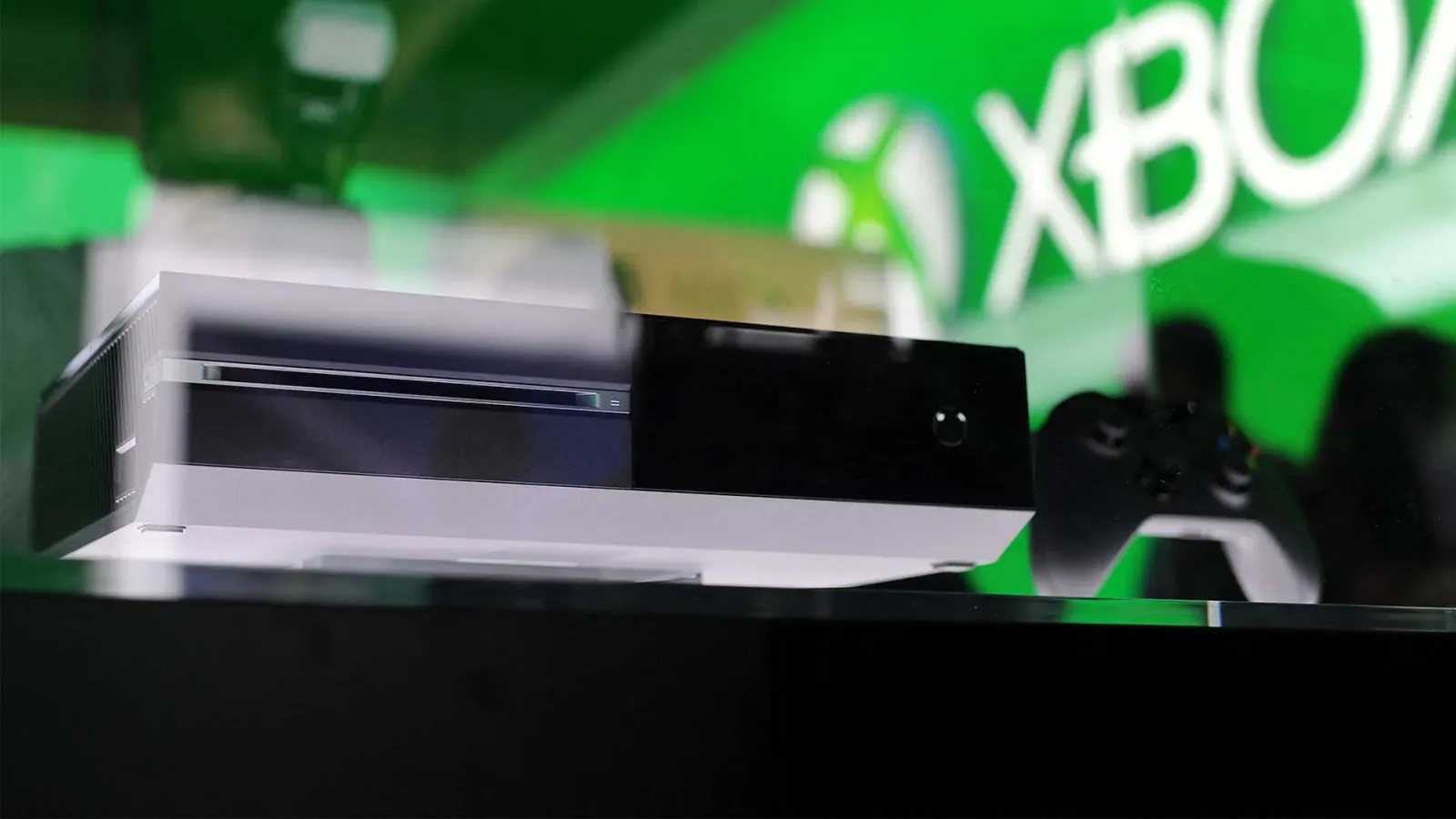
Xbox's newly available disc-to-digital functionality has an unexpectedly complicated history. The feature, which allows players to insert certain Xbox game discs and receive a digital copy that can be used without continually keeping that disc in the console, appears to be built on technical groundwork established more than a decade ago. That groundwork was originally intended to support the Xbox One's infamous vision of online checks, tightly controlled disc ownership, and a more aggressively digital marketplace.
In other words, one of the most heavily criticized parts of the Xbox One reveal era may now be producing a benefit for players who still own physical games. The irony is hard to miss: technology associated with Microsoft's failed 2013 strategy is reportedly helping make the transition from disc libraries to digital libraries less abrupt for at least some Xbox customers.
There are important limits, caveats, and broader ownership questions attached to the development. Not every disc is expected to work, and a digital license tied to an account is not necessarily the same thing as unrestricted, permanent ownership of a game. Still, the initiative stands out because it offers a practical bridge between two formats that have often been treated as separate purchases.
A plan that began before the Xbox One launched
Microsoft had reportedly been considering expanded forms of digital game ownership as early as 2011. The ideas being explored included digital gifting and a system that could let someone exchange a used physical game for a digital version through a retail store. For those concepts to work at scale, the company needed a reliable way to identify individual discs rather than simply recognizing a disc as one copy of a particular game.
For useful background on this topic, read Call of Duty: Modern Warfare 4 Is Being Framed as an 'Epic Conclusion'.
That led to a small but consequential manufacturing change around the Xbox One generation. Xbox discs began carrying information that could effectively function as a unique serial identifier. With that data, the platform could recognize a specific physical disc, track its interaction with the Xbox ecosystem, and potentially associate a digital entitlement with an account.
Such a system made sense within Microsoft's original Xbox One strategy. At the time, the company was promoting a future where game ownership, discs, online services, and account licensing would be far more interconnected. Physical media would still exist, but it would not operate with the simple independence players had come to expect from older consoles. The Xbox One's early policies included routine internet requirements and restrictions that raised major concerns about used games, lending, resale, and access when offline.
The reaction was immediate and overwhelmingly negative. Players objected to the idea that a console purchase could bring ongoing check-in requirements, reduced flexibility for physical discs, and new limits on long-established consumer rights. Sony's widely remembered response leaned into the contrast, presenting used-game sharing on PlayStation 4 as a straightforward handoff of a disc from one person to another.
For another perspective on this story, read Xbox's Disc-to-Digital Feature Is an Unexpected Payoff From the Xbox One DRM Backlash.
Microsoft ultimately reversed course before the Xbox One launched. Its always-online and disc-management plans were abandoned, but the disc-printing infrastructure apparently did not disappear. Xbox continued producing discs with trackable data, and that choice has now taken on a different significance.
How disc-to-digital appears to work
The basic promise of Xbox's disc-to-digital feature is easy to understand. A player with an eligible disc inserts it into a compatible Xbox console. The platform reads the disc's identifying information and can grant a digital version associated with that user. Once claimed, that digital version can be played without the physical disc remaining in the drive.
What makes the process more unusual than a normal digital upgrade is the individual disc-level data. Rather than merely treating every disc of the same title as interchangeable, Xbox can reportedly determine which particular disc was presented and connect the conversion process to that piece of media and a user account.
That tracking element is likely the key to preventing the system from becoming an easy route to unlimited copying. If an ordinary retail disc could grant a permanent digital license every time it was inserted into a different console, one disc could theoretically create a large number of digital accounts with access to the same game. A unique identifier gives Microsoft a mechanism to manage claims and determine whether a disc has already been used in the program.
The exact rules surrounding eligibility, transfers, future resale, or revocation matter enormously, and players should check the details presented by Xbox for each supported title and disc. The presence of an identification system does not, by itself, answer every question about what happens after a claim. It does, however, explain why Xbox can attempt an approach that is much harder to reproduce with conventional game discs.
Why some older Xbox One discs may be excluded
Not every Xbox disc is necessarily compatible with disc-to-digital. Some of the earliest Xbox One discs may have been manufactured before the additional tracking information was consistently included. If a disc lacks the necessary data, the system cannot identify it in the way the new conversion process requires.
That creates a potentially confusing situation for collectors and long-time Xbox owners. Two copies of the same game may look nearly identical, yet one could be accepted by the feature while another is not. The difference may come down to manufacturing timing rather than the game itself, its condition, or the console being used.
This limitation also illustrates why preservation-minded players should not assume every physical library will convert neatly into a digital one. Physical releases are not all technologically identical, even when they share cover art, product names, and platforms. Reprints, launch-window copies, region-specific editions, and later pressings can contain meaningful differences that only become apparent when a platform introduces new verification methods.
For consumers, transparency will be essential. Clear compatibility lists, understandable on-console messages, and useful support documentation can make the difference between a welcome convenience and a frustrating process. A player should be able to tell whether a disc is ineligible because it is an early pressing, because the specific game is unsupported, or because another requirement has not been met.
A difficult feature for PlayStation to match
The disc-to-digital concept also highlights a possible distinction between Xbox and PlayStation physical media. For Sony to offer a closely comparable system across PlayStation 4 and PlayStation 5 games, it would likely need similar per-disc tracking information embedded in those discs from the beginning. There is no indication that such a system has been broadly used for PlayStation discs.
That does not mean PlayStation could never create another kind of conversion program. A platform holder could choose to offer limited promotions, publisher-approved upgrades, subscription-based access, or other account-linked paths from disc ownership to digital access. But an automatic system based on recognizing a uniquely traceable physical copy would depend on information being present on the disc itself.
This makes Xbox's long-running disc production decision notable. A technical capability created for one policy direction can remain useful even after that policy direction is rejected. Microsoft's original Xbox One vision failed because players did not accept the conditions attached to it. Years later, the same identification layer can support a feature that, on its surface, gives players more flexibility rather than less.
The bigger concern: what does digital ownership mean?
Disc-to-digital may be convenient, but it also arrives during a period of deep uncertainty about the future of game ownership. The industry has spent years moving toward downloadable software, account-based licenses, subscriptions, streaming services, and consoles with optional or absent disc drives. Sony has announced an end to physical PlayStation game releases in 2028, adding further urgency to the discussion around what players retain when discs become less common.
Buying a digital game generally provides access through a platform account and under the platform's terms of service. That arrangement can be stable and useful for many years, but it is different from having a disc that can often be inserted into compatible hardware without requiring an account login. Digital storefront removals, licensing expirations, delisted content, server shutdowns, and account problems all show why the word ownership deserves scrutiny.
Offline access is one of the clearest examples. A digital library is much more reassuring when a console can verify licenses locally and continue operating without repeated network checks. Players also need to consider what happens if they lose account access, if a platform ends support for older hardware, or if a game depends on online services that eventually close. Questions of inheritance create another unresolved issue: an account full of purchased games may have significant personal and financial value, yet it does not always transfer as simply as a shelf of discs.
These concerns do not erase the appeal of digital delivery. Downloads are convenient, instant, and often the only practical option for patches, smaller releases, or games that never receive a boxed edition. Digital storefronts also make it easier to keep a large collection accessible without storing cases and swapping media. The challenge is ensuring that convenience does not come at the cost of consumer protections, long-term access, and meaningful control over purchased software.
An ironic but useful result
The Xbox One's original DRM proposal remains a major lesson in how quickly players can reject a platform strategy that appears to undermine physical ownership. Its reversal was one of the defining stories of that console generation. Yet the unique disc data developed during that period may have survived long enough to enable a surprisingly consumer-friendly application.
Xbox's disc-to-digital feature will not settle the larger argument over preservation or digital rights. It also cannot turn every old disc into a digital license, particularly when early Xbox One pressings may lack the required identifiers. But it offers a notable example of hardware and publishing infrastructure being repurposed after the policy that inspired it was rejected.
As physical releases become less certain, features that acknowledge players' existing collections will matter more. The strongest version of the digital future is not one that asks people to abandon everything they have bought before. It is one that provides clear paths forward, respects offline play where possible, explains licensing limits honestly, and gives consumers lasting confidence that a game purchase will remain accessible.
Community
Discussion
Start the conversation.
No comments have been posted yet.