

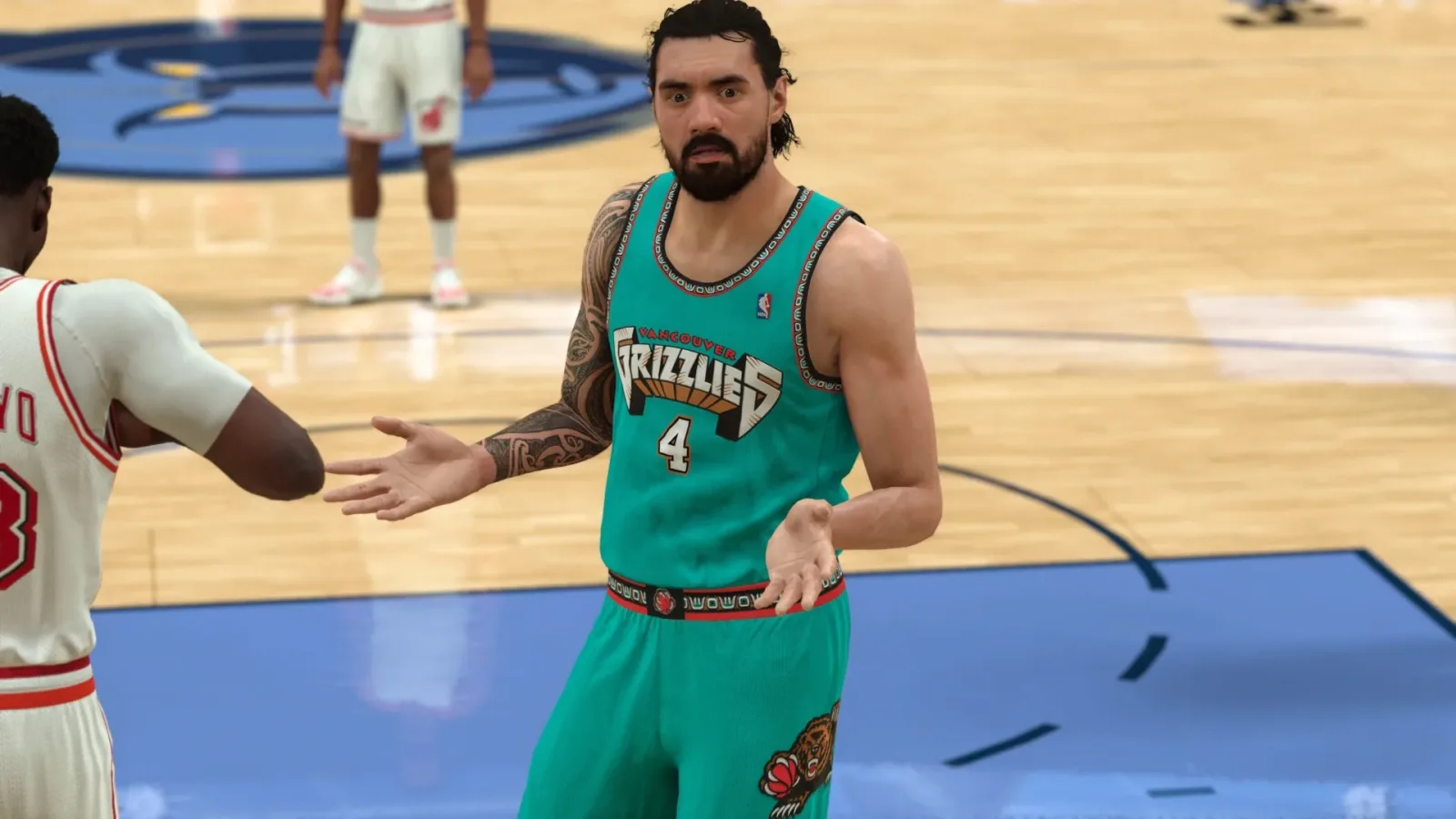
Newly unsealed court materials in an ongoing lawsuit against 2K and parent company Take-Two Interactive have offered an unusually direct look at one of the most contentious parts of the annual NBA 2K cycle: why players cannot take their Virtual Currency, or VC, into the next game.
The dispute goes beyond a familiar frustration about unused in-game funds disappearing when a yearly sports sequel arrives. It also raises larger questions about what players receive when they purchase digital currency, how aggressively a publisher may define the limits of that purchase through its terms of service, and whether an annual reset is a technical necessity, a design choice, or both.
The California class-action case was filed in 2023 on behalf of a minor identified as J.A., with the help of his mother and attorney. Its central allegation is that preventing players from rolling VC forward from one annual NBA 2K release to another improperly deprives them of value they purchased or accumulated. Take-Two disputes that characterization, and the case remains in progress.
Testimony from a 2025 deposition, now available through unsealed filings, spells out the company's position. Michael O'Dwyer, vice president of production management for NBA 2K, described both technical and philosophical reasons for not creating a currency-transfer system. The remarks are significant not because they settle the legal question, but because they make the publisher's approach more explicit than players usually see in a game's storefront or menu screens.
For useful background on this topic, read Dark Souls 2 Seamless Co-op Mod Arrives September 22 With Proximity Chat and Major Fixes.
VC Is Treated as a Virtual Item, Not Player Property
Take-Two's contractual argument begins with how VC is categorized. The company's terms of service identify it as a "virtual item," and the 2024 terms state that users agree they have no ownership or other rights in virtual items or their accounts.
That language is central to the publisher's defense. If VC is a licensed digital feature rather than property owned by a player, Take-Two can argue that its use, duration, and availability are controlled by the service's terms. In that framework, VC does not become a transferable balance simply because someone earned it through play or paid money to acquire it.
For the plaintiffs, that framing is precisely part of the problem. Their challenge casts the annual inability to access remaining VC in a successor game as an unfair loss. The complaint is aimed at the gap between the ordinary consumer understanding of buying currency and the legal limitations imposed on its use. The filings describe the terms as lengthy, while J.A.'s attorney has characterized the relevant conditions as overly harsh, unduly oppressive, and unfairly one-sided.
Terms of service have long governed accounts, downloadable content, virtual goods, and online features. Still, the NBA 2K dispute illustrates why those documents are increasingly receiving close attention. In a game built around continual progression and optional spending, the practical value of an in-game currency can be substantial even if the legal agreement says the user does not own it.
A Fresh Start Is Part of the Publisher's Design Goal
O'Dwyer's deposition also makes clear that the decision is not presented solely as an engineering limitation. He said a primary reason for the policy is the desire for each newly released game to begin as a fresh start, with returning players and newcomers receiving the same opportunity when they enter that year's title.
That argument reflects a common design tension in annual sports games. Carrying progression, premium currency, or powerful items across releases can reward loyal players, but it can also create a launch-day imbalance. New players may feel behind before they have played a match, especially in modes where a created athlete's ratings, equipment, animations, or cosmetics are tied to VC spending.
On the other hand, a total reset asks returning players to begin again after investing time and, in some cases, money in the prior entry. VC can be earned by playing, but purchasing it is a faster route to upgrading a player and obtaining cosmetic items. That combination has made the currency a major part of the modern NBA 2K experience and a frequent point of criticism among players.
The court materials show Take-Two views equal starting conditions as a core benefit of the current model. Critics may counter that a fresh competitive environment does not necessarily require every kind of purchased balance to vanish, particularly if a publisher could place limits on where or how transferred funds are used. The testimony suggests, however, that Take-Two has not pursued such an alternative.
The Earned-versus-Paid VC Problem
One complication discussed during the deposition is the difference between VC earned through gameplay and VC purchased with real money. O'Dwyer said a rollover feature would need to distinguish between those sources. In theory, an account could contain currency generated by completing games and objectives alongside currency bought through a digital transaction.
That distinction matters because a system could potentially be designed to carry unused paid VC forward while leaving earned VC behind. But O'Dwyer said the company does not want to take that route. He described building the needed separation as a major undertaking that would consume development time and resources that the team would prefer to devote elsewhere. He also said the company does not see a player benefit sufficient to justify the work.
Perhaps the clearest portion of the testimony is the acknowledgment that the publisher has not attempted the change and has not wanted to make it. O'Dwyer described it as requiring a complete redesign of a complex game. That does not mean it is impossible; rather, it frames the issue as one involving priorities, cost, game structure, and the company's preferred philosophy.
For players, that difference is important. A claim that a feature cannot be built is very different from a claim that it can be built but is not considered worth the trade-offs. The testimony appears to include elements of both: there is no existing technical solution in place, while creating one would require extensive work that Take-Two does not wish to prioritize.
Why This Case Reaches Beyond Basketball Games
The lawsuit arrives amid broader debates over digital ownership in games. Players often pay for downloadable games, add-ons, subscriptions, season passes, and in-game currencies, yet their ability to keep using those purchases can depend on account rules, servers, licensing agreements, and publisher decisions. An annualized series intensifies that concern because the successor product is designed to replace the previous one on a regular schedule.
Physical media does not automatically solve every issue tied to online modes or live-service currency, but the NBA 2K dispute underscores why consumers draw a strong distinction between owning something and holding a revocable license to access it. Even when a game is purchased, the most important features attached to it may remain contingent on publisher-controlled systems.
There is also a consumer-expectation question. A player who buys VC may understand that it is usable only within a particular game, especially if the terms make that restriction clear. But lengthy agreements are rarely read closely, and the practical presentation of currency purchases can feel more permanent than the legal language behind them. The suit will test, among other issues, how much weight those contractual disclosures carry against the plaintiffs' theory of harm.
What Happens Next
No final ruling has been issued in the case. The newly public filings provide insight into Take-Two's defense, but they do not establish that the court agrees with either side. The plaintiffs will continue to argue that the no-transfer policy unlawfully strips players of value, while Take-Two will maintain that VC is a limited virtual item governed by terms accepted by users and that annual resets serve legitimate technical and design purposes.
Regardless of the eventual outcome, the deposition has clarified the publisher's stance. Take-Two is not describing VC rollover as a simple quality-of-life change left undone by accident. Its position is that a transfer system does not currently exist, would demand a significant redesign to separate earned and purchased balances, conflicts with its desire for a level fresh start in each new game, and is not a change it wants to make.
That may not satisfy players who see unused VC as money left behind every year. But it gives the legal fight a sharper focus: not merely whether players wish currency could travel forward, but whether the terms governing virtual items allow a publisher to ensure that it does not.
Community
Discussion
Start the conversation.
No comments have been posted yet.