

Final's VR3000 Gaming Earphones make a persuasive case for wired buds as a serious gaming-audio option. Their modest 6mm dynamic drivers produce a rich, clean, and notably spacious sound that can feel closer to a full gaming headset than a conventional pair of in-ear earphones. Positional effects are a genuine strength, comfort is thoughtfully addressed, and the standard 3.5mm connection makes the VR3000 easy to use with Switch systems, Steam Deck, PC, PS5 controllers, and compatible VR headsets.
That makes the overall package easy to appreciate, but harder to recommend without qualification. At $85.80 / £78.99, the VR3000 occupies a premium price tier for a wired set of buds. The sound does much to earn that asking price, particularly for players who value binaural audio and VR immersion, yet the underwhelming in-line microphone and lack of USB-C connectivity limit the value proposition. These are excellent earphones in the areas that matter most for solo play, but they are not an automatic purchase for every gaming setup.
Designed around immersion rather than flash
The VR3000 has an unusual development focus. Final designed the earphones around the distinction between standard two-channel stereo productions and binaural productions. In practical terms, that means the product prioritizes the feeling of sound existing around the listener: effects should appear to come from particular directions and occupy a more believable sense of space.
That philosophy is particularly relevant to games. Accurate placement of footsteps, gunfire, engines, dialogue, and environmental ambience can support competitive awareness, but it also makes single-player worlds more convincing. A convincing spatial soundscape is a core part of what makes VR feel immersive, and the VR3000 is clearly aimed at people who want that benefit without adding a large over-ear headset to their setup.
For useful background on this topic, read Resident Evil's 'Katamari Monster' Used a Team of Stunt Performers to Find Its Horrifying Movement.
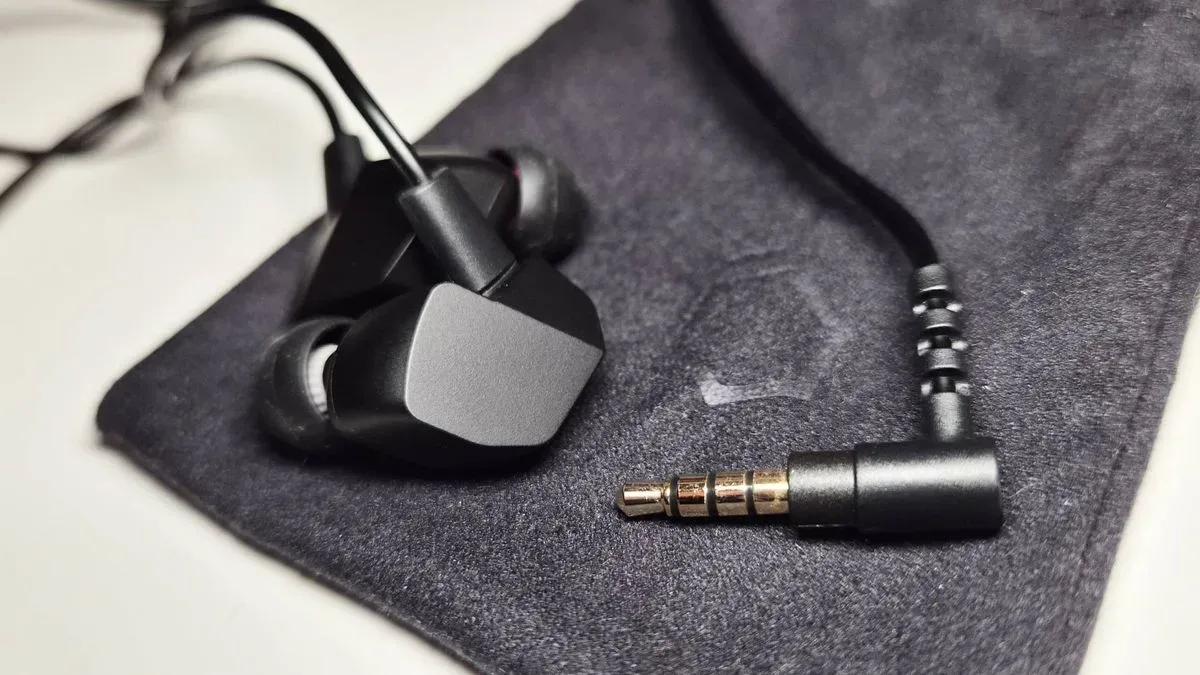
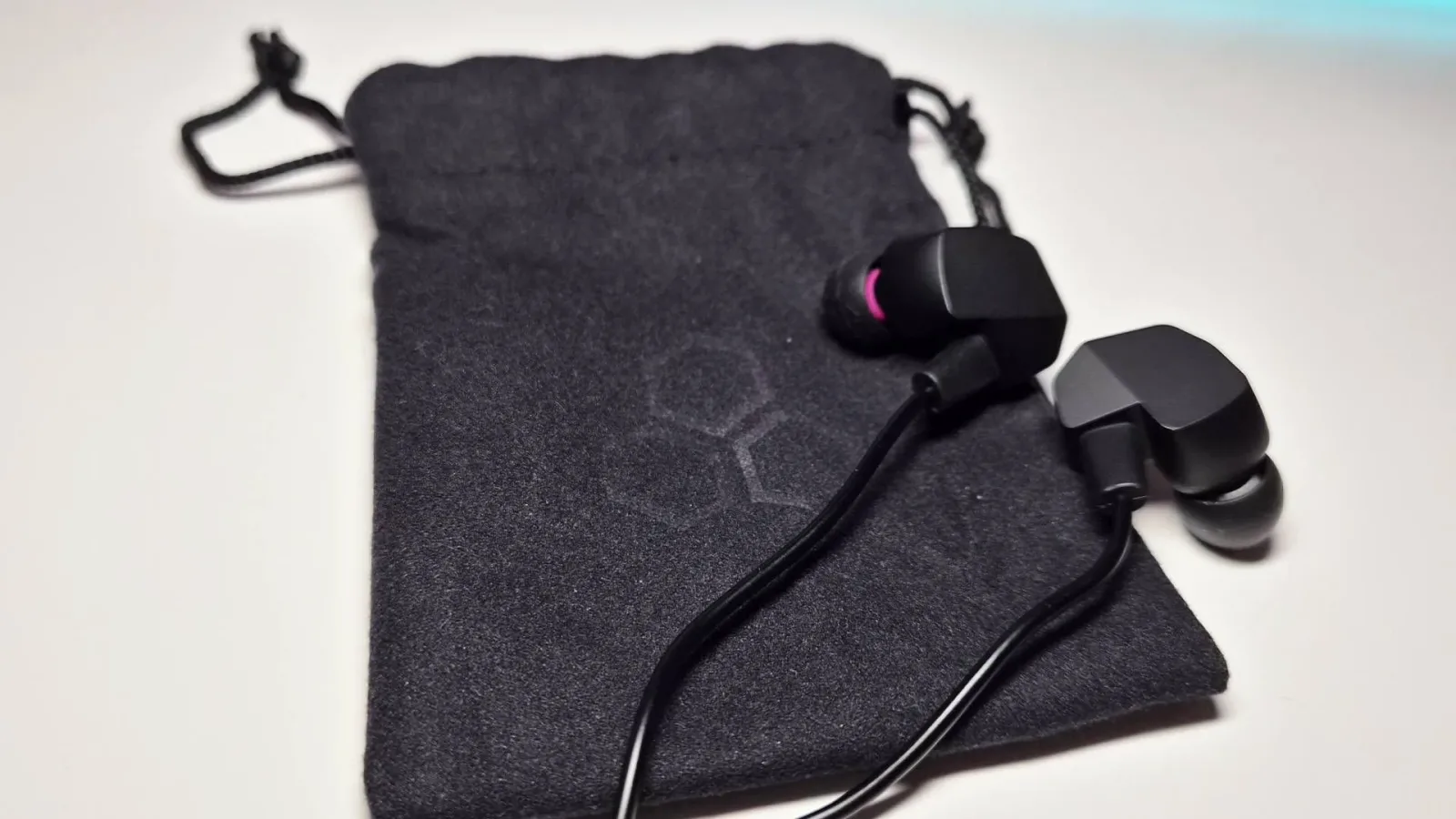
Visually, the earphones are far more reserved than their audio ambitions. Their black housing could be mistaken for a basic wired pair at a glance, aside from an almost hexagonal shape that distinguishes them from generic earbuds. The design is not trying to be fashionable, transparent, or aggressively gamer-focused. It is functional, though, and the shape is intended to reduce the amount of the housing that contacts the ear. That contributes to an unexpectedly secure and comfortable fit.
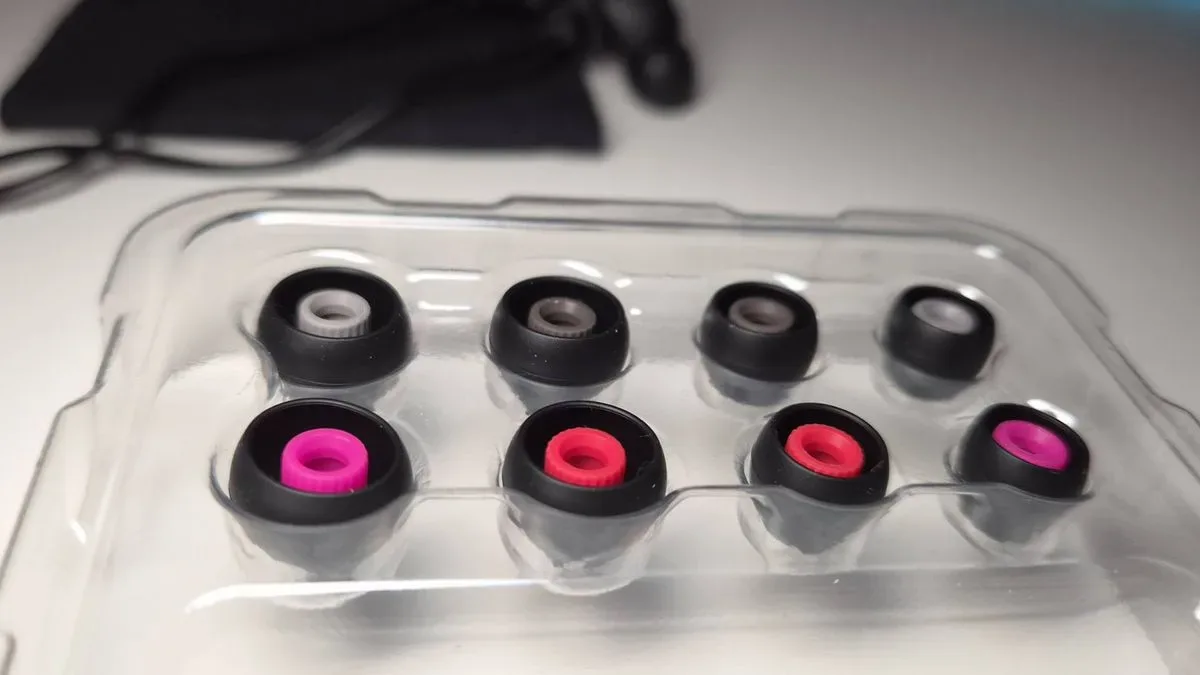
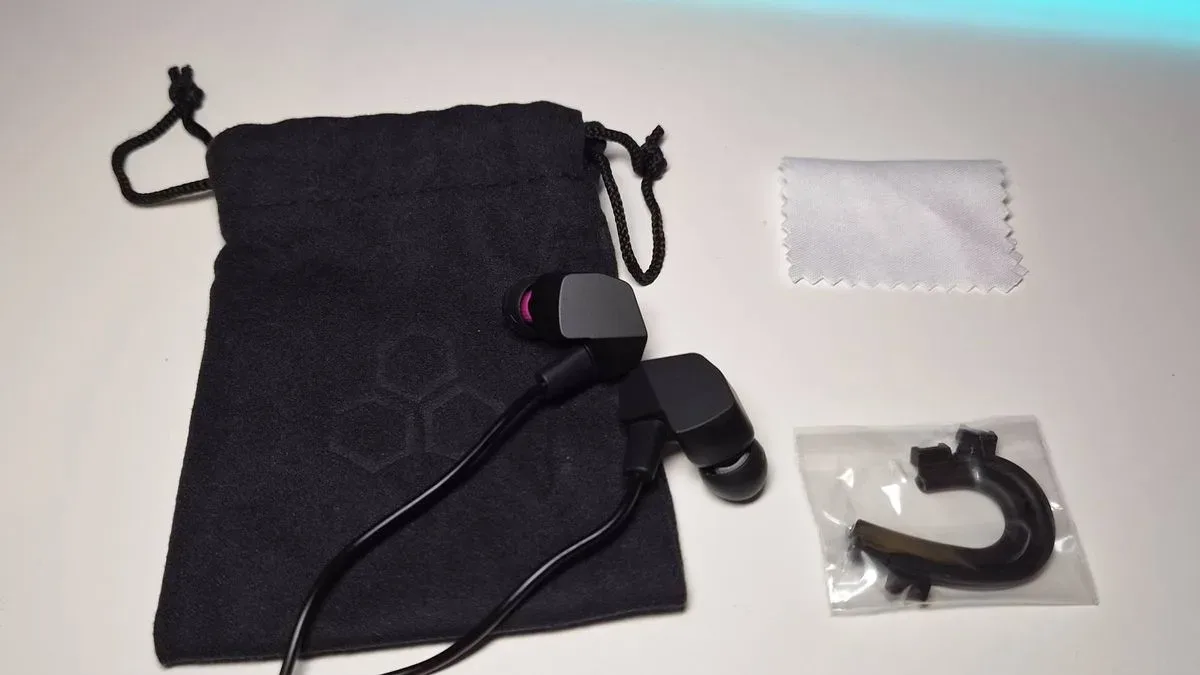
Final includes an unusually helpful selection of accessories. There are 10 extra ear tips, split between firmer and softer silicone options, giving users room to adjust comfort, seal, and passive isolation. Earhooks, a cleaning cloth, and a branded drawstring carrying pouch are also included. It is a sensible collection for a product likely to spend time in a Switch case, backpack, or VR travel kit.
Simple wired connectivity, with clear compromises
The VR3000 uses a 1.2m cable and a conventional 3.5mm plug. There is no Bluetooth, no 2.4GHz wireless mode, no battery, and no active noise cancellation. That simplicity has benefits: there is no charging to manage, no wireless pairing process, and no concern about transmission latency. Plugging into a compatible device is all that is required.
Compatibility is broad across gaming hardware with a headphone jack. The earphones work with Nintendo Switch and Switch 2, Steam Deck, PCs, VR headsets, and PS5 through the DualSense controller. The cable length is also sufficient for controller use without creating constant tension on the ears during play.
However, 3.5mm-only connectivity is also a meaningful limitation in 2026. Many modern phones rely entirely on USB-C and require an adapter before these earphones can be used for music or calls. Players who want a single wired pair for both a handheld and a USB-C-only phone may find a native USB-C model more convenient. The VR3000 can handle phone calls through its in-line microphone when connected appropriately, but this is not where the product excels.
Headset-level sound from small 6mm drivers
The most compelling reason to consider the VR3000 is sound quality. Final equips the earphones with 6mm f-Core DU dynamic drivers using a CCAW coil, and their performance is considerably stronger than their small size might suggest. Bass has weight and impact without becoming fuzzy or swallowing the rest of the mix. Mid-range elements, including dialogue and music, remain clear and steady. Highs arrive with enough presence to preserve detail without becoming harsh.
More importantly, the presentation has a sense of directionality that suits games well. In open environments, nearby vehicles, character movement, environmental effects, and distant ambience can sound meaningfully separated rather than flattened into a narrow left-right spread. That does not turn every game into a precision competitive tool, as implementation still depends on the title and source device, but the earphones provide an excellent foundation for spatial material.
Mario Kart World is a fitting example of the VR3000's appeal. Engine noise, drifting, item effects, and other racers can feel distributed throughout the surrounding space rather than simply playing from two small drivers. The result is more engaging than a handheld's built-in speakers and more dimensional than low-cost earbuds that prioritize loud bass over placement.
The same clarity benefits dialogue-heavy games. In Fire Emblem Fortune's Weave, the detailed soundscape of Dagda and the extensive character conversations benefit from the earphones' balanced tuning. Clean vocal reproduction matters in long narrative sessions, and the VR3000's mids avoid the muddy, recessed quality that can make voices tiring to follow. For late-night handheld play, the combination of isolation, comfort, and articulate audio is particularly effective.
On PS5, games such as Marvel Rivals, Marvel's Wolverine, Silent Hill Townfall, and Doom Eternal can also benefit from the rich presentation and spatial effect. The earphones are not restricted to handhelds by any technical limitation. Still, their portability makes them feel especially natural alongside Switch 2, Steam Deck, and VR hardware, where carrying a full-size headset is less convenient.
Comfort is a genuine long-session strength
The VR3000's plain exterior conceals one of its best attributes: the buds are built for extended wear. Their shaped housing sits securely, and the choice between soft and rigid silicone tips lets users fine-tune pressure and isolation. The earhooks are available for additional stability, but the buds can remain in place well without relying on them.
Long gaming sessions can still create some strain, as is common with in-ear designs, and healthy breaks remain advisable. Yet the VR3000 is comfortable enough to avoid becoming a distraction through hours of handheld play. This matters for VR in particular. A lightweight wired solution that does not interfere heavily with a headset can be preferable to bulky headphones, especially when a game already involves wearing face-mounted hardware.
The microphone does not match the audio quality
The in-line microphone is the most significant weak point. It is useful to have for basic communication, but it is not dependable enough for frequent voice chat, Discord calls, or multiplayer sessions where clear speech is important. Recordings reveal noticeable background noise, a persistent hiss, muffled vocal character, and occasional crackling even when the plug is correctly seated.
No one should expect a tiny cable microphone to compete with dedicated boom mics on premium gaming headsets. Even by that modest standard, though, the VR3000's mic falls short. It is adequate as an emergency option, not a feature that should drive a purchase decision. Players who routinely coordinate with teammates should plan on using a separate microphone or selecting a headset with stronger voice capture.
Who should buy the Final VR3000?
The strongest audience for the Final VR3000 is VR players and handheld enthusiasts who already have devices with 3.5mm jacks. For that group, the product's practical benefits line up well: it is light, portable, comfortable, easy to connect, and capable of producing immersive spatial audio without the size or heat of an over-ear headset.
It is also a worthwhile consideration for solo players on PC or PS5 who care more about sound quality than chat performance. Competitive players may appreciate the positional cues, but anyone who spends every evening in voice channels should factor the microphone problem heavily into the decision.
Value is the decisive question. At $85.80 / £78.99, there are wired alternatives with strong sound, more distinctive designs, or USB-C models that work directly with phones and modern handheld accessories. The VR3000's audio quality is real, but it is competing in a crowded price bracket. At around $50 / £50 or less, these would become an easy recommendation for players who want high-quality wired buds for VR or portable gaming.
Final takeaway
The Final VR3000 Gaming Earphones succeed where it counts most: they sound excellent. Their balanced tuning, booming but controlled bass, clear dialogue, and convincing spatial presentation make games feel larger and more alive. Add strong comfort, useful accessories, and broad 3.5mm gaming compatibility, and there is a lot to like.
The caveats are equally clear. The microphone is poor, USB-C-only phone owners need an adapter, and the $85.80 / £78.99 price feels high for a wired pair that does not offer premium all-round functionality. For VR users and dedicated handheld players who prioritize immersive listening over chat quality, the VR3000 is a polished and rewarding option. For everyone else, it is best approached as a sale purchase rather than an unquestioned premium buy.
Community
Discussion
Start the conversation.
No comments have been posted yet.